Why Go Gorilla Trekking in Uganda? 18 Reasons to Visit Bwindi and Mgahinga
Gorilla trekking in Uganda is one of Africa’s most extraordinary wildlife experiences. Deep in the mist-covered forests of southwestern Uganda, visitors have the rare opportunity to walk through ancient tropical rainforest in search of endangered mountain gorillas and spend an unforgettable hour observing them in their natural habitat.
Uganda is one of only three countries in the world where mountain gorillas can be seen in the wild, alongside Rwanda and the Democratic Republic of Congo. What makes Uganda particularly special is the opportunity to trek in two protected areas: Bwindi Impenetrable National Park and Mgahinga Gorilla National Park.
Beyond seeing gorillas, a Ugandan gorilla safari offers much more. Travellers experience remarkable forest landscapes, diverse birdlife, local cultures, conservation initiatives and the warm hospitality of communities living around the parks. It is also possible to combine gorilla trekking with chimpanzee tracking, wildlife safaris, boat cruises, mountain hiking and cultural experiences.
If you are considering an African safari and wondering why you should choose Uganda for gorilla trekking, here are some of the most compelling reasons.
1. Uganda Is Home to More Than Half of the World’s Mountain Gorillas
One of the strongest reasons to go gorilla trekking in Uganda is the country’s importance to global mountain gorilla conservation.
Uganda protects a significant proportion of the world’s remaining mountain gorillas, with Bwindi Impenetrable National Park being home to approximately half of the global population. These remarkable primates live in protected forest habitats where conservation authorities, researchers, rangers and local communities work together to safeguard their future.
Mountain gorillas are found in two main populations:
- The Bwindi-Sarambwe population, which lives in Bwindi Impenetrable National Park in Uganda and the adjoining Sarambwe Reserve in the Democratic Republic of Congo.
- The Virunga Massif population, which ranges across Uganda’s Mgahinga Gorilla National Park, Rwanda’s Volcanoes National Park and the Democratic Republic of Congo’s Virunga National Park.
Uganda therefore provides access to two important mountain gorilla habitats, making it one of the world’s leading destinations for responsible gorilla tourism.
For wildlife lovers, visiting Uganda is an opportunity to encounter these endangered animals while contributing to the protection of one of Africa’s most important natural ecosystems.
2. Trek Mountain Gorillas in Two National Parks
Uganda is particularly attractive because visitors can choose between two mountain gorilla trekking destinations.
Bwindi Impenetrable National Park
Bwindi Impenetrable National Park is Uganda’s principal gorilla trekking destination. Located in southwestern Uganda, the park protects an ancient rainforest recognised as a UNESCO World Heritage Site.
The forest covers approximately 32,092 hectares and contains exceptional biodiversity, including numerous tree species, ferns, butterflies, birds and mammals.
Bwindi is divided into four main gorilla trekking sectors:
Buhoma Sector
Located in the northern part of Bwindi, Buhoma was the first area in Uganda to open for gorilla tourism. It is known for its established trekking operations, forest scenery and range of accommodation options. Visitors can also enjoy community walks, birding and guided forest experiences.
Ruhija Sector
Ruhija is situated in the eastern part of Bwindi at a relatively high altitude. It is particularly attractive to birdwatchers and travellers interested in exploring the forest’s biodiversity. Its cool temperatures, scenic viewpoints and peaceful surroundings make it a rewarding destination.
Rushaga Sector
Located in southern Bwindi, Rushaga has several habituated gorilla families and is an important starting point for both ordinary gorilla trekking and the gorilla habituation experience. It is a popular choice for travellers approaching Bwindi from Kigali or the southern Ugandan safari circuit.
Nkuringo Sector
Nkuringo is situated in southwestern Bwindi and is known for its dramatic landscapes, steep terrain and beautiful views of the surrounding hills and Virunga volcanoes. It offers an adventurous trekking experience and access to the famous Buhoma-to-Nkuringo forest walk.
The four sectors offer different landscapes, accommodation options and trekking conditions. Your gorilla permit should be booked for the sector where you intend to trek, and your lodge should be selected accordingly.
Mgahinga Gorilla National Park
Mgahinga Gorilla National Park is Uganda’s other mountain gorilla trekking destination. It forms part of the Virunga Conservation Area and lies in the southwestern corner of the country, near the borders with Rwanda and the Democratic Republic of Congo.
The park is smaller than Bwindi but offers a spectacular setting of volcanic mountains, bamboo forests and montane vegetation.
Gorilla trekking in Mgahinga focuses on the Nyakagezi gorilla family. The park is also an excellent destination for golden monkey tracking, volcano hiking and the Batwa cultural experience.
Travellers who prefer a combination of gorilla trekking and dramatic volcanic scenery may find Mgahinga especially appealing.
3. Spend an Unforgettable Hour with Mountain Gorillas
The highlight of a Uganda gorilla safari is the moment you finally encounter a mountain gorilla family.
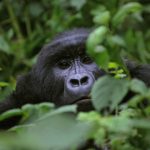
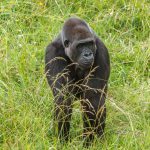
After following experienced trackers and guides through the forest, you may find yourself standing just a short distance from a family of gorillas. You could see a huge silverback resting among the vegetation, mothers caring for their young, juveniles playing or other members feeding on leaves and stems.
Watching these animals in their natural environment is very different from seeing wildlife in a zoo or enclosed setting.
You are observing a wild family going about its daily activities, with no artificial performance or staged interaction.
Visitors are allowed a maximum of one hour with the gorillas under standard trekking arrangements. During that time, you can observe their behaviour, take photographs without flash and appreciate their remarkable resemblance to humans.
For many travellers, this is the defining moment of their entire African holiday.
4. Experience an Ancient and Biodiverse Rainforest
Bwindi is not simply a place to see gorillas. It is an extraordinary natural environment with a history stretching back thousands of years.
Its dense vegetation, steep valleys, forested ridges and humid atmosphere create a distinctive trekking environment. The forest is home to numerous plant species, butterflies, birds and other wildlife.
Walking through Bwindi offers a chance to appreciate the wider ecosystem that sustains mountain gorillas.
You may encounter colourful forest birds, hear monkeys moving through the canopy and notice the different plants that form part of the gorillas’ diet.
The forest itself is part of the attraction. Even before reaching the gorillas, the journey through the vegetation can be an unforgettable experience.
5. Uganda Offers the Gorilla Habituation Experience
For travellers who want a longer encounter with mountain gorillas, Uganda offers the unique gorilla habituation experience in Bwindi’s Rushaga sector.
Unlike ordinary gorilla trekking, which visits a fully habituated gorilla family, the habituation experience involves visiting a gorilla group that is still undergoing the gradual process of becoming accustomed to human presence.
Visitors accompany researchers, trackers and experienced guides as they observe the gorillas and learn about their behaviour and habituation process.
The experience allows up to four hours with the gorillas, subject to the applicable wildlife authority guidelines and the animals’ welfare.
This is particularly attractive to wildlife enthusiasts, photographers and travellers who want to learn more about gorilla conservation and research.
The habituation experience requires a separate permit and is more expensive than standard gorilla trekking. Availability is limited, so early planning is recommended.
6. Gorilla Trekking Supports Conservation
Mountain gorillas have faced serious threats over the years, including habitat loss, human-wildlife conflict, poaching and the risk of disease transmission from humans.
Gorilla tourism has become an important part of conservation efforts in Uganda.
The revenue generated through permits helps support protected-area management, wildlife monitoring, ranger operations and other conservation activities.
Tourism also gives mountain gorillas an economic value that encourages continued protection of their natural habitat.
When visitors travel to Bwindi or Mgahinga, they contribute to an industry that helps fund the long-term conservation of these endangered primates.
Responsible tourism is particularly important because mountain gorillas are vulnerable to human respiratory infections. Visitors who are sick should not participate in trekking.
7. Your Gorilla Safari Benefits Local Communities
Another important reason to choose Uganda is the relationship between gorilla tourism and community development.
Communities living around Bwindi and Mgahinga play an important role in protecting the forests and supporting tourism.
Gorilla tourism creates employment and business opportunities for local people, including:
- Local guides and trackers.
- Gorilla trekking porters.
- Lodge employees and hospitality workers.
- Drivers and transport providers.
- Local craft makers and cultural performers.
- Food suppliers and small businesses.
Uganda Wildlife Authority also operates a revenue-sharing programme through which a portion of protected-area tourism revenue supports community development projects.
These initiatives help demonstrate that conserving wildlife can provide practical benefits to people living near national parks.
By choosing a responsible safari operator, staying at locally owned accommodation where appropriate and hiring a porter, visitors can contribute further to the local tourism economy.
8. Discover the Culture and Heritage of the Batwa People
A gorilla safari in Uganda can also provide an opportunity to learn about the history and cultural heritage of the Batwa people.
The Batwa are Indigenous forest-dwelling people whose traditional lives were closely connected to the forests of southwestern Uganda.
Before the establishment of protected areas, the forests around Bwindi and Mgahinga were central to their traditional livelihoods and cultural practices.
Today, visitors can participate in community-led cultural experiences that introduce aspects of Batwa history, traditional knowledge, music, dance, storytelling and forest-related practices.
The Batwa Trail near Mgahinga is one of the best-known experiences. It provides an opportunity to learn about the relationship between the Batwa and the forest through guided interpretation.
These experiences should be approached respectfully, recognising the Batwa as living communities with their own history and contemporary challenges rather than treating their culture as a performance.
9. Combine Gorilla Trekking with Golden Monkey Tracking
Uganda is one of the best destinations for travellers interested in seeing more than one endangered primate species during the same holiday.
Mgahinga Gorilla National Park is home to golden monkeys, striking primates recognised by their golden-orange fur and energetic behaviour.
Golden monkey tracking takes visitors into the bamboo forests of the Virunga Mountains, where the monkeys feed, move through vegetation and interact with one another.
Unlike gorilla trekking, golden monkey tracking generally involves following these active primates as they move through the forest.
A visit to Mgahinga can therefore combine mountain gorilla trekking with golden monkey tracking, giving visitors the opportunity to experience two remarkable primate encounters.
10. Explore the Virunga Volcanoes
Mgahinga Gorilla National Park is part of the spectacular Virunga volcanic mountain range.
The park contains three of the Virunga volcanoes:
These mountains offer hiking opportunities for travellers who want to add an adventurous activity to their gorilla safari.
Mount Sabyinyo is particularly famous because its summit area is associated with the meeting point of Uganda, Rwanda and the Democratic Republic of Congo.
Mount Gahinga is known for its bamboo vegetation and volcanic landscapes, while Mount Muhabura is the highest of the three within the park.
Volcano hiking requires additional time, physical preparation and appropriate guiding arrangements. It can be a rewarding extension for travellers interested in nature and outdoor adventure.
11. Uganda Offers Excellent Birdwatching Opportunities
Uganda is widely recognised as one of Africa’s most rewarding birdwatching destinations, and the forests around Bwindi and Mgahinga are important parts of its birding landscape.
Bwindi is particularly attractive to birdwatchers because it protects a rich collection of Albertine Rift species.
Some of the notable birds associated with the region include:
- African green broadbill.
- Grauer’s broadbill.
- Rwenzori turaco.
- Regal sunbird.
- Handsome francolin.
- African wood owl.
Bird sightings depend on the season, location and conditions in the forest. Visitors interested in birding should consider adding extra time and arranging a knowledgeable local bird guide.
For travellers who enjoy primates and birds, gorilla trekking can become part of a much broader wildlife holiday.
12. Uganda Offers Different Types of Gorilla Safari
One reason Uganda appeals to different categories of travellers is the flexibility of its gorilla safari experiences.
Whether you are travelling on a limited budget or looking for an exclusive luxury holiday, it is possible to plan a gorilla trekking safari around your preferred travel style.
Budget gorilla safaris
Budget trips may use comfortable, affordable lodges and guesthouses, shared or private road transport depending on the arrangement, and practical safari services.
Mid-range gorilla safaris
Mid-range trips offer a balance between comfort, location, service and cost. They are popular with travellers who want a comfortable stay close to their trekking sector without necessarily choosing the most expensive accommodation.
Luxury gorilla safaris
Luxury gorilla safaris can include premium forest lodges, private transfers, personalised guiding, excellent dining and carefully selected experiences before and after the trek.
Accommodation is available around both Bwindi and Mgahinga, although the range of properties differs between sectors.
The most important planning consideration is to select accommodation that matches your confirmed gorilla trekking sector.
13. Uganda Is a Strong Choice for Travellers Seeking Value
Uganda offers a compelling combination of gorilla trekking, wildlife, landscapes and cultural experiences.
The standard international gorilla trekking permit is USD 800 under the published 2026 tariff. This is lower than Rwanda’s standard international gorilla trekking permit, which is USD 1,500.
However, the overall cost of a gorilla safari depends on more than the permit price. Transport, accommodation, meals, park activities, the number of travel days and the route all influence the final quotation.
Uganda also allows travellers to combine gorilla trekking with several other national parks and experiences without having to leave the country.
For visitors planning a longer East African holiday, this makes Uganda an attractive destination for a varied safari.
14. Combine Gorilla Trekking with Uganda’s Wildlife Safaris
Uganda is not only a primate destination. It is also home to several outstanding savannah and wetland ecosystems.
After trekking gorillas in Bwindi or Mgahinga, visitors can continue to other national parks for classic African wildlife experiences.
Queen Elizabeth National Park
Queen Elizabeth National Park is known for elephants, buffaloes, antelopes, hippos, crocodiles and a wide variety of birdlife.
Visitors can enjoy game drives in the Kasenyi Plains, a boat cruise along the Kazinga Channel and opportunities to search for the famous tree-climbing lions in the Ishasha sector.
Murchison Falls National Park
Murchison Falls offers a different safari landscape, with open savannah, riverine forest and the powerful River Nile.
Activities include game drives, boat cruises to the base of the falls and hikes to the top of Murchison Falls.
Lake Mburo National Park
Lake Mburo is a rewarding stop for travellers interested in zebras, giraffes, impalas, elands and other wildlife.
Visitors can explore the park through game drives, boat trips, guided nature walks and horseback riding, subject to availability.
Kibale Forest National Park
Kibale is one of Uganda’s best-known destinations for chimpanzee tracking. Combining Kibale and Bwindi creates an excellent primate safari featuring two of Africa’s most remarkable great apes.
15. Track Chimpanzees and Other Primates
Uganda is an excellent destination for travellers who want to experience more than one type of primate encounter.
In addition to mountain gorillas, visitors can track chimpanzees in Kibale Forest National Park, one of Africa’s leading chimpanzee destinations.
Other primate experiences include:
- Chimpanzee tracking in Kyambura Gorge, Queen Elizabeth National Park.
- Chimpanzee tracking in Budongo Forest, Murchison Falls Conservation Area.
- Chimpanzee tracking in Kalinzu Forest.
- Golden monkey tracking in Mgahinga.
- Colobus monkey and other forest primate sightings in suitable habitats.
A combination of gorilla and chimpanzee tracking is especially popular with travellers who want to experience Uganda’s exceptional primate diversity.
16. Uganda Offers Flexible Access from Entebbe or Kigali
Uganda’s gorilla trekking destinations can be reached through different travel routes.
Travellers can begin their journey in Entebbe or use Kigali in neighbouring Rwanda, depending on their itinerary, flight arrangements and preferred trekking sector.
Starting from Entebbe
Travelling from Entebbe to Bwindi or Mgahinga by road generally requires a substantial journey. Many visitors include stops along the way or combine gorilla trekking with other Ugandan national parks.
Domestic flights to airstrips serving the southwestern region can reduce road travel time, depending on the lodge and trekking sector.
Starting from Kigali
Kigali is a convenient international gateway for travellers visiting southern Bwindi or Mgahinga. The road journey to the southwestern Uganda gorilla trekking areas can be considerably shorter than travelling from Entebbe.
Travellers using this route must plan for the appropriate border crossing, immigration formalities and vehicle arrangements.
The best route depends on your arrival airport, available permits, accommodation and other destinations included in your safari.
17. Uganda Is Ideal for Photography and Wildlife Enthusiasts
A mountain gorilla encounter offers remarkable opportunities for wildlife photography.
You may photograph a silverback displaying its impressive size, a mother carrying her infant, young gorillas playing or a family feeding in the forest.
The natural environment also creates beautiful photographic opportunities, with dense vegetation, mist, filtered sunlight and dramatic forest scenery.
However, gorilla photography requires patience and respect for wildlife regulations.
Visitors should avoid flash photography, follow the guide’s instructions and maintain the prescribed distance from the animals. Camera equipment should be protected against rain and humidity.
Photography enthusiasts may also consider the gorilla habituation experience, subject to permit availability and the applicable rules.
18. Uganda Offers a More Complete East African Safari
One of the strongest reasons to choose Uganda is the opportunity to experience several different landscapes and wildlife activities in one country.
A single Uganda holiday can include:
- Mountain gorilla trekking in Bwindi or Mgahinga.
- Chimpanzee tracking in Kibale Forest.
- Golden monkey tracking in Mgahinga.
- Big Five wildlife viewing in selected national parks.
- Boat cruises along the Kazinga Channel and River Nile.
- Birdwatching in forests, wetlands and savannah.
- Cultural experiences with local communities.
- Mountain hiking and nature walks.
- Shoebill tracking in suitable wetlands.
This variety makes Uganda an excellent destination for travellers who want more than a single wildlife encounter.
You can spend time in tropical forests, explore open savannah, visit traditional communities and enjoy scenic lakes and rivers during one carefully planned itinerary.
What Is the Best Time to Go Gorilla Trekking in Uganda?
Gorilla trekking takes place throughout the year in Bwindi Impenetrable National Park and Mgahinga Gorilla National Park.
However, many travellers prefer the relatively drier periods:
- June to September.
- December to February.
These months generally offer more favourable conditions for walking through the forest, although rainfall can occur at any time because these are tropical mountain environments.
The wetter periods, particularly March to May and October to November, can bring more challenging trail conditions. However, the forest remains beautiful, and gorilla trekking continues.
There is no guarantee that a particular season will produce an easier trek. Gorilla families move freely through the forest, and the time required to locate them varies.
Travellers should choose dates based on their wider travel plans and permit availability rather than assuming that gorillas can only be tracked during the dry season.
How Much Does Gorilla Trekking in Uganda Cost?
The cost of gorilla trekking depends primarily on your visitor category, the type of experience and the wider safari arrangements.
Under Uganda’s published 2026 tariff, the standard gorilla trekking permit for a foreign non-resident visitor costs USD 800 per person.
The published visitor categories include:
| Visitor category | Standard gorilla trekking permit |
|---|---|
| Foreign non-resident | USD 800 |
| Foreign resident | USD 700 |
| Rest of Africa | USD 500 |
| East African citizen | Check the applicable park tariff |
The tariff and visitor categories can change. Travellers should confirm the applicable rate with Uganda Wildlife Authority before making payment.
The standard permit covers the gorilla tracking activity under the applicable authority arrangements. It does not automatically cover your international flights, accommodation, road transfers, meals outside the permit arrangements, porter fees or additional safari activities.
Your total safari quotation will therefore depend on the number of days, accommodation category, transport and other experiences included.
What Happens on the Day of Gorilla Trekking?
A typical gorilla trekking day begins early in the morning.
1. Morning registration
Visitors report to the designated park headquarters for registration and verification of their permits.
2. Ranger briefing
Park rangers explain the trekking rules, safety procedures, gorilla behaviour and what to expect in the forest.
3. Allocation to a gorilla family
Visitors are assigned to a gorilla trekking group. The allocation and trekking arrangements are managed by park authorities.
4. Entering the forest
Accompanied by experienced rangers and guides, you begin walking through the forest in search of the gorillas. The trek may involve steep slopes, muddy trails, thick vegetation and uneven ground.
5. Finding the gorillas
Trackers who have been monitoring the gorillas help guide the trekking team towards the family’s location.
6. One hour with the gorillas
Once the gorillas are located, visitors are allowed a maximum of one hour to observe and photograph them under the established guidelines.
7. Returning to the starting point
After the encounter, you follow the guides back through the forest. The duration of the entire trek depends on the location of the gorilla family and the terrain.
How Difficult Is Gorilla Trekking in Uganda?
Gorilla trekking requires a reasonable level of physical fitness because the forests are mountainous and the trails can be challenging.
The experience may involve:
- Walking uphill and downhill.
- Navigating muddy and slippery paths.
- Moving through thick vegetation.
- Crossing uneven forest ground.
- Spending several hours walking and standing.
Some treks are relatively short, while others can take several hours. Uganda Wildlife Authority describes trekking durations of approximately two to seven hours, although actual experiences vary.
Visitors should prepare by walking regularly before travelling and bringing suitable hiking boots, long trousers, gloves and rain protection.
Travellers concerned about their mobility should discuss their needs with their tour operator and Uganda Wildlife Authority before booking. Porters can assist with carrying bags, while additional arrangements may be possible for visitors who need help accessing the forest.
Gorilla Trekking Rules and Regulations in Uganda
Gorilla trekking is strictly regulated to protect both visitors and the animals.
Important rules include:
- The minimum age for gorilla trekking is 15 years.
- A maximum of eight visitors are allocated to a habituated gorilla family for standard trekking.
- Visitors are allowed a maximum of one hour with the gorillas.
- Maintain the distance instructed by park authorities and your ranger.
- Do not participate if you have a cold, flu or another contagious illness.
- Do not use flash photography.
- Avoid loud noises, sudden movements and unnecessary gestures.
- Do not eat, drink or smoke near the gorillas.
- Never touch or feed a gorilla.
- Follow the instructions of the ranger throughout the trek.
- Do not leave litter in the forest.
These regulations help reduce disturbance and minimise the risk of transmitting human diseases to mountain gorillas.
What Should You Pack for Gorilla Trekking?
Preparing the right equipment makes the experience more comfortable.
We recommend packing:
- Sturdy waterproof hiking boots.
- Long-sleeved shirts and long trousers.
- Waterproof jacket or rain poncho.
- Gardening or trekking gloves for handling vegetation.
- A small backpack.
- Drinking water.
- Energy snacks to eat outside the gorilla viewing period.
- Insect repellent.
- Sunscreen.
- A camera with spare batteries.
- Waterproof protection for electronic equipment.
- Walking poles, if required.
A porter can help carry your backpack and provide assistance on difficult sections of the trail. Hiring a porter also supports local employment.
Uganda vs Rwanda: Which Country Should You Choose for Gorilla Trekking?
Uganda and Rwanda are both excellent destinations for mountain gorilla trekking. The best choice depends on your budget, travel dates, preferred trekking environment and wider safari plans.
| Feature | Uganda | Rwanda |
|---|---|---|
| Gorilla trekking parks | Bwindi and Mgahinga | Volcanoes National Park |
| Standard international permit | USD 800 | USD 1,500 |
| Trekking environment | Ancient rainforest and volcanic forest | Virunga volcanic forest |
| Gorilla habituation experience | Available in Bwindi | Not offered as the same standard visitor experience |
| Other primate experiences | Chimpanzees and golden monkeys | Golden monkeys and other primate experiences |
| Wider safari options | Several savannah parks, forests and wetlands | Volcanoes, Nyungwe and Akagera |
| Access | Entebbe or Kigali routes | Kigali |
Uganda is often attractive to travellers seeking a longer and more varied safari, with opportunities to combine gorilla trekking, chimpanzee tracking and classic wildlife experiences.
Rwanda may be especially convenient for visitors with limited time who want to travel from Kigali to Volcanoes National Park for a gorilla trek.
Neither destination is automatically better for every traveller. The right choice depends on the experience you want and how much time you have available.
Frequently Asked Questions About Gorilla Trekking in Uganda
1. Where can I go gorilla trekking in Uganda?
Gorilla trekking takes place in Bwindi Impenetrable National Park and Mgahinga Gorilla National Park in southwestern Uganda.
2. How much is a gorilla trekking permit in Uganda?
Under the published 2026 tariff, a standard permit for a foreign non-resident costs USD 800 per person. Other visitor categories have different rates.
3. How many days do I need for gorilla trekking in Uganda?
A short gorilla trekking safari can be arranged over two to three days, depending on your starting point and transport arrangements. A longer safari allows you to combine gorilla trekking with other national parks and activities.
4. How long does gorilla trekking take?
The trek can take a few hours or most of the day, depending on where the gorillas are located. Uganda Wildlife Authority gives an approximate trekking duration of two to seven hours.
5. How long can I stay with the gorillas?
Visitors are allowed a maximum of one hour with a habituated gorilla family during standard trekking.
6. What is the minimum age for gorilla trekking in Uganda?
The minimum age is 15 years.
7. Is gorilla trekking safe in Uganda?
Gorilla trekking is conducted under the supervision of trained park rangers and guides. Visitors must follow all instructions and maintain the required distance from the gorillas.
8. Can I see gorillas in Uganda throughout the year?
Yes. Gorilla trekking operates throughout the year, although weather conditions can affect trail difficulty.
9. Can I combine gorilla trekking with chimpanzee tracking?
Yes. Many travellers combine Bwindi or Mgahinga with Kibale Forest National Park, Kyambura Gorge, Budongo Forest or Kalinzu Forest.
10. Is Uganda better than Rwanda for gorilla trekking?
Uganda offers two gorilla trekking parks, a lower standard international permit price and opportunities for longer wildlife and primate safaris. Rwanda offers convenient access from Kigali to Volcanoes National Park. The best destination depends on your travel priorities.
11. Can I do gorilla trekking from Kigali?
Yes. Travellers can cross from Rwanda into southwestern Uganda and trek in suitable sectors of Bwindi or in Mgahinga, subject to permit availability and border arrangements.
12. Do I need to book a gorilla permit in advance?
Yes. Gorilla permits are limited and demand can be high, particularly during popular travel periods. It is advisable to secure your permit before finalising accommodation and transport arrangements.
Plan Your Uganda Gorilla Trekking Safari with Epic Uganda Vacation
Gorilla trekking in Uganda is more than an opportunity to see one of the world’s most remarkable primates. It is a journey into ancient forests, a chance to learn about conservation and an opportunity to experience the landscapes and communities of southwestern Uganda.
At Epic Uganda Vacation, we organise tailored Uganda gorilla trekking safaris for travellers seeking budget, mid-range and luxury experiences.
We can help you choose between Bwindi Impenetrable National Park and Mgahinga Gorilla National Park, secure available gorilla permits, select accommodation near your trekking sector and arrange private transport with an experienced safari guide.
Whether you want a short gorilla trekking trip from Kigali, a longer Uganda primate safari or a combined wildlife adventure covering several national parks, we can design an itinerary around your travel dates, interests and budget.
Thinking of an East Africa trip? Look no further.
Contact Epic Uganda Vacation to start planning your Uganda gorilla trekking adventure.