Bwindi Impenetrable National Park: Gorilla Trekking Sectors, Permits and Travel Guide
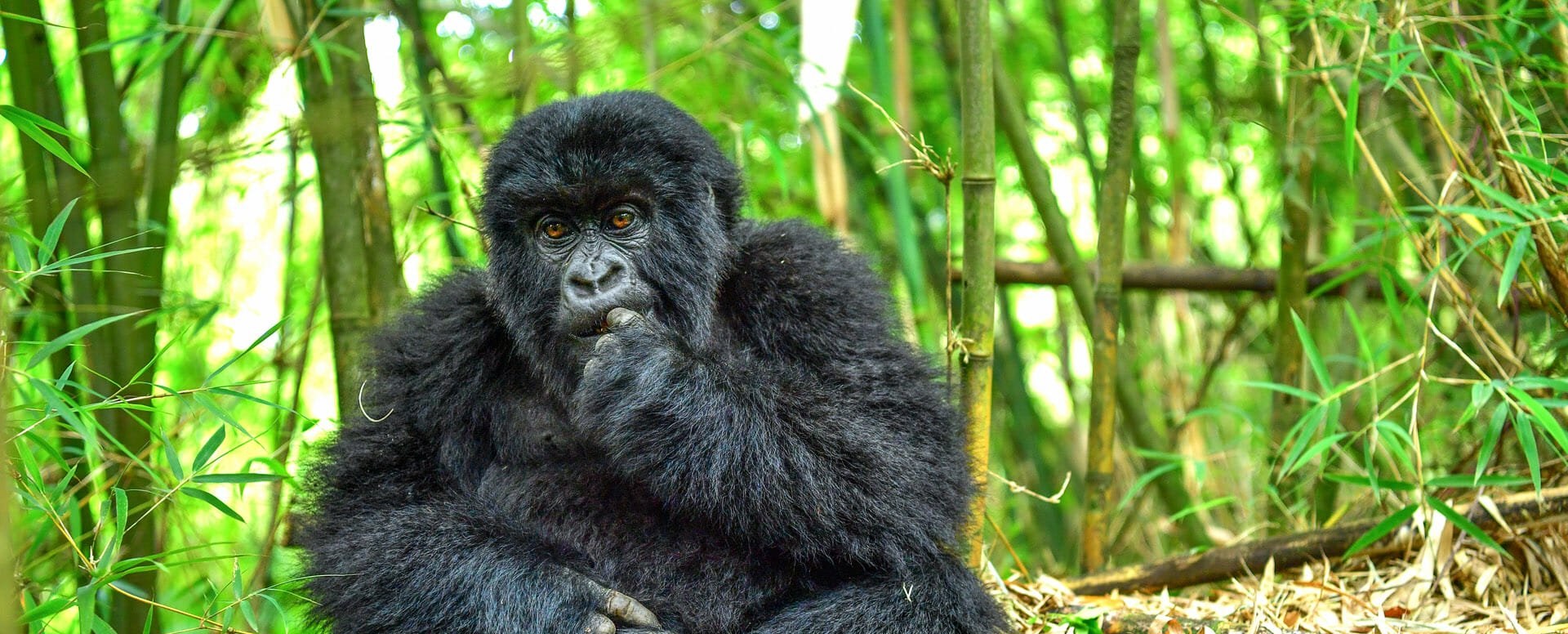
Bwindi Impenetrable National Park is one of Uganda’s most remarkable wildlife destinations, famous for its endangered mountain gorillas, ancient rainforest and exceptional biodiversity. Located in southwestern Uganda, this UNESCO World Heritage Site attracts travelers from around the world who want to experience gorilla trekking in the heart of an African rainforest.
The park is divided into four main gorilla trekking sectors: Buhoma, Ruhija, Rushaga and Nkuringo. Each sector has its own trekking starting point, accommodation options, terrain and gorilla groups. Choosing the right sector is an important part of planning a successful Uganda gorilla safari.
Whether you are looking for a classic gorilla trekking experience, a longer Gorilla Habituation Experience, birdwatching or a multi-day wildlife adventure, Bwindi offers an opportunity to explore one of East Africa’s most important conservation areas.
Epic Uganda Vacation helps travelers plan tailor-made Bwindi gorilla trekking safaris, including permit arrangements, accommodation, transport and itineraries combining gorillas with other destinations in Uganda.
Where Is Bwindi Impenetrable National Park?
Bwindi Impenetrable National Park lies in southwestern Uganda, across parts of the districts of Kanungu, Rubanda and Kisoro. The park covers approximately 32,092 hectares and protects a diverse forest ecosystem in the Albertine Rift region.
Bwindi became a UNESCO World Heritage Site in 1994 in recognition of its exceptional biodiversity. It is home to mountain gorillas and numerous other species, including forest birds, butterflies, primates and forest elephants. The park is particularly important for the conservation of mountain gorillas and supports a substantial proportion of the world’s population.
Bwindi’s dense vegetation, steep hills and deep valleys create a challenging but rewarding environment for trekking. Unlike a conventional savannah safari, where wildlife is often observed from a vehicle, gorilla trekking requires visitors to walk through the forest with trained guides and trackers.
The Four Gorilla Trekking Sectors in Bwindi
Bwindi has four principal gorilla trekking sectors: Buhoma, Ruhija, Rushaga and Nkuringo. When booking a gorilla permit, visitors need to pay attention to the assigned sector because accommodation and transport arrangements should be planned around the designated briefing point.
1. Buhoma Gorilla Trekking Sector
Buhoma is located in the northern part of Bwindi and is one of the park’s best-known gorilla trekking areas. It has a long history of gorilla tourism and offers a range of accommodation options, from budget guesthouses to comfortable and luxury lodges.
Gorilla families in Buhoma
Gorilla groups associated with Buhoma have included Mubare, Habinyanja and Rushegura. However, gorilla group membership, movements and operational arrangements can change, so travelers should not assume that every group will be available on a particular date.
What to expect in Buhoma
Gorilla trekking begins with a morning briefing by park personnel. Visitors are assigned to a group and accompanied by guides and trackers into the forest.
The walk may involve uneven ground, muddy trails, steep slopes and thick vegetation. Once the gorillas are located, visitors on a standard trek generally have up to one hour to observe them, subject to the rules in force.
Buhoma is also a good base for travelers interested in guided forest walks, birdwatching and community experiences. These activities can add variety to a gorilla safari and provide insight into the relationship between local communities and the surrounding forest.
Best for: Travelers seeking classic gorilla trekking, a range of accommodation options and additional activities around northern Bwindi.
2. Ruhija Gorilla Trekking Sector
Ruhija lies in the eastern part of Bwindi and is known for its forested hills, cool highland atmosphere and opportunities for birdwatching. It is an important option for visitors who want to combine mountain gorilla trekking with the search for Albertine Rift bird species.
Gorilla families in Ruhija
Gorilla groups associated with Ruhija have included Bitukura and Oruzogo, among others. The groups available for trekking and their membership can change over time. Confirm the designated sector and current arrangements when reserving your permit.
What to expect in Ruhija
Trekking in Ruhija can involve steep slopes and forest trails. The time required to locate the gorillas varies according to their movements, weather and terrain.
Birdwatchers may find Ruhija particularly rewarding because Bwindi supports a rich variety of forest birds, including species associated with the Albertine Rift. Visitors can discuss additional birdwatching activities with their tour operator when planning the itinerary.
Ruhija can also be incorporated into a longer Uganda safari, although the best route depends on your arrival airport, permit location and other destinations you wish to visit.
Best for: Birdwatchers, nature enthusiasts and travelers interested in combining gorilla trekking with the wider biodiversity of Bwindi.
3. Rushaga Gorilla Trekking Sector
Rushaga is located in southern Bwindi and is particularly well known for its selection of gorilla trekking groups and its association with Uganda’s Gorilla Habituation Experience.
The sector is an important choice for travelers who want a standard gorilla trek or a longer encounter focused on observing a gorilla family that is still undergoing habituation.
Read our detailed guide to the Rushaga Gorilla Sector.
Gorilla families in Rushaga
Gorilla groups associated with Rushaga have included Nshongi, Bweza, Kahungye and Busingye, among others. Names, group membership and operational arrangements can change, so current details should be confirmed before travel.
Gorilla Habituation Experience in Rushaga
The Gorilla Habituation Experience allows visitors to accompany the authorized habituation team and spend up to four hours observing a gorilla family undergoing habituation, subject to current regulations.
Unlike standard gorilla trekking, which generally allows up to one hour with a habituated family, the habituation experience offers more time to learn about gorilla behavior and the work involved in gradually familiarizing the animals with human presence.
Habituation permits are limited and require separate arrangements from standard trekking permits. Availability, the designated sector and current prices should be checked before booking.
Learn more in our guide to the Gorilla Habituation Experience in Uganda.
Best for: Travelers interested in a choice of trekking groups or the longer Gorilla Habituation Experience.
4. Nkuringo Gorilla Trekking Sector
Nkuringo is situated in southwestern Bwindi and is known for its mountainous terrain and panoramic views across the surrounding highlands. It is an attractive choice for travelers who enjoy scenic landscapes and are prepared for potentially strenuous forest hikes.
Gorilla families in Nkuringo
Gorilla groups associated with the sector have included Nkuringo and Bushaho. Gorilla group composition and trekking arrangements can change, so confirm current information with your operator rather than planning around a particular family name.
What to expect in Nkuringo
Trekking in Nkuringo may involve steep ascents and descents, uneven paths and muddy conditions. The difficulty and duration depend on where the gorillas are located on the day of the trek.
The surrounding landscape also makes Nkuringo appealing for photography and nature experiences. Depending on your itinerary, it can be combined with other parts of Bwindi or with destinations in southwestern Uganda.
Because the terrain can be demanding, travelers should discuss their fitness level and any mobility concerns with their tour operator before booking.
Best for: Active travelers, scenic landscapes and visitors comfortable with challenging hiking conditions.
Which Bwindi Gorilla Trekking Sector Should You Choose?
There is no single best sector for every traveler. Your choice should depend on permit availability, the type of experience you want, your accommodation preferences and the overall route of your safari.
| Sector | Main appeal | What to consider |
|---|---|---|
| Buhoma | Established trekking area, varied accommodation and additional activities | Select accommodation close to the correct briefing point |
| Ruhija | Forest scenery and birdwatching opportunities | Useful for travelers interested in broader biodiversity |
| Rushaga | Standard gorilla trekking and habituation experience | Confirm which permit type and sector are available |
| Nkuringo | Mountain scenery and challenging hikes | Be prepared for steep terrain and potentially strenuous walking |
A permit for one sector should not be treated as interchangeable with a permit for another. If you have a fixed date, confirm availability before finalizing accommodation and transport.
Gorilla Trekking Permits in Bwindi
A gorilla trekking permit is required to participate in an authorized mountain gorilla trek in Bwindi. Permits are managed under Uganda Wildlife Authority procedures, and availability is limited to help regulate visitor numbers and protect the gorillas.
The price depends on the permit type, visitor category and applicable tariff period.
Standard gorilla trekking and the Gorilla Habituation Experience have different permit fees. The US$800 standard trekking rate and US$1,500 habituation rate appeared in Uganda’s July 2024–June 2026/2027 tariff for international foreign non-residents. Since that tariff period has ended, travelers planning trips from July 2026 onward should confirm the current rate rather than rely on those historical figures.
How far in advance should you book?
For most travelers, booking several months in advance is sensible. Consider planning six to twelve months ahead if you have fixed travel dates, want a preferred lodge or intend to visit during a popular travel period.
Habituation permits are particularly limited, so early planning is recommended. Last-minute permits may sometimes be available, but this is not guaranteed.
For more guidance, read our article on how far in advance to book a gorilla permit.
What does a gorilla permit cover?
A permit authorizes participation in the specified gorilla trekking activity under the applicable conditions. It should not automatically be assumed to include accommodation, meals, transfers, porter services or other safari activities.
Ask for an itemized quotation that clearly explains what is included in your package.
Best Time to Visit Bwindi Impenetrable National Park
Gorilla trekking takes place throughout the year, subject to permit availability and park operations. Weather conditions can affect the difficulty of the hike, so the best time depends on your preferences.
June to August
These months are generally part of one of Uganda’s relatively drier periods and are popular for gorilla trekking. Trails may still be wet, and permits and preferred accommodation should be arranged early.
December to February
Another relatively drier period, these months can work well for travelers combining gorilla trekking with a wider Uganda safari. Holiday dates may be busy, so advance planning is useful.
March to May and September to November
These periods commonly receive more rainfall, although conditions vary. The forest can be wet and muddy, and waterproof clothing and hiking boots are particularly important.
Gorillas live in a rainforest environment, so rain is possible in any month. Choose dates based on permit availability and your overall travel plans rather than assuming that any season guarantees dry trekking conditions.
How Difficult Is Gorilla Trekking in Bwindi?
Gorilla trekking can be physically demanding. Bwindi’s steep hills, dense vegetation and uneven trails mean that the trek may involve climbing, descending and walking on muddy ground.
The duration is not fixed because gorillas move freely through the forest. Some treks take less time than others, and a short walk cannot be guaranteed.
To prepare for the trek:
- Build up your walking fitness before traveling.
- Wear sturdy hiking boots with good grip.
- Bring a waterproof jacket and long trousers.
- Carry drinking water and the food recommended by your operator.
- Consider hiring a porter if available.
- Inform your operator in advance about mobility limitations or other needs.
Visitors should follow all instructions given by the park team. Standard gorilla trekking generally allows up to one hour with the gorillas after they are located, while the habituation experience allows up to four hours under the applicable rules.
Rules and Regulations for Gorilla Trekking
Gorilla trekking is carefully managed to protect both visitors and the gorillas. Follow the instructions of your guides and park authorities throughout the experience.
Important rules include:
- Maintain the distance instructed by the park team.
- Do not touch, feed or attempt to attract the gorillas.
- Do not trek if you are unwell; inform your operator and park personnel if you have symptoms of an infectious illness.
- Keep your voice low and avoid sudden movements.
- Do not use flash photography.
- Remain with your assigned group and follow the guide’s instructions.
- Respect the permitted viewing time.
- Do not litter or damage the forest.
- Confirm the current minimum age requirement before booking; Uganda generally requires gorilla trekking participants to be at least 15 years old.
These measures help reduce stress on gorillas and lower the risk of disease transmission.
Other Activities in Bwindi Impenetrable National Park
Although mountain gorillas are the main attraction, Bwindi offers other nature and cultural experiences that can enrich your safari.
Birdwatching
Bwindi is one of Uganda’s important forest birding destinations, with many species associated with the Albertine Rift. Birdwatchers can arrange guided walks to search for forest specialists and endemic species.
Guided forest walks
Depending on the area and available activities, guided walks offer opportunities to learn about the forest’s plants, birds, butterflies and other wildlife.
Community and cultural experiences
Visitors can arrange community-based experiences around the park to learn about local traditions, livelihoods and conservation initiatives. Choose responsible experiences that respect the people involved and provide clear benefits to local communities.
Combine Bwindi with other Uganda safari destinations
Bwindi can be part of a longer itinerary that includes:
- Queen Elizabeth National Park: Game drives, savannah wildlife and boat trips along the Kazinga Channel.
- Kibale National Park: Chimpanzee trekking and forest experiences.
- Lake Mburo National Park: Wildlife viewing, birdwatching and walking safaris.
- Mgahinga Gorilla National Park: Golden monkey trekking and volcanic landscapes.
- Murchison Falls National Park: Game drives, Nile boat trips and views of the powerful Murchison Falls.
Your route should be planned around the location of your gorilla permit, the time available and your arrival and departure airports.
Where to Stay in Bwindi
Accommodation options around Bwindi range from budget guesthouses to mid-range lodges and luxury safari properties. The most important consideration is the location of your chosen lodge relative to the designated trekking sector.
Before booking, check:
- Distance to the briefing point.
- Road access and transfer time.
- Availability of early breakfast or packed meals.
- Room facilities and meal arrangements.
- Dietary requirements and accessibility needs.
- Whether the property suits your budget and preferred comfort level.
Buhoma, Ruhija, Rushaga and Nkuringo are different areas, and driving between them can take considerable time on mountain roads. Confirm the sector on your permit before selecting accommodation.
How to Get to Bwindi Impenetrable National Park
From Entebbe or Kampala
Travelers can reach Bwindi by road from Entebbe or Kampala, usually as part of a multi-day safari. The drive is long, and many itineraries include an overnight stop or additional wildlife destinations along the way.
From Kigali, Rwanda
Bwindi can also be reached by road from Kigali through an authorized Uganda–Rwanda border crossing. This route can be convenient for visitors who want to begin their trip in Rwanda and trek gorillas in Uganda.
Check entry requirements, border procedures, vehicle arrangements and your permit location before travel. Allow sufficient time for the journey and border formalities.
By domestic flight
Depending on the season and available flight schedules, travelers may be able to use domestic or charter flights to airstrips serving the wider Bwindi region. Transfers from the airstrip to the lodge are still required. Confirm flight availability, luggage restrictions and the appropriate airstrip for your trekking sector before booking.
Frequently Asked Questions About Bwindi Impenetrable National Park
What is Bwindi Impenetrable National Park famous for?
Bwindi is best known for mountain gorilla trekking, but it is also a biodiversity hotspot with diverse forest birds, butterflies, primates and plant species. It became a UNESCO World Heritage Site in 1994.
How many gorilla trekking sectors are in Bwindi?
Bwindi has four main gorilla trekking sectors: Buhoma, Ruhija, Rushaga and Nkuringo.
Which sector is best for gorilla trekking?
The best sector depends on permit availability, accommodation, the route of your safari and whether you want standard trekking or the Gorilla Habituation Experience. Rushaga is particularly associated with the habituation experience.
How much does a Bwindi gorilla permit cost?
The price depends on the permit type, visitor category and current tariff. Confirm the applicable rate for your travel date with the Uganda Wildlife Authority or an authorized operator.
Can I do gorilla habituation in Bwindi?
Yes. Uganda’s Gorilla Habituation Experience takes place in Bwindi, subject to current operations and permit availability. It allows up to four hours with a designated gorilla family under the applicable rules.
How long do I spend with the gorillas?
Standard gorilla trekking generally allows up to one hour after the gorillas are located. The habituation experience allows up to four hours, subject to current regulations.
Is gorilla trekking difficult?
It can be strenuous because Bwindi has steep slopes, dense vegetation and uneven forest trails. The duration depends on the movements of the gorillas and the terrain.
How many days should I spend in Bwindi?
Many travelers plan at least two nights in the area to allow for arrival, trekking and onward travel. A longer stay can provide flexibility or make it easier to combine gorilla trekking with other activities.
Plan Your Bwindi Gorilla Trekking Safari with Epic Uganda Vacation
Bwindi Impenetrable National Park offers a remarkable opportunity to encounter endangered mountain gorillas while exploring one of Africa’s richest forest ecosystems. From the established trekking area of Buhoma to bird-rich Ruhija, habituation experiences in Rushaga and the scenic highlands of Nkuringo, each sector offers a different setting for your adventure.
Epic Uganda Vacation can help arrange gorilla permits, accommodation, private transport and a tailor-made itinerary suited to your interests, travel dates and budget.
Whether you are planning a short gorilla trekking trip from Kigali or a longer Uganda safari combining gorillas, chimpanzees, birds and savannah wildlife, we can help you organize the journey.
Visit Epic Uganda Vacation to discuss your travel dates and request a personalized safari proposal.