Why Go Gorilla Trekking in Rwanda? 15 Reasons to Visit Volcanoes National Park
Gorilla trekking in Rwanda is one of Africa’s most remarkable wildlife experiences. Deep in the mist-covered forests and bamboo-covered slopes of the Virunga Mountains, visitors have the rare opportunity to encounter endangered mountain gorillas in their natural habitat.
Located in northwestern Rwanda, Volcanoes National Park is the country’s only destination for mountain gorilla trekking. The park protects part of the Virunga Mountain range, a chain of volcanic mountains shared by Rwanda, Uganda and the Democratic Republic of Congo.
Rwanda has become one of the world’s leading mountain gorilla destinations, attracting wildlife enthusiasts, photographers, conservation supporters and travellers seeking meaningful encounters with nature.
But why should you choose Rwanda for gorilla trekking? What makes Volcanoes National Park different from other gorilla destinations? Is Rwanda suitable for a short gorilla safari, and what else can you experience around the park?
Whether you are planning a luxury African safari, a short wildlife holiday or a longer East African adventure, this guide explores the reasons why gorilla trekking in Rwanda deserves a place on your travel itinerary.
1. Experience Mountain Gorillas in Their Natural Habitat
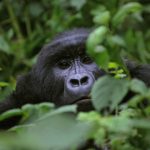
The biggest reason to go gorilla trekking in Rwanda is the opportunity to encounter mountain gorillas in the wild.
Mountain gorillas are among the world’s most fascinating primates. They live in close-knit family groups led by dominant silverback males and spend much of their time feeding, resting, grooming and interacting with other members of their families.
Unlike visiting gorillas in a zoo or wildlife sanctuary, trekking in Volcanoes National Park allows visitors to observe these magnificent animals in their natural forest environment.
During the trek, experienced guides and trackers lead visitors through the forest in search of an assigned habituated gorilla family.
Once the gorillas are located, visitors are allowed a maximum of one hour with the family.
During this time, you may observe:
- A silverback keeping watch over the family.
- Mothers carrying and caring for their infants.
- Young gorillas playing and climbing trees.
- Juveniles wrestling and chasing one another.
- Adult females feeding on leaves, stems and shoots.
- Gorillas grooming and interacting socially.
- Family members resting in the forest.
Every encounter is different because gorillas are wild animals with their own daily routines and personalities.
Watching a young gorilla play while its mother feeds nearby or seeing a powerful silverback calmly observe its surroundings can become one of the most memorable moments of an African safari.
2. Visit Volcanoes National Park, Rwanda’s Famous Gorilla Destination
Volcanoes National Park is one of Africa’s most celebrated wildlife destinations.
Located in Rwanda’s Northern Province, near the town of Musanze, the park protects approximately 160 square kilometres of montane forest, bamboo vegetation, grassland and volcanic landscapes.
It forms part of the Virunga Conservation Area, which extends across Rwanda, Uganda and the Democratic Republic of Congo.
The park is famous for protecting endangered mountain gorillas and is internationally recognised for its contribution to primate conservation.
However, mountain gorillas are not its only attraction.
Volcanoes National Park is also home to:
- Golden monkeys.
- Forest elephants.
- Buffaloes.
- Various forest-dwelling mammals.
- Numerous bird species.
- Unique montane vegetation.
The park’s dramatic landscape is dominated by volcanic mountains, including Karisimbi, Bisoke, Muhabura, Gahinga and Sabyinyo.
These mountains create an extraordinary setting for gorilla trekking, combining dense forests, misty slopes and spectacular views.
3. Rwanda Offers Convenient Access to Mountain Gorilla Trekking
One of Rwanda’s biggest advantages is the relatively short road journey between Kigali International Airport and Volcanoes National Park.
After arriving at Kigali International Airport, travellers can drive towards Musanze and the park headquarters at Kinigi.
The journey generally takes approximately 2.5 to 3 hours, depending on traffic, weather and road conditions.
This accessibility makes Rwanda particularly attractive for travellers who have limited time but still want to experience mountain gorilla trekking.
For example, visitors can:
- Arrive in Kigali and spend the night in the city.
- Travel to Musanze the following morning or afternoon.
- Stay near Volcanoes National Park.
- Complete the gorilla trek the next day.
- Return to Kigali or continue to another destination.
This makes a Rwanda gorilla safari suitable for short holidays, business travellers extending their stay and visitors combining gorilla trekking with other African destinations.
Compared with longer journeys to some other gorilla trekking locations, the Kigali–Volcanoes National Park route is a major convenience.
4. Observe Habituated Gorilla Families
Gorilla trekking in Rwanda focuses on habituated mountain gorilla families.
Habituation is a gradual process through which wild gorillas become accustomed to the presence of humans under controlled conditions.
This process is important because it allows researchers, conservationists and authorised visitors to observe gorillas without causing unnecessary disturbance.
In Volcanoes National Park, several habituated gorilla families are available for tourism.
Each family has its own social structure, history and behaviour.
Some families have dominant silverbacks, mothers with young infants and playful juveniles, while others may consist of different numbers of adult males and females.
Visitors are assigned a gorilla family through the park’s trekking arrangements.
The family you visit depends on permit allocation, conservation considerations and the daily tracking situation.
Seeing a gorilla family in the forest provides a rare opportunity to understand their social relationships and behaviour.
5. Support Mountain Gorilla Conservation
Gorilla trekking is not only a wildlife adventure. It is also an important conservation activity.
Mountain gorillas were once considered among the world’s most threatened great apes because of habitat loss, poaching, human-wildlife conflict and disease transmission.
Their survival has depended on decades of conservation work involving governments, conservation organisations, researchers, park rangers and local communities.
Rwanda has developed a conservation model in which controlled tourism contributes to protecting mountain gorilla habitats.
Permit revenue helps support park management, monitoring, research, veterinary interventions and conservation programmes.
Tourism also creates economic opportunities for people living around protected areas.
By purchasing a gorilla trekking permit and visiting Volcanoes National Park responsibly, travellers participate in a tourism system that helps make gorilla conservation economically valuable.
This is one reason gorilla trekking in Rwanda is more than simply an opportunity to take photographs of wildlife.
It connects visitors to a wider effort to protect one of the world’s most remarkable endangered primates.
6. Contribute to Local Community Development
Communities living around Volcanoes National Park play an important role in mountain gorilla conservation.
In the past, conservation efforts faced challenges associated with poverty, land pressure and competition between people and wildlife.
Today, community involvement is an important part of Rwanda’s conservation approach.
Tourism creates employment opportunities for:
- Local guides.
- Porters.
- Drivers.
- Accommodation workers.
- Restaurant staff.
- Cultural performers.
- Local craft producers.
- Community tourism organisations.
Rwanda also operates a tourism revenue-sharing programme through which a portion of tourism revenue supports community projects around protected areas.
These initiatives help fund infrastructure and social development projects while encouraging communities to participate in wildlife protection.
When you go gorilla trekking in Rwanda, your visit contributes to an economic system that connects conservation with local livelihoods.
7. Enjoy Rwanda’s Beautiful Volcanic Landscapes
Volcanoes National Park offers more than gorilla encounters.
Its landscape is among the most beautiful in East Africa.
The park lies within the Virunga Mountains, a chain of extinct and active volcanoes that form part of the Albertine Rift.
The mountains are characterised by bamboo forests, montane vegetation, open grassland, volcanic slopes and mist-covered peaks.
The most famous volcanoes in the region include:
Mount Karisimbi
Karisimbi is the highest volcano in the Virunga range, reaching approximately 4,507 metres above sea level.
Its name is associated with the white snow-like appearance sometimes created by clouds and mist around its summit.
Hiking Mount Karisimbi is a challenging two-day adventure for visitors interested in mountain climbing.
Mount Bisoke
Mount Bisoke stands at approximately 3,711 metres and is famous for its crater lake near the summit.
It is one of the most popular volcano hiking destinations in Volcanoes National Park.
Mount Muhabura
Muhabura reaches approximately 4,127 metres and is located along the Rwanda-Uganda border.
It is recognised by its distinctive volcanic cone and offers a challenging hiking experience.
Mount Gahinga
Gahinga is one of the smaller Virunga volcanoes and is shared by Rwanda and Uganda.
The mountain is surrounded by bamboo vegetation, which is also an important habitat for golden monkeys.
Mount Sabyinyo
Sabyinyo reaches approximately 3,669 metres and is known for its rugged, eroded summit.
The mountain is shared by Rwanda, Uganda and the Democratic Republic of Congo.
These volcanic landscapes make Rwanda gorilla trekking particularly attractive to visitors who enjoy hiking, photography and nature exploration.
8. Combine Gorilla Trekking with Golden Monkey Tracking
Another reason to choose Rwanda is the opportunity to combine mountain gorilla trekking with golden monkey tracking.
Golden monkeys are endangered primates found in the Virunga region.
They are particularly associated with bamboo forests, where they feed on bamboo shoots, leaves, fruits and other vegetation.
Volcanoes National Park protects an important population of golden monkeys.
Unlike mountain gorillas, golden monkeys are highly active and often move through bamboo vegetation in large groups.
Watching them jump between bamboo stems, feed and interact with one another offers a different primate experience.
Golden monkey tracking is generally less demanding than gorilla trekking, although visitors should still expect walking through uneven forest terrain.
Combining both experiences allows travellers to encounter two of the region’s most remarkable primates during the same safari.
9. Discover the History of Dian Fossey and Mountain Gorilla Research
Rwanda has a special place in the history of mountain gorilla research because of the work of American primatologist Dian Fossey.
Fossey arrived in the Virunga region in 1967 and established the Karisoke Research Center between Mount Karisimbi and Mount Bisoke.
Her research focused on the behaviour, social structure and conservation of mountain gorillas.
She became internationally recognised for her dedication to protecting gorillas from poaching and other threats.
Her work helped increase global awareness of the dangers facing mountain gorillas.
Fossey was murdered in 1985, but her contribution to gorilla research and conservation continues to influence modern conservation efforts.
Visitors to Volcanoes National Park can hike to the Dian Fossey Tomb and former Karisoke Research Center.
The hike offers an opportunity to learn about her work, the history of gorilla research and the challenges associated with protecting mountain gorillas.
For travellers interested in conservation history, this is an important activity to combine with gorilla trekking.
10. Experience Rwanda’s Conservation Success Story
Rwanda’s mountain gorilla conservation programme is frequently recognised as an important example of successful wildlife protection.
Mountain gorilla numbers have increased over recent decades through coordinated conservation efforts.
The global mountain gorilla population is shared between the Virunga Massif, which includes Rwanda, Uganda and the Democratic Republic of Congo, and Bwindi-Sarambwe in Uganda and the Democratic Republic of Congo.
In 2018, the International Union for Conservation of Nature (IUCN) changed the mountain gorilla’s conservation status from Critically Endangered to Endangered.
This was an important milestone reflecting population recovery.
However, mountain gorillas remain threatened and require continued protection.
Conservation challenges include:
- Habitat pressure.
- Human-wildlife conflict.
- Disease transmission.
- Illegal activities.
- Climate and environmental changes.
Gorilla trekking provides a financial incentive for protecting their natural habitat while creating awareness among international visitors.
Seeing mountain gorillas in Rwanda therefore allows travellers to witness an important conservation story firsthand.
11. Enjoy a Premium Gorilla Safari Experience
Rwanda has positioned itself as a premium African tourism destination, particularly in the gorilla trekking market.
The country offers high-quality accommodation, professional guiding services, well-developed tourism infrastructure and access to Volcanoes National Park.
Around Musanze and Kinigi, visitors can choose from different accommodation categories, including luxury lodges, mid-range hotels and more affordable guesthouses.
Some properties offer views of the Virunga Mountains, private gardens, spa facilities, fine dining and personalised safari services.
Examples of accommodation options include:
- Bisate Lodge.
- Singita Kwitonda Lodge.
- One&Only Gorilla’s Nest.
- Virunga Lodge.
- Five Volcanoes Boutique Hotel.
- Mountain Gorilla View Lodge.
These properties offer different levels of comfort and service, allowing visitors to select accommodation according to their budget and travel preferences.
For travellers seeking a high-end African wildlife holiday, Rwanda provides an excellent setting for a luxury gorilla safari.
However, a luxury experience is not compulsory. Travellers can also organise comfortable mid-range and budget-conscious arrangements around Musanze.
12. Rwanda Is Ideal for Short Gorilla Trekking Holidays
Not every traveller has two weeks available for an African safari.
Some visitors have only three or four days, making Rwanda an attractive option because of its relatively compact travel distances.
A short Rwanda gorilla safari can include:
- Arrival at Kigali International Airport.
- A Kigali city excursion.
- Road transfer to Musanze.
- Overnight accommodation near Volcanoes National Park.
- Mountain gorilla trekking.
- Return to Kigali or onward travel.
A longer itinerary can include golden monkey tracking, a Dian Fossey hike, cultural visits and Lake Kivu.
This flexibility makes Rwanda suitable for travellers who want a focused gorilla trekking experience without committing to a lengthy safari.
13. Combine Gorilla Trekking with Rwanda’s Other National Parks
Rwanda has several protected areas that can be combined with a gorilla trekking safari.
This gives travellers the opportunity to experience different ecosystems, wildlife and landscapes within one country.
Akagera National Park
Akagera National Park is located in eastern Rwanda and is the country’s main savannah wildlife destination.
It offers traditional African game drives through open grasslands, woodlands, wetlands and lakes.
Wildlife includes:
- Lions.
- Elephants.
- Leopards.
- Rhinoceroses.
- Giraffes.
- Zebras.
- Buffaloes.
- Hippos.
- Crocodiles.
- Numerous bird species.
Akagera is particularly suitable for travellers who want to combine mountain gorilla trekking with a Big Five safari.
Nyungwe National Park
Nyungwe National Park is located in southwestern Rwanda.
It protects one of Africa’s important montane rainforests and is famous for chimpanzee trekking, birdwatching, forest hiking and its canopy walkway.
Visitors can explore different forest trails, search for primates and experience one of the most biodiverse ecosystems in the Albertine Rift.
Combining Nyungwe and Volcanoes National Park provides an excellent primate-focused Rwanda holiday.
14. Discover Rwanda’s Culture and Traditional Experiences
A gorilla safari can also introduce travellers to Rwanda’s cultural heritage.
Around Volcanoes National Park, visitors can explore cultural experiences that explain the traditions, history and daily lives of local communities.
One popular attraction is the Iby’Iwacu Cultural Village, now commonly associated with Gorilla Guardians Village.
Visitors can learn about traditional Rwandan music, dance, food preparation, crafts and aspects of historical community life.
The experience also demonstrates how former poachers and other community members have become involved in conservation-related tourism activities.
Other cultural experiences include:
- Traditional Intore dance performances.
- Local craft workshops.
- Community visits.
- Traditional food experiences.
- Visits to local markets.
- Learning about Rwanda’s cattle-keeping heritage.
These activities help visitors understand the people and culture behind Rwanda’s conservation success.
15. Experience the Famous Kwita Izina Gorilla Naming Ceremony
Rwanda hosts an annual gorilla naming ceremony known as Kwita Izina.
The event takes place in the Volcanoes National Park region and celebrates newly born mountain gorillas.
The tradition is inspired by Rwanda’s cultural naming ceremonies for children.
During Kwita Izina, conservationists, government representatives, community members and invited guests participate in naming young gorillas.
The ceremony celebrates successful conservation efforts and recognises the people and organisations contributing to mountain gorilla protection.
It also raises awareness about the importance of protecting endangered wildlife and supporting communities living near national parks.
For visitors interested in conservation, culture and wildlife, Kwita Izina is an exciting event to consider when planning a Rwanda trip.
16. Enjoy Excellent Photography Opportunities
Mountain gorilla trekking in Rwanda provides extraordinary wildlife photography opportunities.
The dense forest, bamboo vegetation and dramatic volcanic landscapes create beautiful natural backgrounds.
Visitors may photograph:
- Silverback gorillas.
- Mothers carrying infants.
- Young gorillas playing.
- Gorilla family interactions.
- Golden monkeys.
- Mountain vegetation.
- Volcanic landscapes.
- Forest birds.
Photography is permitted during gorilla trekking, but flash photography is prohibited.
Because gorillas move freely through the forest, photographers should be prepared for changing light conditions and unexpected animal movements.
A camera with good low-light performance, spare batteries and suitable lenses can be useful.
Visitors should always follow ranger instructions and avoid moving closer to the gorillas simply to obtain a better photograph.
17. Combine Rwanda and Uganda for a Wider East African Gorilla Safari
One of the biggest advantages of visiting Rwanda is the opportunity to combine it with gorilla trekking and other wildlife experiences in Uganda.
Rwanda and Uganda share the Virunga region, and both countries offer access to mountain gorilla habitats.
Uganda has two mountain gorilla trekking destinations:
- Bwindi Impenetrable National Park.
- Mgahinga Gorilla National Park.
Rwanda’s main trekking destination is Volcanoes National Park.
Travellers can design a combined itinerary that begins in Kigali, continues to Bwindi or Mgahinga, and finishes in Entebbe.
Alternatively, visitors can trek in Rwanda and continue to Uganda for wildlife safaris, chimpanzee tracking and cultural experiences.
A combined itinerary may include:
- Gorilla trekking in Volcanoes National Park.
- Gorilla trekking in Bwindi Impenetrable National Park.
- Chimpanzee tracking in Kibale National Park.
- Wildlife viewing in Queen Elizabeth National Park.
- Boat safaris along the Kazinga Channel.
- Golden monkey tracking in Mgahinga.
- A visit to Lake Bunyonyi.
- Rhino tracking at Ziwa Rhino Sanctuary.
For travellers who want to experience more of East Africa, combining Rwanda and Uganda creates an excellent primate and wildlife safari.
What Is the Best Time to Go Gorilla Trekking in Rwanda?
Gorilla trekking in Rwanda is available throughout the year.
However, some months offer more favourable hiking conditions than others.
Rwanda generally experiences two relatively dry periods:
June to September
This is one of the most popular periods for gorilla trekking.
Trails are often less muddy, and hiking conditions can be more comfortable.
It is also a busy tourism season, so gorilla permits and accommodation should be arranged well in advance.
December to February
This is another relatively dry period.
Visitors can enjoy gorilla trekking, golden monkey tracking and other outdoor activities with generally favourable hiking conditions.
March to May
These months are part of Rwanda’s longer rainy season.
Trails may become muddy and slippery, but gorilla trekking continues.
The rainy season can also offer lush vegetation and excellent photographic scenery.
October to November
These months generally experience the shorter rainy season.
Visitors should prepare for wet conditions, although gorilla trekking remains possible.
It is important to remember that mountain weather can change quickly. Rain can occur even during the drier months.
How Much Does Gorilla Trekking in Rwanda Cost?
One of the most important considerations when planning a Rwanda gorilla safari is the cost of the trekking permit.
The Rwanda Development Board issues gorilla trekking permits for Volcanoes National Park.
For international visitors classified as foreigners, the standard permit fee is USD 1,500 per person for one trek.
The official booking portal also displays special rates for eligible residents and regional visitors.
Published permit categories displayed by the Rwanda Development Board in November 2026:
| Visitor category | Permit price |
|---|---|
| International foreign visitor | USD 1,500 |
| Foreign resident in Rwanda | USD 500 |
| African citizen or foreign resident in Africa | USD 500 |
| Rwandan citizen | USD 200 |
| East African Community citizen | USD 200 |
The reduced rates are promotional and have specific eligibility and date conditions. In particular, the published promotion does not apply during June to October 2026.
Foreign residents and East African residents must provide the required documentation to prove their eligibility. Always confirm the applicable rate directly with RDB before making payment.
The gorilla permit is not the complete safari cost.
Other expenses may include:
- Airport transfers.
- Private safari vehicle and driver-guide.
- Accommodation.
- Meals and drinks.
- Porter services.
- Travel insurance.
- Optional activities.
- Personal expenses and tips.
The final safari price depends on accommodation category, number of travellers, travel dates and additional activities.
How Does Gorilla Trekking in Rwanda Work?
Understanding the trekking process helps visitors prepare for the experience.
Step 1: Book Your Gorilla Permit
A gorilla permit is required before entering Volcanoes National Park for gorilla trekking.
Permits are issued through the Rwanda Development Board and can be booked directly or through a licensed tour operator.
Because daily visitor numbers are limited, booking early is advisable, particularly during the popular dry seasons.
Step 2: Travel to Volcanoes National Park
Most international visitors arrive through Kigali International Airport.
From Kigali, you travel by road to Musanze and the park headquarters at Kinigi.
It is advisable to stay near the park the night before trekking because registration and briefing take place early in the morning.
Step 3: Attend the Morning Briefing
On the trekking morning, visitors report to the park’s visitor information centre at Kinigi.
Rangers explain the trekking rules, safety guidelines and conservation practices.
Visitors are allocated to gorilla families according to the park’s arrangements.
Step 4: Begin the Forest Trek
After the briefing, visitors travel to the appropriate starting point and enter the forest with trained guides and trackers.
The duration and difficulty of the trek depend on the location of the assigned gorilla family.
Some treks are relatively short, while others involve several hours of walking through steep and muddy terrain.
Step 5: Spend One Hour with the Gorillas
Once the gorillas are located, visitors are allowed a maximum of one hour with the family.
This is the highlight of the experience.
You can observe their feeding habits, social interactions and family behaviour while following the ranger’s instructions.
Step 6: Return from the Forest
After the viewing period, visitors return to the park boundary and complete their trek.
Depending on the duration of the hike, you may have time for lunch, relaxation or another activity around Musanze.
Gorilla Trekking Rules and Regulations in Rwanda
Mountain gorillas are vulnerable to human diseases and disturbance.
For this reason, strict rules apply during trekking.
The Rwanda Development Board’s published visitor guidelines include:
- Minimum trekking age is 15 years.
- A maximum of eight visitors may visit a gorilla family at a time.
- The viewing period is limited to one hour.
- Maintain a minimum distance of seven metres from gorillas under the current RDB guidance.
- Visitors with contagious illnesses such as flu or colds should not visit the gorillas.
- Keep your voice low when near the gorillas.
- Do not use flash photography.
- Avoid sudden movements.
- Do not feed or touch the gorillas.
- Do not litter in the forest.
- Follow all instructions from guides and rangers.
These regulations are designed to protect the gorillas and ensure that tourism remains sustainable.
What Should You Pack for Gorilla Trekking in Rwanda?
Proper clothing and equipment make the trek more comfortable.
Volcanoes National Park is a high-altitude forest environment where weather conditions can change quickly.
Recommended items include:
- Waterproof hiking boots.
- Long trousers.
- Long-sleeved shirts.
- Gardening or hiking gloves.
- Waterproof jacket.
- Lightweight backpack.
- Drinking water.
- Energy snacks for before or after the trek.
- Camera with spare batteries.
- Insect repellent.
- Sunscreen.
- Hat.
- Walking stick, if required.
Hiring a local porter is also recommended.
Porters help carry backpacks, provide assistance on steep sections and support local employment.
Where to Stay for Gorilla Trekking in Rwanda
Rwanda offers a wide range of accommodation options around Volcanoes National Park.
Travellers can choose according to their budget, preferred level of comfort and proximity to the park.
Luxury accommodation
- Bisate Lodge.
- Singita Kwitonda Lodge.
- One&Only Gorilla’s Nest.
- Virunga Lodge.
Mid-range accommodation
- Five Volcanoes Boutique Hotel.
- Mountain Gorilla View Lodge.
- Le Bambou Gorilla Lodge.
- Tiloreza Volcanoes Ecolodge.
Budget and comfortable accommodation
- Hotel Muhabura.
- Kinigi Guest House.
- Selected guesthouses and smaller lodges around Musanze.
Accommodation availability varies by travel season, so it is advisable to reserve your preferred lodge early.
Rwanda Gorilla Trekking Compared with Uganda Gorilla Trekking
Rwanda and Uganda are both excellent mountain gorilla trekking destinations.
However, they offer different travel experiences.
| Feature | Rwanda | Uganda |
|---|---|---|
| Main trekking destination | Volcanoes National Park | Bwindi and Mgahinga |
| International permit price | USD 1,500 | USD 800 standard |
| Landscape | Volcanic slopes and montane forests | Dense rainforest and volcanic forest |
| Main international arrival airport | Kigali | Entebbe |
| Main trekking areas | Kinigi and Volcanoes region | Four Bwindi sectors and Mgahinga |
| Trekking experience | Mountain forest and bamboo vegetation | Dense rainforest and varied terrain |
| Additional primate activities | Golden monkeys | Chimpanzees and golden monkeys in other parks |
| Short safari accessibility | Convenient from Kigali | Depends on the trekking sector and arrival point |
Why choose Rwanda?
Rwanda is particularly attractive for travellers seeking a shorter road transfer from an international airport, a premium accommodation experience and an itinerary focused on Volcanoes National Park.
Why choose Uganda?
Uganda is attractive for travellers seeking a wider range of wildlife experiences, more gorilla trekking sectors and opportunities to combine gorilla trekking with chimpanzees, savannah wildlife and other national parks.
The best destination depends on your budget, available time, accommodation preferences and wider safari interests.
Frequently Asked Questions About Gorilla Trekking in Rwanda
1. Why is Rwanda famous for gorilla trekking?
Rwanda is famous for gorilla trekking because Volcanoes National Park protects endangered mountain gorillas in the Virunga Mountains. The country has developed a well-established conservation and tourism programme that allows visitors to observe habituated gorilla families in their natural habitat.
2. Where can I go gorilla trekking in Rwanda?
Mountain gorilla trekking in Rwanda takes place in Volcanoes National Park, located in the Northern Province near Musanze.
3. How much does a Rwanda gorilla trekking permit cost?
The standard permit for an international foreign visitor costs USD 1,500 per person. Reduced promotional rates are available for eligible African citizens, residents and East African Community citizens under specified conditions.
4. How many days do I need for gorilla trekking in Rwanda?
A short trip can be organised over two or three days, including arrival, an overnight stay near Volcanoes National Park, trekking and departure. A three- to five-day itinerary allows additional time for golden monkey tracking, cultural experiences and hiking.
5. How long does gorilla trekking take?
The trek can last from a relatively short walk to several hours, depending on the location of the gorilla family. Once the gorillas are located, visitors are allowed a maximum of one hour with them.
6. What is the minimum age for gorilla trekking in Rwanda?
The minimum age is 15 years.
7. Is gorilla trekking in Rwanda difficult?
The difficulty varies depending on the location of the gorilla family, elevation, weather and terrain. Some treks are relatively manageable, while others involve steep slopes, dense vegetation and muddy trails.
8. Can I see baby gorillas in Rwanda?
Yes. Visitors may encounter infants and young gorillas within habituated families. However, sightings depend on the composition and natural behaviour of the assigned family.
9. Is Rwanda safe for gorilla trekking?
Volcanoes National Park operates under established conservation and visitor safety procedures. Visitors trek with trained park guides and follow the instructions provided during the briefing. Travellers should also review current official travel advice before their trip.
10. Can I combine gorilla trekking with golden monkey tracking?
Yes. Both activities take place in Volcanoes National Park and can be included in a multi-day itinerary.
11. Can I combine Rwanda gorilla trekking with Uganda safaris?
Yes. Rwanda and Uganda can be combined in one East African safari, including gorilla trekking, chimpanzee tracking, wildlife game drives and cultural experiences.
12. What is the best month for gorilla trekking in Rwanda?
June to September and December to February are generally considered favourable periods because of relatively drier hiking conditions. However, trekking is available throughout the year.
13. Do I need to be physically fit to go gorilla trekking?
A reasonable level of fitness is recommended. The trek takes place at high altitude and can involve steep, slippery and uneven terrain. Visitors can hire porters for assistance.
14. Is gorilla trekking worth the cost in Rwanda?
For travellers interested in endangered wildlife, conservation and rare primate encounters, gorilla trekking can be an exceptionally rewarding experience. The value depends on personal interests, budget and the importance you place on experiencing mountain gorillas in the wild.
Conclusion: Why Gorilla Trekking in Rwanda Should Be on Your African Travel List
Gorilla trekking in Rwanda offers much more than an opportunity to see an endangered primate.
It combines wildlife encounters, mountain landscapes, conservation, community development and cultural experiences into one remarkable African adventure.
From watching a silverback protect its family in the forest to observing playful young gorillas and learning about the conservation efforts that have helped protect the species, every trek provides a different experience.
Volcanoes National Park also offers opportunities to track golden monkeys, hike volcanic mountains, explore the history of Dian Fossey and discover Rwanda’s cultural heritage.
Its convenient access from Kigali makes it particularly suitable for travellers planning a short gorilla safari or a longer East African holiday.
Whether you choose a luxury gorilla safari, a comfortable mid-range trip or a combined Rwanda and Uganda adventure, gorilla trekking is an experience that deserves careful planning.
Plan Your Rwanda Gorilla Trekking Safari with Epic Uganda Vacation
At Epic Uganda Vacation, we organise tailor-made East African safaris, including mountain gorilla trekking in Rwanda and Uganda.
We help travellers arrange gorilla permits, accommodation, private transfers, professional driver-guides and additional wildlife and cultural experiences.
Whether you are planning a short Rwanda gorilla trekking holiday or a longer adventure combining Rwanda and Uganda, we can tailor an itinerary around your travel dates, interests and budget.
Thinking of an East African trip? Look no further. Let Epic Uganda Vacation help you discover the mountain gorillas of Rwanda.