Hiking Mount Karisimbi: A Complete Guide to Rwanda’s Highest Peak
Hiking Mount Karisimbi is one of the most rewarding adventures for travellers seeking challenging mountain treks in Rwanda. Rising to 4,507 metres (14,787 feet) above sea level, Mount Karisimbi is the highest peak in Rwanda and the tallest of the eight major volcanoes in the Virunga Mountains. Located within Volcanoes National Park, this dormant volcano offers a two-day hiking experience through montane forests, bamboo vegetation, giant heather, and high-altitude moorland.
The Mount Karisimbi hike combines physical endurance, spectacular volcanic scenery, and an overnight camping experience on the mountain. For adventurous travellers visiting Rwanda, reaching the summit is an opportunity to explore one of East Africa’s remarkable landscapes while discovering the ecological importance of the Virunga region.
Whether you are planning a dedicated hiking expedition or combining mountain climbing with gorilla trekking in Rwanda, this guide explains what to expect, how to prepare, the cost of hiking permits, and the best time to visit.
Where Is Mount Karisimbi Located?
Mount Karisimbi is situated in northwestern Rwanda, within Volcanoes National Park, along the border between Rwanda and the Democratic Republic of the Congo. It forms part of the Virunga Massif, a chain of volcanic mountains shared by Rwanda, Uganda, and the Democratic Republic of the Congo.
The mountain stands at 4,507 metres, making it Rwanda’s highest point. Its slopes contain several vegetation zones, supporting diverse plant species, birds, and wildlife adapted to the mountainous environment.
The name Karisimbi is associated with the Kinyarwanda word amasimbi, meaning snow. The name refers to the white appearance sometimes seen around the summit, where clouds, frost, hail, or occasional snow can create a white-capped appearance.
Travellers can access the hiking experience through Volcanoes National Park, with the trek beginning after an early-morning briefing at the park headquarters in Kinigi.
Hiking Mount Karisimbi: What to Expect
Unlike the one-day Mount Bisoke hike, climbing Mount Karisimbi requires two days and an overnight stay at a designated mountain campsite. The trek is strenuous, involving steep slopes, muddy paths, changing weather conditions, and reduced oxygen levels at high altitude.
The route takes hikers through different ecological zones, revealing the changing landscapes of the Virunga Mountains as the elevation increases.
Day 1: Trekking Through the Forest to the Mountain Camp
The adventure typically begins early in the morning at the Volcanoes National Park headquarters in Kinigi. After registration, permit verification, and a briefing from park guides, hikers transfer to the trailhead near Mount Bisoke.
The first day involves approximately six to seven hours of hiking, depending on the group’s pace, weather, and trail conditions. The route passes through forested slopes and changing vegetation, with occasional clearings offering views of the surrounding volcanic landscape.
As you climb, the trail becomes steeper and more physically demanding. The combination of uneven ground, damp vegetation, and increasing altitude makes a steady pace essential.
By afternoon, hikers reach the designated campsite at approximately 3,700 metres above sea level. Here, you spend the night preparing for the final ascent the following morning.
Day 2: Reaching the Summit of Mount Karisimbi
The second day begins early, usually with breakfast before continuing towards the summit. The final ascent is challenging because of the steep terrain, cold temperatures, possible fog, and high-altitude conditions.
As you approach the upper slopes, vegetation becomes sparser, and exposed volcanic terrain replaces much of the lower forest. Hikers must follow their guides carefully and take regular breaks when necessary.
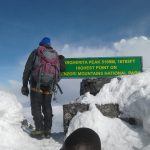
Reaching the summit at 4,507 metres is the highlight of the expedition. When visibility permits, the summit offers impressive views across the Virunga Mountains and neighbouring landscapes in Rwanda and the Democratic Republic of the Congo.
After spending time at the summit and taking photographs, hikers descend along the mountain route. The descent is also physically demanding and may take several hours, depending on conditions and the group’s pace.
Important: Summit views are weather-dependent. Clouds, mist, rain, and strong winds can limit visibility even during the drier months.
A Night Camping on Mount Karisimbi
One of the most memorable aspects of hiking Mount Karisimbi is spending a night high on the mountain. At approximately 3,700 metres, the designated campsite provides an opportunity to rest before the final climb.
Temperatures can fall close to or below freezing, and weather conditions can change rapidly. Proper preparation is therefore essential for a comfortable and safe overnight stay.
Hikers should bring warm clothing, a suitable sleeping bag, a waterproof jacket, and other essential camping items. Confirm with your tour operator which camping equipment, meals, and support services are provided as part of your package.
Away from busy towns and everyday distractions, the mountain campsite offers a peaceful opportunity to appreciate the surrounding wilderness. On clear nights, the mountain scenery and star-filled sky can make the experience particularly memorable.
Mount Karisimbi Hiking Permit Fees
A valid hiking permit is required to climb Mount Karisimbi in Volcanoes National Park. The permit allows visitors to participate in the guided mountain hike under the park’s regulations.
According to the Rwanda Development Board’s official Karisimbi booking portal, the published adult permit rates are as follows:
| Visitor category | Permit fee |
|---|---|
| International visitors | US$400 |
| Foreign residents in Rwanda | US$250 |
| East African citizens | US$200 |
| Foreign residents in East African countries | US$300 |
| Rwandan citizens | RWF 30,000 |
These are published permit rates and should be reconfirmed when booking, as fees and eligibility requirements may change.
You can also contact Epic Uganda Vacation for assistance arranging a Mount Karisimbi hiking experience.
What does the permit cover?
Confirm the exact inclusions when making your reservation. The hiking permit and guided park activity do not necessarily cover every cost associated with the expedition. Transport, accommodation before and after the trek, porters, personal equipment, meals, and additional services may require separate arrangements.
Wildlife and Conservation Around Mount Karisimbi
Mount Karisimbi lies within the wider Virunga conservation landscape, a globally important region known for its biodiversity and mountain gorilla conservation.
During the trek, visitors pass through habitats that support several wildlife species. However, sightings depend on the season, animal movements, and conditions on the trail.
Mountain Gorillas
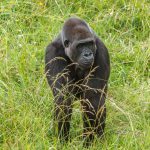
The forested slopes of the Virunga Mountains provide habitat for endangered mountain gorillas. Although gorillas inhabit the wider area, encountering them during the Karisimbi hike is not guaranteed. A planned gorilla trekking experience requires a separate permit.
Read more about gorilla trekking in Rwanda.
Golden Monkeys and Other Wildlife
Golden monkeys inhabit the bamboo forests of the Virunga region and are another important conservation attraction in Volcanoes National Park. Other wildlife may be present along the mountain slopes, although sightings are unpredictable during a strenuous summit hike.
Birds and Mountain Vegetation
The changing vegetation zones support a variety of bird species and distinctive high-altitude plants. Hikers can observe the transition from dense forest to open moorland, where giant heathers and other montane plants create a unique landscape.
Dian Fossey’s Conservation Legacy
The Karisoke Research Center, founded by primatologist Dian Fossey in 1967, lies between Mount Karisimbi and Mount Bisoke. The area is closely associated with the history of mountain gorilla research and protection.
Visitors interested in this legacy can ask their tour operator about arranging a separate visit to the research center and Dian Fossey’s grave, subject to current access arrangements.
Best Time to Hike Mount Karisimbi
Mount Karisimbi can be climbed throughout the year, but the relatively drier periods generally offer more favourable hiking conditions.
January to February: These months can provide comparatively favourable trail conditions, although rainfall and mist remain possible.
June to September: This is generally one of the preferred periods for hiking, with July and August often offering drier conditions. Temperatures at high altitude remain cold, and summit visibility is never guaranteed.
March to May: These wetter months can bring muddy trails, slippery slopes, and more challenging hiking conditions.
October to November: Rainfall can also make the mountain more difficult to climb, particularly on steep sections of the route.
Regardless of the season, the weather in Volcanoes National Park is unpredictable. Hikers should prepare for rain, cold temperatures, fog, and strong winds at any time of year.
What to Pack for the Mount Karisimbi Hike
Proper equipment makes a significant difference during this demanding two-day expedition.
Recommended items include:
- Waterproof hiking boots with good ankle support and traction.
- Waterproof trousers and a rain jacket.
- Thermal base layers, fleece, and a warm outer jacket.
- Warm gloves, a hat, and extra dry clothing.
- A suitable sleeping bag for cold mountain conditions.
- Trekking poles for steep and slippery terrain.
- A headlamp with spare batteries.
- A refillable water bottle or hydration system.
- High-energy snacks and personal medication.
- Sunscreen, sunglasses, and a small personal first-aid kit.
- A waterproof bag or cover to protect essential belongings.
Ask your tour operator to confirm which items are supplied, particularly tents, sleeping equipment, meals, and camping support.
Fitness and Safety Requirements
Hiking Mount Karisimbi is a strenuous high-altitude activity that requires good physical fitness, stamina, and preparation. Previous experience with long hikes is beneficial, particularly on steep and uneven terrain.
Before the trek, consider building your endurance through regular walking, hill training, stair climbing, and longer hikes. Wear your hiking boots before the expedition to reduce the risk of blisters.
During the climb, follow your guide’s instructions, drink water regularly, maintain a manageable pace, and avoid rushing to keep up with faster hikers.
Altitude can cause symptoms such as headaches, nausea, dizziness, unusual fatigue, and shortness of breath. Inform your guide immediately if you experience concerning symptoms. Severe or worsening symptoms require prompt assessment and may mean stopping the ascent and descending.
The minimum age for the Mount Karisimbi hike is 15 years under the published Rwanda Development Board requirements. Check the latest regulations before booking.
Combining Mount Karisimbi Hiking with Gorilla Trekking
For travellers seeking a more comprehensive Rwanda adventure, Mount Karisimbi can be combined with gorilla trekking in Volcanoes National Park.
A multi-day itinerary may include:
- Mount Karisimbi hiking: Spend two days climbing Rwanda’s highest peak and exploring its high-altitude landscapes.
- Mountain gorilla trekking: Join a guided forest trek to observe a habituated mountain gorilla family with a separate permit.
- Golden monkey tracking: Explore bamboo forest habitat in search of the endangered golden monkey.
- Kigali city tour: Discover Rwanda’s capital, including selected cultural attractions and historical sites.
Allow enough time between strenuous activities to rest and recover. Your itinerary should account for hiking conditions, permit availability, and your fitness level.
Book Your Mount Karisimbi Hiking Adventure
Hiking Mount Karisimbi is an exceptional experience for adventurous travellers who want to explore Rwanda beyond traditional wildlife safaris. From the forested slopes and high-altitude campsite to the demanding final ascent, the journey offers a memorable opportunity to discover the natural beauty of the Virunga Mountains.
At 4,507 metres, the summit represents both a physical challenge and a remarkable achievement for hikers visiting Rwanda.
Epic Uganda Vacation can help you plan your Mount Karisimbi hiking adventure, including permit arrangements, transport, accommodation, and the option to combine the trek with gorilla trekking or other Rwanda safari experiences.
Contact our team through the Epic Uganda Vacation contact page to start planning your Rwanda mountain adventure.
Frequently Asked Questions About Hiking Mount Karisimbi
How long does it take to hike Mount Karisimbi?
The hike takes two days, including an overnight stay at a mountain campsite. The total time on the trail depends on the group’s pace, weather, and trail conditions.
How high is Mount Karisimbi?
Mount Karisimbi rises to 4,507 metres (14,787 feet) above sea level. It is Rwanda’s highest peak and the tallest of the major Virunga volcanoes.
How much does a Mount Karisimbi hiking permit cost?
The published adult permit fee for international visitors is US$400. Different rates apply to eligible residents and citizens. Check the official Rwanda Development Board booking portal for current prices and requirements.
Is hiking Mount Karisimbi difficult?
Yes. The hike is strenuous and involves steep slopes, slippery trails, cold temperatures, and high-altitude conditions. Good physical fitness and appropriate hiking equipment are essential.
Can I see mountain gorillas during the hike?
Mountain gorillas inhabit the wider Virunga region, but sightings during the Karisimbi hike are not guaranteed. A separate gorilla trekking permit is needed for a planned gorilla encounter.
What is the best time to hike Mount Karisimbi?
January to February and June to September are generally preferred for relatively drier conditions. However, mountain weather can change quickly throughout the year.
Can I combine Mount Karisimbi hiking with a Rwanda safari?
Yes. You can combine the trek with gorilla trekking, golden monkey tracking, and selected cultural experiences in Rwanda, depending on your schedule and permit availability.