Kahuzi-Biega National Park: Facts, Things to Do and How to Get There
Discover Eastern Lowland Gorillas, Rainforests, Volcanoes and Wildlife in the Democratic Republic of Congo
Introduction to Kahuzi-Biega National Park
Kahuzi-Biega National Park is one of the most remarkable wildlife destinations in the Democratic Republic of Congo (DRC), renowned for protecting the endangered Eastern lowland gorillas, also known as Grauer’s gorillas. Located in the eastern part of the country, west of Lake Kivu and near the city of Bukavu, the park is an exceptional destination for gorilla trekking, mountain hiking, birdwatching and rainforest exploration.
Established in 1970, Kahuzi-Biega National Park takes its name from two extinct volcanic mountains, Mount Kahuzi and Mount Biega, which dominate its mountainous landscape. The park stretches across the Albertine Rift and the Congo Basin, protecting an extraordinary combination of tropical lowland rainforest, montane forest, bamboo vegetation, swamps and subalpine ecosystems.
Covering approximately 6,000 square kilometres, Kahuzi-Biega is among the largest protected rainforest landscapes in the region. Its remarkable biodiversity and importance in protecting Eastern lowland gorillas earned it recognition as a UNESCO World Heritage Site in 1980.
The park is particularly important for travellers interested in seeing Grauer’s gorillas in the wild. Unlike mountain gorillas, which are found in Uganda, Rwanda and parts of the Democratic Republic of Congo, Eastern lowland gorillas are endemic to the DRC.
Beyond gorilla trekking, visitors can explore the magnificent Mitumba mountain ranges, hike to volcanic summits, discover beautiful waterfalls and encounter numerous bird and mammal species.
Whether you are planning a dedicated Congo gorilla trekking safari or combining the destination with a wider East African adventure, Kahuzi-Biega offers a distinctive wildlife experience.
History of Kahuzi-Biega National Park
The history of Kahuzi-Biega National Park dates back to 1937, when the area was established as a zoological and forest reserve to protect its unique wildlife, particularly the Grauer’s gorillas.
In 1970, the reserve was officially established as a national park through a government ordinance. Its boundaries were subsequently expanded in 1975 to incorporate additional lowland rainforest habitats, connecting the mountainous eastern section with the extensive forests towards the Congo Basin.
In 1980, UNESCO recognised Kahuzi-Biega as a World Heritage Site because of its exceptional biodiversity and importance in conserving endangered species.
However, the park has faced significant conservation challenges, including armed conflict, illegal mining, deforestation and poaching. In 1997, UNESCO added it to the List of World Heritage in Danger, a status it continues to hold.
Today, the park is managed by the Congolese Institute for Nature Conservation (ICCN), working in partnership with the Wildlife Conservation Society (WCS). Their conservation work includes wildlife monitoring, anti-poaching activities, habitat protection and collaboration with surrounding communities.
The park also has important ancestral and cultural significance for Indigenous Wambuti communities, whose relationship with the forest is an important consideration in conservation and community rights.
Geographical Location and Landscape of Kahuzi-Biega
Kahuzi-Biega National Park is situated in South Kivu Province in eastern Democratic Republic of Congo, west of Lake Kivu and close to Bukavu.
The park occupies part of the Albertine Rift, one of Africa’s most important biodiversity regions. Its landscape consists of two major ecological sections: the mountainous highland sector in the east and the extensive lowland rainforest sector towards the west.
The highland section is characterised by volcanic mountains, bamboo forests, montane vegetation and open subalpine landscapes. The lowland section contains extensive tropical rainforests and other important ecosystems.
One of the park’s most remarkable features is its dramatic change in altitude, ranging from approximately 600 metres to 3,308 metres above sea level.
This variation creates different habitats that support a wide range of plant and animal species.
The Giants of the Mitumba Mountain Ranges
Two extinct volcanic mountains give Kahuzi-Biega National Park its name and dominate its mountainous landscape.
1. Mount Kahuzi – 3,308 metres
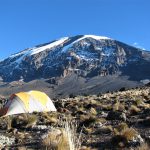
Mount Kahuzi is the highest mountain in the park and one of the major hiking attractions for adventurous visitors.
Its slopes contain bamboo forests, Afro-montane vegetation and distinctive subalpine habitats. The summit offers magnificent panoramic views of the surrounding mountain ranges, Lake Kivu, Musisi Swamp and Bukavu.
Hiking to the summit is a rewarding experience for travellers interested in mountain landscapes, photography and outdoor adventure.
2. Mount Biega – 2,790 metres
Mount Biega is the second major volcanic mountain after which the national park is named.
It features distinctive volcanic landscapes, Afro-alpine vegetation and beautiful mountain scenery. Visitors can undertake guided hikes to explore its slopes and summit.
Both mountains form part of the Mitumba mountain ranges, which extend along the Albertine Rift in eastern Democratic Republic of Congo.
Climate and Vegetation of Kahuzi-Biega National Park
Kahuzi-Biega experiences a tropical rainforest climate influenced by its geographical location and significant variation in altitude.
The mountainous section generally experiences cooler temperatures, particularly in the mornings and evenings, while the lowland forests are warmer and more humid.
Rainfall supports the park’s diverse vegetation, which includes:
- Tropical lowland rainforest.
- Montane rainforest.
- Bamboo forests.
- Subalpine vegetation.
- Grasslands.
- Swamps and wetlands.
- Peat bogs and marshland vegetation.
The transition between lowland and highland ecosystems makes Kahuzi-Biega particularly important for biodiversity conservation.
Visitors exploring the park can experience different vegetation zones within the same protected area, making it an interesting destination for nature lovers, researchers and wildlife photographers.
Wildlife and Biodiversity in Kahuzi-Biega National Park
Kahuzi-Biega National Park is one of the most important biodiversity conservation areas in the Albertine Rift.
According to UNESCO, the park protects approximately 136 mammal species, 349 recorded bird species and at least 1,178 inventoried plant species in its highland sector.
Its forests support numerous endangered, endemic and rare wildlife species.
Some of the notable animals found in the park include:
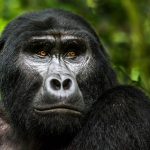
Eastern lowland gorillas (Grauer’s gorillas): The park’s most famous residents and one of the main attractions for visitors.
Eastern chimpanzees: These primates inhabit the park’s forest ecosystems.
Bush elephants: Forest elephants occur in the park’s wider lowland habitats.
Forest buffaloes: These animals inhabit forest clearings and other suitable habitats.
Bongo antelopes: An elusive forest antelope found in Central African rainforest ecosystems.
Colobus monkeys: Several primate species inhabit the park’s forests.
Hoest’s monkeys: Another notable primate associated with the Albertine Rift.
Giant forest genet: A rare carnivorous mammal found in the eastern forests of the DRC.
The park’s biodiversity makes it an important destination for wildlife enthusiasts interested in species beyond the famous gorillas.
Things to Do in Kahuzi-Biega National Park
Kahuzi-Biega offers several activities for visitors, ranging from gorilla trekking and mountain climbing to birdwatching and guided nature walks.
Here are some of the best things to do when visiting the park.
1. Eastern Lowland Gorilla Trekking
Eastern lowland gorilla trekking is the most popular tourist activity in Kahuzi-Biega National Park.
The park is one of the few places in the world where travellers can observe Grauer’s gorillas in their natural rainforest habitat.
Unlike mountain gorilla trekking in Bwindi Impenetrable National Park or Volcanoes National Park, this experience introduces visitors to a different gorilla subspecies.
Kahuzi-Biega currently has two habituated gorilla families available for tourism visits: Bonane and Mpungwe. The park’s trackers also monitor additional groups for research and conservation.
The experience begins with a briefing at the park visitor centre in Tshivanga. Accompanied by experienced park guides and trackers, visitors enter the rainforest in search of the gorilla family.
Depending on the location of the gorillas, the trek can involve walking through dense vegetation, uneven ground and forest trails.
Once the gorillas are located, visitors are allowed one hour to observe them under the supervision of park guides.
During this time, you may see the silverback, females and younger gorillas feeding, grooming, playing and interacting within their family group.
For more information, read our guide to Eastern Lowland Gorilla Trekking in Congo.
2. Hiking Mount Kahuzi
Mount Kahuzi is the highest peak in the park and an exciting destination for travellers interested in mountain hiking.
The hike takes visitors through different vegetation zones, beginning with bamboo forests and continuing through montane rainforest before reaching the distinctive subalpine vegetation near the summit.
The ascent generally takes approximately four hours, while the descent takes around three hours, in addition to the vehicle transfer from the park headquarters.
At the summit, hikers are rewarded with spectacular panoramic views of Lake Kivu, Bukavu, surrounding mountains and the beautiful Musisi Swamp.
Mount Kahuzi is particularly attractive to adventurous travellers, nature photographers and hiking enthusiasts.
Camping overnight at the summit may also be arranged in advance, subject to park approval and available facilities.
3. Hiking Mount Biega
Mount Biega is another excellent hiking destination within Kahuzi-Biega National Park.
Standing at approximately 2,790 metres above sea level, it offers a different mountain experience from Mount Kahuzi.
The hike passes through Afro-alpine vegetation and volcanic landscapes, providing opportunities to appreciate the park’s unique high-altitude ecosystems.
The ascent takes approximately two and a half hours, while the descent takes around one and a half hours, following the park’s published hiking guidance.
Visitors should arrange the hike with park authorities and be prepared for changing mountain weather.
4. Explore Mount Bugulumiza
Mount Bugulumiza is another attractive hiking destination near the park headquarters at Tshivanga.
The mountain offers beautiful views of Mount Kahuzi and Mount Biega, making it a rewarding destination for travellers who want to explore the park’s mountainous scenery.
The summit can be reached through a guided hike or by arranging a vehicle transfer followed by a shorter walk.
Birdwatching opportunities are also available along the route, and visitors may encounter signs of wildlife in the surrounding forest.
5. Visit Tshibati Waterfalls
The Tshibati waterfalls are among the beautiful natural attractions associated with Kahuzi-Biega National Park.
Located near the Lwiro Primate Rehabilitation Centre, the waterfalls are reached through a scenic forest route.
Visitors travel along a picturesque track before undertaking a relatively easy nature walk to the waterfalls.
The tourist trail extends approximately 1.7 kilometres and passes through secondary forest.
The first waterfall offers impressive views of cascading water and the refreshing atmosphere of the surrounding forest. Visitors can continue towards the second waterfall, which has a natural pool where bathing is permitted.
The waterfalls provide an excellent opportunity to enjoy the park’s natural scenery, photography and a relaxing walk after gorilla trekking.
6. Birdwatching in Kahuzi-Biega National Park
Kahuzi-Biega is an excellent destination for birdwatching, with approximately 349 bird species recorded in the park, including 42 endemic species according to the UNESCO biodiversity inventory.
Its location within the Albertine Rift and its varied vegetation create habitats for numerous forest and highland birds.
Birdwatchers can explore different habitats, including:
- Montane forests.
- Bamboo forests.
- Tropical rainforests.
- Grasslands.
- Swamps and wetlands.
- Subalpine vegetation.
Some notable birds associated with the region include the Congo peafowl, Ruwenzori turaco, African green broadbill and various sunbirds, trogons and forest-dwelling species.
The park is particularly rewarding for specialist birdwatchers interested in Albertine Rift endemics and Central African rainforest birds.
For a more rewarding experience, arrange a guided birdwatching walk with knowledgeable local guides.
7. Guided Nature Walks and Ecological Trails
Nature walking is another rewarding way to explore Kahuzi-Biega National Park.
The park has several ecological trails that allow visitors to discover its vegetation, birdlife and beautiful forest landscapes.
Guided walks begin around the Tshivanga headquarters and follow designated routes through different sections of the park.
The ecological trails range from approximately 2.9 to 4.2 kilometres, making them suitable for visitors interested in shorter outdoor excursions.
Along the way, you can observe forest vegetation, listen to bird calls and appreciate the diversity of the park’s natural environment.
These walks are also an excellent option for visitors who want to explore the park beyond gorilla trekking.
8. Camping in Kahuzi-Biega National Park
For travellers seeking a deeper connection with nature, camping is another possible activity in Kahuzi-Biega.
One of the distinctive experiences is arranging an overnight camping excursion on Mount Kahuzi.
With prior approval and arrangements through park authorities, visitors can camp near the summit while accompanied by park eco-guards.
The experience offers an opportunity to appreciate the mountain environment, changing weather and spectacular surrounding landscapes.
Camping arrangements, equipment availability and access must be confirmed in advance.
9. Visit Lwiro Primate Rehabilitation Centre
Although located outside the national park itself, the Lwiro Primate Rehabilitation Centre is an interesting attraction to consider when visiting the Kahuzi-Biega area.
The centre focuses on rescuing, rehabilitating and caring for primates affected by illegal wildlife trade and other human activities.
Visitors can learn about primate conservation, wildlife protection and the challenges facing endangered species in the Democratic Republic of Congo.
A visit to Lwiro can complement a gorilla trekking experience by providing additional insight into primate conservation.
How to Get to Kahuzi-Biega National Park
Kahuzi-Biega National Park is located near Bukavu in South Kivu Province, eastern Democratic Republic of Congo.
The most commonly described access route to the park’s highland visitor area is through Bukavu, followed by a road transfer to Tshivanga, where the park headquarters are located.
Travellers can potentially reach the area through Rwanda, other parts of the DRC or by arranging suitable air transport.
However, access depends on the prevailing security situation, border operations and park authorisation.
1. Getting to Kahuzi-Biega from Kigali, Rwanda
Kigali is an important regional gateway for travellers planning an East African safari.
Under normal operating conditions, the journey from Kigali to Bukavu takes approximately five to six hours by road, according to the park’s visitor information.
The route passes through southern Rwanda towards the Cyangugu–Bukavu border area, where travellers use the designated Rusizi border crossing.
After completing the immigration and customs formalities, continue to Bukavu.
From Bukavu, the journey to Tshivanga, the park headquarters, takes approximately 1.5 hours by road.
This route can be convenient for travellers combining Rwanda and Congo wildlife experiences.
Important: Border access and security conditions in eastern DRC and along the Rwanda–DRC border can change. Do not assume that the crossing is open or that the journey is safe simply because it is shown on a normal safari itinerary. Confirm current official travel advice, border operations and park access before making travel arrangements.
2. Getting to Kahuzi-Biega from Bukavu
Bukavu is the main urban gateway to the park’s highland sector.
Once in Bukavu, visitors can arrange a private 4×4 vehicle with a driver-guide for the journey to Tshivanga.
The drive takes approximately 1.5 hours under normal road conditions.
Bukavu also offers accommodation options, restaurants and other services for travellers preparing for gorilla trekking or mountain hiking.
3. Getting to Kahuzi-Biega by Air
Travellers with limited time may explore air transport arrangements.
The nearest relevant airports include:
- Kigali International Airport in Rwanda.
- Kamembe Airport in Rwanda.
- Kavumu Airport near Bukavu in the DRC.
- Goma International Airport in the DRC, subject to current airport operations.
Kavumu Airport is approximately 25 kilometres north of Bukavu.
The park’s visitor information also describes helicopter transfers from Goma or Kavumu to Tshivanga, subject to operational arrangements.
Chartered flights and helicopter transfers must be arranged in advance with authorised operators. Confirm airport operations, landing permissions and security conditions before booking.
Where to Stay When Visiting Kahuzi-Biega National Park
Accommodation is an important consideration when planning a gorilla trekking or hiking adventure in Kahuzi-Biega.
Many travellers choose to stay in Bukavu, which provides access to the park and other attractions in South Kivu.
Accommodation options range from simple guesthouses to more comfortable hotels and lodges.
Staying in Bukavu allows visitors to rest before gorilla trekking and undertake the morning transfer to Tshivanga.
Travellers should confirm the operating status, location, security arrangements and availability of accommodation before making reservations.
For a more convenient safari, Epic Uganda Vacation can assist with coordinating accommodation, transport and park activities as part of a personalised Congo itinerary.
Best Time to Visit Kahuzi-Biega National Park
Kahuzi-Biega National Park can be explored throughout the year when park operations and security conditions permit.
However, the weather can influence hiking conditions, forest accessibility and the overall visitor experience.
The park’s mountainous location means visitors should expect cooler temperatures at higher elevations, rainfall and changing weather conditions.
The relatively drier periods can be more comfortable for mountain hiking and walking along forest trails. During wetter periods, paths can become muddy and slippery, making some activities more challenging.
For gorilla trekking, sightings depend on the location of the habituated gorilla families rather than a particular season.
We recommend selecting travel dates based on current park accessibility, weather conditions and official travel advice rather than assuming that any particular month guarantees better wildlife viewing.
What to Pack for a Kahuzi-Biega Safari
Whether you are visiting for gorilla trekking, mountain hiking or birdwatching, appropriate clothing and equipment will make your experience more comfortable.
Recommended items include:
- Sturdy waterproof hiking boots.
- Long-sleeved shirts.
- Long hiking trousers.
- Gardening gloves for gorilla trekking.
- Waterproof jacket or raincoat.
- Warm clothing for cool mornings and mountain hikes.
- Insect repellent.
- Sunscreen.
- Reusable drinking water bottle.
- Binoculars for birdwatching.
- Camera with flash switched off during gorilla viewing.
- Small waterproof daypack.
- Personal medication and basic first-aid supplies.
For mountain climbing, consult park authorities about the specific equipment and physical preparation required for your selected trail.
Conservation Challenges Facing Kahuzi-Biega National Park
Despite its exceptional biodiversity, Kahuzi-Biega faces several conservation challenges.
Armed conflict, illegal mining, deforestation, poaching and habitat degradation have affected the park’s ecosystems and wildlife populations.
These challenges have contributed to its continued inclusion on UNESCO’s List of World Heritage in Danger.
Conservation organisations and park authorities continue working to strengthen wildlife protection, improve monitoring and support sustainable management.
Community participation is also important. Indigenous and local communities have historical, cultural and livelihood connections with the forest, and conservation initiatives need to respect their rights and involve them in decision-making.
Responsible tourism can contribute to conservation by supporting authorised park activities, local employment and community-based initiatives.
Visitors should follow park regulations and travel only when the relevant authorities confirm that activities can safely operate.
Frequently Asked Questions About Kahuzi-Biega National Park
1. Where is Kahuzi-Biega National Park located?
Kahuzi-Biega National Park is located in South Kivu Province in eastern Democratic Republic of Congo, west of Lake Kivu and near Bukavu.
2. What is Kahuzi-Biega National Park famous for?
The park is internationally recognised for protecting Eastern lowland gorillas, also known as Grauer’s gorillas. It is also known for its extinct volcanic mountains, rainforest biodiversity, birdlife and beautiful waterfalls.
3. Can you see Eastern lowland gorillas in Kahuzi-Biega?
Yes. Kahuzi-Biega is the principal destination for tourists seeking to see habituated Eastern lowland gorillas in the wild. Gorilla trekking must be arranged in advance through the park’s authorised tourism office.
4. How many gorilla families can visitors track?
The park currently identifies two habituated families available for tourism visits: Bonane and Mpungwe. Trekking availability must be confirmed with the park before travel.
5. How long does gorilla trekking take?
The duration depends on the location of the gorillas and forest conditions. The guided hike can take several hours, followed by one hour observing the gorilla family.
6. What mountains can you hike in Kahuzi-Biega?
The main hiking attractions include Mount Kahuzi, Mount Biega and Mount Bugulumiza. These mountains offer different hiking experiences and beautiful views of the surrounding landscape.
7. How far is Kahuzi-Biega from Bukavu?
The park headquarters at Tshivanga are approximately 1.5 hours by road from central Bukavu under normal conditions.
8. Can you visit Kahuzi-Biega from Rwanda?
The park’s published access information describes a road route from Kigali through the Cyangugu–Bukavu border area, taking approximately five to six hours to Bukavu. However, current border operations, security conditions and official travel advice must be checked before planning this journey.
9. Is Kahuzi-Biega National Park a UNESCO World Heritage Site?
Yes. It was recognised as a UNESCO World Heritage Site in 1980 because of its exceptional biodiversity and importance in protecting Eastern lowland gorillas and rainforest ecosystems. It has also been on the List of World Heritage in Danger since 1997.
10. What other activities can you do besides gorilla trekking?
Visitors can enjoy mountain hiking, birdwatching, guided nature walks, exploring Tshibati waterfalls and arranging approved camping experiences.
Plan Your Kahuzi-Biega National Park Safari with Epic Uganda Vacation
Kahuzi-Biega National Park is an extraordinary destination for travellers interested in discovering the natural diversity of the Democratic Republic of Congo.
From observing the endangered Eastern lowland gorillas to hiking the magnificent Mitumba mountain ranges, the park offers a variety of experiences for wildlife enthusiasts, birdwatchers, photographers and adventure travellers.
At Epic Uganda Vacation, we create personalised East African safari experiences that combine wildlife encounters, primate trekking, cultural exploration and nature-based adventures.
Our team can assist with planning a Congo safari, coordinating accommodation and transport, and checking gorilla trekking arrangements and park accessibility.
Explore our 3 Days Eastern Lowland Gorilla Trekking Safari in Congo or contact our team to discuss a customised itinerary.
Epic Uganda Vacation – Tailored journeys beyond mapping.