Kilimanjaro National Park, Tanzania: Complete Travel Guide to Africa’s Highest Mountain
Introduction: Discover Kilimanjaro National Park, Tanzania
Kilimanjaro National Park is one of Tanzania’s most remarkable natural attractions and a must-visit destination for travellers interested in mountain climbing, hiking, wildlife, nature and adventure tourism. Located in northeastern Tanzania, close to the border with Kenya, the park protects Mount Kilimanjaro, the highest mountain in Africa and the tallest free-standing mountain in the world.
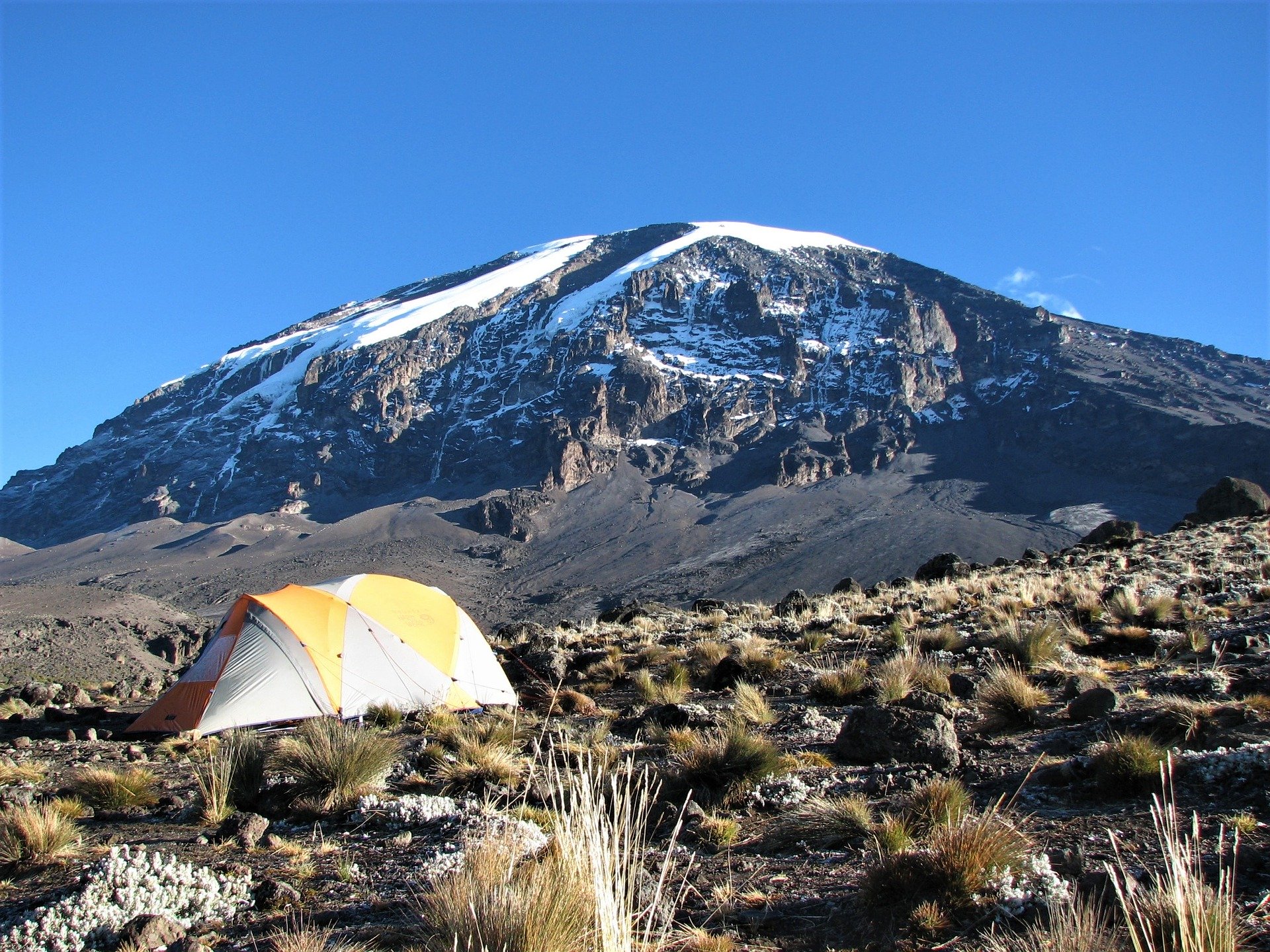
Rising to 5,895 metres (19,341 feet) above sea level, Mount Kilimanjaro dominates the surrounding plains with its snow-capped summit, volcanic landscapes and extensive mountain forests. It is one of the world’s famous Seven Summits, attracting climbers and nature enthusiasts from across the globe.
Unlike many other high mountains that require technical mountaineering skills, Kilimanjaro can be climbed by trekking established routes with the support of professional mountain guides. Nevertheless, reaching the summit is a demanding adventure that requires physical preparation, proper acclimatisation and respect for the mountain’s changing weather conditions.
Beyond the famous summit, Kilimanjaro National Park offers a remarkable range of natural attractions. Visitors can explore montane forests, discover unusual high-altitude plants, observe wildlife, enjoy mountain cycling, experience forest walks and admire the spectacular scenery of the Shira Plateau.
Whether you are planning a multi-day climb to Uhuru Peak, a shorter nature excursion or a longer Tanzania holiday, Kilimanjaro National Park offers an unforgettable opportunity to explore one of Africa’s most iconic landscapes.
Where Is Kilimanjaro National Park Located?
Kilimanjaro National Park is situated in the Kilimanjaro Region of northeastern Tanzania, near the international border with Kenya. The park protects Mount Kilimanjaro and its surrounding natural environments, including montane forests and the higher mountain ecosystems.
The nearest major towns are Moshi and Arusha. Moshi is the main gateway for most mountain climbers because of its proximity to the mountain’s southern and eastern access points.
Kilimanjaro International Airport (JRO) is the main international gateway for visitors arriving to climb the mountain or explore the surrounding region. The airport is located approximately 40 kilometres from Moshi, although journey times vary with traffic and the final destination.
The park’s geographical position also makes it possible to combine a Kilimanjaro visit with other northern Tanzania destinations, including: https://www.epicugandavacation.com/tanzania-safaris/
- Arusha National Park.
- Tarangire National Park.
- Lake Manyara National Park.
- Ngorongoro Conservation Area.
- Serengeti National Park.
- Materuni Waterfalls.
- Chemka Hot Springs.
- Lake Chala.
Overview of Mount Kilimanjaro
Mount Kilimanjaro is a massive volcanic mountain consisting of three main volcanic centres: Kibo, Mawenzi and Shira. Together, they form one of the world’s largest free-standing volcanic masses.
The mountain’s dramatic landscapes, high elevation and isolated position above the surrounding plains make it one of the most recognisable natural landmarks in Africa.
1. Kibo Peak – The Highest Summit
Kibo is the central and highest volcanic cone of Mount Kilimanjaro. It rises to 5,895 metres above sea level and contains Uhuru Peak, the highest point in Africa.
Kibo is considered dormant, although it retains signs of volcanic activity, including fumarolic activity within its summit crater.
Most climbers attempting to reach the Roof of Africa aim for Uhuru Peak, which lies on Kibo’s crater rim.
The summit area features rocky terrain, glaciers and dramatic volcanic landscapes. Temperatures can fall well below freezing, particularly during the night and early morning summit attempt.
2. Mawenzi Peak – The Rugged Volcanic Cone
Mawenzi is the second-highest volcanic cone of Kilimanjaro, reaching approximately 5,149 metres above sea level.
Located east of Kibo, Mawenzi is characterised by steep ridges, jagged rock formations and rugged peaks.
Unlike the standard trekking routes to Uhuru Peak, climbing Mawenzi requires technical mountaineering skills and specialised arrangements. Its dramatic appearance makes it one of the most impressive features of the mountain.
3. Shira Peak – The Ancient Volcanic Centre
Shira is the oldest of Kilimanjaro’s three main volcanic centres. It once formed a substantial volcanic mountain before its summit collapsed, leaving behind the broad Shira Plateau.
The remaining Shira structure reaches approximately 3,962 metres above sea level.
The plateau is among the most scenic sections of Kilimanjaro, offering open landscapes, unusual vegetation and impressive views of Kibo.
The Lemosho and Shira approaches allow climbers to experience this remarkable part of the mountain.
History of Kilimanjaro National Park
Mount Kilimanjaro has attracted interest from local communities, travellers, explorers and scientists for centuries. Its unusual height, snow-covered summit and isolated position above the surrounding plains have made it one of Africa’s most celebrated geographical landmarks.
The Origin of the Name Kilimanjaro
The exact origin of the name Kilimanjaro remains uncertain. Several explanations have been proposed, reflecting the different languages and cultural traditions of communities around the mountain.
One commonly repeated interpretation connects the Swahili word kilima, meaning mountain or hill, with a KiChagga word associated with whiteness. This interpretation gives the mountain the popular description of the White Mountain.
However, the precise linguistic origin has not been conclusively established.
Historical European accounts of the mountain date back to the nineteenth century. Explorers and missionaries recorded information about its location, appearance and local names, helping introduce Kilimanjaro to a wider international audience.
The First Recorded Summit Ascent
The first widely recognised successful ascent of Mount Kilimanjaro was achieved in October 1889 by German geographer Hans Meyer and Austrian mountaineer Ludwig Purtscheller, accompanied by their local guide and support team.
Their achievement marked an important moment in the history of African mountaineering and helped establish Kilimanjaro as a major destination for international climbers.
Today, thousands of visitors travel to Tanzania each year to attempt the same remarkable summit.
Establishment of Kilimanjaro National Park
Mount Kilimanjaro and its surrounding forests received protection through earlier conservation measures during the colonial period.
Kilimanjaro National Park was formally established in 1973 to protect the mountain’s unique ecosystems and natural landscapes. It was officially opened for tourism in 1977.
In 1987, UNESCO recognised Kilimanjaro National Park as a World Heritage Site under its natural heritage criteria.
The park’s protected area was subsequently extended in 2005 to include additional montane forest areas, strengthening the conservation of the mountain’s natural environment.
The UNESCO-listed property is recognised for its extraordinary height, volcanic structure, snow-capped summit, mountain forests and distinctive vegetation zones.
The Five Main Ecological Zones of Kilimanjaro National Park
One of the most fascinating features of Kilimanjaro is the rapid transformation of its vegetation and climate as elevation increases.
The mountain contains five broad ecological zones, each supporting different plant communities and environmental conditions.
1. Cultivated Lower Slopes
The lower slopes of Kilimanjaro are characterised by fertile agricultural land, where local communities grow crops such as coffee, bananas, maize, beans and vegetables.
The volcanic soils and reliable water sources have supported farming communities for generations.
Visitors exploring the surrounding villages can learn about local agricultural practices, traditional food preparation and the cultural importance of the mountain.
2. Montane Rainforest
The montane rainforest forms one of the most important ecological areas of Kilimanjaro National Park.
This zone receives considerable rainfall and supports dense vegetation, including tall trees, ferns, mosses, lichens and flowering plants.
The southern slopes are particularly well known for their moist montane forest environments.
The rainforest is also home to several wildlife species, including monkeys, birds and small mammals.
Visitors climbing through this zone can enjoy cool temperatures, beautiful forest scenery and the sounds of birds and flowing streams.
3. Heath and Moorland Zone
Above the rainforest, the vegetation gradually changes into open heathland and moorland.
This zone features giant heathers, grasses, shrubs and distinctive high-altitude plants.
Among its most recognisable plants are giant groundsels and lobelias, which have adapted to the mountain’s unusual temperature variations.
The landscape becomes increasingly open, providing beautiful views of the mountain slopes and surrounding valleys.
4. Alpine Desert Zone
The alpine desert begins at higher elevations, where vegetation becomes increasingly sparse.
The landscape is dominated by volcanic rock, gravel, sand and exposed terrain.
Temperatures fluctuate significantly between daytime and nighttime. Climbers may experience strong sunlight during the day and freezing conditions after sunset.
Because water sources are limited, mountain crews must carefully organise drinking water and camp supplies.
5. Arctic Summit Zone
The highest elevations of Kilimanjaro form a cold, exposed environment characterised by rocks, ice and glaciers.
The vegetation is almost entirely absent, and atmospheric pressure is much lower than at sea level.
The summit zone is home to Uhuru Peak, where climbers stand at the highest point in Africa.
The mountain’s remaining ice fields and glaciers are particularly important features of its landscape and have attracted scientific research because of their long-term retreat.
Best Things to Do in Kilimanjaro National Park
Although mountain climbing is the park’s main attraction, Kilimanjaro National Park offers other experiences for visitors who want to explore the mountain without necessarily reaching Uhuru Peak.
1. Climb Mount Kilimanjaro to Uhuru Peak
The expedition takes visitors through several ecological zones before reaching the summit at 5,895 metres above sea level.
Climbers can choose from established routes, including:
- Marangu Route.
- Machame Route.
- Lemosho Route.
- Rongai Route.
- Northern Circuit.
- Shira Route.
- Umbwe Route.
The routes differ in scenery, duration, difficulty and acclimatisation opportunities.
Most organised climbs take approximately five to nine days, depending on the selected route and itinerary.
Longer itineraries generally offer more time for acclimatisation and are often preferable to rushed ascents.
2. Explore the Shira Plateau
The Shira Plateau is one of the most beautiful natural attractions on Kilimanjaro.
Formed from the remains of an ancient volcanic structure, the plateau features open landscapes, high-altitude vegetation and panoramic views of the mountain.
Visitors can explore sections of the plateau through organised excursions, subject to park regulations and permitted access arrangements.
It is particularly rewarding for photographers and nature enthusiasts who want to experience Kilimanjaro’s landscapes without undertaking a full summit expedition.
3. Enjoy a Guided Nature Walk
Kilimanjaro National Park offers opportunities to explore the mountain’s lower forest environments through guided nature walks.
These walks allow visitors to appreciate the biodiversity of the montane forest, observe vegetation and learn about the importance of the mountain’s water catchments.
A nature walk is a suitable alternative for travellers who have limited time or do not intend to climb to the summit.
4. Experience Mountain Cycling
Mountain cycling is another adventure activity available within Kilimanjaro National Park.
The park provides designated cycling opportunities, including routes around the Kilema area and the Shira Plateau.
Cycling allows visitors to experience parts of the mountain’s landscape from a different perspective.
The activity should be arranged through authorised operators, with appropriate equipment and guidance.
5. Explore Kilimanjaro’s Water Catchment Forests
The montane forests of Kilimanjaro are essential to the surrounding communities and ecosystems.
They help regulate water flows, protect soils and support biodiversity.
Visitors can learn about the relationship between the mountain’s forests, rivers and agricultural communities through guided nature experiences and conservation-focused visits.
6. Photography and Scenic Viewing
Kilimanjaro is one of Africa’s most photographed mountains.
Its snow-capped summit, volcanic slopes, forested valleys and changing vegetation provide excellent opportunities for landscape photography.
Photographers can capture:
- The mountain’s snow-covered summit.
- Kibo and Mawenzi peaks.
- The Shira Plateau.
- Montane rainforest landscapes.
- Giant groundsels and lobelias.
- Mountain camps and trekking trails.
- Sunrise and sunset views from suitable viewpoints.
Weather conditions and cloud cover affect visibility, so clear mountain views are never guaranteed.
7. Paragliding and Special Adventure Activities
Tanzania National Parks lists paragliding among the adventure activities associated with Kilimanjaro National Park.
Such activities require specific arrangements, safety procedures and applicable permissions. Travellers should confirm current availability, eligibility and operating conditions directly with authorised providers before planning a trip around them.
8. Learn About Local Chagga Culture
The Chagga people have a long cultural and agricultural connection with Mount Kilimanjaro.
Visitors staying around Moshi and the surrounding villages can learn about traditional farming, coffee cultivation, food preparation and local history.
A cultural excursion can be combined with a waterfall hike or coffee tour in Materuni Village.
Wildlife in Kilimanjaro National Park
Although Kilimanjaro is best known for its mountain scenery, its forests and surrounding habitats support a variety of wildlife.
The montane forest is particularly important for mammals and birds, although wildlife sightings are not guaranteed during a mountain climb.
1. Blue Monkeys
Blue monkeys are among the primates that inhabit the forested slopes of Kilimanjaro.
They are often encountered in the montane forest, where they move through trees in search of food.
Visitors may occasionally observe them along forest trails, although sightings depend on location and conditions.
2. Black-and-White Colobus Monkeys
Black-and-white colobus monkeys are recognised by their striking black coats and long white hair.
They spend much of their time in trees, feeding on leaves and other vegetation.
Their distinctive appearance makes them among the most interesting primates to observe in the mountain forest.
3. Bush Babies
Bush babies, also known as galagos, are small nocturnal primates.
They are more active at night and may be heard calling in forested environments.
Because of their nocturnal behaviour, visitors are more likely to hear their calls than to see them during ordinary daytime excursions.
4. Tree Hyraxes
Tree hyraxes are small mammals that inhabit forested areas and are known for their distinctive vocalisations.
Their calls can sometimes be heard in the forest, particularly during the evening and nighttime.
5. Small-Spotted Genets
Small-spotted genets are nocturnal carnivorous mammals recognised by their spotted coats and long, ringed tails.
They are generally difficult to observe because they are active mainly at night and avoid human activity.
6. Honey Badgers
Honey badgers are occasionally reported in the wider Kilimanjaro ecosystem.
They are adaptable mammals that inhabit different environments, although visitors rarely encounter them during ordinary mountain excursions.
7. Aardvarks
Aardvarks are nocturnal mammals that feed mainly on ants and termites.
They may occur in suitable habitats in the broader region, but sightings within the national park are uncommon.
8. Elephants and Buffaloes
Elephants and buffaloes are among the larger mammals associated with Kilimanjaro’s forest habitats and surrounding wildlife corridors.
Their presence contributes to the ecological importance of the mountain.
Visitors should follow park instructions and maintain a safe distance from all wildlife.
Birdwatching in Kilimanjaro National Park
The mountain’s different vegetation zones support a variety of bird species.
Birdwatching is particularly rewarding in the montane forest, where visitors may encounter forest specialists and other species associated with East African mountain habitats.
Birdlife can include:
- Hartlaub’s turaco.
- Silvery-cheeked hornbill.
- African crowned eagle.
- White-necked raven.
- Mountain buzzards.
- Various sunbirds.
- Forest-dwelling flycatchers.
Bird diversity varies by elevation and habitat. Travellers interested in birdwatching should consider arranging a specialist guide who can help identify species and select suitable forest locations.
Mount Kilimanjaro’s Glaciers and the Effects of Climate Change
One of the most recognisable features of Mount Kilimanjaro is its snow and ice near the summit.
Despite being located close to the equator, the mountain supports glaciers and ice fields at its highest elevations because of its extreme altitude.
However, these ice formations have been retreating over many decades.
Scientific studies have linked the changes to a combination of regional climate conditions, atmospheric changes and shifts in precipitation and moisture.
The retreat of Kilimanjaro’s glaciers has attracted international attention because the mountain is an important symbol of the effects of environmental change.
The mountain’s forests also play an essential role in regulating water supplies for surrounding communities.
Conservation initiatives therefore focus not only on protecting the summit environment but also on maintaining the health of the montane forest and surrounding ecosystems.
How Many People Climb Mount Kilimanjaro?
Kilimanjaro is one of Africa’s most popular mountain trekking destinations, attracting climbers from many countries.
The number of visitors attempting the summit changes from year to year, depending on tourism demand, weather conditions and other factors.
Not everyone who begins the expedition reaches Uhuru Peak. The outcome depends on several considerations, including:
- The number of days spent on the mountain.
- Individual acclimatisation.
- Physical preparation.
- Weather conditions.
- Altitude-related symptoms.
- The quality of guiding and support.
- The route selected.
Longer itineraries can provide more opportunities for acclimatisation, although no route or operator can guarantee summit success.
Can People with Disabilities Climb Mount Kilimanjaro?
Kilimanjaro has attracted attention for extraordinary adaptive climbing expeditions involving people with physical disabilities.
Some climbers with mobility limitations have completed specially organised expeditions with extensive support.
However, reaching Uhuru Peak is a demanding high-altitude undertaking involving steep, uneven trails, cold temperatures and considerable physical exertion.
A standard trekking package should not be assumed to be accessible to every traveller.
Anyone with a disability who wishes to attempt the mountain should consult their medical team and work with an experienced operator specialising in adaptive expeditions. The route, equipment, support crew, evacuation arrangements and safety requirements must be assessed individually.
Visitors who do not wish to attempt the summit may still be able to enjoy selected lower-elevation experiences, depending on accessibility and park arrangements.
Best Time to Visit Kilimanjaro National Park
Kilimanjaro National Park is open to visitors throughout the year, but weather conditions vary considerably between seasons and elevations.
The best time to visit depends on whether you intend to climb the mountain, enjoy a forest walk, explore the Shira Plateau or combine Kilimanjaro with a Tanzania safari.
January to March
January to March is one of the popular periods for mountain climbing.
Weather is often relatively favourable, with opportunities for clear views and trekking. Snow may occur near the summit, and temperatures remain cold at high elevations.
This period is suitable for visitors seeking a quieter alternative to the busiest mid-year climbing season.
June to October
June to October is the main dry-season period and one of the most popular times to climb Kilimanjaro.
Conditions are generally favourable for trekking, and visibility can be excellent.
July, August and September are particularly busy months, so travellers should book their climbing packages well in advance.
November to December
November and December may experience short rains, although conditions vary.
The mountain’s lower slopes can become wet, and cloud cover may affect visibility.
Visitors should prepare for changing weather and choose their climbing route carefully.
April to May
April and May generally experience the long rainy season.
Heavy rainfall can make lower forest trails muddy and slippery. Visibility may also be reduced by cloud cover.
Travellers planning a climb during this period should discuss the advantages and disadvantages with an experienced operator.
Overall recommendation: January to early March and June to October are generally favourable periods for climbing and outdoor activities, although the mountain’s weather can change at any time.
How to Get to Kilimanjaro National Park
Kilimanjaro National Park is accessible by air and road.
1. By Air
The most convenient international gateway is Kilimanjaro International Airport (JRO), which receives flights from selected international and regional destinations.
From the airport, visitors can arrange private transfers to Moshi or Arusha.
Moshi is the most convenient base for many Kilimanjaro climbing expeditions, while Arusha is a useful base for visitors combining mountain activities with wildlife safaris.
2. By Road from Moshi
Moshi is the main gateway town for Mount Kilimanjaro.
Visitors can arrange transport from their hotel to the relevant mountain gate, depending on the route they have booked.
The journey time depends on the starting point and the selected route.
3. By Road from Arusha
Arusha is another important tourism centre in northern Tanzania.
Travellers staying in Arusha can arrange transfers to Moshi or directly to a mountain gate.
The journey provides an opportunity to explore the surrounding countryside and the landscapes of the Kilimanjaro region.
4. From Nairobi, Kenya
Visitors travelling from Kenya can reach northern Tanzania through established international and overland connections.
Travellers should confirm border-crossing requirements, visa conditions and transport arrangements before departure.
Where to Stay When Visiting Kilimanjaro National Park
Most visitors stay in Moshi or Arusha before and after their mountain adventure.
Both towns offer accommodation options for different budgets, although Moshi is particularly convenient for climbers.
Luxury Accommodation
Luxury hotels and lodges provide comfortable rooms, restaurants, gardens, swimming pools and relaxing facilities.
They are suitable for travellers seeking a comfortable stay before or after a demanding mountain expedition.
Mid-Range Hotels
Mid-range properties offer comfortable accommodation with essential facilities and convenient access to Moshi town.
They are popular with travellers seeking a balance between comfort and affordability.
Budget Accommodation
Budget hotels, hostels and guesthouses provide practical options for climbers who want to manage their travel costs.
Many are located within or near Moshi town, making it easier to access restaurants, shops and climbing operators.
Staying in Arusha
Arusha is a suitable option for travellers combining Kilimanjaro with safaris to Tarangire, Lake Manyara, Ngorongoro and Serengeti.
However, visitors planning an early departure for a Kilimanjaro climb should confirm transfer arrangements carefully.
Combining Kilimanjaro National Park with Other Tanzania Attractions
A visit to Kilimanjaro National Park can be combined with several other attractions in northern Tanzania.
1. Materuni Waterfalls
Materuni Waterfalls is located in Materuni Village on the southern slopes of Mount Kilimanjaro.
The destination is known for its impressive waterfall, green countryside, guided hiking trails and traditional Chagga coffee experiences.
Visitors can walk through coffee and banana plantations, explore village life and enjoy the cool mountain environment.
Read our guide: Hiking to Materuni Waterfalls, Tanzania.
2. Chemka Hot Springs
Chemka Hot Springs, also known as Kikuletwa Hot Springs, is a popular natural swimming destination in the Kilimanjaro region.
The destination features clear water, surrounding trees and opportunities for relaxation and swimming.
Despite the name, the water is generally not as hot as a conventional geothermal hot spring.
Read our guide: A Visit to Chemka Hot Springs, Tanzania.
3. Moshi Town
Moshi is an important gateway to Mount Kilimanjaro and a convenient destination for travellers interested in local culture, markets, restaurants and mountain scenery.
Visitors can explore the town before or after their climbing expedition.
Read our guide: Moshi Town, Tanzania: Best Things to Do and Places to Visit.
4. Lake Chala
Lake Chala is a volcanic crater lake located near the Tanzania–Kenya border.
Its dramatic crater walls, clear water and scenic surroundings make it an excellent addition to a northern Tanzania holiday.
5. Arusha National Park
Arusha National Park offers a combination of forest, lakes, open grasslands and mountain scenery.
It is a good destination for travellers interested in wildlife viewing, walking safaris and nature photography.
6. Tarangire National Park
Tarangire is famous for its elephants, baobab trees and seasonal concentrations of wildlife.
It is an excellent destination to combine with Kilimanjaro for travellers interested in both mountain adventures and traditional African safaris.
7. Ngorongoro Conservation Area
The Ngorongoro Crater is one of Tanzania’s most celebrated wildlife destinations.
Its diverse habitats support elephants, lions, buffaloes, zebras, wildebeest and numerous other species.
8. Serengeti National Park
Serengeti National Park is internationally recognised for its large wildlife populations and the annual Great Migration.
A Serengeti safari offers an excellent contrast to the mountain scenery of Kilimanjaro.
Suggested 10-Day Tanzania Adventure: Kilimanjaro and Wildlife Safari
Visitors with additional time can combine a Kilimanjaro climbing expedition with a northern Tanzania wildlife safari.
The following is an example itinerary and can be adjusted according to the selected climbing route.
Days 1–7: Mount Kilimanjaro Climbing
Arrive at Kilimanjaro International Airport and transfer to Moshi. Complete your briefing and preparation before beginning a seven-day climbing itinerary, such as the Machame Route.
Day 8: Rest in Moshi
After descending from the mountain, spend a relaxing day in Moshi. Enjoy a comfortable hotel stay and recover from the expedition.
Day 9: Tarangire National Park
Travel to Tarangire National Park for a wildlife safari. Enjoy game drives in search of elephants, giraffes, zebras, buffaloes and other wildlife.
Day 10: Ngorongoro Crater and Departure
Depending on flight arrangements, enjoy a visit to the Ngorongoro Conservation Area or transfer towards the airport for departure.
This itinerary is illustrative. A longer safari extension may be preferable after a demanding mountain climb, and the schedule should account for recovery, driving distances and flight times.
Responsible Tourism and Conservation in Kilimanjaro National Park
Kilimanjaro National Park is an important conservation area that protects unique mountain ecosystems, wildlife and water catchments.
Responsible tourism is essential to maintaining the natural environment and supporting surrounding communities.
Visitors can contribute to conservation by:
- Following all national park regulations.
- Avoiding littering and carrying rubbish out of the mountain.
- Staying on designated trails.
- Respecting wildlife and avoiding disturbance.
- Using authorised guides and tour operators.
- Supporting responsible porter-welfare practices.
- Respecting local communities and cultural traditions.
- Avoiding damage to plants and natural habitats.
- Following instructions on sanitation and waste disposal.
- Supporting community-based tourism activities.
The protection of Kilimanjaro’s forests is particularly important because they contribute to water supplies, soil stability and biodiversity across the surrounding region.
Important Information Before Visiting Kilimanjaro National Park
Before travelling, consider the following practical information:
- Location: Kilimanjaro Region, northeastern Tanzania.
- Nearest international airport: Kilimanjaro International Airport.
- Main gateway towns: Moshi and Arusha.
- Highest point: Uhuru Peak, 5,895 metres.
- Main attraction: Mount Kilimanjaro climbing.
- Other activities: Mountain cycling, nature walks, Shira Plateau excursions and other authorised adventure activities.
- Park status: Established in 1973.
- UNESCO status: World Heritage Site since 1987.
- Best climbing seasons: January to early March and June to October.
- Accommodation: Hotels and lodges in Moshi and Arusha, plus mountain huts and camps depending on the route.
Park fees, activity availability and visitor requirements may change. Confirm current charges and regulations through Tanzania National Parks or your tour operator before travelling.
Frequently Asked Questions About Kilimanjaro National Park
1. Where is Kilimanjaro National Park located?
Kilimanjaro National Park is located in northeastern Tanzania, near the border with Kenya. It protects Mount Kilimanjaro and its surrounding mountain ecosystems.
2. How high is Mount Kilimanjaro?
Mount Kilimanjaro rises to 5,895 metres (19,341 feet) above sea level, making it the highest mountain in Africa.
3. Why is Kilimanjaro National Park famous?
The park is famous for Mount Kilimanjaro, Africa’s highest mountain, its snow-capped summit, volcanic peaks, montane forests, unique vegetation zones and mountain climbing opportunities.
4. When was Kilimanjaro National Park established?
Kilimanjaro National Park was established in 1973 and officially opened for tourism in 1977.
5. When did Kilimanjaro become a UNESCO World Heritage Site?
Kilimanjaro National Park was inscribed on the UNESCO World Heritage List in 1987.
6. What are the three volcanic peaks of Kilimanjaro?
The three main volcanic centres are Kibo, Mawenzi and Shira. Kibo is the highest, Mawenzi is the second-highest and Shira is the oldest volcanic centre.
7. Can visitors explore Kilimanjaro National Park without climbing to the summit?
Yes. Visitors can arrange selected nature walks, mountain cycling, Shira Plateau excursions and other authorised activities without undertaking a full summit climb.
8. How many days does it take to climb Mount Kilimanjaro?
Most organised climbs take approximately five to nine days, depending on the route and itinerary. Longer climbs generally allow more time for acclimatisation.
9. Which is the best route to climb Kilimanjaro?
Lemosho, Machame and the Northern Circuit are popular options for their scenery and opportunities for acclimatisation. The best route depends on your fitness, experience, available time and budget.
10. Is wildlife viewing possible in Kilimanjaro National Park?
Yes. The park’s forest habitats support several mammals and bird species, including monkeys, forest birds and other wildlife. Sightings are not guaranteed.
11. Can I visit Kilimanjaro National Park from Arusha?
Yes. Visitors can arrange road transfers from Arusha to Moshi or the relevant park entrance, depending on their planned activity.
12. What is the best time to visit Kilimanjaro National Park?
January to early March and June to October are generally favourable periods for mountain climbing. The park can be visited throughout the year, although weather conditions vary.
13. Is Mount Kilimanjaro still covered in snow?
Kilimanjaro retains ice and snow near its summit, although its glaciers and ice fields have significantly retreated over time.
14. Can Kilimanjaro be combined with a Tanzania wildlife safari?
Yes. Visitors can combine a Kilimanjaro climbing expedition with wildlife safaris in Tarangire, Lake Manyara, Ngorongoro and Serengeti National Park.
Plan Your Kilimanjaro National Park Adventure with Epic Uganda Vacation
Kilimanjaro National Park is one of Tanzania’s most extraordinary destinations, offering a remarkable combination of mountain scenery, adventure, wildlife and cultural experiences.
From the challenge of reaching Uhuru Peak to exploring the Shira Plateau, walking through montane forests and discovering the surrounding Chagga communities, the park provides unforgettable experiences for different types of travellers.
Whether you are planning a full Mount Kilimanjaro climbing expedition, a nature excursion or a longer Tanzania holiday, Epic Uganda Vacation can help organise a personalised travel experience.
Our Tanzania travel arrangements can include:
- Mount Kilimanjaro climbing packages.
- Professional mountain guides and support crews.
- Accommodation in Moshi or Arusha.
- Airport transfers.
- Materuni Waterfalls excursions.
- Chemka Hot Springs visits.
- Tanzania wildlife safaris.
- Combined mountain climbing and safari holidays.
Contact Epic Uganda Vacation to discuss your travel dates, preferred climbing route, group size and budget.
Begin planning your journey to the Roof of Africa and discover the natural beauty of Kilimanjaro National Park.