Where Can You See Gorillas in Africa? Trekking Prices, Rules and Regulations
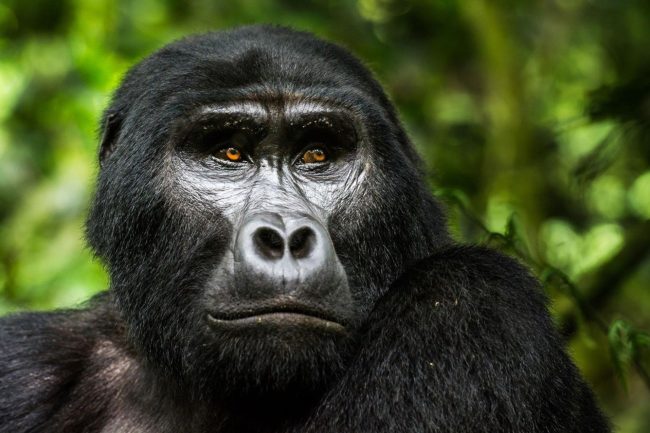
 Gorilla trekking is one of Africa’s most extraordinary wildlife experiences, offering travelers the opportunity to observe endangered gorillas in their natural rainforest habitats. From the mountain gorillas of Uganda and Rwanda to the eastern lowland gorillas of the Democratic Republic of the Congo and western lowland gorillas of the Republic of the Congo, Africa offers several destinations for people interested in seeing these remarkable primates.
But where can you see gorillas in Africa? How much does gorilla trekking cost, and what rules and regulations must visitors follow?
This guide covers the main gorilla trekking destinations, permit prices, the difference between standard trekking and gorilla habituation, the best time to visit, and the essential rules for responsible gorilla encounters.
Where Can You See Gorillas in Africa?
Gorillas live naturally in the tropical forests of Central and East-Central Africa. The main destinations for organized gorilla tourism include Uganda, Rwanda, the Democratic Republic of the Congo (DRC), and the Republic of the Congo.
Each destination offers a different experience depending on the gorilla subspecies, forest environment, tourism infrastructure, and conservation arrangements.
1. Uganda: Bwindi Impenetrable National Park
Bwindi Impenetrable National Park in southwestern Uganda is one of Africa’s leading mountain gorilla trekking destinations. This UNESCO World Heritage Site protects an ancient rainforest that supports a significant proportion of the world’s mountain gorillas.
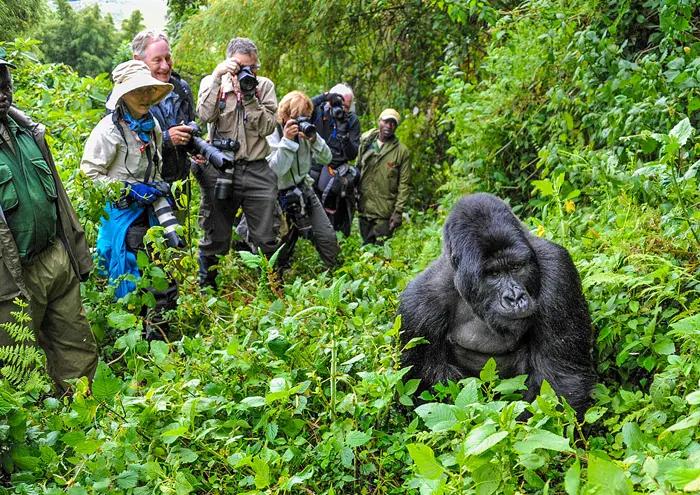
Visitors can track habituated gorilla families accompanied by trained guides and trackers. The trek may involve steep slopes, thick vegetation, muddy trails, and several hours of walking, depending on the gorillas’ location.
Bwindi has four main trekking sectors:
- Buhoma: Located in northern Bwindi, with established trekking facilities and a range of accommodation options.
- Ruhija: Situated in the eastern part of the park, offering access to different forest habitats.
- Rushaga: Located in southern Bwindi, with several habituated gorilla families and access to gorilla habituation experiences.
- Nkuringo: Found in southwestern Bwindi, known for mountainous terrain and challenging hikes.
Your permit is associated with a designated trekking location, so your accommodation and road transfers should be arranged accordingly.
Bwindi is ideal for travelers who want to combine gorilla trekking with other Ugandan experiences, including chimpanzee tracking in Kibale Forest, wildlife safaris in Queen Elizabeth National Park, birdwatching, Lake Bunyonyi, and cultural encounters.
2. Uganda: Mgahinga Gorilla National Park
Mgahinga Gorilla National Park is Uganda’s other mountain gorilla trekking destination. Located in the Virunga Mountains, the park protects forested volcanic slopes near the borders of Rwanda and the Democratic Republic of the Congo.
The park is home to the Nyakagezi gorilla family, and trekking takes place in a landscape of bamboo forests, montane vegetation, and volcanic scenery.
Besides mountain gorilla trekking, visitors may participate in golden monkey tracking and guided nature walks, subject to availability.
Both Bwindi and Mgahinga are managed by the Uganda Wildlife Authority (UWA), which oversees gorilla permits and visitor regulations.
3. Rwanda: Volcanoes National Park
Volcanoes National Park in northwestern Rwanda is the country’s principal mountain gorilla trekking destination. Located in the Virunga Mountains, it protects mountain gorillas living among bamboo forests and montane vegetation on the volcanic slopes.
A typical gorilla trekking experience begins with a morning briefing, followed by assignment to a gorilla family and a guided trek into the forest. Some treks are relatively short, while others require several hours of hiking.
Rwanda is convenient for travelers arriving through Kigali International Airport. The drive to the Volcanoes National Park area generally takes around two to three hours, depending on the starting point and road conditions.
Gorilla trekking can be combined with golden monkey tracking, cultural experiences, Lake Kivu, and visits to other Rwandan national parks.
4. Democratic Republic of the Congo: Virunga National Park
Virunga National Park in eastern Democratic Republic of the Congo is internationally known for its mountain gorillas, volcanic landscapes, and exceptional biodiversity.
However, security conditions and tourism operations in eastern DRC can change significantly. Travelers should consider gorilla trekking here only when park authorities confirm that tourism activities are operating safely and permits are officially available.
Always verify current security advisories, park access, and booking arrangements before considering this destination.
5. Democratic Republic of the Congo: Kahuzi-Biega National Park
Kahuzi-Biega National Park in eastern DRC is associated with eastern lowland gorillas, also known as Grauer’s gorillas. These gorillas differ from the mountain gorillas found in Uganda and Rwanda.
The park protects extensive tropical forest and mountainous terrain, making it important for the conservation of eastern lowland gorillas.
As with other destinations in eastern DRC, check current security advisories, authorized tourism operations, and permit availability before planning a visit.
6. Republic of the Congo: Odzala-Kokoua National Park
Odzala-Kokoua National Park in the Republic of the Congo, also known as Congo-Brazzaville, is a major conservation area in the Congo Basin rainforest.
The park is known for western lowland gorillas, forest elephants, forest buffaloes, and rich tropical biodiversity. Unlike mountain gorilla trekking in Uganda and Rwanda, gorilla experiences here take place in lowland rainforest.
Visitors may explore forest trails, observe wildlife at natural clearings known as bais, and participate in authorized gorilla-tracking activities where available.
Access often requires carefully coordinated flights, accommodation, and guided excursions. Confirm current gorilla-tracking availability and the arrangements offered by your chosen operator before booking.
Odzala-Kokoua is particularly appealing to travelers seeking a remote rainforest experience rather than a conventional savannah safari.
Gorilla Trekking Permit Prices in Africa
Gorilla trekking permits are compulsory for authorized encounters. Prices depend on the country, visitor category, and type of experience.
The following table provides key published rates for international travelers. These are permit prices, not the total cost of a safari.
| Destination and experience | Permit price per person |
|---|---|
| Uganda — standard mountain gorilla trekking, foreign non-resident | US$800 under the July 2024–June 2026 tariff |
| Uganda — gorilla habituation experience, foreign non-resident | US$1,500 under the published tariff |
| Rwanda — standard mountain gorilla trekking, foreign visitor | US$1,500 |
| DRC — Virunga or Kahuzi-Biega | Confirm official availability and current rates |
| Republic of the Congo — western lowland gorilla experience | Confirm with the authorized operator |
Important price update: Uganda’s published tariff covering July 2024 to June 2026 has ended. Travelers booking for dates from July 2026 onward should confirm the applicable rates directly with UWA or an authorized tour operator before making payment. Rwanda’s standard foreign visitor rate is listed at US$1,500, subject to current official terms.
What Does a Gorilla Trekking Permit Include?
A permit generally authorizes participation in a scheduled gorilla-tracking experience under the relevant park authority’s regulations. Exact inclusions depend on the destination and type of activity.
The following expenses may be charged separately:
- International flights.
- Airport transfers and safari vehicle hire.
- Accommodation and meals.
- Visa fees and travel insurance.
- Porter services and personal tips.
- Other activities, including chimpanzee or golden monkey tracking.
For example, a US$800 permit does not mean an entire Uganda gorilla safari costs US$800. The final price depends on the number of travelers, duration, accommodation category, transport, and other activities.
Gorilla Trekking vs. Gorilla Habituation in Uganda
Uganda offers two different mountain gorilla experiences in Bwindi: standard gorilla trekking and the gorilla habituation experience.
Standard Gorilla Trekking
Standard trekking involves visiting a habituated mountain gorilla family with authorized guides and trackers.
Visitors generally spend a maximum of one hour with the gorillas after locating them. The walking time varies according to the location of the family and the terrain.
This experience is suitable for most travelers who want to observe gorilla behaviour, including feeding, grooming, resting, and interactions between family members.
Gorilla Habituation Experience
The gorilla habituation experience allows visitors to accompany authorized researchers, trackers, and guides as they visit a gorilla group undergoing habituation.
In Uganda, the experience typically allows up to four hours with the gorillas, subject to the applicable regulations and conditions.
It is more expensive than standard trekking and is offered in designated areas of Bwindi, subject to availability.
Choose standard trekking for a conventional gorilla encounter. Consider habituation if you are particularly interested in gorilla behaviour, conservation research, and spending more time in the forest.
Gorilla Trekking Rules and Regulations
Gorilla trekking is strictly controlled because gorillas are vulnerable to human diseases, disturbance, and habitat pressure. Every visitor must follow the instructions of park authorities, guides, and trackers.
Although Uganda and Rwanda share many conservation principles, specific requirements can differ. Always follow the current rules for the destination you visit.
1. Minimum Age for Gorilla Trekking
The minimum age for standard gorilla trekking in Uganda and Rwanda is 15 years.
Children below the permitted age cannot participate in standard trekking. Families traveling with younger children should arrange alternative activities and suitable childcare.
2. Do Not Trek When You Are Sick
Visitors with a cold, flu, or another potentially contagious illness should not visit gorillas.
Gorillas are susceptible to human respiratory infections, and even a mild illness can pose a serious health risk to them.
Inform your operator or park authorities if you become unwell before the trek and follow their instructions about whether you can participate.
3. Maintain the Required Distance
Visitors must maintain the minimum viewing distance required by the relevant park authority.
Uganda’s published guidance specifies a minimum distance of 10 metres, while Rwanda’s official guidance specifies 7 metres. Regulations and field instructions may change, so confirm the current requirement before travel.
If a gorilla approaches unexpectedly, remain calm, avoid sudden movements, and follow your guide’s instructions. Never deliberately approach the animal.
4. Limit Your Time With the Gorillas
Standard gorilla trekking generally allows one hour with the gorilla family once it has been located.
This restriction helps reduce disturbance and limits prolonged human exposure. Habituation experiences have separate rules.
5. Keep Your Voice Low
Speak quietly while observing gorillas. Avoid shouting, sudden movements, or deliberately attracting their attention.
Do not imitate gorilla calls or provoke reactions. Observe the animals without interfering with their natural behaviour.
6. Do Not Touch or Feed Gorillas
Never attempt to touch, feed, or handle a gorilla, even if it approaches you.
Human contact can transmit disease and may provoke a defensive response. Allow gorillas to move freely and follow the guide’s directions.
7. Follow Photography Rules
Photography is generally permitted during gorilla trekking, but flash photography is prohibited.
Disable your camera flash before entering the forest. Avoid movements that disturb the animals and follow your guide’s instructions throughout the encounter.
8. Do Not Eat, Smoke, or Litter Near Gorillas
Follow park rules regarding eating, drinking, and smoking during the encounter.
Never leave rubbish in the forest. Food waste and other litter can affect wildlife and damage the habitat.
Carry reusable water bottles and take all waste out of the forest according to your guide’s instructions.
9. Cover Your Mouth When Coughing or Sneezing
If you need to cough or sneeze, cover your mouth and nose and turn away from the gorillas.
Do not spit in the forest. These precautions help reduce the risk of transmitting infections to wildlife.
10. Stay With Your Guide and Tracking Group
Visitors must trek with authorized guides and trackers. Do not leave the group or attempt to locate gorillas independently.
Do not run, surround a gorilla, or block its path. Remain calm and follow the guide’s instructions if an animal displays threatening behaviour.
11. Respect Group Size Limits
Under standard regulations in Uganda and Rwanda, a maximum of eight visitors is generally allowed to visit a habituated gorilla family per day.
This limit helps reduce disturbance and supports conservation management. Special experiences may have different arrangements, so confirm the rules for your activity.
12. Respect the Forest and Park Regulations
Do not damage vegetation, leave designated trails without permission, or disturb other wildlife.
If you need to use the toilet during a trek, tell your guide and follow the park’s sanitation procedures.
Responsible behavior helps protect the forest and ensures that future generations can continue to experience gorillas in the wild.
How to Book a Gorilla Trekking Permit
The safest approach is to arrange your permit through the relevant park authority or an authorized tour operator.
In Uganda, the Uganda Wildlife Authority manages permits for Bwindi and Mgahinga. In Rwanda, the Rwanda Development Board manages mountain gorilla tracking permits.
Follow these steps:
- Choose your destination and preferred trekking date.
- Confirm permit availability for the correct park and sector.
- Provide the required personal and passport details.
- Confirm the applicable permit price and payment instructions.
- Obtain written confirmation of the permit.
- Arrange accommodation and transport that match your trekking location.
- Review the current health, safety, and visitor regulations.
Gorilla permits are limited and can sell out during busy travel periods. Book early where possible, but consider a date confirmed only when the responsible authority or authorized operator has verified your reservation.
Best Time to See Gorillas in Africa
Gorilla trekking is possible throughout the year in Uganda and Rwanda, subject to permit availability and park operating conditions.
The relatively drier periods often make forest walking easier, although rain can occur at any time.
In Uganda and Rwanda, the main drier periods generally fall around June to August and December to February. Wetter periods can bring muddy trails and more challenging hiking conditions.
The best time to visit depends on your preferred travel dates, budget, accommodation, and whether you plan to combine gorilla trekking with other activities.
Because permits are limited, securing a suitable tracking date should be a priority when planning your safari.
What to Pack for Gorilla Trekking
Packing appropriately helps make your gorilla trekking experience more comfortable.
Recommended items include:
- Waterproof hiking boots with good grip.
- Long trousers and long-sleeved shirts.
- Gardening or hiking gloves for gripping vegetation where necessary.
- A lightweight waterproof jacket.
- Insect repellent.
- Drinking water and a small daypack.
- A camera with flash disabled.
- Binoculars, if desired.
- A walking stick, often available at the trekking starting point.
- Cash for porter services and personal tips.
A porter can assist with your daypack and provide support on difficult terrain. Hiring a porter can also provide income to people living around the park.
Can You Combine Gorilla Trekking With a Wildlife Safari?
Yes. Gorilla trekking can be combined with other wildlife and cultural experiences, particularly in Uganda and Rwanda.
In Uganda, travelers can combine Bwindi or Mgahinga with Queen Elizabeth National Park, Kibale Forest, Lake Bunyonyi, or Lake Mburo. These destinations offer opportunities for wildlife viewing, chimpanzee tracking, birdwatching, boat trips, and cultural experiences.
In Rwanda, gorilla trekking can be combined with Nyungwe National Park, Akagera National Park, Lake Kivu, and cultural visits around Kigali, depending on the time available.
The ideal itinerary depends on your available days, accommodation preferences, budget, and interests.
Frequently Asked Questions About Gorilla Trekking
Where is the cheapest place to see gorillas in Africa?
For foreign non-resident visitors, Uganda’s published standard mountain gorilla permit price of US$800 was lower than Rwanda’s standard US$1,500 rate. However, Uganda’s tariff for July 2024–June 2026 has expired, so confirm the current price before comparing costs. Total safari expenses also depend on accommodation, transport, and trip duration.
How much does gorilla trekking cost in Uganda?
The published standard permit fee for foreign non-residents was US$800 under Uganda’s July 2024–June 2026 tariff. Travelers booking for later dates should confirm the current rate with UWA or an authorized operator.
How much does gorilla trekking cost in Rwanda?
Rwanda’s standard foreign visitor permit is listed at US$1,500 per person, subject to current official terms and any applicable promotions.
How long do you spend with gorillas?
Standard gorilla trekking generally allows one hour with the gorilla family after it is located. Uganda’s habituation experience typically allows up to four hours, subject to its specific regulations.
Can children go gorilla trekking?
The minimum age for standard gorilla trekking in Uganda and Rwanda is 15 years.
What happens if it rains during gorilla trekking?
Treks may proceed in wet weather when park authorities consider conditions suitable. Trails can become slippery and muddy, so waterproof clothing and sturdy hiking boots are important.
Do I need a permit to see gorillas?
Yes. Visitors need the appropriate permit or authorization for official gorilla-tracking experiences. Independent gorilla tracking is not permitted.
Can I touch a gorilla during trekking?
No. Visitors must not touch or feed gorillas, even if an animal approaches. Maintain the required distance and follow your guide’s instructions.
Is gorilla trekking safe?
Gorilla trekking is conducted under controlled conditions with authorized guides and trackers. However, gorillas are wild animals, and trekking involves physical exertion and natural hazards. Follow all instructions, check travel advisories, and disclose relevant mobility concerns to your operator before booking.
Plan Your Gorilla Trekking Safari With Epic Uganda Vacation
A successful gorilla trekking safari requires more than purchasing a permit. Accommodation, transport, trekking locations, and other activities must be coordinated to make the most of your journey.
Epic Uganda Vacation helps travelers plan tailor-made Uganda safaris featuring mountain gorilla trekking, chimpanzee tracking, wildlife viewing, birdwatching, and cultural experiences.
Whether you are planning a short gorilla trekking trip or a longer East African adventure, our team can help you explore suitable destinations and build an itinerary around your travel dates, preferred accommodation, and budget.
Contact Epic Uganda Vacation to discuss your plans and begin preparing for an unforgettable gorilla trekking experience in Africa.