Rwanda Gorilla Tracking: Permits, Costs, Best Time to Visit and Travel Guide
Rwanda gorilla tracking is one of Africa’s most extraordinary wildlife experiences, offering travelers the opportunity to encounter endangered mountain gorillas in their natural habitat. Set against the mist-covered Virunga Mountains, this unforgettable adventure takes place in Volcanoes National Park in northern Rwanda, where visitors hike through lush forests and bamboo-covered slopes in search of habituated gorilla families.
Whether you are planning a luxury gorilla safari, a short trip from Kigali, or a combined Rwanda and Uganda wildlife adventure, gorilla tracking in Rwanda offers an exceptional opportunity to experience nature while supporting conservation.
At Epic Uganda Vacation, we help travelers plan memorable gorilla trekking holidays, including permit arrangements, transportation, accommodation, guided treks, and tailor-made itineraries.
In this guide, discover everything you need to know about Rwanda gorilla tracking, including permit prices, booking procedures, trekking rules, the best time to visit, what to pack, and how to plan your safari.
What Is Rwanda Gorilla Tracking?
Rwanda gorilla tracking, also called gorilla trekking, is a guided wildlife activity in which visitors hike through Volcanoes National Park to locate a habituated family of mountain gorillas.
The experience begins early in the morning with a briefing from park officials. Visitors are assigned to trekking groups and accompanied by experienced guides and trackers who lead them into the forest.
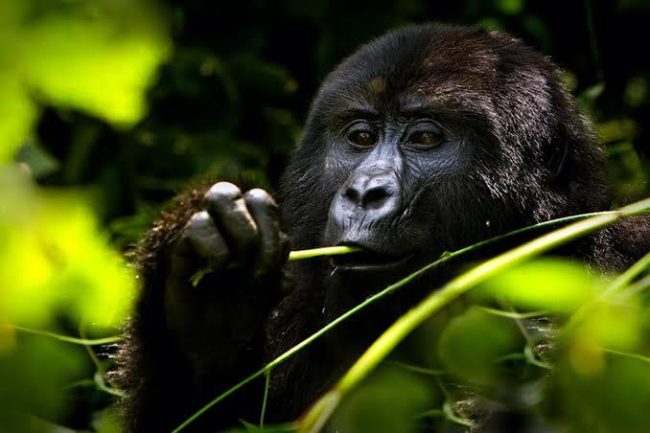
Once the gorillas are located, visitors can spend up to one hour observing them as they feed, groom one another, play, rest, and interact within their family groups.
Mountain gorillas are wild animals, and their movements determine the length and difficulty of the trek. Some groups may be reached after a relatively short hike, while others require several hours of walking across steep, muddy, or uneven terrain.
The experience is much more than a wildlife excursion. It provides an opportunity to learn about mountain gorilla behavior, forest conservation, and the communities that live around Rwanda’s protected areas.
Where Does Gorilla Tracking Take Place in Rwanda?
Gorilla tracking in Rwanda takes place in Volcanoes National Park, a protected area in the northwestern part of the country, close to the borders of Uganda and the Democratic Republic of the Congo.
The park forms part of the Virunga volcanic mountain range and protects mountain gorillas, golden monkeys, forest habitats, and a remarkable variety of other wildlife.
Its dramatic scenery includes volcanic peaks, bamboo forests, montane vegetation, and mist-covered hillsides.
The main starting point for gorilla trekking is Kinigi, where visitors report for registration and the morning briefing.
Many travelers stay in Musanze, a nearby town with accommodation options ranging from comfortable guesthouses to luxury safari lodges. Visitors arriving through Kigali can travel by road to the Volcanoes National Park area, making gorilla tracking possible even on a short Rwanda itinerary.
For more information about the destination, read our guide to Volcanoes National Park in Rwanda.
How Much Does Rwanda Gorilla Tracking Cost?
The main expense is the gorilla tracking permit, which grants access to the guided mountain gorilla trekking experience.
According to the official Rwanda Development Board booking portal, the standard foreign visitor permit is US$1,500 per person. The portal also lists promotional rates for certain visitor categories, subject to eligibility and applicable dates.
The published promotional rates include:
- Foreign residents in Rwanda: US$500.
- Rwandan citizens: US$200.
- East African citizens: US$200.
- African citizens and qualifying foreign residents in Africa: US$500.
Important: The RDB portal states that these promotional rates do not apply from June through October 2026. Eligibility requirements and future pricing periods should be confirmed directly with the official booking portal before making payment.
Check current prices and availability through the RDB
What Is Included in the Gorilla Tracking Permit?
The permit covers the authorized gorilla tracking activity under the park’s regulations, including the guided tracking experience and the permitted viewing time with the gorillas.
However, travelers should budget separately for other safari expenses unless these are specifically included in their tour package.
Additional costs may include:
- Accommodation before and after the trek.
- Airport transfers and ground transportation.
- Meals and drinks.
- Professional safari services and itinerary planning.
- Porter services for carrying a daypack.
- Travel insurance and personal expenses.
- Optional activities such as golden monkey tracking or a visit to the Dian Fossey research area.
The total cost of a Rwanda gorilla safari therefore depends on the number of travel days, accommodation category, transport arrangements, and other activities included.
How to Book a Rwanda Gorilla Tracking Permit
Gorilla permits are limited, and demand can be high during popular travel periods. Booking well in advance is recommended, particularly if you have fixed travel dates or want to stay at a specific lodge.
Follow these steps to organize your trek.
1. Choose Your Travel Dates
Decide when you want to visit Rwanda and how many days you can spend in the country. Allow sufficient time for transfers, the morning trek, and other activities you may wish to enjoy.
2. Confirm Permit Availability
Check availability through the official Rwanda Development Board booking system or arrange your booking through a reputable tour operator.
Before paying, confirm that the permit date, visitor category, and personal information are correct.
3. Prepare the Required Documents
Provide the identification and supporting documents requested during the booking process. Travelers claiming resident or regional rates must meet the relevant eligibility conditions.
The RDB warns that incorrect applications or invalid documents may result in denied entry, even if a permit has been purchased.
4. Arrange Transportation and Accommodation
Book accommodation near Volcanoes National Park and organize transportation to Kinigi for the morning briefing.
If you are flying into Kigali, consider arranging a private transfer so you can travel comfortably to Musanze or your chosen lodge.
5. Attend the Morning Briefing
On the day of your trek, report to the designated visitor registration and briefing center at Kinigi at approximately 7:00 a.m., following the instructions on your permit.
Park staff will explain the rules, assign visitors to trekking groups, and provide guidance for the forest hike.
What Happens During a Rwanda Gorilla Trek?
Understanding the trekking process helps you prepare for the experience.
Early Morning Registration
Your day begins with an early breakfast before traveling to the park headquarters. After registration, you receive a briefing about safety, gorilla behavior, and conservation rules.
Assignment to a Gorilla Family
Park officials assign visitors to available habituated gorilla groups. The distance and terrain involved depend on the gorillas’ location and movements.
Guided Hiking Through the Forest
You then enter the forest with your guide and trackers. The trail may pass through bamboo vegetation, thick undergrowth, muddy paths, and steep slopes.
Trekking duration varies considerably. It may take less than an hour to reach some groups, while other treks can take several hours or longer.
Observing the Mountain Gorillas
When your group locates the gorillas, you will have up to one hour to observe them under the guidance of park staff.
You may see a silverback resting or feeding, mothers caring for their young, juveniles playing, and other family members moving through the vegetation.
Photography is permitted, but flash photography is not allowed.
Returning From the Trek
After the viewing session, you hike back out of the forest. Depending on your plans, you can return to your lodge for lunch and relaxation or continue with another scheduled activity.
Best Time for Rwanda Gorilla Tracking
Rwanda offers gorilla trekking throughout the year, subject to permit availability and park operations. The best time depends on your preferred weather conditions, budget, and wider travel itinerary.
June to September
These months are generally part of Rwanda’s drier season. Trails may be less muddy, making hiking more comfortable, although rain remains possible in the mountains.
This is a popular period for gorilla trekking, so permits and accommodation should be booked early.
December to February
This is another relatively dry period that can provide good trekking conditions. It is a useful option for travelers planning a holiday around the end of the year or early in the new year.
March to May
These months generally fall within Rwanda’s longer rainy season. Forest trails can become muddy and slippery, and waterproof clothing is especially important.
The forest is lush, and travelers may find this period suitable if they are comfortable with wetter conditions.
October to November
These months generally bring shorter rains, although conditions vary from year to year. Visitors should prepare for changing weather and potentially wet trails.
Travel tip: Mountain weather is unpredictable, even during drier months. Good hiking boots, waterproof clothing, and flexible expectations are essential.
Rwanda Gorilla Tracking Rules and Regulations
Gorilla trekking rules protect visitors and help reduce the risk of transmitting human diseases to mountain gorillas.
All visitors must follow the instructions of their guides and park authorities.
Important rules include:
- Minimum age: Visitors must be at least 15 years old to participate in gorilla tracking.
- Viewing time: Time with the gorillas is limited to one hour.
- Group size: A maximum of eight visitors is permitted per gorilla trekking group.
- Viewing distance: Maintain the distance directed by park authorities. The RDB portal currently advises approximately seven metres from the gorillas.
- Health precautions: Do not visit the gorillas if you have a cold, flu, or another contagious illness. Notify your guide or park officials if you feel unwell.
- Photography: Do not use flash photography.
- Noise: Keep your voice low and avoid sudden movements.
- Food and litter: Do not litter, and follow the guide’s instructions about eating, drinking, and smoking near the gorillas.
- Gorilla behavior: If a gorilla charges, vocalizes, or behaves unexpectedly, remain calm, follow your guide’s instructions, and avoid sudden reactions.
Rules and operational procedures may be updated, so follow the current briefing provided by park staff.
What to Pack for Rwanda Gorilla Tracking
Packing the right equipment can make your trek safer and more comfortable.
We recommend bringing:
- Waterproof hiking boots with good grip.
- Long hiking trousers and a long-sleeved shirt.
- A waterproof jacket or rain poncho.
- Gardening or hiking gloves for gripping vegetation.
- A small backpack for essential items.
- Drinking water and a light snack for use when permitted.
- Sunscreen and insect repellent.
- A camera or smartphone with sufficient battery power.
- Spare socks and a change of clothes for after the trek.
- A walking stick, if needed and permitted by your guide.
Avoid carrying unnecessary heavy equipment. Porters may be available for a fee to help carry your bag and provide assistance on difficult sections of the trail.
You do not need to be an experienced mountaineer, but a reasonable level of fitness will help. Walk at a steady pace, take breaks when necessary, and inform your guide about any mobility concerns before the trek begins.
Where to Stay for Gorilla Tracking in Rwanda
Accommodation choices range from budget-friendly guesthouses to luxury lodges. The best option depends on your budget, preferred comfort level, and how much time you have.
Budget Accommodation
Budget lodges and guesthouses around Musanze can suit travelers who want to prioritize the gorilla trekking experience while keeping accommodation costs manageable.
Midrange Lodges
Midrange properties often provide private rooms, meals, comfortable facilities, and convenient access to Kinigi.
Luxury Gorilla Safari Lodges
Luxury lodges offer premium service, attractive views, high-end facilities, and personalized safari experiences. They are suitable for honeymooners, luxury travelers, and visitors seeking a more exclusive holiday.
Choose accommodation that allows you to reach the briefing center on time. Confirm transfer arrangements and meal schedules before arrival.
How to Get to Volcanoes National Park
Most international visitors arrive through Kigali International Airport.
From Kigali, you can travel by road to Musanze and continue to the Kinigi briefing center. The journey typically takes around two to three hours, depending on traffic, weather, and your exact starting point.
A private safari vehicle is often the most convenient option because it allows you to travel according to your itinerary and reach the park early in the morning.
Travelers coming from Uganda may also consider a cross-border safari, subject to current border requirements, visa arrangements, and transport logistics.
For a tailored itinerary, contact Epic Uganda Vacation.
Can You Combine Rwanda Gorilla Tracking With Other Activities?
Yes. Rwanda has several wildlife and cultural experiences that can complement a gorilla trekking holiday.
Golden Monkey Tracking
Golden monkey tracking is another popular primate experience in Volcanoes National Park. These lively monkeys inhabit the bamboo forests of the Virunga region.
Dian Fossey Grave Hike
Travelers interested in conservation history can explore the area associated with Dian Fossey and her pioneering mountain gorilla research. The hike is a separate activity and should be arranged according to current park regulations and availability.
Read more about Dian Fossey and her conservation legacy.
Nyungwe Forest National Park
Nyungwe offers rainforest hiking, chimpanzee trekking, birdwatching, and other nature experiences. Adding Nyungwe to your itinerary allows you to explore a different forest ecosystem.
Akagera National Park
Akagera is an excellent option for travelers who want to combine gorilla trekking with a savannah safari. Depending on your itinerary, you may have opportunities to see elephants, giraffes, zebras, antelopes, and other wildlife.
Combining parks requires additional time and budget, but it can create a more varied Rwanda safari.
Rwanda Gorilla Tracking vs. Uganda Gorilla Trekking
Both Rwanda and Uganda offer mountain gorilla trekking, but the experience and overall travel costs can differ.
Rwanda’s main advantage is the relatively straightforward road transfer from Kigali to Volcanoes National Park. This makes it particularly attractive for travelers with limited time who want to include gorilla trekking in a short itinerary.
Uganda offers gorilla trekking in Bwindi Impenetrable National Park and Mgahinga Gorilla National Park. It also provides opportunities to combine gorillas with other experiences, including chimpanzee trekking and savannah wildlife safaris.
Permit prices, park access, accommodation costs, and travel logistics differ between the two countries. The best destination depends on your budget, travel dates, and preferred activities.
Travelers who want to compare the options can ask Epic Uganda Vacation to design a Rwanda-only or cross-border gorilla safari.
Responsible Gorilla Tracking and Conservation
Mountain gorilla trekking contributes to conservation by creating tourism revenue and supporting employment for guides, trackers, lodge staff, drivers, and communities around protected areas.
Responsible tourism is essential because mountain gorillas are vulnerable to human diseases and habitat pressures.
Visitors can contribute by following all park rules, respecting wildlife, avoiding single-use litter where possible, supporting responsible local businesses, and treating guides and community members respectfully.
Keep a safe distance from the gorillas, follow instructions at all times, and remember that the animals’ welfare takes priority over photographs.
Frequently Asked Questions About Rwanda Gorilla Tracking
1. How much is a Rwanda gorilla tracking permit?
The official RDB booking portal lists the standard foreign visitor permit at US$1,500 per person. Promotional rates are available for certain eligible visitor categories during applicable periods. Always confirm the rate that applies to your nationality, residency status, and travel date.
2. Where can I see mountain gorillas in Rwanda?
Mountain gorilla tracking takes place in Volcanoes National Park in northwestern Rwanda, near the town of Musanze.
3. How long does Rwanda gorilla tracking take?
The trek can take several hours, depending on the gorillas’ location and the terrain. Once the group is found, visitors can spend up to one hour observing the gorillas.
4. What is the minimum age for gorilla tracking in Rwanda?
The minimum age is 15 years, according to the Rwanda Development Board’s official permit information.
5. Is Rwanda gorilla tracking difficult?
The difficulty varies. Some treks involve relatively short walks, while others require several hours of hiking on steep, muddy, or uneven trails. Basic fitness, suitable footwear, and guidance from park staff are important.
6. Can I track gorillas in Rwanda in one day from Kigali?
A day trip may be possible with carefully arranged early transport and a confirmed permit, but it involves an early departure and a long day. Staying near Volcanoes National Park the night before is often more comfortable and reduces the risk of missing the morning briefing.
7. When should I book my Rwanda gorilla permit?
Book as early as possible, especially for peak travel periods, specific dates, or luxury accommodation. Availability is limited and permits are allocated through the official booking system.
8. What happens if I do not see gorillas?
Gorilla tracking is a wildlife activity, so sightings cannot be treated as an absolute guarantee. The RDB portal outlines specific provisions for certain unsuccessful tracking circumstances, but refund or alternative arrangements depend on the reason and applicable terms. Read the current permit conditions before booking.
9. Can I take photographs during gorilla tracking?
Yes. Photography is allowed, but flash photography is prohibited. Follow your guide’s instructions and avoid movements that may disturb the gorillas.
10. Can I combine Rwanda gorilla tracking with a Uganda safari?
Yes. A cross-border itinerary can combine Rwanda’s Volcanoes National Park with Uganda’s gorilla trekking destinations or other wildlife parks. The itinerary must account for border crossings, transport time, entry requirements, and the relevant permits.
Plan Your Rwanda Gorilla Tracking Safari With Epic Uganda Vacation
A Rwanda gorilla tracking safari is an opportunity to experience one of Africa’s most remarkable wildlife encounters while contributing to mountain gorilla conservation.
From securing permits and choosing accommodation to arranging private transfers and combining gorilla trekking with other national parks, careful planning helps make the experience smooth and rewarding.
Epic Uganda Vacation can help you organize a tailor-made gorilla safari based on your travel dates, budget, group size, and preferred level of comfort.
Contact our team to discuss your itinerary, check permit availability, and plan your mountain gorilla encounter in Rwanda.
Start planning today: https://www.epicugandavacation.com/contact-us/