Mount Nyamuragira: Africa’s Active Volcano in the Democratic Republic of the Congo
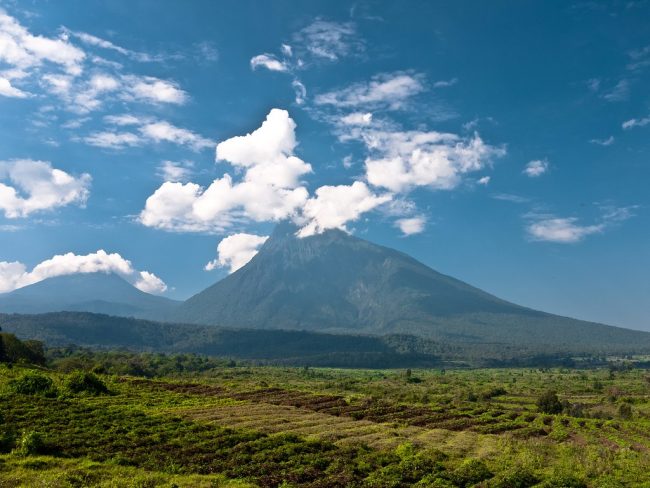
Mount Nyamuragira, also known as Mount Nyamulagira, is one of Africa’s most active volcanoes and a remarkable natural feature of the Virunga region in the eastern Democratic Republic of the Congo (DRC). Rising approximately 3,058 metres above sea level, this broad volcanic mountain is renowned for its frequent eruptions, extensive lava flows, and importance to scientific research.
Located within Virunga National Park, about 25 kilometres north of Goma, Mount Nyamuragira forms part of the volcanic landscape of the Albertine Rift. Its geological activity has shaped the surrounding terrain, created new lava fields, and influenced the development of vegetation and wildlife habitats.
Unlike Mount Nyiragongo, which is famous for its steep-sided volcanic structure and historically prominent lava lake, Nyamuragira is a broad shield volcano characterized by fluid basaltic lava and eruptions that can occur from its summit or along its flanks.
For travelers interested in volcanoes, geology, photography, and African natural history, Mount Nyamuragira is an intriguing destination to learn about. However, it is an active volcanic area, and visitor access must never be assumed. Current park operations, volcanic conditions, and regional security advisories should be checked before considering a visit.
In this guide, discover Mount Nyamuragira’s location, geological features, eruption history, differences from Mount Nyiragongo, wildlife significance, travel considerations, and conservation importance.
Where Is Mount Nyamuragira Located?
Mount Nyamuragira is located in North Kivu Province in the eastern Democratic Republic of the Congo. It lies within Virunga National Park, a protected area recognized for its exceptional biodiversity, volcanic landscapes, and mountain gorilla habitat.
The volcano is situated approximately 25 kilometres north of Goma, a major city near the northern shores of Lake Kivu. Its surrounding landscape includes other volcanic formations, forests, lava fields, and habitats that support a wide range of wildlife.
Nyamuragira forms part of the Virunga volcanic chain, which extends across the borders of the Democratic Republic of the Congo, Rwanda, and Uganda.
The region is geologically significant because it lies within the western branch of the East African Rift System, where tectonic processes have contributed to the formation of volcanoes, rift valleys, and deep lakes.
Although Mount Nyamuragira is an important feature of the Virunga landscape, its location within a protected area and an active volcanic zone means that access is subject to park regulations, safety assessments, and operational restrictions.
How High Is Mount Nyamuragira?
Mount Nyamuragira rises to approximately 3,058 metres (10,033 feet) above sea level.
It is a broad shield volcano rather than a sharply conical stratovolcano. Its shape developed through repeated eruptions of relatively fluid basaltic lava, which spread across the landscape and gradually built a wide volcanic structure.
Its elevation and volcanic terrain make it an important feature for geologists studying the formation and evolution of the Virunga volcanic region.
Unlike a conventional mountain hiking destination, however, Nyamuragira does not have a generally available, established public summit trail. Visitors should not attempt to approach its crater or lava fields independently.
Why Is Mount Nyamuragira So Famous?
Mount Nyamuragira is famous for its frequent volcanic activity and its importance to understanding active volcanism in Africa.
1. One of Africa’s Most Active Volcanoes
Nyamuragira has experienced numerous eruptions over its recorded history. Its eruptions can produce lava fountains, fissures, and extensive lava flows that reshape the surrounding terrain.
Because eruptions may occur at different locations on the volcano, monitoring its activity requires continuous scientific observation and the interpretation of geological and satellite data.
2. Extensive Basaltic Lava Flows
Nyamuragira produces basaltic lava, which is generally less viscous than the lava associated with many other volcano types.
This allows lava to travel across considerable distances under suitable conditions. As the lava cools and solidifies, it creates new rock surfaces and changes the shape of the landscape.
Over time, these flows contribute to the development of new terrain and influence the recovery of vegetation in previously affected areas.
3. Scientific Research Opportunities
The volcano is important to researchers studying magma movement, volcanic hazards, eruption patterns, and the relationship between volcanic activity and the environment.
Monitoring can help scientists assess changing conditions and improve understanding of potential hazards to nearby communities and ecosystems.
4. Its Position Within Virunga National Park
Nyamuragira is part of the wider Virunga landscape, an internationally significant conservation area known for its combination of volcanoes, forests, wetlands, savannahs, and wildlife.
The volcano adds a geological dimension to a region more widely recognized for mountain gorillas, chimpanzees, forest elephants, and other wildlife.
Mount Nyamuragira’s Volcanic History
Mount Nyamuragira has a long history of repeated eruptions. Its activity has produced lava flows that extend across parts of the surrounding landscape, making it one of the most closely studied active volcanoes in the region.
Eruptions can occur from the summit crater or from openings along the volcano’s flanks. This means that the location and direction of lava movement can vary from one event to another.
The 2010 Eruption
The 2010 eruption was an important event in the volcano’s modern history. It produced new volcanic material and provided opportunities for scientists to document changes in the landscape.
Such eruptions help researchers understand how magma reaches the surface and how lava flows affect surrounding habitats.
The 2021 Eruption Period
The volcano’s activity in 2021 renewed scientific and public interest in the Virunga volcanic system. Monitoring observations and satellite imagery helped researchers assess volcanic changes and the potential implications for nearby areas.
Because active volcanoes can change rapidly, historical information should not be treated as a substitute for current volcanic monitoring and official safety advice.
For travelers, the essential lesson is that Nyamuragira is a dynamic geological environment. Its appearance, activity, and accessibility can change, so any proposed visit must depend on current expert assessments.
Mount Nyamuragira vs. Mount Nyiragongo
Mount Nyamuragira and Mount Nyiragongo are neighboring volcanoes in the Virunga region, but they differ in structure, eruption characteristics, and their place in the region’s tourism history.
| Feature | Mount Nyamuragira | Mount Nyiragongo |
|---|---|---|
| Approximate elevation | 3,058 metres | 3,470 metres |
| Volcano type | Broad shield volcano | Steep-sided stratovolcano |
| Main geological characteristics | Basaltic lava flows and flank eruptions | Steep volcanic slopes and a historically prominent lava lake |
| Location | Virunga National Park, DRC | Virunga National Park, DRC |
| Tourism considerations | No routine independent summit access; visits require verified authorization | Historically known for guided volcano treks, subject to current park operations |
| Scientific importance | Frequent eruptions and extensive lava flows | Highly fluid lava, volcanic hazards, and historical lava-lake activity |
Both volcanoes are scientifically important, and both require careful consideration of volcanic hazards and security conditions.
Although Nyiragongo has historically been more widely known as a trekking destination, travelers should not assume that either volcano is currently open for tourism. Check the virung website or operational updates before planning travel.
Can Tourists Visit Mount Nyamuragira?
Mount Nyamuragira is not a conventional public hiking destination. Its active volcanic status, terrain, conservation regulations, and regional security situation mean that access cannot be assumed.
Any potential visit must be confirmed with the responsible park authorities and should only proceed if the relevant area is officially authorized for visitors.
Travelers should understand the following:
- Independent approaches to the volcano are not appropriate.
- Do not enter restricted park areas or attempt to reach lava fields without authorization.
- Access may be limited or suspended because of volcanic activity or security concerns.
- A view of the volcano from a permitted location does not imply permission to approach it.
- Itineraries should only be arranged through legitimate channels after access and safety have been confirmed.
For current park activities, consult virunga website. Its visitor website currently lists gorilla and Nyiragongo treks as closed until further notice. This notice does not, by itself, establish the specific status of every possible Nyamuragira observation activity, so travelers should request direct confirmation before making arrangements.
Is Mount Nyamuragira Safe to Visit?
Safety depends on the volcano’s current activity, the precise location being considered, park authorization, and the wider security situation in eastern DRC.
Nyamuragira is an active volcano. Potential hazards associated with active volcanic environments include lava flows, unstable ground, volcanic gases, ash, and sudden changes in conditions.
The wider region also presents security concerns that can affect travel routes, park operations, and emergency response.
Before considering any visit:
- Review current travel advice from your government.
- Confirm the latest park operating status directly with the responsible authorities.
- Check for relevant volcanic alerts and scientific monitoring updates.
- Ensure any proposed activity is formally authorized and professionally managed.
- Confirm that your travel insurance covers the destination and the specific activity, without exclusions that would invalidate the protection.
Do not rely on old travel blogs, historic trekking reports, or social media photographs as proof that an area is currently safe or open.
The United Kingdom’s official travel advice, for example, warns against travel to DRC provinces bordering Uganda, including Virunga National Park. Travelers should consult their own government’s latest guidance and take it seriously when deciding whether to visit the region.
Wildlife and Conservation Around Mount Nyamuragira
The wider Virunga landscape is internationally important for its biodiversity. It contains a variety of habitats that support mammals, birds, reptiles, and many other organisms.
Forest Habitats
The protected area includes forest ecosystems that contribute to biodiversity conservation and provide habitats for wildlife. The distribution of vegetation varies with elevation, climate, soil, and disturbance.
Mountain Gorillas
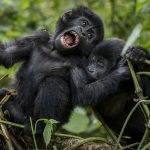
Virunga National Park is internationally known for its endangered mountain gorillas. However, gorilla trekking takes place only in designated areas under park supervision; it should not be assumed to form part of a Nyamuragira visit.
Other Wildlife
The broader park protects a wide range of species, including forest-dwelling mammals and numerous bird species. Wildlife sightings depend on habitat, location, and local conditions.
How Volcanic Activity Influences Ecosystems
Volcanic eruptions can destroy vegetation and alter habitats, but cooled lava surfaces also create new geological environments that may gradually be colonized by plants.
The recovery process depends on the age and characteristics of the lava, climate, soil development, seed availability, and other ecological factors.
This interaction between volcanic activity and ecological recovery makes the Virunga region valuable for studying how landscapes change over time.
Best Time to Visit Mount Nyamuragira
For Mount Nyamuragira, the first consideration is not the conventional tourist season but whether an authorized visit is permitted at all.
Even during generally drier periods, volcanic hazards and security restrictions can make access unsuitable.
If the relevant authorities confirm that a particular observation activity is operating, ask them about:
- The approved dates and location.
- Weather conditions and visibility.
- Volcanic activity and any relevant alerts.
- Road access and transport arrangements.
- Required permits, guides, and safety equipment.
Do not book flights, accommodation, or non-refundable services on the assumption that the volcano will be accessible during a particular month.
What Should You Know Before Planning a Trip?
Mount Nyamuragira requires more careful planning than an ordinary sightseeing destination.
Confirm Access Before Booking
Start by contacting the relevant park tourism office or authorized operator. Obtain clear confirmation of whether the specific activity is available and where it is permitted to take place.
Check Entry and Visa Requirements
Travelers must meet the Democratic Republic of the Congo’s current entry requirements. Depending on their nationality and route, they may also need separate visas or entry permissions for neighboring countries.
Check official immigration information before finalizing cross-border travel.
Review Health Requirements
Confirm vaccination and other health requirements for entry into the DRC. Virunga’s visitor guidance states that international travelers need a valid yellow fever vaccination certificate; verify current requirements with the relevant health and immigration authorities.
Arrange Suitable Insurance
Confirm that your travel insurance covers the destination, medical expenses, emergency evacuation, trip interruption, and any authorized activities you intend to undertake.
Use Authorized Transport and Guides
Do not arrange an independent expedition into restricted volcanic areas. Use only transport, guides, and access arrangements confirmed by the responsible authorities.
Can You Combine Mount Nyamuragira With Other Virunga Experiences?
The Virunga region contains several notable natural attractions, including volcanoes, mountain gorilla habitat, forests, and Lake Kivu. In principle, a wider itinerary could explore more than one of these features, but each activity must be confirmed separately.
Mount Nyiragongo
Nyiragongo is the better-known neighboring volcano because of its steep summit and historically famous lava lake. Its visitor status must be checked independently of Nyamuragira.
Mountain Gorilla Conservation
Virunga National Park is recognized for its mountain gorillas and conservation work. Gorilla trekking is a separate activity, requiring specific permits and official authorization.
Lake Kivu
Lake Kivu is a major feature of the wider region and is known for its scenic shoreline. Whether a visit is appropriate depends on the chosen route and current travel advice.
Rwanda and Uganda Nature Safaris
Travelers who are primarily interested in African wildlife and primate experiences may also consider destinations in Rwanda or Uganda. These can offer alternatives when travel to eastern DRC is not suitable, although each destination has its own entry requirements, permits, and safety considerations.
For example, Rwanda’s Volcanoes National Park is known for mountain gorilla trekking, while Uganda offers gorilla experiences in Bwindi Impenetrable National Park and Mgahinga Gorilla National Park.
Choose alternatives based on current official guidance rather than assuming that conditions are the same across the region.
Why Mount Nyamuragira Matters to Africa’s Natural Heritage
Mount Nyamuragira is more than a volcanic landmark. It is part of a dynamic geological system that has helped shape the landscapes of eastern DRC.
Its repeated eruptions provide valuable evidence of how magma moves through the Earth’s crust, how lava creates new terrain, and how ecosystems respond to disturbance.
The volcano also highlights the importance of scientific monitoring, conservation management, and responsible decision-making in regions where natural beauty coexists with environmental and security risks.
Understanding Nyamuragira helps travelers appreciate the Virunga region beyond its better-known wildlife attractions and recognize the value of protecting both its geological features and its biodiversity.
Frequently Asked Questions About Mount Nyamuragira
1. Where is Mount Nyamuragira located?
Mount Nyamuragira is located in North Kivu Province in the eastern Democratic Republic of the Congo, within Virunga National Park, approximately 25 kilometres north of Goma.
2. How high is Mount Nyamuragira?
The volcano is approximately 3,058 metres (10,033 feet) above sea level.
3. Is Mount Nyamuragira an active volcano?
Yes. Nyamuragira is one of Africa’s most active volcanoes and is known for recurring eruptions, basaltic lava flows, and activity that can occur along its flanks.
4. What type of volcano is Mount Nyamuragira?
It is a shield volcano. Repeated eruptions of relatively fluid basaltic lava have created its broad shape.
5. Is Mount Nyamuragira the same as Mount Nyiragongo?
No. They are separate neighboring volcanoes in the Virunga region. Nyamuragira is a broad shield volcano, while Nyiragongo is a steep-sided stratovolcano historically known for its lava lake.
6. Can tourists hike Mount Nyamuragira?
It should not be treated as a standard public hiking destination. Any access must be confirmed and authorized by the responsible park authorities. Independent approaches to the active volcanic zone are not recommended.
7. Is Mount Nyamuragira safe for tourists?
Safety depends on current volcanic activity, park authorization, and regional security. Check official travel advice and obtain direct confirmation from the responsible authorities before considering a visit.
8. Is Mount Nyamuragira inside Virunga National Park?
Yes. The volcano is located within Virunga National Park in the Democratic Republic of the Congo.
9. What is Mount Nyamuragira famous for?
It is famous for frequent volcanic eruptions, extensive basaltic lava flows, and its scientific importance in understanding active volcanism in Africa.
10. Can I see Mount Nyamuragira from Mount Nyiragongo?
Views of neighboring volcanoes may be possible from certain locations and under suitable conditions, but visibility depends on weather and the permitted route. Do not assume that a Nyiragongo trek is currently operating; check official park updates first.
Plan Your African Nature Adventure With Epic Uganda Vacation
Mount Nyamuragira is one of the most fascinating volcanic features of the Virunga region. Its geological activity, broad volcanic structure, and role in shaping the surrounding landscape make it an important subject for travelers interested in Africa’s natural heritage.
Because access and security conditions can change, any trip involving the volcano must begin with official confirmation of current operating status and authorized activities.
If your main interest is mountain gorillas, rainforest wildlife, or a broader East African safari, Epic Uganda Vacation can help you explore suitable itinerary options in Uganda and Rwanda based on your interests, travel dates, and budget.
Contact Epic Uganda Vacation to discuss your African nature safari:
https://www.epicugandavacation.com/contact-us/