How Many Days Does It Take to Hike Mountain Rwenzori?
To answer this question, we must first dive into the rich history and geography of this natural wonder. Indeed, understanding the terrain provides essential insight into the challenge you will face.
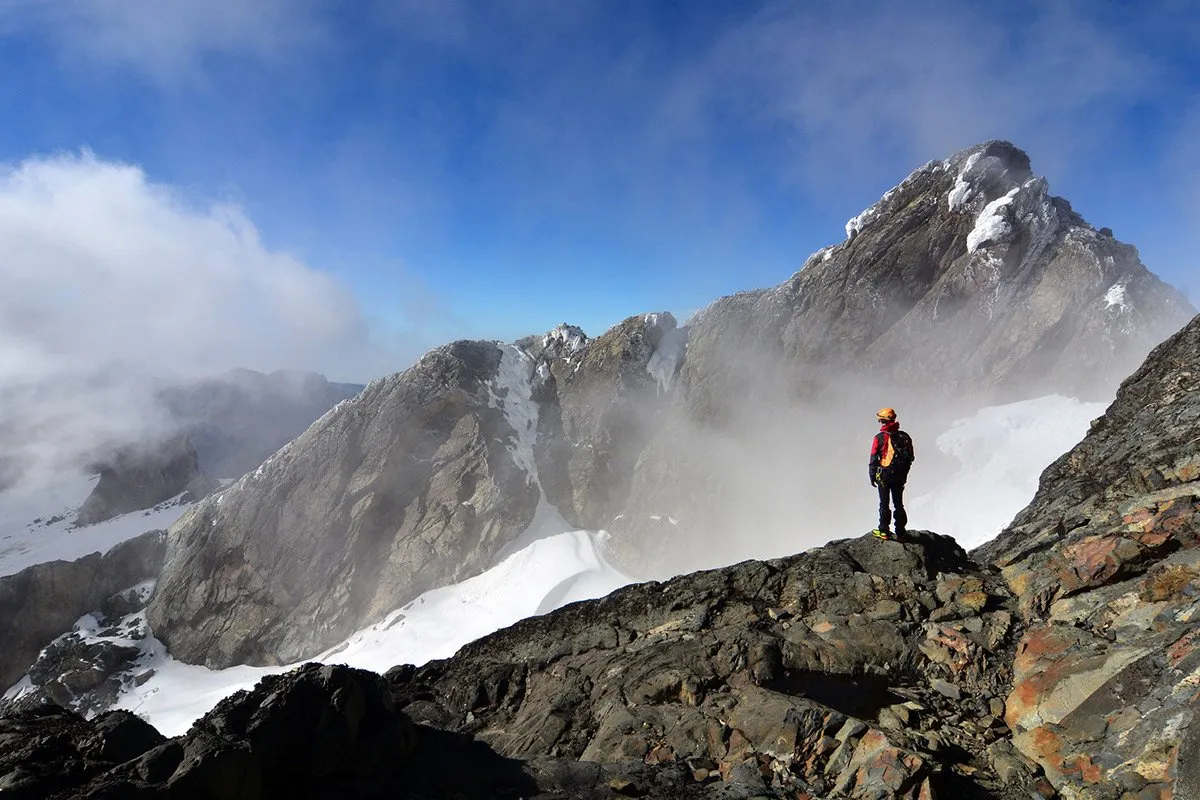
Mountain Rwenzori is Uganda’s tallest mountain, located in the heart of the Kasese district on the border with the Democratic Republic of Congo. Standing at an average altitude of 5,109 meters above sea level, its highest peak, Margherita, remains perpetually snow-capped. Consequently, the melting snow acts as the primary source for numerous rivers, lakes, and waterfalls throughout the country.
A World-Class Conservation Site
The mountain is protected within Rwenzori Mountains National Park, which spans approximately 1,000 square kilometers. Established in 1991, the park safeguards diverse landscapes and rare wildlife. Notably, in 1994, UNESCO recognized the park as a World Heritage Site due to its unique alpine flora and stunning natural beauty.
The Myth and History of the “Mountains of the Moon”
The mountain’s history is as fascinating as its peaks. Around 150 AD, the renowned geographer Alexandrine marveled at the range and named it the “Mountains of the Moon.” Centuries later, the British explorer Henry Stanley officially included it on the world map. Specifically, he named it “Ruwenzori”—a local term meaning “Rainmaker.”
Because the mountain covers various altitudes, the vegetation is remarkably mixed. As you ascend, you will pass through distinct zones:
-
Savannah Grasslands: Located at the base.
-
Afro-montane & Bamboo Forests: Home to numerous primates and birds.
-
Afro-alpine Moorland: Featuring giant lobelias.
-
Glacier Zones: The rocky, snow-filled summits.
How Long is the Hike to the Summit?
Climbing Mountain Rwenzori to its highest peaks is a significant physical and mental challenge. Typically, a full circuit to the summit and back takes between 8 to 10 days. However, several factors can influence this timeline:
-
Physical Fitness: Your physique and stamina determine your daily pace.
-
Trail Conditions: Weather plays a crucial role. If the trails are wet and muddy, navigation becomes more time-consuming.
-
The Route Chosen: Various trails offer different elevations and resting points.
The Trekking Process: From Base to Peak
Your journey begins with a detailed briefing at the Nyakalengija park headquarters. Once your gear is checked and your luggage is weighed (it must not exceed 15kg), you will set off. Therefore, many hikers choose to hire porters to assist with the load.
During the ascent, you will stop at several designated camps:
-
Nyabitaba Camp: The first stop on the lower slopes.
-
John Matte & Bujuku Camps: Higher elevation stops as the vegetation shifts.
-
Elena Hut: Located at 4,563 meters on Mount Stanley, this is the final camp before the Margherita Peak. Specifically, it offers breathtaking views of Mount Speke and Mount Baker.
Preparation and Best Time to Hike
Because the trails are often muddy and slippery, waterproof hiking boots are a must. Furthermore, hikers are encouraged to use plastic bags to keep their luggage dry from the frequent mountain rains.
Ideal Hiking Season
While you can visit year-round, the dry seasons are the most favorable. These occur from:
-
June to September
-
December to February
During these months, there is relatively less rainfall to dampen the trails. Consequently, skilled hikers can often complete the trek to the top peaks and back in 8 to 9 days with better visibility and safer footing.
Combining the Rwenzori Experience with Wildlife Adventures
If you are planning an expedition to the “Mountains of the Moon,” you should consider the incredible synergy between mountain climbing and primate encounters. Specifically, many travelers wonder, can I combine gorilla trekking with Mount Rwenzori hiking? The answer is a resounding yes. Because the mountain is located in the west, it is strategically positioned near the prime gorilla habitats of Bwindi and Mgahinga.
Indeed, combining Rwenzori trekking and gorilla trekking creates the ultimate Ugandan circuit. After enduring the high-altitude glaciers, descending into the lush rainforests to witness the mountain gorillas offers a profound change of pace. Furthermore, for those seeking a broader regional experience, you can extend your journey to include Rwanda safaris, where the volcanic peaks of the Virungas await.
Rwenzori vs. Other African Summits
While Rwenzori Mountains National Park offers a technical and rugged climbing experience, many hikers compare it to other continental giants. For instance, unlike the volcanic trek of Mount Kilimanjaro in Tanzania, the Rwenzori range provides a more diverse array of vegetation and a much lower density of tourists. Consequently, if you seek a remote and untamed wilderness, the Rwenzori mountains are your ideal destination.
Ultimately, the number of days you need depends on your preparedness and the season. By choosing the dry season and maintaining a good fitness level, you can successfully conquer Africa’s third-highest peak.