The Ultimate Adventure: Rwenzori Trekking and Gorilla Safaris in Uganda
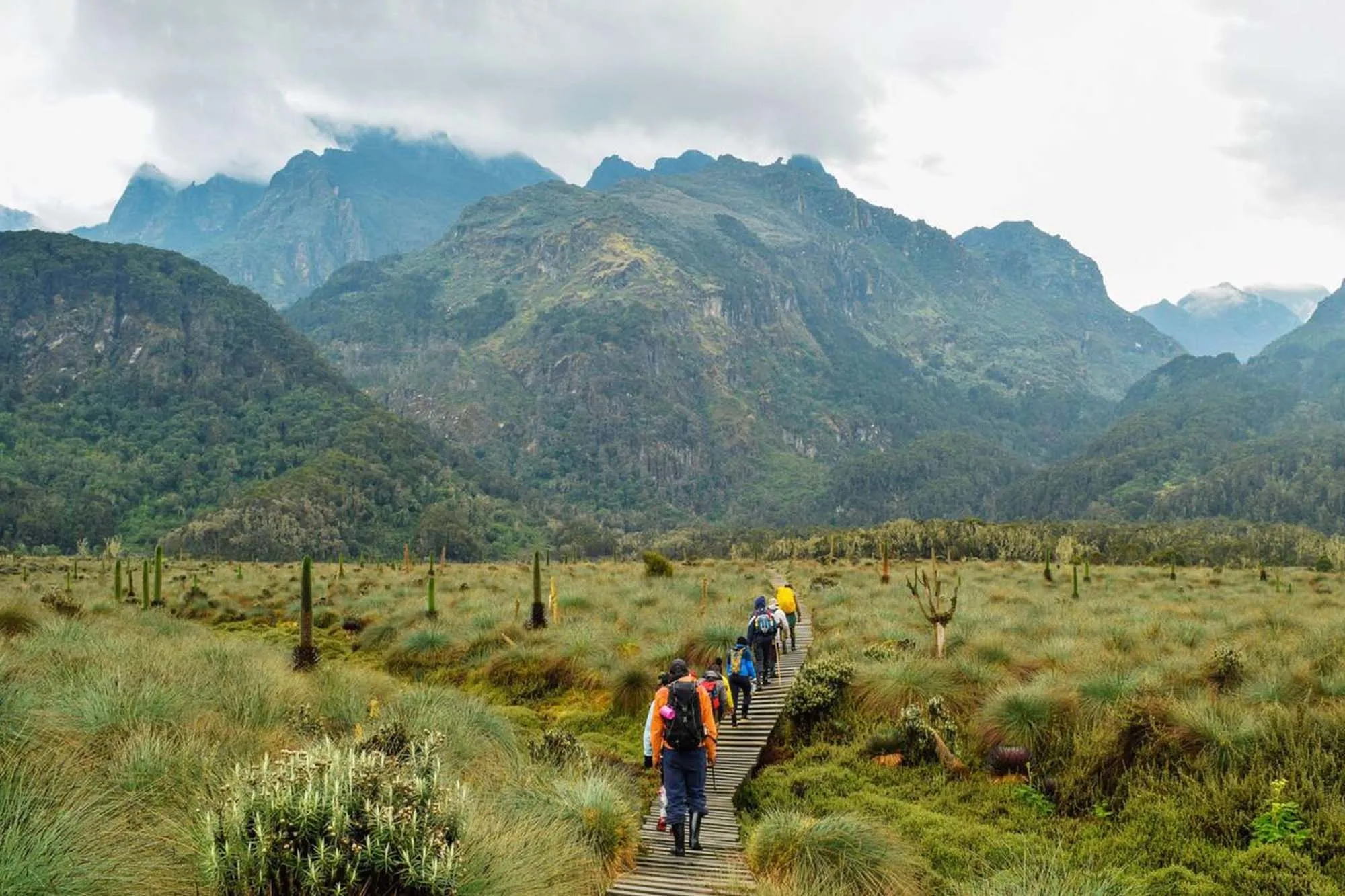
Mountain Rwenzori, located in the Kasese district, stands as the highest mountain in Uganda. Specifically, it sits in the southwestern region on the border with the Democratic Republic of Congo. Spanning over 120 square kilometers with an elevation of 5,109 meters, it represents the highest point in the country. Notably, the mountain is often called the “Mountains of the Moon” because its snowcapped peaks, including the famous Margherita Peak, extend high into the clouds. These glaciers serve as a vital source for many rivers and lakes throughout Uganda.
The Challenge of the Climb
Trekking to the summit of Mount Rwenzori is a rigorous undertaking that demands peak physical and mental preparedness. Typically, the expedition takes approximately 6 to 8 days to ascend and descend. Because the terrain is challenging, success depends heavily on your fitness level and determination.
Encountering the Endangered Mountain Gorillas
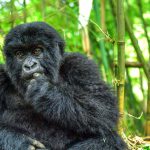
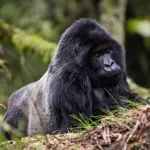
Uganda is one of the few places on Earth where you can witness the endangered mountain gorilla. Currently, the country harbors more than half of the global population. Because these primates are only found in the Virunga Conservation Area, they are strictly protected.
The Virunga Conservation Area
This critical habitat is the only place in the world to find these gentle giants. Indeed, the conservation area stretches across three countries:
-
DR Congo: Virunga National Park.
-
Uganda: Bwindi Impenetrable and Mgahinga Gorilla National Park.
-
Rwanda: Volcanoes National Park.
Gorilla Trekking: Uganda’s Leading Activity
Gorilla trekking in Uganda remains the most sought-after tourist activity. Whether you choose the ancient, dense forests of Bwindi or the volcanic slopes of Mgahinga, the experience is equally rewarding. Specifically, visitors spend an hour observing these primates as they feed, play, and interact within their social groups.
Combining the Two: The Ultimate Ugandan Circuit
 For the ultimate adrenaline seeker, combining Rwenzori trekking and gorilla trekking is the perfect choice. By starting with the physical test of the “Mountains of the Moon” and concluding with a peaceful gorilla encounter, you experience the full spectrum of Uganda’s natural beauty. Furthermore, this circuit allows you to explore the diverse Rwanda safaris just across the border.
Mountain Rwenzori trekking
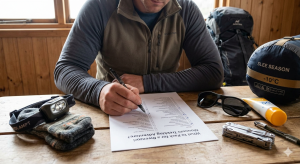
Mountain Rwenzori trekking is a world-class adventure that offers a unique blend of tropical rainforests and glaciated summits. Just like any other high-altitude expedition, your journey begins with a comprehensive pre-trekking briefing at the park headquarters. Specifically, these briefing center offices are located at the base of the mountain in Nyakalengija or Kilembe.
Duration and Physical Requirements
Depending on your physical capacity, trekking Mountain Rwenzori typically takes 6 to 8 days. Because the terrain is rugged and steep, this trek requires an elevated level of fitness. Indeed, overcoming the rocky trails and high-altitude bogs takes significant mental and physical effort. To assist hikers, the Uganda Wildlife Authority has established designated trails equipped with climbing rails in the most challenging sections.
Life on the Mountain: Huts and Elevations
As you ascend, you will utilize a network of well-maintained wooden huts for resting and meals. Notably, these huts are strategically located at different elevations to aid in altitude acclimatization. Key resting points include:
-
Nyabitaba & John Matte Huts: Located in the lush montane forest and bamboo zones.
-
Bujuku & Elena Huts: High-altitude camps serving as the base for summit attempts.
-
Kitandara & Guy Yeoman Huts: Essential stops for those descending through the central circuit.
Choosing Your Route and Gear
Mountain Rwenzori trekking takes place through two primary routes. First, the Nyakalengija (Central Circuit) offers a traditional experience, while the Kilembe (Southern Circuit) provides a more private, scenic alternative.
The Role of Porters and Gear
After the briefing, visitors must select their climbing gear to combat the harsh, unpredictable mountain weather. Furthermore, you have the option to hire professional porters. Because they carry your heavy luggage, you can focus on the technical aspects of the climb. All porters and specialized gear are hired directly at the base of the mountain.
The Majestic Peaks and Wildlife
The Rwenzori range is home to six major massifs, many of which are snowcapped. Specifically, these include:
-
Mount Stanley: Bearing the highest point in Uganda, Margherita Peak (5,109m).
-
Mount Speke & Mount Baker: Renowned for their jagged silhouettes and UNESCO World Heritage status.
-
Mount Emin, Gessi, and Luigi di Savoia: Diverse summits offering varying elevations and challenges.
Encountering Nature’s Wonders
While on your adventure to the top, you will encounter breathtaking attractions. From thunderous waterfalls to rare primates like colobus monkeys and olive baboons, the biodiversity is staggering. Additionally, keep an eye out for unique reptiles, including several rare chameleon species endemic to these slopes.
What to Pack for a Rwenzori Mountain Trekking Adventure?
Packing for the “Mountains of the Moon” requires a specialized strategy because you will transition from humid tropical forests to sub-zero glaciated peaks. Unlike many other African treks, the Rwenzoris are famously wet and muddy, meaning waterproofing is your top priority.
1. The Essential Layering System
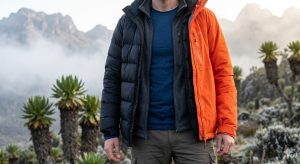
Avoid cotton at all costs; it stays wet and becomes heavy. Instead, use Merino wool or synthetic polyester.
-
Base Layers (3 sets): Moisture-wicking thermal tops and bottoms.
-
Mid-Layers: A lightweight fleece or “active” synthetic jacket.
-
Insulation: A high-quality down jacket rated for -10°C. Indeed, the nights at high-altitude huts like Elena or Kitandara are freezing.
-
Outer Shell: A 3-layer hardshell jacket and waterproof trousers. Specifically, ensure your gear is rated for heavy tropical rain.
2. Footwear & Mud Protection
-
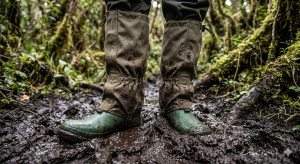
Trekking Boots: Sturdy, waterproof boots with aggressive tread. Crucially, these must be well broken-in.
-
Rubber Boots (Wellies): Vital for the boggy sections of the Central Circuit.
-
Gaiters: Essential to keep mud and water out of your boots.
-
Socks (6–8 pairs): Thick thermal wool socks and thin synthetic liners.
3. Technical Gear & Rental Options
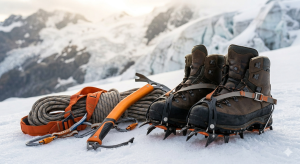 If you are aiming for the Margherita Peak summit, you will need technical equipment. While you can bring your own, many hikers choose to rent locally.
Estimated 2026 Gear Rental Prices (per item per trip): | Item | Estimated Rental Cost (USD) | | :— | :— | | Crampons | $25 | | Ice Axe | $20 | | Climbing Harness | $20 | | Sleeping Bag (-10°C) | $30 | | Trekking Poles (Pair) | $15 |
Pro Tip: Organizations like Rwenzori Mountaineering Services (RMS) and Rwenzori Trekking Services (RTS) provide rental gear at the Nyakalengija and Kilembe bases respectively.
4. Health & Safety Essentials
-
Altitude Medication: Diamox (Acetazolamide) is commonly used to prevent Altitude Sickness.
-
Sun Protection: High-altitude glaciers reflect intense UV rays. Therefore, pack Category 4 sunglasses and SPF 50+ sunscreen to prevent snow blindness.
-
First Aid: Include blister plasters, rehydration salts, and ibuprofen.
Mountain Gorilla Trekking in Uganda: The Ultimate Primate Experience
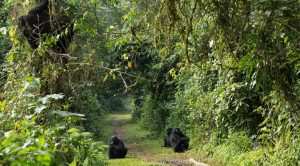
Mountain gorilla trekking is a world-renowned wildlife activity exclusively available in Bwindi Impenetrable National Park and Mgahinga Gorilla National Park. Specifically, gorilla trekking refers to the process of traversing dense, ancient forests on foot to locate these endangered primates. Indeed, spending an hour in their presence is a deeply rewarding experience that follows a few hours of tiresome yet exhilarating hiking through thick vegetation.
The Social Structure of the Gentle Giants
Mountain gorillas are social beings that live in organized groups known as families. Notably, these families can consist of anywhere from 20 to 40 individuals. Bwindi Impenetrable National Park harbors the largest population of these primates within the Virunga Conservation Area. Currently, Bwindi hosts approximately 50 gorilla families, 24 of which are fully habituated and open to tourists.
In contrast, Mgahinga Gorilla National Park has over 100 mountain gorillas but only one habituated group—the famous Nyakagezi family. Other prominent habituated families across Uganda include:
-
Mubare, Habinyanja, and Rushegura (Buhoma Sector)
-
Katwe and Nkuringo (Nkuringo Sector)
-
Shongi, Bweza, and Busingye (Rushaga Sector)
Exploring the Sectors of Bwindi
The gorilla families in Bwindi are scattered across four distinct sectors: Buhoma, Nkuringo, Ruhija, and Rushaga. Because these sectors are located in different corners of the park, trekking is organized locally to ensure visitors have the best chance of a successful encounter. Furthermore, each sector offers various accommodation facilities ranging from luxury lodges to budget-friendly campsites.
Beyond the Gorillas: Biodiversity and Activities
While the gorillas are the primary attraction, trekking also offers the chance to spot other wildlife. Specifically, you may see olive baboons, black-and-white colobus monkeys, and red-tailed monkeys. Additionally, Uganda is a premier birding destination, with numerous rare species inhabiting these forests.
Gorilla Habituation vs. Standard Trekking
For those seeking a more immersive encounter, gorilla habituation is an excellent alternative. Unlike standard trekking, where visitors spend one hour with the group, habituation allows for a maximum of four hours. Indeed, this process involves gently familiarizing wild gorillas with human presence to prepare them for future tourism and research.
Essential Packing List for Your Trek
To ensure a comfortable adventure, visitors should prepare the following packing items:
-
Long-sleeved shirts and trousers (to protect against stinging nettles)
-
Sturdy, waterproof hiking boots
-
A high-quality raincoat or waterproof jacket
-
A personal first-aid box and gardening gloves