Virunga National Park: Complete Guide to Africa’s Oldest National Park
Virunga National Park is one of Africa’s most extraordinary natural landscapes, famous for its mountain gorillas, active volcanoes, tropical forests and remarkable biodiversity. Located in the eastern Democratic Republic of the Congo (DRC), the park was established in 1925 and is recognised as Africa’s oldest national park.
Covering approximately 7,900 square kilometres, Virunga protects an exceptional variety of habitats, from tropical forests and savannah plains to volcanic landscapes and the snow-capped Rwenzori Mountains. It is part of the Albertine Rift, a region recognised for its exceptional concentration of endemic wildlife.
For travellers interested in African wildlife, conservation and dramatic mountain scenery, Virunga National Park is an important destination to understand. However, ongoing insecurity in eastern DRC has severely affected access to the park. As of October 2026, the official Virunga tourism website states that gorilla trekking and Mount Nyiragongo treks are closed until further notice. Travellers must verify current conditions before making any plans.
Where Is Virunga National Park?
Virunga National Park is situated in North Kivu Province in eastern Democratic Republic of the Congo, close to the borders with Uganda and Rwanda.
The park extends across a remarkable range of elevations, from lowland areas near Lake Edward and the Semliki region to the high peaks of the Rwenzori Mountains. Its landscapes include dense tropical forests, grasslands, wetlands, volcanic plains and mountain ecosystems.
Virunga’s location within the Albertine Rift helps explain its exceptional biodiversity. The region contains numerous species that occur nowhere else in the world or have particularly important populations there.
Virunga also borders other protected areas, including Uganda’s Rwenzori Mountains National Park, making it part of a wider regional conservation landscape.
Why Is Virunga National Park Famous?
Virunga is best known for four major features:
-
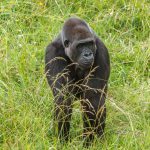
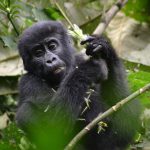
Mountain gorillas: The park protects endangered mountain gorillas in the Virunga Massif.
-
Active volcanoes: Mount Nyiragongo and Mount Nyamuragira are among the region’s notable volcanic features.
-
Exceptional biodiversity: The park supports a wide variety of mammals, birds, reptiles, amphibians and plants.
-
World Heritage status: UNESCO recognises Virunga for its outstanding natural importance.
The park was designated a UNESCO World Heritage Site in 1979. It has also remained on UNESCO’s List of World Heritage in Danger since 1994 because of serious conservation and security challenges.
A Landscape of Volcanoes, Forests and Biodiversity
Virunga National Park contains some of the most varied landscapes in Africa. Its habitats support wildlife adapted to lowland forests, high-altitude vegetation, wetlands and open grasslands.
The park’s ecological importance is reflected in its remarkable diversity of mammals, birds, reptiles, amphibians and plant species. UNESCO records 218 mammal species, 706 bird species, 109 reptile species and 78 amphibian species.
Among its most significant wildlife are mountain gorillas, eastern lowland gorillas, eastern chimpanzees, elephants, hippopotamuses and numerous other mammals. The park also contains important Albertine Rift plant and animal species.
This diversity makes Virunga an important site for wildlife conservation and scientific research. Protecting its habitats also supports the wider ecological health of the Albertine Rift.
Top Attractions in Virunga National Park
1. Mountain Gorilla Trekking
Mountain gorilla trekking has historically been one of Virunga National Park’s principal tourist activities. Visitors could join guided treks into the forest to observe habituated gorilla groups under the supervision of park staff.
The experience offered an opportunity to learn about gorilla behaviour, family structures, feeding habits and conservation challenges.
A typical gorilla trek, when operating, begins with a briefing from authorised park personnel. Trekkers then enter the forest with guides and trackers to locate the gorillas. The duration depends on the group’s location, terrain and weather.
Gorilla viewing is governed by strict rules designed to reduce disturbance and disease transmission. Visitors must follow instructions about minimum viewing distances, group conduct, health requirements and the permitted time with the animals.
Current travel status: The official Virunga tourism website states that gorilla treks are closed until further notice. Do not assume that permits can be used or that trekking is available simply because older articles describe the experience. Check the official tourism website for updates before considering a booking.
2. Mount Nyiragongo
Mount Nyiragongo is an active stratovolcano near Goma, known internationally for its volcanic activity and dramatic crater landscape.
Before the latest closures, guided overnight hikes to the summit were a major attraction. Trekkers climbed through different vegetation zones before reaching the crater rim, where they could observe the volcanic landscape when conditions allowed.
Nyiragongo has experienced major eruptions, including the destructive eruption of May 2021. Volcanic conditions can change, and any future hiking operation would require careful monitoring and official authorisation.
The climb is physically demanding and requires appropriate footwear, warm clothing, a guide and preparation for changing mountain weather.
Current travel status: Mount Nyiragongo treks are listed as closed until further notice on the official Virunga tourism website. Do not plan a hike until the park formally confirms that the activity has reopened and current travel advice permits the journey.
3. Mount Nyamuragira
Mount Nyamuragira is another active volcano in the Virunga region. It is known for its frequent eruptive activity and importance to the geology of the East African Rift.
The surrounding volcanic landscape illustrates the forces that have shaped eastern DRC over millions of years. Lava flows, volcanic deposits and changing landforms make this area important for geological research.
Although Nyamuragira is a significant natural feature, it should not be treated as an ordinary hiking destination. Access is subject to volcanic hazards, park rules and the security situation.
4. The Rwenzori Mountains
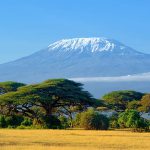
Virunga National Park includes part of the Rwenzori mountain landscape, where high peaks, glaciers and unusual alpine vegetation create a striking contrast with the park’s lowland forests and savannahs.
The Rwenzori range is especially important for its high-altitude ecosystems and dramatic scenery. Its highest summit, Margherita Peak on Mount Stanley, reaches 5,109 metres and lies on the border between Uganda and the Democratic Republic of the Congo.
Travellers interested in mountaineering can also research trekking routes on Uganda’s side of the range, including the Kilembe Trail and Central Circuit Trail. These are separate trekking areas with their own access arrangements, and travel conditions must be checked independently.
Read more: Mount Rwenzori Hiking Safari.
5. Wildlife Watching and Birdwatching
Virunga’s different habitats support a wide variety of wildlife, making the park important for ecological research and conservation.
The wider park landscape is home to mountain gorillas, eastern lowland gorillas, eastern chimpanzees, hippopotamuses and many bird species. Its wetlands, forests and grasslands provide habitats for different groups of animals.
Birdwatching can be particularly rewarding in the Albertine Rift, which contains numerous regionally endemic birds. However, access to specific locations and the availability of guided activities depend on park operations and security conditions.
Visitors should never enter restricted areas or attempt independent wildlife excursions in an unstable region.
Gorilla Trekking in Virunga Compared with Uganda and Rwanda
Mountain gorillas live in the Virunga Massif, which extends across the borders of the Democratic Republic of the Congo, Rwanda and Uganda. Uganda also protects mountain gorillas in Bwindi Impenetrable National Park.
Although the gorilla species is the same, trekking arrangements, permit prices, access and security conditions differ by country.
Virunga has historically advertised gorilla permits at prices below those charged in Uganda and Rwanda at certain times. However, comparing permit prices alone is not enough when planning a gorilla safari.
Travellers should consider:
-
Whether trekking is officially operating.
-
The latest security advice for the destination.
-
Permit availability and current prices.
-
Transport, accommodation and border-crossing arrangements.
-
Health requirements and cancellation conditions.
At present, the official Virunga tourism website lists gorilla trekking as closed until further notice. Travellers seeking a mountain gorilla experience should investigate currently operating options in Uganda or Rwanda, while checking the latest travel advice and permit requirements for their chosen destination.
How to Get to Virunga National Park
Historically, visitors have accessed the southern sector of Virunga through Goma, with some itineraries connecting from Kigali in Rwanda or Kisoro in Uganda.
However, routes and border arrangements that were used in the past must not be assumed to be available today.
As of October 2026, the UK Foreign, Commonwealth & Development Office advises against all travel to North Kivu Province, where Virunga National Park is located. Its advice also reports that the security situation around Goma and the wider region remains highly unstable, with border crossings and transport routes subject to disruption.
Travellers should not attempt to reach Virunga through Rwanda or Uganda without first confirming current official advice, border conditions and park access. A route that appears geographically short may still be unsafe or unavailable.
For any future trip, verify transport arrangements directly with official authorities and the park’s authorised tourism team.
Accommodation in Virunga National Park
Virunga has historically offered accommodation options for visitors undertaking gorilla trekking and volcano hikes, including park-associated lodges and mountain accommodation.
The types of accommodation previously available have varied by location and activity, from comfortable lodge stays to simpler overnight facilities associated with trekking.
However, accommodation listings and historical package descriptions do not establish that a property is currently open or reachable.
Before considering a stay, confirm:
-
Whether the accommodation is operating.
-
Whether the route to it is officially accessible.
-
Whether park activities are running.
-
What security arrangements are in place.
-
Cancellation and refund terms.
-
Whether travel insurance covers the destination and activities.
Avoid paying for a package based only on old website listings or third-party booking descriptions.
Is Virunga National Park Safe to Visit?
Safety is the most important consideration for anyone researching a visit to Virunga National Park.
Eastern Democratic Republic of the Congo has experienced serious insecurity, armed conflict and disruptions to transport and tourism. The situation can change quickly, and emergency assistance may be limited.
As of October 2026, the UK government advises against all travel to North Kivu Province, including the area where Virunga is located. The official Virunga tourism website separately lists gorilla trekking and Nyiragongo hikes as closed until further notice.
These are significant warnings, and travellers should not rely solely on statements that security personnel accompany visitors or that a destination was open in the past.
Before making any travel decision:
-
Read the current travel advisory issued by your government.
-
Check official Virunga National Park tourism updates.
-
Confirm whether the intended activity and route are operating.
-
Review travel insurance exclusions and emergency evacuation provisions.
-
Postpone travel if official advice warns against visiting the area.
The park’s conservation value is undeniable, but it does not outweigh the need to make informed safety decisions.
Best Time to Visit Virunga National Park
Virunga’s climate varies with elevation and habitat. Lower areas can be warm and humid, while higher elevations experience cooler temperatures, rain, mist and potentially severe mountain weather.
In normal tourism planning, weather conditions influence forest trekking, volcano hikes, road access and wildlife viewing. However, seasonal considerations are secondary while tourism activities remain closed and official travel advice warns against visiting the region.
If park activities reopen in the future, travellers should confirm the recommended season, current trail conditions and required equipment directly with the park.
Frequently Asked Questions About Virunga National Park
Why is Virunga National Park famous?
Virunga is famous for its mountain gorillas, active volcanoes, diverse habitats and UNESCO World Heritage status. Established in 1925, it is recognised as Africa’s oldest national park.
Where is Virunga National Park located?
The park is in eastern Democratic Republic of the Congo, primarily in North Kivu Province, near the borders with Uganda and Rwanda.
Can tourists trek gorillas in Virunga in 2026?
The official Virunga tourism website currently lists gorilla trekking as closed until further notice. Check the official website and your government’s latest travel advice before considering any plans.
Can visitors hike Mount Nyiragongo?
The official tourism website currently lists Mount Nyiragongo treks as closed until further notice. Do not plan the hike unless an official reopening is confirmed and travel to the region is considered appropriate.
Is Virunga National Park a UNESCO World Heritage Site?
Yes. Virunga was inscribed on the UNESCO World Heritage List in 1979 and has remained on the List of World Heritage in Danger since 1994.
What wildlife lives in Virunga National Park?
The park supports mountain gorillas, eastern lowland gorillas, eastern chimpanzees, hippopotamuses, many bird species and numerous other mammals, reptiles, amphibians and plants.
Can Virunga be combined with a Uganda safari?
Virunga and Uganda are geographically close, but cross-border travel must not be assumed safe or available. Given the current warnings concerning North Kivu, travellers should not plan an itinerary that enters Virunga without checking official travel advice and current border and park arrangements.
Final Thoughts: Discovering Virunga’s Natural Heritage
Virunga National Park is one of Africa’s most remarkable conservation landscapes. Its mountain gorillas, active volcanoes, tropical forests and extraordinary biodiversity make it a place of global ecological importance.
Yet the park’s story is also one of conservation challenges, insecurity and the efforts required to protect endangered wildlife in a difficult environment.
As of October 2026, the park’s official tourism website lists gorilla trekking and Mount Nyiragongo hikes as closed until further notice, while official travel advice warns against visiting North Kivu. Travellers should therefore treat Virunga as a destination to research rather than assume it is currently available for a holiday.
For visitors seeking an African wildlife experience, Uganda offers mountain gorilla trekking in Bwindi Impenetrable National Park, chimpanzee tracking, savannah safaris, birdwatching and Rwenzori mountain trekking. Epic Uganda Vacation can help travellers research and plan Uganda itineraries based on their interests, travel dates and preferred accommodation.
The best wildlife journey is one that combines memorable experiences with respect for conservation, local communities and the safety of everyone involved.