A Guide to Ngorongoro Crater, Africa’s Eden in Tanzania
Often called “Africa’s Eden,” the Ngorongoro Crater stands as one of the most remarkable natural wonders of the world. Each year, thousands of tourists travel to Tanzania to witness this unique geographical feature.
The World’s Largest Intact Caldera
The Ngorongoro Crater is the world’s largest inactive, intact, and unfilled volcanic caldera. As a UNESCO World Heritage Site, it sits nestled within the lush, green slopes of the Tanzanian highlands. Travelers often find themselves speechless when they first comprehend the sheer scale of this “big hole in the ground.”
Wildlife and Biodiversity in the Crater
The crater floor covers almost 260 square kilometers and provides a permanent home to thousands of animals. Because the crater acts as a natural enclosure, you can spot almost all major African wildlife species here.
During a game drive, you can expect to see:
-
Large Predators: Prides of lions act as the kings and queens of the crater floor.
-
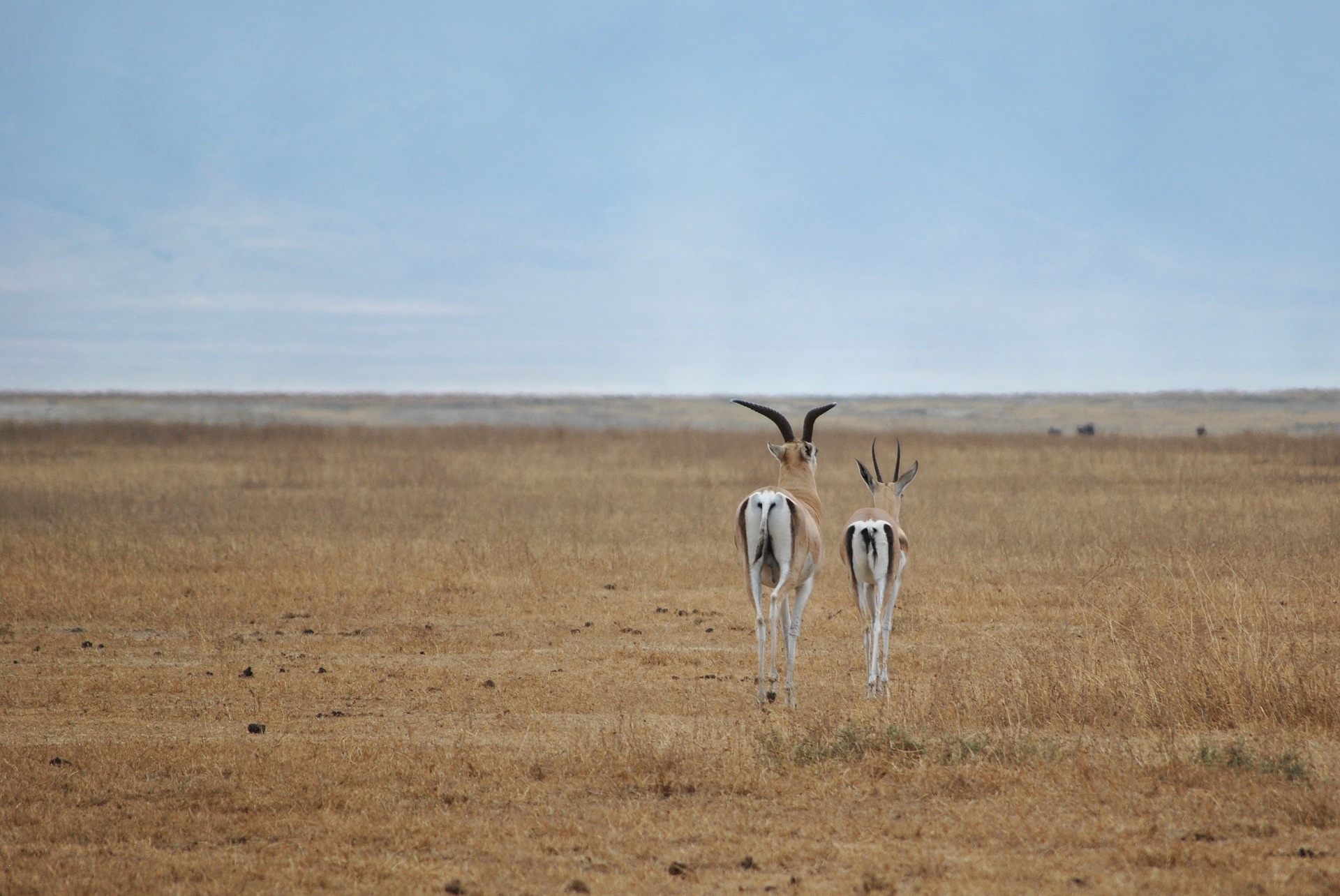
Herbivores: Massive herds of zebra, wildebeest, buffalo, and Grant’s gazelle graze on the golden shimmering grass.
-
Water Species: Hippos and waterbucks frequent the crater’s permanent water sources.
-
The Big Five: This is one of the best places in Africa to see the endangered Black Rhino.
Stunning Geography and Birdlife
The crater walls rise between 400 and 610 meters above the caldera floor. While the floor is a golden savannah, the rim remains heavily forested. This contrast creates a stunning backdrop for photography.
While most “safarians” focus on big game, bird enthusiasts will find plenty to enjoy. A variety of bird species live in the woods along the crater rim. Their melodies offer a peaceful escape from the hustle and bustle of modern life.
History of the Conservation Area
The crater lies within the Ngorongoro Conservation Area, which once formed part of the Serengeti National Park. This conservation area encompasses the short grass plains of the southern Serengeti and the Ngorongoro highlands. These highlands consist of a series of extinct volcanoes positioned on the western side of the Great Rift Valley.
Planning Your Visit: Access and Transport
Reaching the Ngorongoro Crater is no longer a difficult task. You have two primary options for travel:
-
By Road: Adventurous travelers can drive from Arusha via a well-paved highway. This route offers scenic views of the Tanzanian countryside.
-
By Air: If you are limited by time, you can fly. Light aircraft fly daily from Dar es Salaam to Arusha. Other airstrips across Tanzania also connect to Arusha, the closest hub to the crater.
Where to Stay
While authorities prohibit accommodation inside the crater itself, several luxury lodges and hotels sit directly on the crater rim. These properties offer breathtaking views of the caldera below. Additional accommodation options are available along the nearby Rift Valley escarpment.
Nearby Attractions and Cultural Experiences
A safari to Ngorongoro often includes visits to nearby landmarks, such as:
-
Empakaai Crater: A smaller but beautiful crater featuring a deep alkaline lake.
-
Olduvai Gorge: Known as the “Cradle of Mankind,” this is a vital paleoanthropological site.
-
Maasai Village Trips: Visit the nomadic Maasai people in their bomas (circular homesteads). These visits offer insight into the culture of the people who inhabited the Serengeti for centuries.
Experience the Magic of Tanzania
An Ngorongoro Crater safari is a bucket-list experience that no traveler to Africa should miss. It offers a rare chance to see a self-contained ecosystem thriving in a volcanic bowl. Book your short trip to the crater and discover why it is truly called Africa’s Eden.