Northern Tanzania Safari: Best Parks, Wildlife, Itineraries and Travel Tips
Introduction: Explore the Best of Northern Tanzania
A Northern Tanzania safari offers an unforgettable introduction to Africa’s spectacular wildlife, vast savannah plains, volcanic landscapes and rich cultural heritage. From following the Great Wildebeest Migration across the Serengeti to exploring the wildlife-rich Ngorongoro Conservation Area, this region brings together some of East Africa’s most celebrated safari destinations.
A well-planned Northern Tanzania safari can offer opportunities to see lions, elephants, giraffes, buffaloes, zebras and other wildlife in their natural habitats. Beyond traditional game drives, travellers can discover the ancient baobab trees of Tarangire National Park, explore the forests and lakeshore of Lake Manyara National Park, or extend their journey with a Mount Kilimanjaro adventure.
Whether you are planning a short wildlife getaway, a luxury safari, a family holiday or an extended East African adventure, Northern Tanzania offers experiences for different interests and budgets.
In this guide, EPIC UGANDA VACATION LTD explains the best places to visit, wildlife experiences, ideal travel seasons, suggested itineraries and practical tips to help you plan your Northern Tanzania safari.
Where Is Northern Tanzania?
Northern Tanzania is a major tourism region in the northeastern part of the country. Its best-known safari destinations include Serengeti National Park, Ngorongoro Conservation Area, Tarangire National Park, Lake Manyara National Park and Arusha National Park.
The region also attracts hikers and adventure travellers to Mount Kilimanjaro and visitors seeking distinctive landscapes around Lake Natron.
Arusha is the principal gateway for many Northern Tanzania safaris. International visitors commonly arrive through Kilimanjaro International Airport before transferring to Arusha or continuing towards their chosen destinations.
The region’s landscapes range from open grasslands and woodland to volcanic highlands, crater floors, lakes and mountain forests. This diversity supports a remarkable range of wildlife and outdoor experiences.
Best Places to Visit on a Northern Tanzania Safari
1. Serengeti National Park: Home of the Great Wildebeest Migration
Serengeti National Park is one of Africa’s most famous wildlife destinations. Its expansive grasslands, diverse habitats and abundant wildlife make it a highlight of almost any Northern Tanzania safari.
The park forms part of the wider Serengeti–Mara ecosystem, where wildebeest, zebras and gazelles move seasonally in search of fresh grazing and water. This spectacular natural movement is known as the Great Wildebeest Migration.
Wildlife in Serengeti National Park
The Serengeti supports a wide range of wildlife, including:
- Lions, leopards and cheetahs.
- Elephants and buffaloes.
- Giraffes, zebras and wildebeest.
- Spotted hyenas and other predators.
- Numerous resident and seasonal bird species.
Guided game drives are the main activity, giving visitors opportunities to search for wildlife while learning about animal behaviour, habitats and the ecosystem.
When is the best time to visit the Serengeti?
The Serengeti offers rewarding wildlife viewing throughout the year, but different regions become important at different stages of the migration.
- January to March: The southern Serengeti and Ndutu region can offer opportunities to observe wildebeest calving.
- April to June: Herds may move through the central Serengeti and western corridor.
- July to October: The northern Serengeti can offer opportunities to see herds near the Mara River.
- November to December: Many herds move back towards the southern and eastern Serengeti.
These are broad seasonal patterns, not fixed dates. Rainfall affects herd movements, and river crossings cannot be guaranteed.
For the best experience, choose your accommodation based on the likely location of the herds during your travel dates.
Explore our Great Wildebeest Migration guide to learn more about seasonal movements and migration safari planning.
2. Ngorongoro Crater: A Remarkable Wildlife Sanctuary
Ngorongoro Crater is one of the most distinctive natural attractions in Tanzania. Formed when a large volcanic structure collapsed, this vast caldera is surrounded by steep walls and highland scenery.
Its grasslands, wetlands, woodland and lake habitats support a high concentration of wildlife, making it an outstanding destination for a guided game drive.
Wildlife viewing in Ngorongoro Crater
Visitors may encounter lions, elephants, buffaloes, zebras, wildebeest, hippos and several antelope species. The wider conservation area is also important for the endangered black rhinoceros, although sightings are never guaranteed.
The crater is particularly appealing to travellers who want to explore diverse wildlife habitats within a relatively compact area.
Explore beyond the crater floor
The wider Ngorongoro Conservation Area includes highland landscapes, archaeological sites and pastoral areas associated with Maasai communities. Visitors can learn about the region’s human history and the relationship between conservation, wildlife and local livelihoods.
Ngorongoro is frequently combined with Serengeti National Park, creating one of the classic multi-day Northern Tanzania safari routes.
Read our complete guide to the Ngorongoro Conservation Area for more information.
3. Tarangire National Park: Elephants and Ancient Baobabs
Tarangire National Park is famous for its elephants, ancient baobab trees and seasonal wildlife concentrations around the Tarangire River.
Unlike the open plains of the Serengeti, Tarangire features a varied landscape of woodland, grassland, riverine vegetation and distinctive baobab-dotted scenery.
What wildlife can you see in Tarangire?
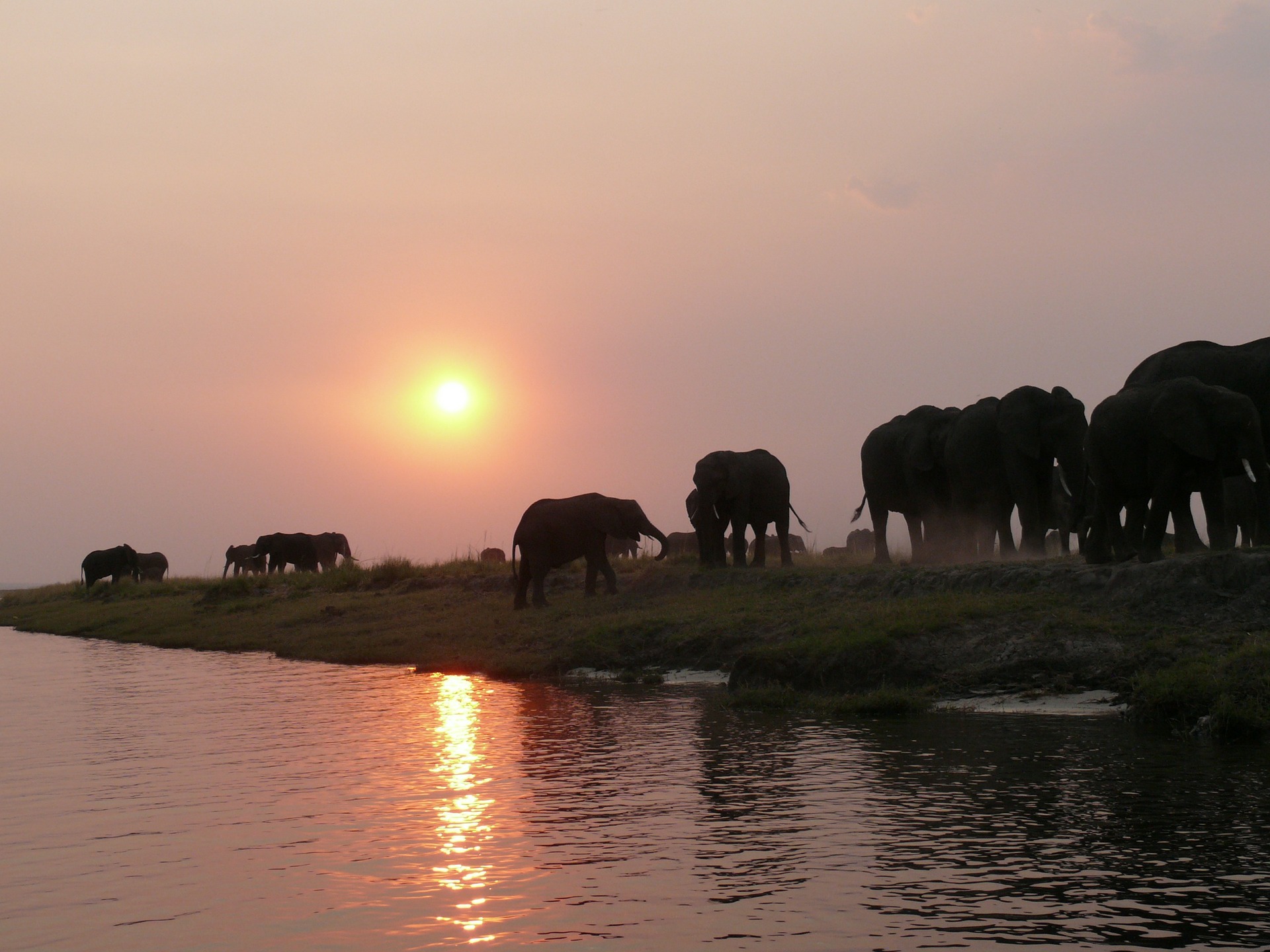
Elephants are among the park’s main attractions. Visitors may see family groups moving between feeding areas and water sources, particularly during the drier months.
Other wildlife includes giraffes, zebras, buffaloes, wildebeest, impalas and various antelope species. Lions and other predators also inhabit the park, while the different habitats make Tarangire rewarding for birdwatchers.
Best time to visit Tarangire
The dry season, generally from June to October, is popular for wildlife viewing because animals may concentrate around available water sources.
The park can also be rewarding during greener months, when changing landscapes and birdlife add variety to the safari experience.
Tarangire works well at the beginning or end of a circuit linking Arusha, Lake Manyara, Ngorongoro and Serengeti.
Discover more in our Tarangire National Park safari guide.
4. Lake Manyara National Park: Forests, Birdlife and Rift Valley Scenery
Lake Manyara National Park lies beneath the dramatic Great Rift Valley escarpment. Its habitats include groundwater forest, woodland, open grassland and lakeshore environments.
The park is associated with tree-climbing lions, although sightings depend on natural wildlife movements. Visitors may also encounter elephants, giraffes, baboons, hippos and many bird species.
Birdwatching at Lake Manyara
Lake Manyara is a rewarding destination for birdwatchers. Depending on water levels and seasonal conditions, the lake and surrounding habitats may support flamingos, pelicans, storks, herons and other waterbirds.
The forested areas provide opportunities to observe primates and woodland birds, while the lakeshore attracts species associated with wetland habitats.
Lake Manyara is a useful addition to a Northern Tanzania safari for travellers who want a more varied experience than open savannah game drives alone.
Read our Lake Manyara National Park guide before planning your visit.
5. Mount Kilimanjaro: Climb Africa’s Highest Mountain
Mount Kilimanjaro is one of Tanzania’s most recognisable landmarks and a major attraction for adventure travellers. Rising approximately 5,895 metres above sea level, it is Africa’s highest mountain.
Unlike a traditional wildlife safari, a Kilimanjaro expedition focuses on trekking through changing ecological zones, from cultivated lower slopes and montane forest to alpine terrain and the summit region.
Popular Mount Kilimanjaro climbing routes
Established routes include Machame, Lemosho, Marangu and Rongai. Each offers a different combination of scenery, duration and acclimatisation opportunities.
Choosing a suitable itinerary is important because altitude can affect climbers regardless of their physical fitness. Allow sufficient time for acclimatisation and follow the advice of professional mountain guides.
Combine Kilimanjaro with a wildlife safari
Travellers can combine a Kilimanjaro climb with a Serengeti and Ngorongoro safari, provided the itinerary allows adequate time for trekking, recovery and transfers.
This combination is ideal for visitors seeking both a physical challenge and a classic African wildlife experience.
Explore our Mount Kilimanjaro climbing guide for more information.
6. Arusha National Park: Forests, Lakes and Mountain Views
Arusha National Park is a convenient addition to a safari beginning or ending in Arusha. Although smaller than the Serengeti, it offers varied habitats and attractive scenery, including forest, crater landscapes, lakes and views of Mount Meru.
Wildlife may include giraffes, zebras, buffaloes, warthogs and several primate species. The park is also known for its birdlife and scenic landscapes.
Depending on current park regulations and availability, visitors may be able to arrange guided walking safaris or canoeing experiences with authorised personnel.
Arusha National Park is particularly useful for travellers with limited time who want to experience Tanzania’s natural environment before or after a longer safari.
Best Time to Visit Northern Tanzania
Northern Tanzania is a year-round safari destination. However, the best time to visit depends on your wildlife interests, chosen parks, travel budget and preferred weather conditions.
June to October: The Dry Season
The dry season is popular for wildlife safaris because vegetation is often less dense and animals may gather around reliable water sources.
It is also an important period for travellers hoping to follow the Great Wildebeest Migration through the western and northern Serengeti. These regions may offer opportunities to observe herds near river crossings, although the timing is unpredictable.
Accommodation in popular safari areas can be expensive or fully booked during peak travel months, so advance planning is recommended.
January to March: Wildebeest Calving Season
The southern Serengeti and Ndutu plains are important destinations during the wildebeest calving season. This period can provide opportunities to observe newborn animals and predator activity.
It is particularly attractive for photographers and travellers interested in the early stages of the migration cycle.
Explore our guides to the Ndutu Lake region and Tanzania’s calving season safari.
April to May: The Green Season
The long rains bring greener landscapes, dramatic skies and attractive photographic conditions. Some accommodation providers may offer lower rates, although rainfall can affect road conditions and transfers.
Wildlife viewing remains possible, but travellers should plan routes carefully and allow flexibility in their schedules.
November to December: Short Rains and Returning Herds
The short rains can help regenerate grazing in the southern Serengeti, encouraging migrating herds to move back towards these areas.
The landscapes may become greener, and birdwatching can be rewarding. As rainfall patterns vary, flexible planning remains important.
Northern Tanzania Safari Itineraries: How Many Days Do You Need?
The ideal safari duration depends on the parks you want to visit, the season, your budget and whether you prefer road travel or domestic flights.
| Duration | Suggested itinerary | Best for |
|---|---|---|
| 3 days | Tarangire and Ngorongoro, with routing adjusted to arrival and departure times | Short wildlife breaks |
| 5 days | Tarangire, Ngorongoro and a carefully planned Serengeti visit | First-time safari visitors |
| 7 days | Tarangire, Serengeti and Ngorongoro, with more time for game drives | A balanced classic safari |
| 8–10 days | Several nights in Serengeti, Ngorongoro and additional destinations | Travellers seeking a more relaxed experience |
| 10–14 days | A longer safari with Lake Manyara, Lake Natron or a Kilimanjaro extension | Adventure travellers and extended holidays |
These are suggested planning options, not fixed packages. Actual routes depend on road transfers, flight schedules, accommodation availability and seasonal wildlife movements.
For migration-focused travel, prioritise the relevant Serengeti region rather than trying to visit every park in a short period.
Where to Stay on a Northern Tanzania Safari
Northern Tanzania offers a range of accommodation, from campsites and comfortable lodges to luxury tented camps and high-end safari lodges.
Luxury lodges and tented camps: These can provide distinctive locations, attentive service and premium amenities. Some are positioned near important seasonal wildlife areas.
Midrange accommodation: Lodges and tented camps in this category often balance comfort and cost, with private rooms or tents and access to safari activities.
Budget accommodation and campsites: Travellers with tighter budgets can consider campsites, basic lodges and affordable guesthouses, depending on the destination and facilities available.
For a Great Migration safari, accommodation location matters. A camp close to the expected herd movements may provide more convenient wildlife viewing than one requiring long drives each day.
Before booking, confirm the property’s location, operating dates, meal plan, park fees, transfers and included activities.
Cultural Experiences in Northern Tanzania
Northern Tanzania is home to communities whose traditions, livelihoods and histories are closely connected to the region’s landscapes.
A locally organised cultural visit may provide opportunities to learn about Maasai beadwork, traditional architecture, livestock keeping, music, dance and contemporary community life.
Cultural experiences should be organised respectfully, with local consent and fair compensation. Ask permission before taking photographs and respect restrictions on what can be shared.
Travellers with additional time can explore cultural and natural heritage around the Ngorongoro highlands, Lake Natron and other parts of the region.
How to Get to Northern Tanzania
Most international travellers reach Northern Tanzania through Kilimanjaro International Airport, which serves the Arusha and Moshi area. Some itineraries may begin in Arusha after arrival through another regional airport.
From Arusha, travellers can continue by road to nearby national parks or arrange domestic flights to suitable airstrips serving the Serengeti.
Road safaris offer flexibility and opportunities to experience the countryside, but transfers between parks can take several hours.
Fly-in safaris reduce some road travel and can be useful for remote Serengeti locations, although they generally cost more and are subject to flight schedules, baggage limits and weather conditions.
When planning your trip, consider your arrival and departure airports, the location of your accommodation and the amount of time you want to spend on game drives.
What to Pack for a Northern Tanzania Safari
Packing for Northern Tanzania requires preparation for warm days, cooler mornings and evenings, dusty roads and possible rain.
Essential safari packing list
- Lightweight, neutral-coloured clothing.
- A warm fleece or jacket for early morning game drives.
- Comfortable walking shoes.
- A wide-brimmed hat or cap.
- Sunglasses and sunscreen.
- Binoculars for wildlife and birdwatching.
- A camera with spare batteries and memory cards.
- Insect repellent and personal toiletries.
- Rain protection during wetter months.
- Personal medication and required travel documents.
- A reusable water bottle and small daypack.
If your itinerary includes Mount Kilimanjaro, you will need specialist trekking clothing and equipment suitable for high-altitude conditions. Confirm the full equipment list with your trekking operator before departure.
Travellers taking domestic flights should also check luggage weight and size restrictions in advance.
Is Northern Tanzania Worth Visiting?
Northern Tanzania is an excellent choice for travellers seeking a classic African safari with a variety of wildlife, landscapes and outdoor experiences.
The Serengeti offers opportunities to follow the Great Wildebeest Migration and search for predators. Ngorongoro provides a distinctive crater environment with abundant wildlife, while Tarangire is known for its elephants and baobab trees. Lake Manyara adds forest habitats and birdlife, and Mount Kilimanjaro offers a completely different adventure for trekkers.
The region accommodates different travel styles, from short wildlife breaks to longer journeys combining several parks, cultural activities and mountain adventures.
The key to a rewarding safari is selecting destinations according to your travel dates, interests and budget, then allowing enough time to enjoy each place.
Frequently Asked Questions About Northern Tanzania Safaris
What is Northern Tanzania famous for?
Northern Tanzania is famous for Serengeti National Park, the Great Wildebeest Migration, Ngorongoro Crater, Tarangire National Park and Mount Kilimanjaro. The region also offers birdwatching, varied landscapes and cultural experiences.
What is the best month to visit Northern Tanzania?
There is no single best month for every safari experience. January to March can be rewarding for wildebeest calving in the southern Serengeti, while July to September is popular for migration viewing in the northern Serengeti. General wildlife viewing is possible throughout the year.
How many days are enough for a Northern Tanzania safari?
Five to seven days is a useful starting point for a multi-park safari. Travellers who want to climb Mount Kilimanjaro or explore more remote destinations should allow additional time.
Can I see the Big Five in Northern Tanzania?
The region supports lion, leopard, elephant, buffalo and rhinoceros. Sightings depend on the parks visited, the season and natural wildlife movements, so seeing all five is never guaranteed.
Is Northern Tanzania suitable for a family safari?
Yes. Families can enjoy game drives, nature experiences and selected cultural visits. Parents should confirm accommodation age policies, driving distances and activity restrictions before booking.
Can I combine Northern Tanzania with Uganda?
Yes. Travellers can combine Tanzania’s wildlife parks with Uganda gorilla trekking, chimpanzee tracking, birdwatching and savannah safaris. The itinerary should account for international flights, border arrangements and the time required at each destination.
Can I combine a Northern Tanzania safari with Zanzibar?
Yes. Many travellers combine a wildlife safari with a beach holiday in Zanzibar. Domestic flights can make the connection practical, depending on the route and schedule.
Are park fees included in a Northern Tanzania safari package?
This depends on the operator and package. Check whether your quotation includes park entry, conservation or crater fees, vehicle charges, accommodation, meals, guide services, transfers and optional activities. Request a written list of inclusions and exclusions before confirming your booking.
Plan Your Northern Tanzania Safari with EPIC UGANDA VACATION LTD
From the endless plains of the Serengeti to the volcanic landscapes of Ngorongoro and the giant baobabs of Tarangire, Northern Tanzania offers an exceptional variety of East African experiences.
Whether you want to follow the Great Wildebeest Migration, photograph elephants, climb Mount Kilimanjaro or combine Tanzania with a gorilla trekking adventure in Uganda, a well-planned itinerary can bring your interests together.
EPIC UGANDA VACATION LTD can help you plan a personalised East African journey around your travel dates, accommodation preferences, wildlife interests and budget.
Contact EPIC UGANDA VACATION LTD to start planning your Northern Tanzania safari.