The Ultimate Guide to Tarangire National Park (2026): Safari, Wildlife, Costs & Travel Tips
As you plan your East African adventure for 2026, one destination stands apart from the well-trodden path of the Northern Circuit. While the Serengeti grabs the headlines for the Great Migration and the Ngorongoro Crater is famous for its dense wildlife, Tarangire National Park is the quiet, charismatic soul of Tanzania.
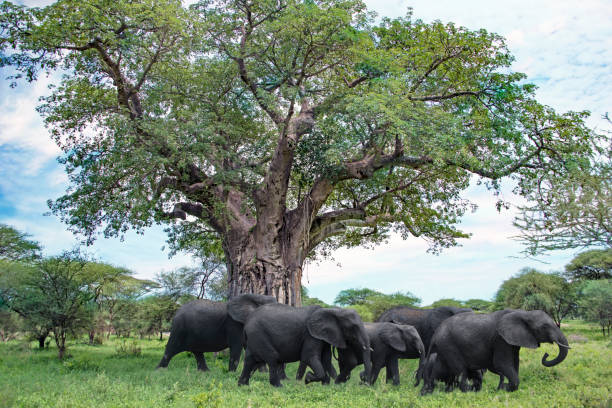
Often referred to as the “Park of Giants,” Tarangire is defined by two things: massive herds of elephants and ancient, sky-scraping baobab trees. For travelers seeking an authentic safari experience without the crowds of its northern neighbors, Tarangire offers a raw, rugged, and intensely beautiful landscape. This comprehensive guide will walk you through everything you need to know to plan the perfect Tarangire safari in 2026.
Why Visit Tarangire in 2026?
Tarangire National Park covers approximately 2,850 square kilometers and is the sixth-largest national park in Tanzania. Its landscape is stark, dramatic, and surprisingly diverse. Unlike the endless grasslands of the Serengeti, Tarangire is a land of rolling hills, massive termite mounds, swamps, and the iconic Tarangire River, which cuts through the park and serves as the only source of water during the dry season.
Visiting in 2026 offers a unique opportunity to see this park before tourism potentially accelerates. While Serengeti and Ngorongoro often feel like bustling towns during peak season, Tarangire retains a sense of wilderness. Here, you can drive for hours without seeing another vehicle, watching a solitary leopard stalk through the grass or a family of elephants play-fighting in the dust.
The Wildlife in Tarangire National
The Elephant Super-Highway
Tarangire is famous for harboring Tanzania’s largest population of elephants. During the dry season (June to October), elephant herds congregate in numbers that can exceed 300 individuals at a time. It is a spectacle of nature to see these majestic pachyderms digging into the dry riverbed for water or stripping the bark off acacia trees. The density of elephants here is unmatched anywhere else in Northern Tanzania, providing photographers and wildlife enthusiasts with unparalleled viewing opportunities.
The Lions in the Trees
One of the most unique behaviors observed in Tarangire is the prevalence of tree-climbing lions. While it is common to see leopards in trees, lions are usually terrestrial. However, in Tarangire, lions frequently lounge in the branches of sausage trees and acacias to escape the heat of the ground and the biting insects. Spotting a pride of lions draped over the limbs of a tree is a highlight for many visitors.
The Migratory Patterns
Tarangire has its own “mini-migration.” While not as famous as the Serengeti’s, the migration of wildebeest, zebras, gazelles, and elands occurs between June and October. As the water sources dry up in the Maasai Steppe, thousands of animals migrate into the park in search of the Tarangire River, followed closely by predators. This concentration of game makes game viewing as easy as simply sitting by a waterhole and waiting.
Rare Species
For the dedicated wildlife enthusiast, Tarangire offers the chance to spot two elusive species: the Fringe-eared Oryx and the Lesser Kudu. These dry-country antelopes are rare in other parks but thrive in Tarangire’s rugged terrain. Additionally, the park is a haven for python sightings; these massive reptiles are often seen draped over tree branches or slithering slowly across the road.
Birdwatcher’s Paradise
With over 550 bird species recorded, Tarangire is a premier birding destination. The park’s swamps attract a dazzling array of waterbirds, including the Yellow-collared Lovebird, the Ashy Starling (which is endemic to Tanzania), and the massive Kori Bustard, the world’s heaviest flying bird. The dry season also attracts migrant species from Europe and Asia, making 2026 a great year for twitchers to add to their life lists.
Best Time to Visit (2026 Calendar)
The best time to visit Tarangire depends entirely on what you want to see, but the consensus is that the dry season offers the most intense wildlife viewing.
- The Dry Season (June to October 2026): This is the peak season. The vegetation thins out, making animals easier to spot. The Tarangire River is the only water source, forcing wildlife to congregate. Expect dusty, hot days and cool nights.
- The Wet Season (November to May 2026): This is the “Green Season.” The park transforms into a lush landscape of wildflowers and tall grass. While animals disperse, the birding is phenomenal as migrant birds arrive. The birthing season usually occurs around January and February, meaning you will see lots of baby antelopes and foals. It is also the best time for photography, with dramatic skies and vibrant colors.
Activities Done in Tarangire National Park
While game driving is the primary activity, 2026 visitors can look forward to a variety of ways to experience the park:
Day Game Drives: The standard 4×4 safari. You can opt for half-day or full-day excursions with a packed lunch eaten at a designated picnic site overlooking the river.
Walking Safaris: Few things are as exhilarating as walking on African soil. Guided by an armed ranger and a naturalist guide, walking safaris allow you to see the “little things”, insects, plants, and tracks, that you miss from a vehicle. It’s a completely different perspective on the ecosystem.
Night Game Drives: While not permitted inside the park boundaries, the buffer zones and private concessions bordering Tarangire (like the Lamai and Burunge areas) offer night drives. This is your chance to see nocturnal creatures like aardvarks, servals, porcupines, and hunting leopards.
Cultural Tours: Tarangire is bordered by Maasai communities. Many lodges offer visits to local bomas (villages) where you can learn about the Maasai way of life, their customs, and their livestock practices.
Accommodation: Where to Stay in 2026
The accommodation options in and around Tarangire cater to every budget, from basic campsites to ultra-luxury lodges.
Inside the Park: Staying inside the park gives you the advantage of being close to the action for morning game drives and avoiding the traffic at the park gates during entry/exit times. Maramboi Tented Camp, Tarangire Sopa Lodge, and the high-end Oliver’s Camp. Tarangire Safari Lodge (famous for its infinity pool overlooking the river) and Tarangire Treetops.
Outside the Park (Boundary Areas): Staying just outside the gates is often cheaper and offers more flexibility. Areas like the Burunge Wildlife Management Area (WMA) allow cultural activities and night drives. Eileen’s Treehouses, Manyara Ranch, and various tented campsites.
Costs & Budgeting for 2026
Planning a budget for a safari in Tanzania can be complex due to the structure of the costs. Below is an estimated breakdown for a 2026 trip. Note: Prices are subject to change based on government regulations and inflation. Talk to our Safari Planner Now.
Park Fees
The Tanzania National Parks (TANAPA) reviews fees annually. Based on current trends (adjusted for inflation), you can expect the following structure in 2026:
- Adult Non-Resident Entry Fee: Approximately $50 – $60 per person per day.
- Concession Fee: If staying inside the park, there is often an additional concession fee of roughly $50 – $60 per person per night.
- Vehicle Fee: Approximately $40 – $50 per vehicle per day (this is usually covered by your tour operator).
Travel Tips for 2026
Booking in Advance
Since the pandemic, demand for East African safaris has surged. For travel in 2026, you should book your accommodation and tour operator at least 6 to 12 months in advance, especially if you plan to travel during the peak dry season (July-September).
Malaria Prophylaxis
Tarangire is a malaria zone. While the risk is lower in the dry season, it is essential to consult your doctor about anti-malarial medication before traveling. Bring plenty of mosquito repellent with DEET.
Respect the Wildlife
Always listen to your guide. Never exit the vehicle in a designated wildlife area unless it is a designated picnic spot or a guided walking safari. Keep noise levels down to avoid scaring animals away.
Conclusion
Tarangire National Park is a place of profound beauty and ancient rhythms. It is less of a race to tick off the Big Five and more of a journey into the soul of the African bush. The sight of a herd of elephants walking into the sunset beneath the silhouette of a giant baobab tree is an image that will stay with you forever.
As we look toward 2026, Tanzania remains one of the safest and most stable safari destinations in Africa. By planning carefully, choosing the right time to visit, and respecting the environment, your trip to Tarangire will be more than just a vacation, it will be an awakening. Whether you are a safari veteran or a first-time visitor, the “Park of Giants” awaits, ready to show you the wild heart of Africa.