Pangolins: A Guide to the World’s Most Elusive Mammals
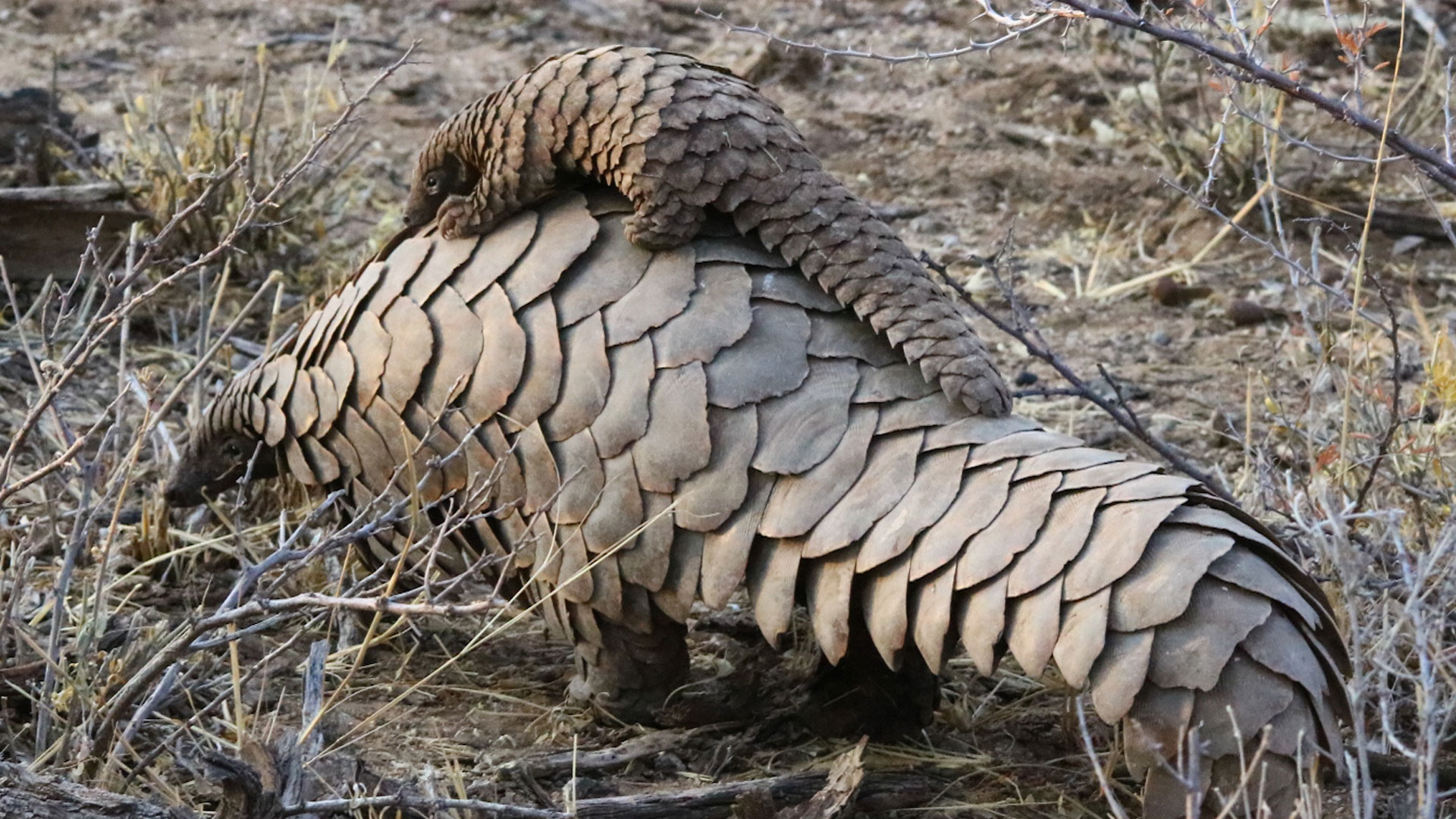
Pangolins, often referred to as “scaly anteaters,” are unique and elusive creatures that captivate wildlife enthusiasts with their distinctive appearance. Because these mammals are shy and primarily nocturnal, they are notoriously difficult to spot in the wild. However, for those eager to catch a glimpse of these fascinating creatures in their natural habitat, several locations in Africa and Asia offer promising opportunities.
The Top Places to See Pangolins in Africa
Africa is home to several pangolin species, and specific national parks have become hotspots for sightings. Currently, the following regions offer the best chances:
-
South Africa: Regions like Kruger National Park and the Tswalu Kalahari Reserve are well-known for their populations. Guided night walks in Tswalu, in particular, provide a rare opportunity to see them active.
-
Zimbabwe: Hwange National Park is another major hotspot. Due to its diverse landscapes, it remains a promising destination for spotting these elusive mammals.
-
Uganda: In the “Pearl of Africa,” Murchison Falls and Queen Elizabeth National Park are known habitats. While sightings are rare, the lush ecosystems provide the dense cover these animals prefer.
-
Namibia & Ghana: Etosha (Namibia) and Mole National Park (Ghana) also harbor populations. Although sightings are infrequent, conservation efforts in these parks are increasing the chances of encounters.
Where to Find Pangolins in Asia
Apart from Africa, pangolins inhabit various regions across Asia. If you are traveling through the Asian continent, consider visiting these protected areas:
-
India: Both Pench and Bandhavgarh National Parks in Madhya Pradesh have recorded sightings in their diverse deciduous forests.
-
Malaysia: Taman Negara, one of the world’s oldest rainforests, provides a perfect canopy for the Sunda pangolin.
-
Philippines: The island of Palawan is a unique habitat where the endemic Philippine pangolin resides.
-
Indonesia: Parks like Tanjung Puting (Borneo) and Gunung Leuser (Sumatra) are vital strongholds for these endangered species.
The Significance of World Pangolin Day
To combat the threats of illegal wildlife trade and habitat destruction, World Pangolin Day is celebrated annually on the third Saturday of February. This day serves as a critical platform to raise awareness about the urgent need for conservation.
Specifically, the day focuses on five key objectives:
-
Raising Awareness: Educating the public on why these “scaly anteaters” are vital to our ecosystems.
-
Promoting Conservation: Encouraging global research and habitat protection.
-
Engaging Communities: Connecting wildlife enthusiasts and governments to safeguard habitats.
-
Supporting Anti-Trafficking: Highlighting the need to dismantle illegal trade networks that target pangolins for their scales and meat.
Ethical Wildlife Viewing Tips
Because pangolins are highly sensitive to human presence, it is crucial to support ethical tourism. Whenever you go on a trek, ensure your guide follows “no-touch” policies and keeps a respectful distance. By contributing to legitimate conservation initiatives, you ensure that these unique species survive for future generations to admire.
On World Pangolin Day, various activities are organized globally, including educational workshops, fundraising events, art exhibitions, film screenings, social media campaigns, and community outreach programs. These initiatives aim to shed light on the plight of pangolins and encourage action to protect these extraordinary creatures. By participating in World Pangolin Day activities and supporting conservation efforts throughout the year, individuals can contribute to the preservation of pangolins and help ensure a sustainable future for these unique and endangered species.
While pangolins are facing numerous threats due to illegal wildlife trade and habitat loss, conservation efforts are underway to protect these unique animals across Africa. Responsible ecotourism practices and supporting conservation initiatives can help in preserving pangolin populations and their habitats for future generations to appreciate and admire these extraordinary creatures in the wild. If you are fortunate enough to see a pangolin during your travels, it will undoubtedly be a memorable and cherished wildlife encounter in Africa.