Mount Kilimanjaro National Park: A Guide to the Roof of Africa
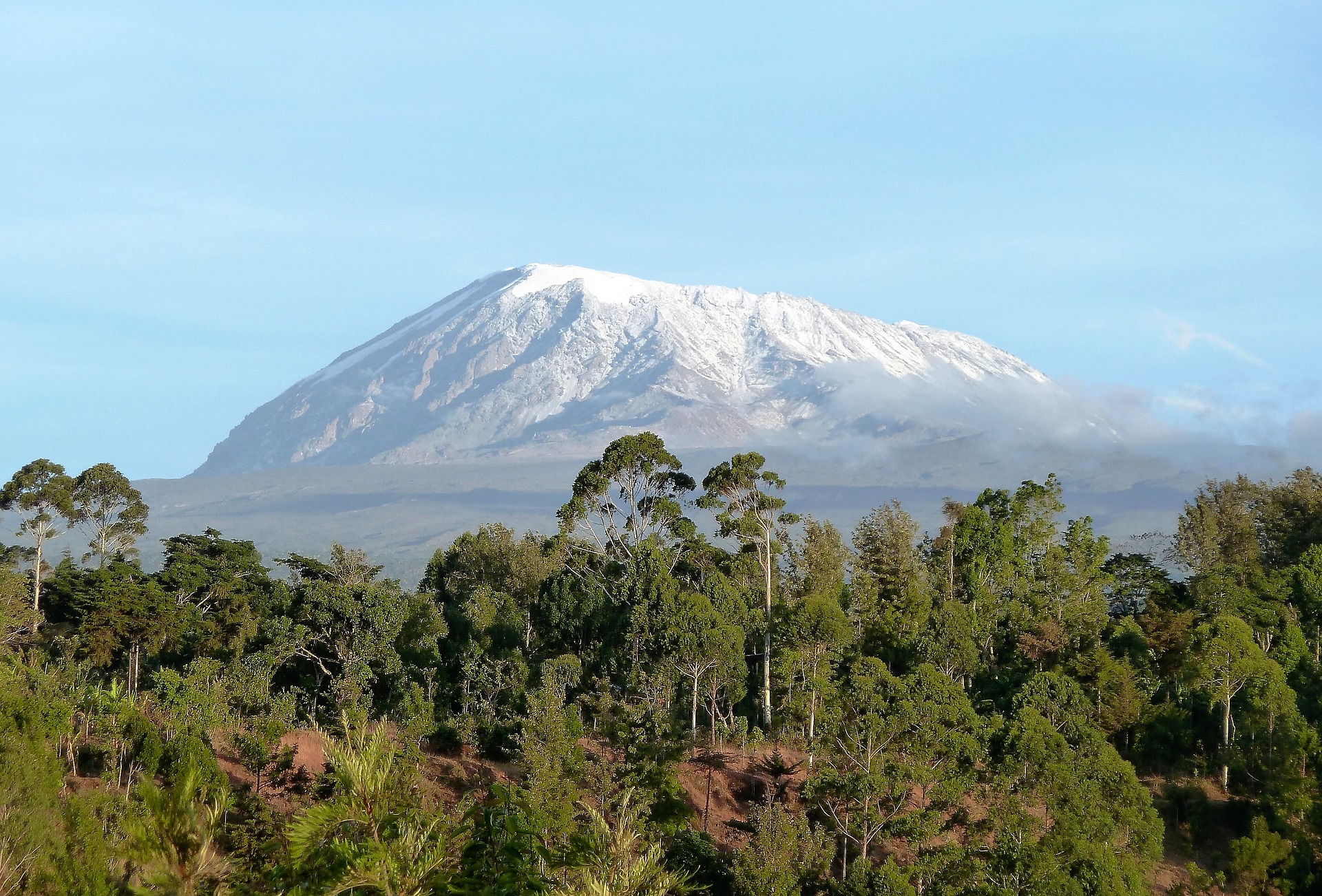
Mount Kilimanjaro National Park remains one of the most visited destinations in Tanzania. The park draws its name from the iconic Mount Kilimanjaro, which stands as Africa’s highest snow-capped peak. Covering approximately 1,668 square kilometers, this park offers a diverse range of attractions for every type of traveler.
From Game Reserve to UNESCO World Heritage Site
The German colonial government first declared the area a game reserve in the early twentieth century. Today, it holds a prestigious spot as a UNESCO World Heritage Site. It rewards international travelers with some of the best adventure safaris and vacations in Tanzania.
Top Activities in Mount Kilimanjaro National Park
1. Mountain Climbing and Trekking
Climbing is the most popular activity in the park. Thousands of adventurers visit each year to hike Africa’s highest free-standing peak. You can choose from several established Kilimanjaro trekking routes, including the popular Marangu and Rongai routes.
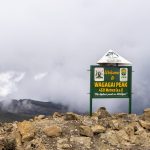
Reaching Kibo Peak at 5,895 meters provides a life-changing experience. Because the summit stays snow-capped year-round, it offers spectacular views of the surrounding towns, Shira Peak, and the lush green landscape below.
2. High-Altitude Cycling
The Kilema Route specifically caters to cyclists who wish to reach the summit by mountain bike. As you ride through the farmlands of the Chagga people, you can enjoy the beautiful scenery. Note that summit cycling requires a knowledgeable guide and incurs extra costs for specialized mountain biking permits.
3. Wildlife Viewing
While many focus on the climb, the park also serves as a sanctuary for several wildlife species. You can spot animals during hikes, cycling tours, or guided nature walks. Although the diversity differs from the Ngorongoro Crater, you can still observe:
-
Primates: Colobus monkeys, vervet monkeys, and olive baboons.
-
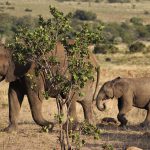
Mammals: Elephants, elands, honey badgers, and elusive genet cats.
4. Bird Watching
Similar to the Rwenzori Mountains in Uganda, Kilimanjaro boasts an impressive bird list. Over 150 species call the park home, including migratory birds and local endemics. Birders frequently spot the resident Black-shouldered Kite, African Fish Eagle, and the White-necked Raven.
Guided Nature Walks and Leisure
Unlike high-altitude climbing, guided nature walks focus on the lower slopes. These walks provide a simple way to stretch your legs and connect with nature. You will get up-close encounters with butterflies, insects, and various monkey species. Additionally, the park supports camping, picnicking, and professional filming.
Planning Your Visit
-
Best Time to Visit: You can visit the park year-round. However, the dry seasons from mid-June to October and December to March offer the best conditions. During these months, trails are less slippery and the weather is clearer.
-
Accessibility: Reaching the park is a “no-hustle” experience. It is a two-hour drive from Arusha, one hour from Moshi, and only 90 minutes from Kilimanjaro International Airport.
-
Accommodation: While the park features several comfortable bandas (huts), many luxury lodges and budget hotels sit just outside the park boundaries.