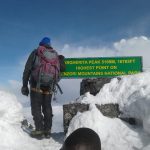
What to Pack for Kilimanjaro Hike: Standing on the roof of Africa is a dream shared by many, but it is a reality earned through careful preparation. Climbing Mount Kilimanjaro is not a standard walk in the park; it is a journey that traverses five distinct climatic zones, from the sweltering humidity of the tropical rainforest to the sub-zero arctic conditions of the summit. Because you cannot predict the weather with 100% certainty, and because your life will depend on your gear during summit night, packing is not merely a matter of logistics – it is a matter of safety.
The golden rule of Kilimanjaro packing is layering. You must be able to adapt to rapidly changing temperatures without carrying an impossible load. Furthermore, strict weight limits are imposed by the park authorities (typically 15kg or 33lbs per porter), meaning every item in your duffel bag must earn its place. This guide will walk you through exactly what you need to pack to ensure you are warm, dry, and comfortable on the mountain.
The Philosophy of the Layering System
Before diving into the specific items, it is crucial to understand the layering system. If you wear one massive, thick jacket, you will sweat when you hike. Sweat cools down rapidly, making you cold. The goal is to wick moisture away from your skin, trap heat, and protect yourself from the elements.
- Base Layer: Wicks moisture away from the skin (Thermal underwear).
- Insulation Layer: Traps body heat to keep you warm (Fleece or Down).
- Outer Shell: Protects you from wind, rain, and snow (Waterproof/Windproof jacket).
Avoid cotton at all costs. When cotton gets wet, it stays wet and saps your body heat. Stick to synthetic materials like polyester or natural merino wool.
Clothing from the Ground Up
Upper Body
- Base Layers: Pack 2-3 long-sleeved thermal tops (synthetic or wool). You will wear these every day and night.
- T-shirts: 2-3 lightweight synthetic t-shirts for hiking in the lower, warmer altitudes.
- Fleece Jacket: A medium-weight fleece is your workhorse. It breathes well and provides excellent insulation.
- Insulated Jacket: You need a warm down or synthetic jacket (puffer). Ideally, bring a lighter one for camp and a thicker one for summit night.
- Hardshell Jacket: A high-quality, waterproof (Gore-Tex or similar) and windproof rain jacket with a hood. This is your shield against the elements.
Lower Body
- Hiking Pants: 2 pairs. One comfortable pair for walking (zip-offs are great for versatility) and one warmer pair for higher altitudes.
- Thermal Bottoms: 1-2 pairs. Essential for sleeping and summit night.
- Rain Pants: Waterproof over-trousers are mandatory. Not only do they keep you dry during rainstorms in the rainforest, but they are vital for blocking the wind on the summit ascent.
Footwear
Your feet are your primary mode of transport on the mountain. If your feet fail, you go home.
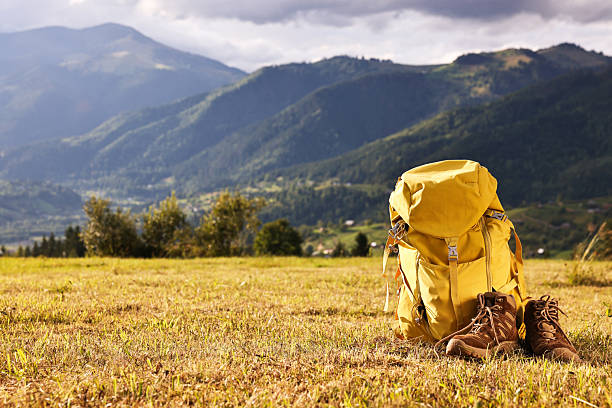
- Hiking Boots: This is the most critical item in your bag. You need comfortable, waterproof boots with good ankle support. Make sure they are broken in! Do not bring a brand new pair of boots on the hike; blisters will make your trek miserable.
- Gaiters: These fit over your boots and lower legs. They keep mud, water, and volcanic scree out of your shoes.
- Camp Shoes/Sandals: After a long day of hiking, you will want to take your boots off. A pair of lightweight sandals (like Tevas or Crocs) is perfect for walking around camp and using the toilet tents at night.
- Hiking Socks: 3-4 pairs of thick, merino wool or wool-blend hiking socks.
- Liner Socks: 2-3 pairs of thin synthetic socks. Wearing these under your hiking socks reduces friction and prevents blisters.
Sleeping Gear
You will be sleeping in tents on the side of a mountain for up to nine nights. The temperatures can drop well below freezing, so your sleeping gear must be warm.
- Sleeping Bag: This is your life support system at night. You must bring a sleeping bag rated for at least -10°C (14°F) to -20°C (-4°F). Do not cheap out here. Mummy bags are best as they retain heat more efficiently.
- Sleeping Pad: A high-quality insulated foam or inflatable pad is essential. It separates you from the frozen ground and provides crucial insulation.
- Pillow: While you can stuff clothes into a sack, an inflatable pillow provides a better night’s rest and is lightweight.
- Waterproof Stuff Sack: Your sleeping bag will get crushed in your duffel. Keep it in a compression sack, and keep that sack dry. A wet sleeping bag is a nightmare scenario.
Hydration and Nutrition
Staying hydrated is the single most effective way to combat Altitude Mountain Sickness (AMS).
- Water Bladders: A 2-3 liter hydration bladder (CamelBak) is excellent because it encourages you to drink water frequently without stopping. Note: Bring a specific insulated tube cover, or the tube will freeze on summit night.
- Water Bottles: Carry two wide-mouth Nalgene bottles (1 liter each). If a bladder freezes or leaks, you need a backup. On summit night, fill a Nalgene with boiling water and sleep with it to keep warm.
- Water Purification: Some operators treat all water, but it is wise to carry your own water purification tablets (Aquamira) or a filtration system as a backup.
- Snacks: While your cooks provide excellent meals, bring high-energy trail mix, energy bars, chocolate, and glucose gels. Summit day is very long, and your appetite may disappear; simple, sugary energy can be a lifesaver.
Accessories and Toiletries
The accessories are often overlooked, but they make the difference between a comfortable hike and a miserable one.
- Headlamp: Essential. The hike to the summit starts at midnight. You will be navigating rocky scree in pitch black. Bring a headlamp with fresh batteries and a spare set.
- Trekking Poles: Highly recommended, almost essential. They reduce the impact on your knees by up to 30%, especially on the long descent.
- Sun Protection: The sun is brutal at altitude. Bring a wide-brimmed sun hat, glacier sunglasses (rated Category 4), and high SPF lip balm and sunscreen.
- Gloves: Bring a pair of thin liner gloves (for dexterity) and a pair of heavy, insulated waterproof mittens (for warmth). Your fingers will be the first thing to get cold on summit night.
- Buff/Balaclava: Versatile item that protects your neck and face from wind and sun.
- Toiletries: Biodegradable soap, toothbrush/paste, hand sanitizer (use constantly), wet wipes (a “shower” in a bag), and toilet paper. A feminine hygiene kit is necessary for women.
Health and Medical
- First Aid Kit: Your guide will carry a comprehensive kit, but you should have a personal kit containing blister treatment (Moleskin/Compeed), band-aids, antiseptic, painkillers (Ibuprofen/Paracetamol), and anti-diarrheal tablets.
- Diamox (Acetazolamide): Many climbers take this to help prevent AMS. Consult your doctor before the trip to get a prescription and understand the side effects.
- Medication: Bring any personal prescriptions in their original bottles.
What NOT to Pack
It is tempting to bring “just in case” items, but every gram counts on the mountain. Do not bring:
- Heavy jeans or cotton clothing.
- Massive amounts of toiletries (shampoo, conditioner, water is precious on the mountain; a bucket wash is a luxury, so keep it simple).
- Excessive electronics. A camera and a phone are enough.
- Extra footwear beyond what is listed.
Final Checklist
Packing for Kilimanjaro is a balancing act. You want to be warm enough for the arctic summit and cool enough for the equatorial rainforest, all while staying under the weight limit. The key is to test your gear before you leave home. Wear your boots around the neighborhood. Set up your sleeping bag in your living room. Check the batteries in your headlamp.
By following this guide, you ensure that you are not just a passenger on the mountain, but an active, prepared adventurer ready to meet the challenge of the Roof of Africa. When you are shivering at Stella Point at dawn, waiting for the sunrise, you will be eternally grateful for the investment you made in your gear. Pack smart, stay warm, and enjoy the journey.