Gorilla Families in Virunga National Park, Democratic Republic of Congo
Virunga National Park is one of Africa’s most remarkable conservation areas and the oldest national park on the continent. Established in 1925, it is located in the eastern Democratic Republic of Congo (DRC), within the spectacular Virunga Mountains. The park is internationally recognised for its exceptional biodiversity and is designated a UNESCO World Heritage Site.
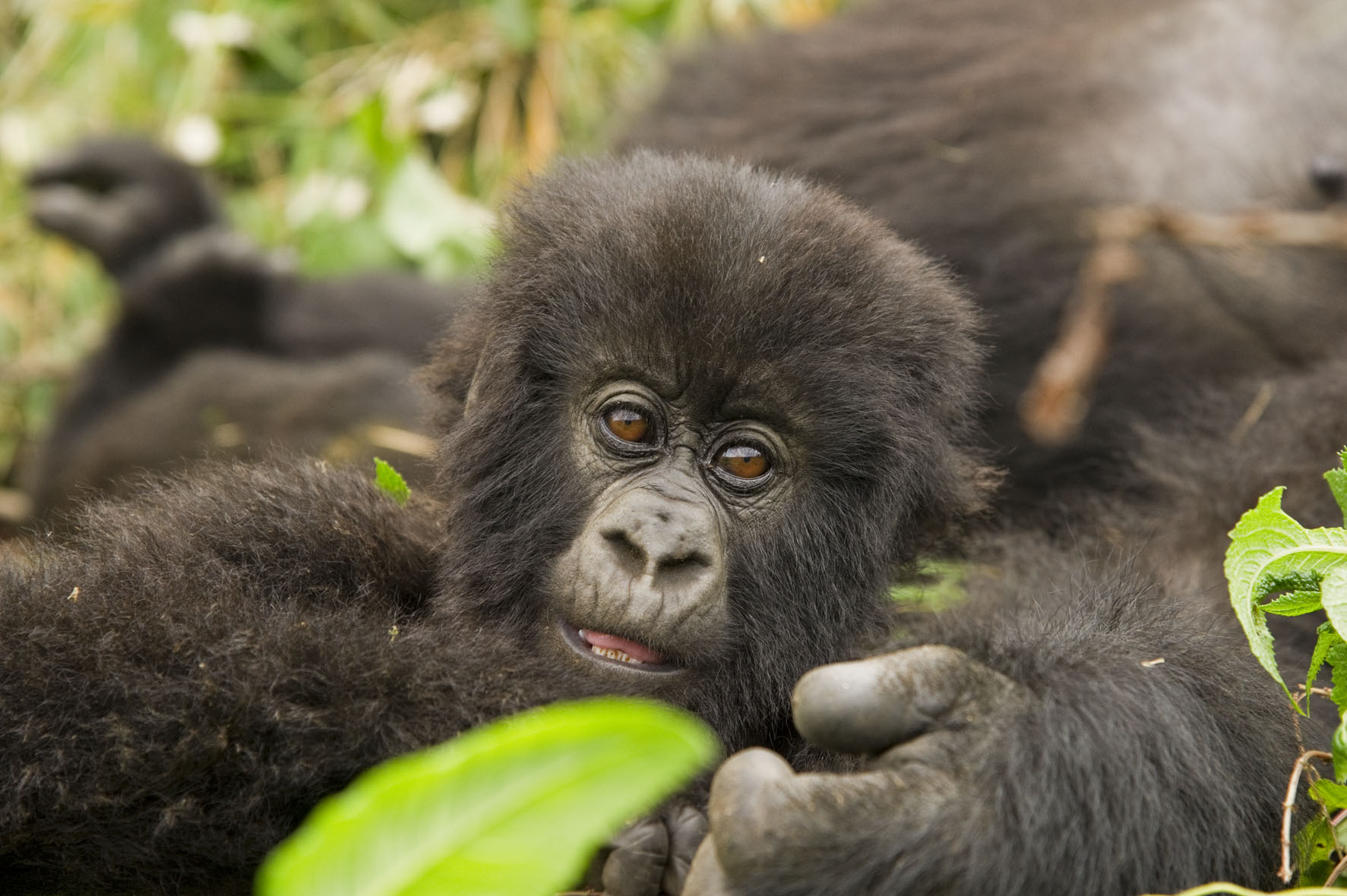
One of Virunga’s most important conservation responsibilities is protecting endangered mountain gorillas. Its forests provide habitat for these great apes, while its volcanic landscapes, bamboo zones, montane forests, savanna plains, and wetlands support a wide range of other wildlife.
For many years, Virunga has attracted international attention for its mountain gorilla conservation programme and the habituated gorilla groups that have been monitored by researchers and made available for tourism when conditions permit. Each family has its own history, social structure, and dominant silverback, making the study of Virunga’s gorillas particularly fascinating.
This guide explores the park’s mountain gorilla habitat and introduces several gorilla families historically associated with Virunga National Park.
Important visitor note: Gorilla family membership, leadership, group size, and tourism access can change over time. Security conditions in eastern DRC can also affect whether tourism activities operate. Treat the family details below as historical information from the supplied material, not confirmation that every group is currently available for trekking. Always check with the relevant park authorities before making travel arrangements.
Mountain Gorilla Habitat in Virunga National Park
Virunga National Park covers a remarkable range of habitats. Its mountain forests, bamboo vegetation, volcanic slopes, grasslands, and wetlands create an environment that supports mountain gorillas and numerous other species.
Mountain gorillas mainly inhabit the park’s forested highland areas, where they find food, shelter, and suitable conditions for their daily activities. Bamboo shoots, leaves, stems, and other vegetation form part of their diet, alongside fruits and other plant material depending on availability and season.
The Virunga landscape also includes active and dormant volcanic mountains. These highlands influence the area’s vegetation, climate, and wildlife distribution, making the park one of the most distinctive protected ecosystems in Central and East Africa.
Beyond mountain gorillas, Virunga is home to forest elephants, buffaloes, chimpanzees, numerous antelope species, and a rich variety of birds. Its different habitats contribute to its outstanding ecological importance.
Mountain Gorilla Trekking and Habituation in Virunga
Mountain gorilla trekking is one of the best-known wildlife experiences historically offered in Virunga National Park. It provides visitors with an opportunity to observe habituated gorilla families in their natural forest habitat under the guidance of trained park personnel.
Before a gorilla family can receive visitors, it undergoes a lengthy habituation process. Researchers, conservationists, and trackers gradually introduce the gorillas to the presence of humans while monitoring their behaviour and ensuring that the process does not compromise their welfare.
Habituation requires patience and consistent monitoring. It is not simply a process of making gorillas friendly; rather, it helps them become accustomed to the controlled presence of researchers and, where authorised, visitors.
During a permitted trek, visitors follow experienced guides and trackers into the forest in search of an assigned gorilla family. Once the group is located, visitors follow strict observation guidelines designed to minimise disturbance.
The experience offers a rare opportunity to observe the relationships between silverbacks, adult females, juveniles, and infants while learning about the conservation challenges facing mountain gorillas.
Famous Gorilla Families in Virunga National Park
Virunga’s mountain gorilla families have attracted researchers and wildlife enthusiasts because of their individual histories, changing leadership structures, and social relationships.
The following profiles describe eight families mentioned in the supplied historical information. Their current composition and accessibility should be independently confirmed before publication as present-day facts.
1. Rugendo Gorilla Family
The Rugendo Gorilla Family is one of the historically recognised mountain gorilla groups in Virunga National Park. It takes its name from Rugendo, a former dominant silverback whose leadership played an important role in the family’s history.
Rugendo was the father of several gorillas, including Humba, who later separated from the original group and established his own family.
The family’s history illustrates how mountain gorilla groups change over time. As young males mature, they may leave their birth groups, establish independent groups, or challenge other silverbacks for leadership and access to females.
The supplied historical account identifies Bukima as a later leader of the Rugendo family. However, silverback leadership and family membership are subject to change, so this should not be treated as a current confirmed status.
The Rugendo family is important to the wider history of gorilla conservation in Virunga, particularly because of its connections with other habituated groups.
2. Humba Gorilla Family
The Humba Gorilla Family was named after its dominant silverback, Humba, who was a son of Rugendo. According to the historical account, Humba separated from his father’s group and went on to establish an independent family.
The family has been associated with the Bukima area of Virunga National Park, one of the locations historically used for mountain gorilla trekking activities.
Humba is also remembered as the brother of Senkwekwe, a silverback killed in 2007. Senkwekwe’s death was a tragic event in Virunga’s conservation history and highlighted the serious risks faced by mountain gorillas and the park personnel protecting them.
The Humba family’s story is an example of the natural changes that occur within mountain gorilla societies. A dominant silverback leads and protects the group, while the family develops through births, departures, and other social changes.
3. Kabirizi Gorilla Family
The Kabirizi Gorilla Family has a history connected to a group formerly known as the Ndungutse family.
The earlier group was associated with a silverback named Ndungutse, who was reportedly killed during the conflict in eastern DRC in 1997. Following his death, the family became known as Kabirizi, a name associated with a former official of the Congolese conservation authority.
The supplied account also identifies a later dominant silverback named Kabirizi and associates the family with the Bukima Patrol Post.
The family’s history reflects the difficult circumstances in which Virunga’s conservation programme has operated. Armed conflict, insecurity, poaching, and habitat pressures have affected both wildlife and the people responsible for protecting the park.
Despite these challenges, the Kabirizi family remains part of the historical record of Virunga’s mountain gorilla conservation efforts.
4. Mapuwa Gorilla Family
The Mapuwa Gorilla Family takes its name from its former dominant silverback, Mapuwa, another son of Rugendo.
Historical accounts describe Mapuwa as having separated from the Rugendo family in 1988, taking two females, Mafaze and Jicho, with him. He subsequently established his own group.
Mapuwa became known for his strength and competitive behaviour. Like other dominant silverbacks, he was involved in encounters with rival males, and changes in group membership followed some of these interactions.
The supplied information identifies Mvuyekure as a later leader and associates the family with the Jomba area. It also gives a historical group size of 22 members.
The Mapuwa family’s development demonstrates how gorilla groups can grow and change as females join, infants are born, and young males mature.
5. Lulengo Gorilla Family
The Lulengo Gorilla Family was formerly known as the Musekura family. Its name was changed in memory of a Virunga conservation official who died after a landmine explosion.
The group is associated with the history of the Mikeno sector, an important mountain gorilla habitat within Virunga National Park.
According to the supplied historical information, the family’s dominant silverback, also known as Lulengo, originated from the Rugabo family. Rugabo was an important silverback in the early history of gorilla habituation in the Mikeno area.
The account records nine members in the Lulengo family, although group composition may have changed since that information was compiled.
The family is a reminder that Virunga’s gorilla conservation history is closely connected to the dedication and sacrifices of the people who have worked to protect its wildlife.
6. Nyakamwe Gorilla Family
The Nyakamwe Gorilla Family was named after its founding silverback, Nyakamwe. Historical descriptions associate him with a relatively peaceful temperament.
The family is among the groups that became part of Virunga’s habituated gorilla population. Its history is particularly interesting because habituated groups provide researchers with opportunities to observe gorilla behaviour over extended periods.
Visitors who have an opportunity to observe a habituated gorilla family can learn about the different roles played by adult males, females, and younger members.
The supplied information describes Nyakamwe as one of the larger and more rapidly growing families. However, it does not provide a reliable current group count, so an exact number should not be published without an updated park record.
7. Munyaga Gorilla Family
The Munyaga Gorilla Family takes its name from its former leader, Munyaga, who was associated with the Rugendo family.
The group has historically been linked to the Bukima area, and the supplied account indicates that its habituation process began in 2008.
One of the gorillas mentioned in historical descriptions of this family is Kadogo, a silverback recognised for his distinctive bald head. Such physical characteristics can help researchers and trackers identify individual gorillas during long-term monitoring.
The supplied account identifies Gasore as a later dominant silverback and records seven members in the family. These details should be checked against current conservation records because leadership and group composition can change.
The Munyaga family’s history provides another example of how Virunga’s gorilla groups develop through changing social relationships.
8. Bageni Gorilla Family
The Bageni Gorilla Family is named after its dominant silverback, Bageni. It has been described in historical accounts as one of the larger habituated gorilla groups in Virunga National Park.
The supplied information records 26 members and describes the group as having experienced leadership tensions among silverbacks.
Such competition is a natural part of mountain gorilla social organisation. Mature males may compete for leadership, while younger males can eventually leave their original groups and establish new families.
The Bageni family is an interesting example of the complex relationships that shape gorilla societies and the importance of long-term monitoring in understanding their behaviour.
Why Virunga’s Gorilla Families Are Important for Conservation
The mountain gorilla families of Virunga National Park are more than wildlife attractions. They represent decades of conservation work, scientific research, and efforts to protect one of the world’s most threatened great apes.
Studying individual families allows researchers to monitor population changes, understand social behaviour, identify health concerns, and assess the effectiveness of conservation programmes.
Gorilla tourism, when responsibly managed and officially permitted, can also contribute to conservation financing and provide economic opportunities for communities living near protected areas.
However, Virunga’s conservation work has faced significant challenges, including armed conflict, insecurity, illegal activities, and pressure on natural habitats. Protecting the gorillas therefore requires cooperation between conservation authorities, local communities, international organisations, and visitors.
Planning a Visit to Virunga National Park
Virunga National Park is located in eastern Democratic Republic of Congo. Historically, mountain gorilla trekking activities have been associated with areas such as Bukima and the Mikeno sector.
Before planning a visit, travellers should:
-
Confirm whether the park is officially open to visitors.
-
Check the security situation in the region.
-
Obtain current information about gorilla trekking permits.
-
Use authorised park booking and guiding arrangements.
-
Confirm accommodation and transport availability.
-
Follow all park regulations and conservation guidelines.
Travel arrangements should only be made after receiving reliable confirmation from the relevant authorities. Conditions in eastern DRC can change, and visitors should not assume that previously advertised trekking activities are currently operating.
Frequently Asked Questions About Virunga Gorilla Families
1. How many mountain gorilla families are in Virunga National Park?
The number of gorilla families changes as groups split, merge, grow, or experience changes in leadership. Historical tourism information has referred to several habituated families, but an up-to-date number should be confirmed with Virunga’s conservation authorities.
2. Which gorilla families are historically associated with Virunga National Park?
Some of the families described in historical accounts include Rugendo, Humba, Kabirizi, Mapuwa, Lulengo, Nyakamwe, Munyaga, and Bageni.
3. Where is mountain gorilla trekking conducted in Virunga?
Historically, trekking activities have been associated with areas including Bukima and the Mikeno sector. Current access depends on official park operations and security conditions.
4. What is gorilla habituation?
Gorilla habituation is a gradual process through which wild gorillas become accustomed to the controlled presence of researchers and, where authorised, visitors. It requires long-term monitoring and careful attention to the animals’ welfare.
5. Why are Virunga’s gorilla families important?
They are important for mountain gorilla conservation, scientific research, biodiversity protection, and responsible tourism. Monitoring individual families helps conservationists understand population trends and protect the species.
Conclusion
Virunga National Park remains one of Africa’s most significant wildlife conservation landscapes. Its mountain gorilla families, including Rugendo, Humba, Kabirizi, Mapuwa, Lulengo, Nyakamwe, Munyaga, and Bageni, have fascinating histories that illustrate the complex social lives of mountain gorillas.
From the legacy of former silverbacks to the development of new family groups, each story contributes to a greater understanding of these endangered primates.
Although conservation challenges continue to affect eastern DRC, the protection of Virunga’s mountain gorillas remains an important international priority. Responsible tourism, scientific research, and community involvement all have a role to play in securing their future.