Gorilla Habituation Experience in Uganda: Permits, Prices and What to Expect
The Gorilla Habituation Experience in Uganda offers one of Africa’s most remarkable wildlife encounters. Taking place in the ancient rainforest of Bwindi Impenetrable National Park, this activity allows a small group of visitors to accompany researchers, trackers and conservation personnel as they observe a wild mountain gorilla family that is still undergoing habituation.
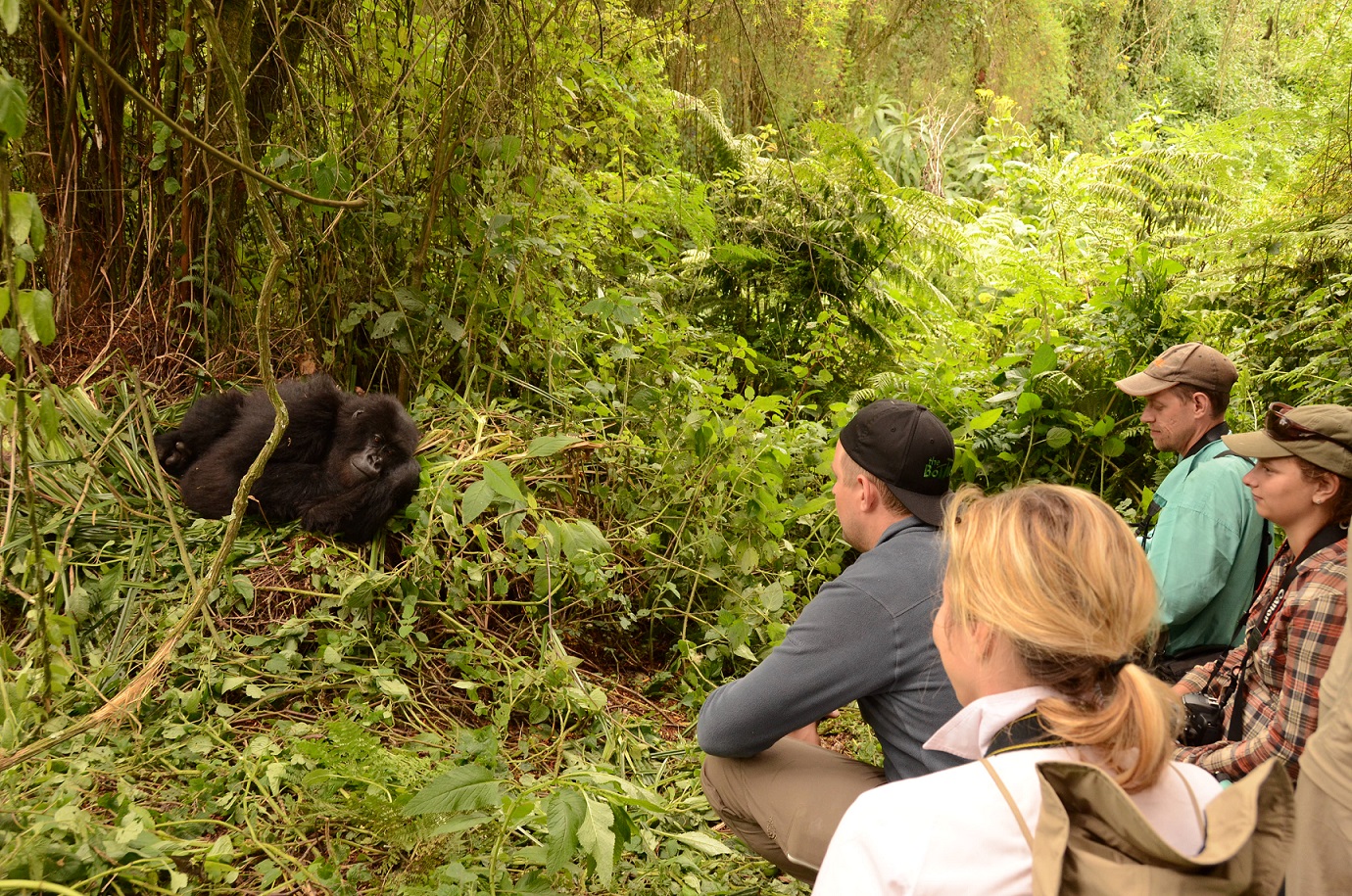
Unlike standard gorilla trekking, which allows visitors up to one hour with a habituated gorilla family, the Gorilla Habituation Experience provides up to four hours with the gorillas. This extended encounter offers more time to observe their behavior, learn about their social interactions and understand the conservation work involved in protecting these endangered primates.
For travelers seeking a deeper wildlife experience, a Gorilla Habituation Experience in Uganda can be a highlight of a tailor-made Uganda safari.
At Epic Uganda Vacation, we help travelers plan gorilla habituation trips, arrange permits, select suitable accommodation and organize transport to Bwindi.
What Is the Gorilla Habituation Experience?
Gorilla habituation is the gradual process of helping wild mountain gorillas become accustomed to the presence of humans. The process is carefully managed by conservationists, researchers, trackers and other trained personnel over an extended period.
During habituation, the team visits a gorilla family regularly, observes its behavior and gradually introduces the presence of people under controlled conditions. The aim is to help the gorillas tolerate human observation without compromising their natural behavior or welfare.
The Gorilla Habituation Experience allows visitors to accompany the authorized team during this process. Rather than simply visiting a fully habituated family, participants gain insight into the work involved in preparing gorillas for carefully regulated tourism.
This is a conservation-focused activity, not an opportunity to touch, feed or interact directly with gorillas. Visitors must remain under the supervision of the park team and follow all instructions.
Where Can You Do Gorilla Habituation in Uganda?
The Gorilla Habituation Experience takes place in Bwindi Impenetrable National Park, in southwestern Uganda. This UNESCO World Heritage Site protects a large population of endangered mountain gorillas alongside a remarkable variety of forest wildlife, plants and birds.
The experience has traditionally been associated with the southern part of Bwindi, particularly the Rushaga sector. Permit arrangements and the specific location of an available habituation group should be confirmed before booking.
Bwindi’s mountainous landscape is covered by dense rainforest, with steep slopes, narrow trails and thick vegetation. Reaching a gorilla family can involve a challenging hike, and the duration depends on the gorillas’ movements, weather and terrain.
Travelers should confirm their designated trekking sector before choosing a lodge, as accommodation near another part of Bwindi may involve a lengthy early-morning transfer.
Gorilla Habituation Experience vs. Standard Gorilla Trekking
Both activities provide an opportunity to observe mountain gorillas in their natural habitat, but the duration, permit requirements and nature of the encounter differ.
| Feature | Standard Gorilla Trekking | Gorilla Habituation Experience |
|---|---|---|
| Location | Authorized gorilla trekking sectors in Bwindi and Mgahinga | Designated habituation area in Bwindi |
| Time with gorillas | Up to 1 hour | Up to 4 hours |
| Gorilla group | Habituated family | Family undergoing habituation |
| Permit | Standard gorilla trekking permit | Separate habituation permit |
| Group size | Generally up to 8 visitors per gorilla family | Generally up to 4 visitors per habituation group |
| Experience | Observe gorillas during a regulated encounter | Spend longer observing gorilla behavior alongside the habituation team |
| Physical demands | Can be challenging | Can also be strenuous and involve a longer day |
Permit conditions and group arrangements should be confirmed for your travel date. The longer habituation experience does not necessarily mean an easier trek; participants may spend considerable time walking through steep and muddy forest terrain.
Gorilla Habituation Permit Prices in Uganda
A gorilla habituation permit is separate from a standard gorilla trekking permit. It authorizes participation in the designated habituation experience on a specific date, subject to the applicable regulations.
Uganda’s permit tariffs can change between official tariff periods and according to visitor category. The price of US$1,500 per person has been published for the habituation experience for international visitors under a previous tariff period. Travelers booking for dates from July 2026 onward should confirm the applicable rate directly with the Uganda Wildlife Authority or an authorized tour operator before relying on that figure.
Your total safari budget may also include:
- Accommodation near the designated Bwindi sector.
- Private vehicle and driver-guide.
- Airport transfers or long-distance road transport.
- Meals and drinking water.
- Porter services, where available.
- Additional activities and overnight stays.
- Border crossing arrangements if your itinerary begins in Rwanda.
A permit is not the same as an all-inclusive safari package. Ask for an itemized quotation so you understand which services are included.
How to Book a Gorilla Habituation Permit
Habituation permits are limited, and preferred dates may sell out. Booking early is especially important if you have fixed international flights or want a particular lodge.
A practical booking process is:
- Choose your preferred travel dates.
- Confirm the available habituation dates and applicable permit tariff.
- Reserve the permit through the Uganda Wildlife Authority or an authorized operator.
- Select accommodation near the designated trekking sector.
- Arrange transport, meals and any additional safari activities.
- Check passport, entry and border requirements for your route.
Avoid paying for a non-refundable itinerary before confirming permit availability and understanding the operator’s booking and cancellation conditions.
What Happens During the Gorilla Habituation Experience?
The day usually starts early, with breakfast at your lodge before you travel to the designated park briefing point. The precise schedule depends on the location of your accommodation and the instructions provided by the park authorities.
1. Morning briefing
Park personnel explain the rules, safety procedures and expectations for the day. Visitors are assigned to the authorized group and receive guidance on how to behave in the forest.
2. Trek through Bwindi Forest
You enter the forest with trained guides and trackers. The team follows signs of the gorillas and communicates as needed to locate the assigned family.
The walk may take several hours. Trail conditions can change quickly, and visitors should be prepared for steep slopes, slippery ground, rain and dense vegetation.
3. Observe gorilla behavior
Once the gorillas are located, visitors can observe their behavior under the supervision of the team. Depending on what happens naturally, you may see adults feeding, juveniles playing, mothers caring for their young or a dominant silverback monitoring the group.
The experience also offers opportunities to learn about gorilla identification, social relationships and the work involved in habituation.
4. Spend up to four hours with the gorillas
The habituation experience allows up to four hours with the gorillas, subject to current rules and instructions from the park team. The time is intended for observation and learning, not physical interaction.
Gorillas remain wild animals. Their movements and behavior cannot be predicted, so every encounter is different.
5. Return from the forest
After the encounter, the group returns through the forest to the designated end point. You can then return to your lodge, relax and prepare for the next stage of your Uganda safari.
Best Time for Gorilla Habituation in Uganda
Gorilla habituation is available throughout the year, subject to permit availability and operational conditions. However, the weather can influence trail conditions and the difficulty of the hike.
The relatively drier periods are generally June to August and December to February. These months are popular for gorilla trekking, so permits and preferred accommodation should be booked early.
March to May and September to November often bring wetter conditions, although rainfall varies from year to year. Trails may become muddy and slippery, making waterproof clothing and suitable hiking boots particularly important.
There is no single best month for every traveler. Your ideal dates will depend on permit availability, accommodation preferences, travel budget and how comfortable you are hiking in wet conditions.
How Difficult Is the Gorilla Habituation Experience?
The Gorilla Habituation Experience can be physically demanding. Bwindi is a mountainous forest, and the route may involve steep climbs, uneven ground, thick vegetation and muddy trails.
The length of the hike varies because gorillas move freely through the forest. A short trek cannot be guaranteed, and participants should be prepared for a full day outdoors.
To prepare:
- Build up your walking fitness before traveling.
- Wear sturdy hiking boots with good traction.
- Bring a waterproof jacket and long trousers.
- Use gardening gloves to protect your hands from vegetation.
- Carry sufficient drinking water and the food recommended by your operator.
- Consider hiring a porter if the service is available.
- Tell your tour operator in advance about mobility limitations or other needs that could affect your participation.
If you are unsure whether the activity is suitable for you, discuss your fitness and mobility needs with your tour operator before confirming your booking.
What to Pack for Gorilla Habituation
The rainforest can be cool, damp and unpredictable. Packing the right equipment helps make the day more comfortable.
Recommended items include:
- Waterproof hiking boots.
- Long-sleeved shirts and long hiking trousers.
- A waterproof jacket and rain protection for your backpack.
- Gardening gloves.
- Drinking water and a small daypack.
- Insect repellent and sunscreen.
- A camera or phone with flash disabled.
- Binoculars if you enjoy birdwatching.
- Walking sticks, if needed or recommended by your guide.
Follow the park team’s advice about food, equipment and what may be carried into the forest. Carry all rubbish out with you.
Gorilla Habituation Rules and Regulations
The habituation experience is designed to support conservation while allowing controlled observation. Visitors must follow the instructions of their guides, trackers and park authorities throughout the encounter.
Important rules include:
- Maintain the required distance. Follow the distance instructed by the park team and never approach a gorilla independently.
- Do not touch or feed gorillas. Direct contact can put both visitors and gorillas at risk.
- Do not participate when sick. Respiratory and other infectious illnesses can threaten gorillas. Tell your operator and park staff if you feel unwell.
- Avoid flash photography. Turn off camera flash before taking pictures.
- Remain calm and speak quietly. Avoid shouting, sudden movements or actions intended to attract a gorilla’s attention.
- Follow the group’s instructions. Stay with your assigned team and do not wander away.
- Respect the permitted viewing time. The habituation experience allows up to four hours, subject to current operational rules.
- Observe the age requirement. Uganda generally sets the minimum age for gorilla trekking at 15 years. Confirm eligibility when booking.
- Protect the forest. Do not litter or damage vegetation, and follow the team’s guidance throughout the trek.
The briefing on the day of your experience is authoritative, as procedures may be updated.
Where to Stay for Gorilla Habituation in Bwindi
Choosing accommodation near the designated habituation starting point can make a major difference to your safari. Because the day begins early, staying in the correct sector reduces unnecessary driving and gives you more time to prepare.
Options around southern Bwindi include budget guesthouses, mid-range lodges and luxury safari properties. Compare accommodation based on:
- Distance to the briefing point.
- Room comfort and hot water.
- Early breakfast or packed meals.
- Road access during rainy weather.
- Dietary requirements.
- Porter assistance and other services.
Do not choose accommodation based on the name “Bwindi” alone. Confirm the sector shown on your permit and ask your operator to select a lodge that works with your specific trekking arrangements.
Sample 3-Day Gorilla Habituation Safari in Uganda
4 Days gorilla habituation experience
3 day gorilla habituation trip
Can You Combine Gorilla Habituation with Other Safari Activities?
Yes. Gorilla habituation can form part of a wider Uganda safari, allowing you to experience different landscapes and wildlife habitats during one trip.
Popular additions include:
- Queen Elizabeth National Park: Game drives, savannah wildlife and boat trips along the Kazinga Channel.
- Kibale National Park: Chimpanzee trekking in tropical forest.
- Lake Mburo National Park: Walking safaris, wildlife viewing and birdwatching.
- Mgahinga Gorilla National Park: Golden monkey trekking and volcanic scenery.
- Rwanda: A cross-border itinerary may include Kigali or Volcanoes National Park, subject to separate permits and travel arrangements.
A longer itinerary can also include Murchison Falls National Park, the Ziwa Rhino Sanctuary and other highlights of Uganda. The best route depends on your arrival airport, available days and overall budget.
Frequently Asked Questions About Gorilla Habituation in Uganda
How long do you spend with gorillas during habituation?
The Gorilla Habituation Experience allows visitors to spend up to four hours with the gorillas, subject to the applicable rules and instructions of the park team.
How much does a gorilla habituation permit cost in Uganda?
The rate depends on the applicable tariff period and visitor category. US$1,500 has been published for international visitors under a previous tariff period. Confirm the current price for your travel date before booking.
Is gorilla habituation only available in Bwindi?
Uganda’s established Gorilla Habituation Experience takes place in Bwindi Impenetrable National Park. Confirm the currently operating sector and available dates when arranging your permit.
Is gorilla habituation harder than standard trekking?
It can be demanding. Both activities involve hiking through forest terrain, and the distance depends on where the gorillas are located. The habituation experience can involve a longer day, so good preparation is important.
How many people can join a habituation group?
The experience has generally been limited to four visitors per habituation group. Confirm the current group-size rules and permit availability before booking.
Can children participate in gorilla habituation?
Uganda generally requires participants in gorilla trekking activities to be at least 15 years old. Confirm the applicable age requirements with the Uganda Wildlife Authority or your authorized operator before making plans.
Do I need to book in advance?
Yes. Permits are limited, and availability may be especially tight for popular dates. Confirm the permit before finalizing non-refundable travel arrangements.
Plan Your Gorilla Habituation Experience with Epic Uganda Vacation
The Gorilla Habituation Experience in Uganda offers a rare opportunity to spend extended time observing endangered mountain gorillas while learning about the conservation work that protects them. From the challenging forest hike to the quiet moments of watching gorilla family interactions, it provides a deeper perspective on Uganda’s remarkable natural heritage.
Epic Uganda Vacation can help you plan a tailor-made habituation safari with permit arrangements, accommodation, private transport and additional wildlife experiences according to your travel dates and budget.
Whether you want a short trip focused on gorilla habituation or a longer Uganda safari combining primates, birds and big-game viewing, we can help you plan the journey.
Visit Epic Uganda Vacation to discuss your dates and request a personalized itinerary.