The Ultimate Guide to Africa Big Five Safaris: Top Destinations and Expert Tips
Africa is a beautiful land with diverse landscapes and a variety of flora and fauna. Indeed, Africa stands as the number one continent for adventurous experiences, offering the best safari destinations on Earth. These destinations vary from vast savannah plains to highland mountains perfect for trekking adventures. Notably, savannah safaris offer an abundance of wildlife, including antelopes, hyenas, giraffes, topis, zebras, hippos, and crocodiles. However, the true highlight for many travelers is the iconic African Big Five.
What are the African Big Five Animals?
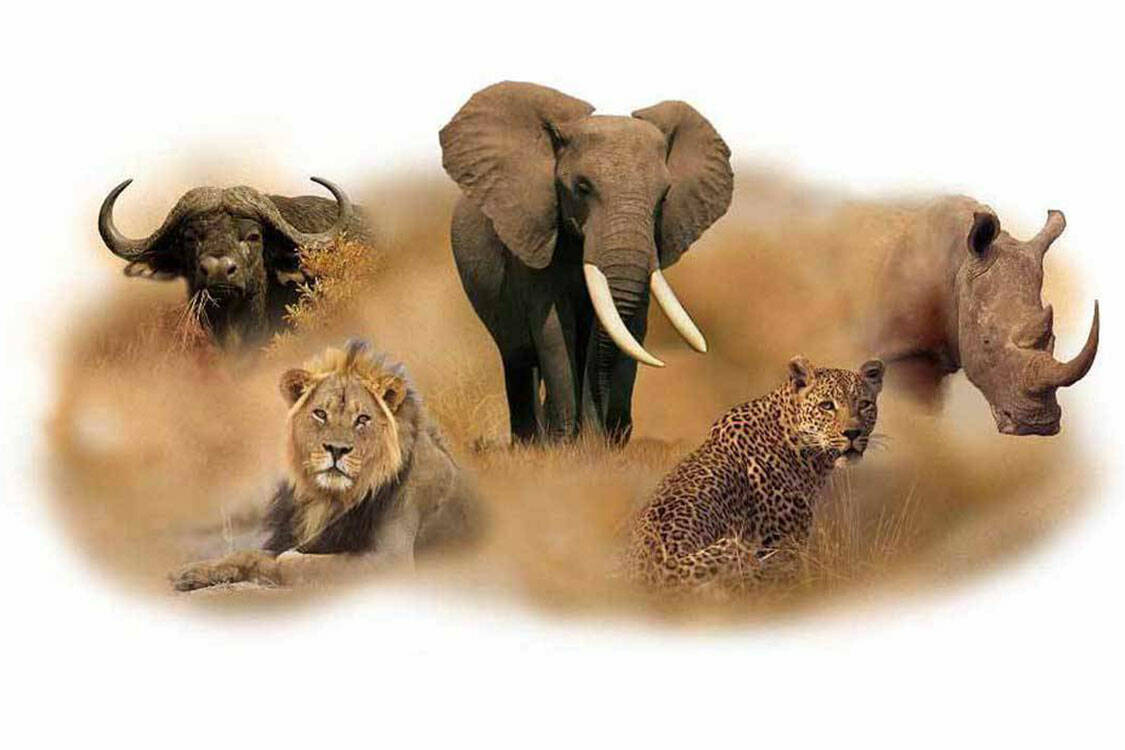
Africa Big Five safaris involve scanning the grassland plains for an opportunity to spot these legendary creatures. The African Big Five includes lions, leopards, buffaloes, elephants, and rhinos. Historically, these animals earned the name “Big Five” because trophy hunters found them the most difficult and dangerous to kill on foot.
Trophy hunting was once a popular sport where participants hunted game for the most difficult kills. Because these five animals presented the greatest physical challenge, they became the ultimate prize. Today, Africa’s Big Five safaris take you on an exploration adventure where you come up close to these majestic beings in their natural habitats, promoting wildlife conservation over hunting.
Top Destinations for Africa’s Big Five Safaris
Spotting all of the Big Five at once is a rare and lucky event. Specifically, predators like lions and leopards remain active at different times and often hide in dense thickets. Furthermore, the rhino is now an endangered species found only in strictly protected areas. Below are the best places to witness them:
1. Ngorongoro Conservation Area (Tanzania)
The Ngorongoro Crater sits within the Ngorongoro Conservation Area in Tanzania. Established in 1959, this area allows semi-nomadic Masai pastoralists and wildlife to co-exist in harmony. Notably, the crater is the only place on earth where humans and wild animals live together peacefully.
With a landmass of 8,292 square kilometers, it harbors about 25,000 animals. It also features the Olduvai Gorge, where researchers found the skulls of the first humans. A game drive here exposes you to the Big Five along with wildebeests, waterbucks, and hyenas.
2. Kruger National Park (South Africa)
Located in South Africa, Kruger National Park is famous for its large populations of leopards and white rhinos. The park is vast, covering over 19,000 square kilometers. Consequently, it accommodates a massive variety of wildlife, from the Big Five to hippos and crocodiles. Kruger’s diverse ecosystems—ranging from open plains to river valleys—make it one of the premier destinations for wildlife photography safaris.
3. Okavango Delta (Botswana)
The Okavango Delta is a perfect place for a Big Five safari. Named after the Okavango River, this seasonal wetland features lush vegetation that provides a rich grazing ground. During the dry season, the sun evaporates much of the water, concentrating animals around the remaining pools.
The Delta boasts many species, including the African wild dog, cheetah, and over 500 bird species. Indeed, the Okavango Delta is widely considered a world-class destination for luxury wilderness experiences.
4. Masai Mara National Reserve (Kenya)
The Masai Mara stretches across 1,510 square kilometers of open savannah in Kenya. Established in 1961, it protects a natural haven for a staggering variety of animals. Specifically, you can spot the Big Five, alongside the famous Great Migration of wildebeests and zebras. The open, lush grasslands provide excellent visibility for photographers and nature lovers.
5. Chobe National Park (Botswana)
Located in northeastern Botswana, Chobe National Park covers 11,700 square kilometers of grassland and woodland. Notably, the park is world-renowned for harboring a massive population of elephants and lions. The animals are evenly distributed, making it easy for adventure enthusiasts to spot them. Chobe offers an intimate game-viewing adventure, often allowing visitors to see the Big Five from the comfort of their vehicles.
What is the Best Time for an African Big Five Safari?
Africa is open for visitors throughout the year. However, the best time for a Big Five safari adventure is during the dry season.
-
Peak Months: June to September and December to February.
-
Navigation: During these months, little to no rainfall ensures that park trails remain easy to navigate.
-
Wildlife Visibility: Wildlife behavior becomes easier to predict. Specifically, animals tend to concentrate around permanent waterbodies, providing guaranteed sightings.
Conversely, the wet season offers lush green landscapes and is excellent for bird-watching. You can learn more about seasonal travel in our guide to Uganda’s bird-watching seasons.
Embark on the Adventure of a Lifetime
Africa’s Big Five safaris offer a profound connection to the natural world. From the volcanic floor of the Ngorongoro Crater to the riverine forests of Chobe, each destination provides a unique lens into the lives of Earth’s most powerful creatures. By choosing the right season and a reputable guide, you ensure an experience that is both thrilling and respectful of wildlife conservation efforts.