The Ultimate Guide to Gorilla Trekking in Rwanda: Permits, Parks, and Beyond
Rwanda is located in central Africa and is famously known as the “Land of a Thousand Hills.” The country experiences a tropical type of climate, making it a lush haven for biodiversity. Rwanda shares borders with Uganda, the Democratic Republic of Congo, Tanzania, and Burundi. Notably, the country remains open to travelers throughout the year.
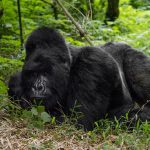
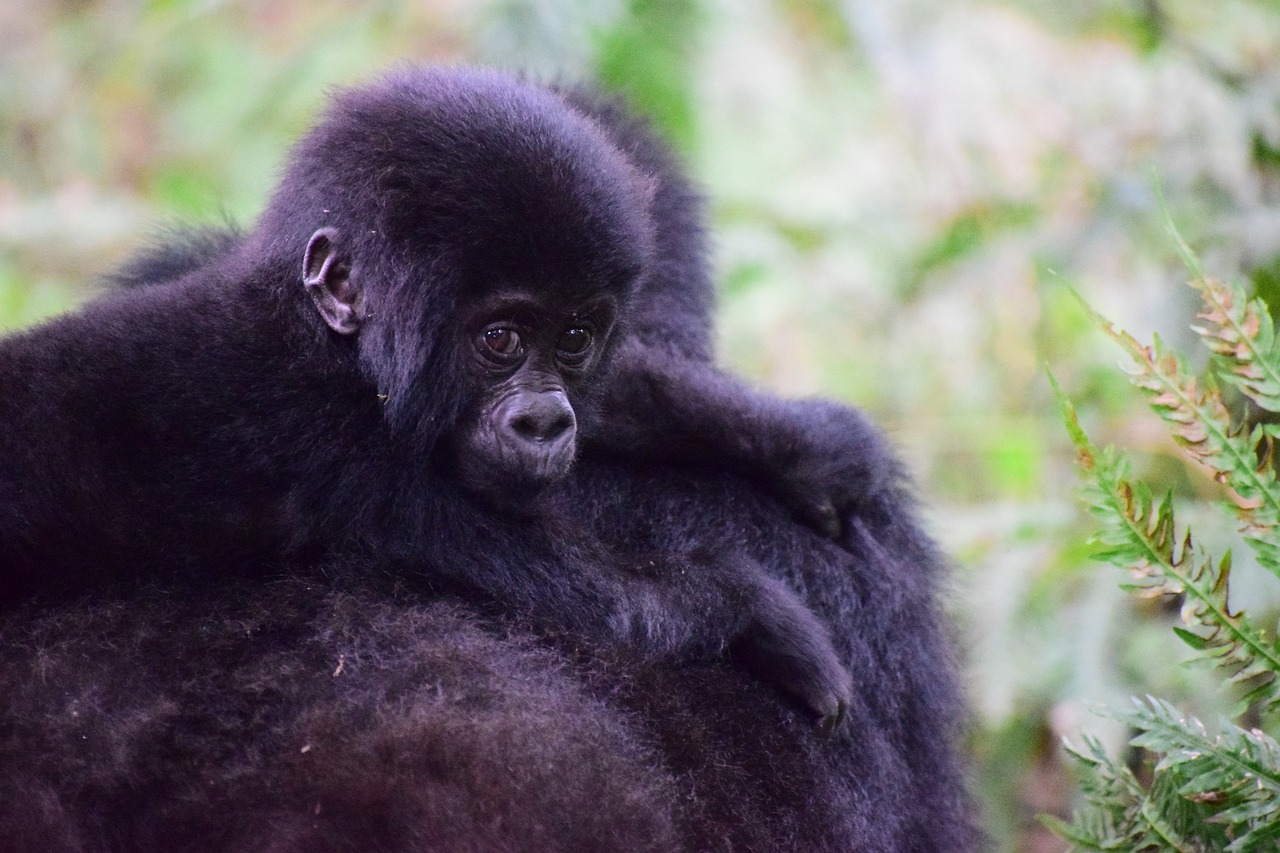
Gorilla trekking in Rwanda occurs primarily in the Volcanoes National Park, which sits within the famous Virunga region. This park hosts a significant population of endangered mountain gorillas and the historic Karisoke Research Center. Specifically, the late Dian Fossey used this center to conduct her groundbreaking research. Currently, a gorilla trekking permit in Rwanda costs $1,500 USD.
Why is Gorilla Trekking in Rwanda Expensive?
Many travelers wonder why the permits carry a premium price. Indeed, gorilla trekking is expensive due to several critical factors:
-
High Conservation Investment: The government requires a large investment to sustain conservation efforts. Specifically, the government reinvests 75% of the permit fee into conservation and 10% into the local communities surrounding the park.
-
Strong Safeguarding: Monitoring endangered species requires constant vigilance and professional tracking.
-
Habituation Costs: The process of habituating wild gorillas to human presence is a lengthy and costly endeavor.
-
Global Marketing: The country invests heavily in advertising Rwanda as a high-end, sustainable tourism destination.
Requirements for Acquiring a Gorilla Trekking Permit
As travelers plan a Rwanda safari, they must meet specific requirements to secure a permit:
-
Age Limit: The person performing the trek must be 15 years or older.
-
Valid Documentation: Travelers must possess a valid passport.
-
Advanced Booking: You must book the permit in advance to ensure availability during peak seasons.
-
Licensed Operators: Travelers should use licensed tour operators to facilitate the permit acquisition.
-
Physical Fitness: You must be fit enough to navigate the steep, forested terrain of the volcanoes.
Top Activities to Combine with Gorilla Trekking
There are several activities that travelers usually engage in during a Rwanda safari. Furthermore, these experiences enrich your understanding of the region’s wildlife and culture.
1. Golden Monkey Trekking
These small, vibrant primates reside within the bamboo forests of Volcanoes National Park. Typically, golden monkey trekking serves as an excellent “add-on” to a gorilla safari. The activity usually takes about 3 to 4 hours.
2. Hike to the Dian Fossey Tomb
Once you complete your gorilla trek, you can visit the final resting place of Dian Fossey. The hike takes about 4 to 5 hours. During the hike, guides share the history of who Dian Fossey was and her tireless work in gorilla conservation. Upon arrival, you will see 20 other graves of conservationists who lost their lives to poachers.
3. Cultural Encounters in the Gorilla Guardian Village
This community sits near Volcanoes National Park and consists of former poachers and the Batwa people. Notably, travelers can engage in cultural dances, traditional craft making, and local storytelling.
4. Kigali City Tour
Kigali is a clean, administrative city with several historical attractions. Specifically, visitors explore the Kigali Genocide Memorial, the Belgium Monument, and the President’s Museum to understand Rwanda’s journey.
5. Chimpanzee Trekking
Travelers can also add chimpanzee trekking to their bucket list. This activity takes place in Nyungwe National Park. The trek lasts between 2 to 6 hours, allowing you to encounter these intelligent large primates.
6. Savannah Game Drives
Rwanda’s only savannah park, Akagera National Park, offers traditional game drives. Indeed, you can spot the Big Five—lions, leopards, elephants, rhinos, and buffaloes—alongside giraffes and hippos.
Alternative Destinations: Where Else Can You See Gorillas?
Mountain gorillas live in only a few protected areas in Africa. In addition to Rwanda, you can find them in:
-
Uganda: Home to half of the world’s mountain gorilla population. Travelers can track them in Bwindi Impenetrable National Park or Mgahinga Gorilla National Park. A permit in Uganda costs $800 USD.
-
Democratic Republic of Congo: You can track mountain gorillas in Virunga National Park. Moreover, the DRC offers lowland gorilla trekking in Kahuzi-Biega National Park.
When is the Best Time for Gorilla Trekking?
Rwanda welcomes travelers all year round. However, the dry seasons (June to September and December to February) offer the best conditions. During these months, the vegetation is shorter, which eases viewing and photography. Conversely, the wet season sees less traffic in the park, and gorillas often stay on the lower slopes, making them easier to reach in a shorter time.
Rwanda remains one of the best destinations to witness mountain gorillas in their natural habitat. By booking your safari today, you contribute to the survival of these majestic “Gentle Giants.”