Is the Cost of Gorilla Trekking in Uganda Worth It?
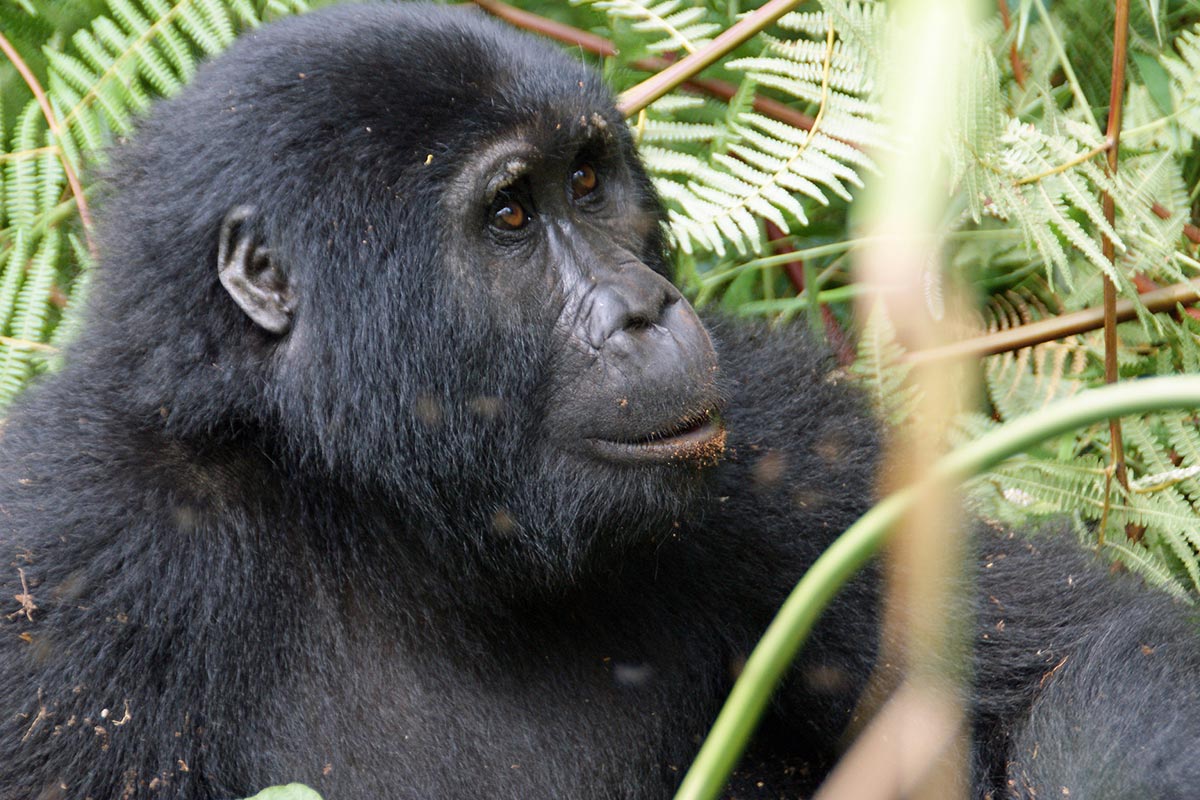
Uganda sits in the heart of the East African region, neighboring Kenya, Tanzania, Rwanda, South Sudan, and the Democratic Republic of Congo. Notably, the country is home to over half of the world’s mountain gorilla population. These primates reside in the lush forests of southwestern Uganda. This area forms part of the Virunga region, a massive conservation zone shared by three countries.
Because Uganda offers a more affordable permit than neighboring Rwanda, many travelers consider it the best value for this once-in-a-lifetime encounter. Indeed, the experience of standing meters away from a silverback is widely regarded as one of the most profound wildlife moments on earth.
Where to See Mountain Gorillas in Uganda
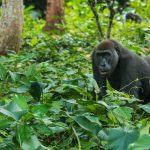
Mountain gorillas are endemic to this region. Currently, Uganda hosts these “gentle giants” in two primary national parks:
1. Bwindi Impenetrable National Park
Bwindi is the largest primate sanctuary in Uganda. Specifically, the park is divided into four sectors: Buhoma, Rushaga, Ruhija, and Nkuringo. Each sector contains several habituated gorilla families that travelers can visit. Because the habituation process takes about two years, these families are familiar with human presence. To ensure a sustainable experience, only eight people can visit a single gorilla family each day.
2. Mgahinga Gorilla National Park
Located in the Kisoro district, Mgahinga is part of the larger Virunga conservation area. While exploring this park, you will see stunning volcanic peaks like Mount Gahinga, Sabyinyo, and Muhabura. The park features one transboundary habituated family. Furthermore, travelers often spot other small primates and golden monkeys during their trek.
Gorilla Permit Costs in 2026
To see these primates, you must acquire a gorilla trekking permit. The Uganda Wildlife Authority sets the following rates:
-
Foreign Non-Residents: USD 800
-
Foreign Residents: USD 700
-
Rest of Africa: USD 500
-
East African Citizens: UGX 300,000
Requirements for Acquiring a Gorilla Permit
A permit is the most essential piece of equipment for your Uganda safari. Typically, travelers book these through licensed tour operators in Uganda who handle the purchase.
-
Documentation: You must provide a copy of your passport or ID.
-
Advance Payment: You must pay in full to ensure permit availability.
-
Planning: You should select your preferred trekking dates and sector well in advance. Because permits are limited, they often sell out months ahead of time.
Physical Fitness and Accessibility
Gorilla trekking requires walking several kilometers through thick vegetation and steep terrain. Consequently, travelers need a reasonable level of fitness and stability.
However, the activity is available for everyone. If you are elderly or have a disability, you can hire porters to assist you. Specifically, porters can transport guests using “African helicopters” (stretcher seats) for approximately USD 500. Additionally, we recommend that all trekkers use walking sticks and hire porters to carry heavy backpacks. To prepare, you should engage in light training, such as stretching and long walks, before your trip.
The Best Time for Gorilla Trekking
You can see mountain gorillas in Uganda all year round. Nevertheless, the timing of your trip can affect your experience:
-
Dry Season (June to September & December to February): This is the best time for trekking. Because the forest trails are dry, the hike is less slippery and more manageable.
-
Wet Season (March to May & October to November): The area becomes muddy and difficult to navigate. However, the advantage of the wet season is the lack of crowds. In addition, gorillas often stay at lower altitudes where food is abundant, potentially shortening your trek.