A Traveler’s Guide to Rwanda: Discover the Land of a Thousand Hills
Rwanda, located in the heart of East Africa, is one of Africa’s most captivating travel destinations. Often celebrated as the Land of a Thousand Hills, the country is renowned for its rolling green landscapes, mist-covered mountains, beautiful lakes, rich cultural heritage, and remarkable wildlife experiences. From coming face to face with endangered mountain gorillas in Volcanoes National Park to exploring the ancient rainforests of Nyungwe and enjoying savanna game drives in Akagera National Park, Rwanda offers a diverse range of unforgettable adventures.
Beyond its natural attractions, Rwanda is a destination of cultural discovery, historical reflection, and warm hospitality. Visitors can explore lively Kigali markets, experience traditional performances, learn about the country’s history, and relax along the shores of Lake Kivu.
Rwanda has also become an important example of how tourism can support wildlife conservation and community development. Its protected areas, conservation programmes, and organised tourism experiences make it an appealing destination for travellers seeking meaningful African adventures.
Whether you are planning a gorilla trekking safari, a wildlife holiday, a cultural tour, or a combined Rwanda and Uganda safari, this guide explores the country’s major attractions and experiences.
1. Gorilla Trekking in Volcanoes National Park
One of Rwanda’s most famous tourism experiences is mountain gorilla trekking in Volcanoes National Park. Located in the northwestern part of the country, this remarkable protected area forms part of the Virunga Mountains, a chain of volcanic mountains shared by Rwanda, Uganda, and the Democratic Republic of Congo.
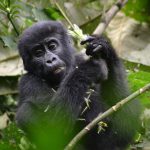
The park protects a significant population of endangered mountain gorillas and offers visitors an opportunity to observe these remarkable primates in their natural habitat. For many travellers, encountering a gorilla family in the misty mountain forest is the highlight of a Rwanda safari.
Understanding Mountain Gorillas
Mountain gorillas are among the world’s most fascinating primates. They live in close-knit family groups led by a dominant adult male known as a silverback. Their social structure, intelligence, communication, and strong family relationships make them particularly interesting to observe.
Although mountain gorillas were once threatened by poaching, habitat destruction, disease, and other human-related pressures, conservation initiatives have helped their population recover. Their continued protection depends on cooperation between governments, conservation organisations, local communities, researchers, and responsible visitors.
What to Expect During Gorilla Trekking
A gorilla trekking experience begins early in the morning at the park headquarters, where visitors attend a briefing about trekking regulations and responsible behaviour.
After the briefing, visitors are allocated to gorilla families and accompanied by experienced park guides and trackers. The trekking duration varies depending on where the gorillas are located. Some groups may be reached after a relatively short walk, while others require several hours of hiking through thick vegetation and steep mountain terrain.
Once the gorilla family is located, visitors are generally allowed to spend one hour observing the gorillas, following the park’s rules and guidance.
During this encounter, you may see:
-
Silverbacks supervising and protecting their families.
-
Young gorillas playing, climbing, and interacting with one another.
-
Mothers caring for their infants.
-
Gorillas feeding on leaves, stems, shoots, and other vegetation.
-
Different members communicating through body movements and vocalisations.
The experience offers a rare opportunity to appreciate the behaviour of mountain gorillas while learning about the importance of protecting their fragile habitat.
Gorilla Permits and Conservation Regulations
Gorilla trekking in Rwanda requires a valid permit issued through the Rwanda Development Board or its authorised booking channels. The number of visitors permitted to visit each habituated gorilla family is restricted to minimise disturbance.
Visitors must follow several conservation guidelines, including maintaining the required distance from gorillas, avoiding flash photography, following the guide’s instructions, and not trekking when unwell.
Gorilla tourism also contributes to conservation through permit revenue and wider tourism-related economic benefits. Local communities benefit from employment, tourism businesses, and conservation programmes.
Why Choose Rwanda for Gorilla Trekking?
Rwanda is particularly attractive to visitors who want to combine gorilla trekking with other experiences in a relatively compact destination. Volcanoes National Park is approximately two to three hours by road from Kigali, depending on traffic and road conditions.
Travellers can combine gorilla trekking with golden monkey tracking, volcanic hiking, cultural experiences, and visits to Lake Kivu.
For visitors interested in exploring more than one gorilla destination, Rwanda can also be combined with Uganda’s Bwindi Impenetrable National Park or Mgahinga Gorilla National Park.
2. Cultural Experiences in Rwanda
Rwanda’s cultural heritage is an important part of its tourism appeal. Visitors can learn about traditional customs, music, dance, food, crafts, and everyday community life.
Cultural experiences provide an opportunity to understand the country’s identity beyond its wildlife and landscapes.
Traditional Intore Dance Performances
The Intore dance is one of Rwanda’s most recognisable traditional performances. Historically associated with royal courts and warrior traditions, it is characterised by energetic movements, rhythmic drumming, coordinated choreography, and distinctive costumes.
The dancers often perform in groups, using expressive movements to communicate stories of bravery, cultural pride, and Rwandan heritage.
Watching an Intore performance is an excellent way to appreciate the country’s traditional performing arts.
Visiting Local Markets in Kigali
A visit to a local market in Kigali offers an opportunity to experience everyday life in Rwanda.
Markets provide a lively environment where visitors can interact with local traders, discover fresh agricultural produce, and purchase traditional crafts and souvenirs.
Popular shopping experiences include:
-
Handmade baskets and traditional weaving.
-
Locally produced clothing and fabrics.
-
Fresh fruits and vegetables.
-
Wood carvings and decorative crafts.
-
Locally made souvenirs and artwork.
The Kimironko Market is among Kigali’s best-known markets and is particularly interesting for visitors who want to experience local commerce and shopping.
Gorilla Guardians Village
Located near Volcanoes National Park, Gorilla Guardians Village offers cultural experiences inspired by traditional Rwandan life.
Visitors can learn about traditional building techniques, music, dance, food preparation, and aspects of the country’s cultural history. The experience also highlights the relationship between community development and wildlife conservation.
3. Nyungwe National Park: Rainforest Adventures and Chimpanzee Trekking
Located in southwestern Rwanda, Nyungwe National Park is one of the country’s most important biodiversity destinations. It protects an extensive montane rainforest that supports numerous primate species, forest birds, butterflies, and other wildlife.
For nature lovers, Nyungwe offers a completely different experience from the volcanic landscapes of Volcanoes National Park.
Chimpanzee Trekking in Nyungwe
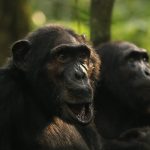
Chimpanzee trekking is among the park’s most popular activities. Visitors enter the forest accompanied by experienced guides and trackers in search of habituated chimpanzee communities.
Unlike gorilla trekking, chimpanzee tracking can involve following fast-moving primates through dense vegetation. Chimpanzees are highly active and may move between feeding areas, making the experience exciting and unpredictable.
During a successful encounter, visitors may observe chimpanzees:
-
Feeding on fruits and other forest vegetation.
-
Moving through the forest canopy.
-
Grooming one another.
-
Communicating through calls and gestures.
-
Playing and interacting within their communities.
Chimpanzee trekking offers an excellent opportunity to understand the behaviour of these intelligent primates and the importance of conserving tropical rainforest ecosystems.
Nyungwe Canopy Walkway
The Nyungwe Canopy Walkway is another major attraction. Suspended high above the forest floor, this elevated walkway gives visitors a different perspective of the rainforest.
Walking across the suspension bridge provides panoramic views of the surrounding forest canopy, rolling hills, and distant landscapes.
Visitors may also spot forest birds, monkeys, and other wildlife from above the forest floor. The walkway is particularly appealing to photographers and travellers seeking a memorable nature experience.
Bird Watching in Nyungwe
Nyungwe is an important birding destination, particularly for travellers interested in Albertine Rift endemic species.
Birding highlights include:
-
Rwenzori Turaco.
-
Great Blue Turaco.
-
Rwenzori Batis.
-
Handsome Francolin.
-
Grauer’s Rush Warbler.
-
Red-collared Mountain Babbler.
-
Archer’s Robin-Chat.
-
Strange Weaver.
-
Regal Sunbird.
Bird sightings depend on the season, habitat, weather, and birding route. Travelling with an experienced local birding guide improves the chances of locating specialised forest species.
Other Activities in Nyungwe
In addition to chimpanzee trekking and the canopy walk, visitors can enjoy guided forest walks, waterfall trails, bird watching, and nature photography.
Nyungwe is an excellent destination for travellers who want to explore Rwanda’s rainforest biodiversity.
4. Rwanda Genocide Memorials: Sites of Remembrance and Hope
Rwanda’s history is an important part of understanding the country. A visit to its genocide memorials provides an opportunity to learn about the 1994 Genocide against the Tutsi, remember the victims, and reflect on the importance of peace, reconciliation, and human dignity.
In 1994, extremist forces organised and carried out a genocide against the Tutsi. Over approximately 100 days, an estimated 800,000 people were killed. The victims were predominantly Tutsi, while moderate Hutu and others who opposed the genocide were also murdered.
Today, Rwanda preserves several memorial sites that educate visitors about the genocide, honour the victims, and promote the message of Never Again.
The Four Major UNESCO-Recognised Genocide Memorial Sites
In September 2023, four memorial sites associated with the 1994 Genocide against the Tutsi were inscribed on the UNESCO World Heritage List. They are internationally recognised for their historical and educational significance.
1. Kigali Genocide Memorial
Located in Gisozi, Kigali Genocide Memorial is one of the country’s most important places of remembrance.
It serves as the final resting place for more than 250,000 victims of the genocide. The memorial includes permanent exhibitions documenting the history of the genocide, its causes, the events of 1994, and the experiences of survivors.
Visitors can learn about the history of Rwanda, the impact of extremist ideology, and the importance of preventing future atrocities.
2. Nyamata Genocide Memorial
Located in Bugesera District, Nyamata Genocide Memorial is a former Catholic church where thousands of people sought refuge during the genocide.
The site preserves personal belongings, clothing, and other historical evidence connected to the victims. Its quiet surroundings and preserved structures create a deeply moving environment for reflection.
A visit provides insight into the experiences of people who sought safety in places of worship but were ultimately killed.
3. Murambi Genocide Memorial
Situated in Nyamagabe District, Murambi Genocide Memorial is one of the most sobering memorial sites in Rwanda.
During the genocide, thousands of Tutsi sought refuge at the former technical school in Murambi. They were subsequently massacred.
The memorial preserves human remains and historical evidence, making it a particularly difficult but important place to visit. Visitors should approach the site with sensitivity and respect.
4. Bisesero Genocide Memorial
Located in Karongi District in western Rwanda, Bisesero Genocide Memorial commemorates the victims who were killed in the Bisesero area.
The site is associated with the resistance of Tutsi communities who attempted to defend themselves against the attackers. Its landscape of hills is closely connected to the history of the events that unfolded there.
Bisesero is therefore an important place for remembering the courage, suffering, and resilience of those who resisted the violence.
Rwanda’s Journey Towards Healing and Reconciliation
Since 1994, Rwanda has undertaken extensive efforts to rebuild communities, strengthen national unity, and promote reconciliation.
The memorial sites play an important role in preserving historical evidence and educating future generations. They also provide opportunities for visitors to reflect on the consequences of hatred, discrimination, and organised violence.
When visiting these sites, travellers should behave respectfully, follow memorial guidelines, and recognise that these are places of mourning rather than ordinary tourist attractions.
5. Lake Kivu: Relaxation, Water Activities and Scenic Landscapes
Located along Rwanda’s western border with the Democratic Republic of Congo, Lake Kivu is one of the country’s most beautiful natural attractions.
Surrounded by green hills, fishing communities, and picturesque lakeside towns, Lake Kivu offers a relaxing experience after wildlife adventures in Rwanda’s national parks.
Things to Do Around Lake Kivu
Boat excursions: Explore the lake by boat, enjoy views of the surrounding hills, and visit some of its islands where permitted.
Kayaking: Kayaking provides an opportunity to experience the lake at a slower pace while enjoying its beautiful surroundings.
Swimming: Visitors can enjoy selected lakeside swimming areas, following local safety guidance and choosing established facilities.
Relaxing along the shoreline: The lakeside towns offer peaceful settings for relaxation, dining, and photography.
Visiting local fishing communities: Traditional fishing activities provide insight into the livelihoods and culture of communities living around the lake.
Popular Towns Around Lake Kivu
-
Rubavu (Gisenyi): Known for its lakeside resorts, beaches, restaurants, and proximity to the border with the Democratic Republic of Congo.
-
Karongi (Kibuye): Popular for its scenic hills, islands, and peaceful lakeside atmosphere.
-
Rusizi (Cyangugu): Located in southwestern Rwanda, it provides access to the southern part of the lake and nearby Nyungwe Forest.
Lake Kivu is an excellent destination for travellers seeking relaxation, scenic drives, and water-based activities.
6. Akagera National Park: Rwanda’s Big Five Safari Destination
Located in eastern Rwanda along the border with Tanzania, Akagera National Park protects a diverse landscape of savanna grasslands, woodlands, wetlands, lakes, and river systems.
It is Rwanda’s principal savanna wildlife destination and an excellent place to enjoy traditional African game drives.
The park is home to the Big Five: lions, leopards, elephants, buffaloes, and rhinoceroses. It also supports giraffes, zebras, antelopes, hippos, crocodiles, and numerous bird species.
Wildlife Viewing in Akagera
Game drives are among the main activities in Akagera. Visitors explore different parts of the park in search of wildlife, accompanied by experienced guides.
Animals commonly targeted during game drives include:
-
African elephants.
-
Lions.
-
Leopards.
-
White rhinoceroses.
-
Black rhinoceroses.
-
African buffaloes.
-
Maasai giraffes.
-
Plains zebras.
-
Impalas.
-
Topis.
-
Waterbucks.
-
Hippos.
Wildlife sightings are never guaranteed, as animals move freely across the protected landscape. However, Akagera provides an excellent opportunity to experience Rwanda’s savanna ecosystems.
Boat Safaris on Lake Ihema
A boat safari on Lake Ihema offers a different perspective of Akagera’s wildlife.
Visitors can observe hippos, crocodiles, waterbirds, and other animals along the lake’s shores.
Birding highlights may include African Fish Eagles, kingfishers, herons, egrets, cormorants, and other wetland species.
Bird Watching in Akagera
Akagera is also an excellent destination for bird lovers. Its wetlands, lakes, grasslands, and woodland habitats support a wide variety of birds.
Some notable birding targets include:
-
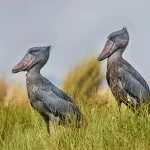
Shoebill.
-
African Fish Eagle.
-
Papyrus Gonolek.
-
African Jacana.
-
Grey Crowned Crane.
-
Saddle-billed Stork.
-
Lilac-breasted Roller.
-
Red-faced Barbet.
Akagera is particularly rewarding for travellers who want to combine large mammal viewing with bird watching.
7. Mount Bisoke: Hiking to a Volcanic Crater Lake
For adventure seekers, hiking Mount Bisoke is one of the most rewarding activities in northern Rwanda.
Mount Bisoke is an extinct volcano within the Virunga Mountains, reaching approximately 3,711 metres above sea level. Its summit features a beautiful crater lake surrounded by montane vegetation.
What to Expect During the Hike
The hike begins with a briefing and an introduction to the trail. Visitors are accompanied by park guides and proceed through different vegetation zones as they climb the mountain.
The route can be steep, muddy, and physically demanding, particularly during rainy periods. The final section involves climbing towards the summit, where hikers are rewarded with views of the crater lake and surrounding volcanic landscape when weather conditions allow.
What to Pack for Mount Bisoke
Visitors should prepare for changing mountain weather and challenging trail conditions.
Recommended items include:
-
Waterproof hiking boots.
-
Long trousers and comfortable hiking clothing.
-
Waterproof jacket.
-
Gardening or hiking gloves.
-
Drinking water.
-
Snacks.
-
Walking stick.
-
Camera.
-
Small backpack.
A reasonable level of physical fitness is recommended. Hikers should also follow the instructions of their guides throughout the experience.
8. Rwandan Cuisine: Discover the Country Through Food
Food is an important part of experiencing Rwanda’s culture. Traditional meals often feature locally grown ingredients such as beans, cassava, bananas, sweet potatoes, maize, vegetables, and groundnuts.
Visitors can explore Rwandan cuisine in local restaurants, hotels, and community dining experiences.
Traditional Foods to Try
Isombe: A popular dish prepared using cassava leaves, often cooked with groundnuts, onions, and other ingredients.
Ugali: A firm maize-based staple commonly served with vegetables, beans, meat, or fish.
Brochettes: Grilled meat or fish skewers served in restaurants and local eateries.
Ibihaza: A traditional preparation of pumpkin cooked with beans.
Akabenz: A popular pork dish found in some Rwandan restaurants.
Matoke: Cooked green bananas served with sauces, vegetables, beans, or meat.
Trying traditional dishes offers visitors an opportunity to experience Rwanda’s culinary heritage.
9. Other Interesting Places to Visit in Rwanda
Beyond the major national parks and attractions, Rwanda has several destinations worth adding to a travel itinerary.
Kigali City
Kigali is Rwanda’s capital and an important starting point for most international visitors.
The city is known for its organised urban environment, green hills, cultural attractions, restaurants, and markets.
Popular activities include visiting the Kigali Genocide Memorial, exploring Kimironko Market, visiting art galleries, discovering local restaurants, and enjoying panoramic city views.
King’s Palace Museum in Nyanza
The King’s Palace Museum provides insight into Rwanda’s traditional monarchy and royal heritage.
Visitors can explore a reconstruction of the traditional royal residence and learn about the country’s history, leadership, and cultural traditions.
One of the highlights is the presence of Inyambo cattle, a traditional long-horned royal cattle breed known for its impressive horns and cultural significance.
Ethnographic Museum in Huye
Located in Huye, the Ethnographic Museum is one of Rwanda’s important cultural institutions.
Its collections provide insight into traditional Rwandan life, including agriculture, crafts, architecture, clothing, religion, and social customs.
It is an excellent stop for travellers interested in understanding Rwanda’s cultural development and heritage.
Iby’Iwacu Cultural Experiences
Community-based cultural experiences near Volcanoes National Park allow visitors to learn about local traditions, music, dance, food, and everyday life.
These activities can complement gorilla trekking and provide opportunities for tourism to support surrounding communities.
10. Best Time to Visit Rwanda
Rwanda is a year-round destination, although the best time to visit depends on the activities you intend to enjoy.
The country generally experiences two drier periods and two rainy periods.
| Season | Months | What to expect |
|---|---|---|
| Longer dry season | June–September | Generally favourable for gorilla trekking, hiking, and wildlife viewing |
| Shorter rainy season | October–December | Rainfall increases, with changing forest and countryside conditions |
| Shorter dry season | January–February | Often favourable for travel, trekking, and outdoor activities |
| Longer rainy season | March–May | Frequent rainfall, muddy trails, and lush landscapes |
Best Time for Gorilla Trekking
Gorilla trekking is available throughout the year. However, the drier months are often preferred because forest trails can be less muddy and hiking conditions may be easier.
The rainy seasons can also provide rewarding experiences, although visitors should prepare for wet and slippery trails.
Best Time for Wildlife Safaris in Akagera
The drier months are generally favourable for game drives because vegetation may be less dense and animals can be easier to locate around water sources.
Nevertheless, wildlife viewing depends on natural conditions and the movements of animals.
Best Time for Bird Watching
Bird watching is rewarding throughout the year. The period from approximately November to April is particularly interesting for birders because migratory species from Europe and northern Asia are present alongside resident birds.
11. How to Get to Rwanda
Rwanda is accessible by air and road, making it relatively easy to combine with neighbouring East African destinations.
By Air
Most international visitors arrive through Kigali International Airport.
The airport serves as the country’s main international gateway, with connections to several destinations in Africa, the Middle East, Europe, and beyond.
From Kigali, visitors can arrange private transfers, guided tours, or domestic travel to the country’s major attractions.
By Road from Uganda
Travellers can enter Rwanda from Uganda through recognised border crossings, including:
-
Cyanika border, convenient for visitors travelling between Kisoro and northern Rwanda.
-
Katuna/Gatuna border, connecting the Kabale area with Rwanda.
These routes are particularly useful for travellers planning combined Uganda and Rwanda gorilla trekking safaris.
Travelling Between Rwanda’s National Parks
Rwanda’s relatively compact size makes it possible to combine several destinations in one itinerary.
For example, visitors can travel from Kigali to Volcanoes National Park, continue to Lake Kivu, explore Nyungwe National Park, and return to Kigali.
Akagera National Park can also be included in a wider Rwanda safari.
12. Suggested Rwanda Safari Itinerary
A well-planned Rwanda itinerary can combine primate encounters, wildlife viewing, cultural discovery, and relaxation.
Day 1: Arrival in Kigali
Arrive at Kigali International Airport, meet your safari representative, and transfer to your hotel. Depending on arrival time, explore selected city attractions.
Day 2: Kigali to Volcanoes National Park
Visit selected cultural attractions or the Kigali Genocide Memorial before travelling to Musanze. Enjoy the scenic countryside and settle into your lodge.
Day 3: Gorilla Trekking in Volcanoes National Park
Attend the morning briefing and proceed for mountain gorilla trekking. After the trek, return to your lodge for relaxation.
Day 4: Golden Monkey Tracking and Cultural Experience
Enjoy golden monkey tracking in the bamboo forests of Volcanoes National Park. In the afternoon, visit a local cultural centre or community tourism project.
Day 5: Volcanoes National Park to Lake Kivu
Travel to Lake Kivu and enjoy the beautiful scenery. Depending on your chosen town, spend the afternoon relaxing, kayaking, or enjoying a boat excursion.
Day 6: Lake Kivu to Nyungwe National Park
Travel towards Nyungwe through Rwanda’s beautiful southwestern countryside. Arrive at your lodge and prepare for the next day’s forest activities.
Day 7: Chimpanzee Trekking in Nyungwe
Enjoy an early morning chimpanzee trekking experience. Later, experience the Nyungwe Canopy Walkway or a guided forest walk, depending on availability and your schedule.
Day 8: Nyungwe to Kigali
Travel back to Kigali, with optional cultural or scenic stops along the way. Transfer to the airport for your departure, depending on flight time.
This itinerary can be adjusted to include Akagera National Park, additional nights at Lake Kivu, or more time for bird watching and cultural experiences.
13. Responsible Tourism and Conservation in Rwanda
Rwanda’s tourism industry is closely connected to environmental conservation and community development. Visitors play an important role in supporting these efforts by choosing responsible travel experiences.
When visiting Rwanda, travellers are encouraged to:
-
Follow wildlife viewing regulations and park guidelines.
-
Maintain the required distance from mountain gorillas and other wildlife.
-
Avoid littering in national parks and natural areas.
-
Respect local customs and cultural traditions.
-
Support community-owned tourism businesses.
-
Use experienced and authorised local guides.
-
Avoid activities that disturb wildlife or damage natural habitats.
-
Observe memorial site rules and treat places of remembrance with dignity.
Responsible tourism helps protect Rwanda’s natural and cultural heritage while ensuring that local communities benefit from tourism.
14. Frequently Asked Questions About Visiting Rwanda
Is Rwanda a good destination for a safari?
Yes. Rwanda offers mountain gorilla trekking, chimpanzee tracking, golden monkey tracking, Big Five wildlife safaris in Akagera National Park, bird watching, hiking, cultural experiences, and beautiful lakeside destinations.
What is Rwanda famous for?
Rwanda is particularly famous for mountain gorilla trekking in Volcanoes National Park. It is also known for its green landscapes, Nyungwe rainforest, Akagera wildlife, Lake Kivu, cultural heritage, and the history of the 1994 Genocide against the Tutsi.
How many days are enough to visit Rwanda?
A short visit of three to four days can cover Kigali and Volcanoes National Park. A seven-to-ten-day itinerary allows visitors to explore additional destinations such as Nyungwe, Lake Kivu, and Akagera.
Can I combine Rwanda and Uganda gorilla trekking?
Yes. Rwanda and Uganda can be combined into one East African safari. Travellers can trek mountain gorillas in Volcanoes National Park and continue to Bwindi Impenetrable National Park or Mgahinga Gorilla National Park in Uganda.
Is Rwanda suitable for bird watching?
Yes. Rwanda has several important birding destinations, including Nyungwe National Park, Akagera National Park, and the forests and wetlands around the country. Birders can search for Albertine Rift endemics, forest specialists, savanna birds, and migratory species.
Do I need a gorilla permit to trek in Rwanda?
Yes. A valid gorilla trekking permit is required to visit habituated mountain gorilla families in Volcanoes National Park. Permits are limited and should be arranged in advance, particularly during busy travel periods.
What should I pack for a Rwanda safari?
Pack comfortable clothing, waterproof hiking boots, a rain jacket, insect repellent, sunscreen, a hat, binoculars, a camera, and personal essentials. Gorilla trekking and mountain hiking require suitable clothing and footwear.
Is Rwanda good for a family holiday?
Rwanda offers a range of family-friendly experiences, including cultural visits, Kigali city tours, Lake Kivu activities, and wildlife safaris in Akagera. However, some activities, particularly gorilla and chimpanzee trekking, have minimum age restrictions.
Conclusion: Discover the Beauty and Diversity of Rwanda
Rwanda is much more than the Land of a Thousand Hills. It is a destination where extraordinary wildlife, beautiful landscapes, cultural heritage, and powerful history come together to create meaningful travel experiences.
From the mist-covered forests of Volcanoes National Park to the chimpanzee-rich rainforest of Nyungwe, the savanna plains of Akagera, and the peaceful shores of Lake Kivu, every destination offers something different.
Visitors can encounter endangered mountain gorillas, discover traditional Rwandan culture, explore historical memorials, enjoy wildlife safaris, and connect with local communities.
For travellers planning an East African adventure, Rwanda also offers excellent opportunities to combine experiences with Uganda, Kenya, and Tanzania.
Plan your Rwanda safari with Epic Uganda Vacation and discover the country’s remarkable wildlife, cultural attractions, and scenic landscapes through a carefully organised East African journey.