A Complete Guide to Climbing Mount Kilimanjaro, Tanzania: Routes, Costs, Preparation and Summit Tips
Introduction: Discover the Roof of Africa
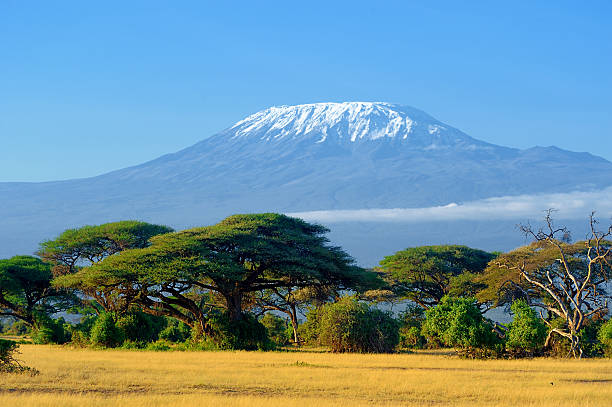
Rising to 5,895 metres (19,341 feet) above sea level, Mount Kilimanjaro is the highest mountain in Africa and the tallest free-standing mountain in the world. Located in northern Tanzania, close to the Kenyan border, this remarkable mountain dominates the surrounding landscape with its three volcanic cones: Kibo, Mawenzi and Shira.
Its highest point, Uhuru Peak, stands on the crater rim of Kibo and represents one of Africa’s most celebrated trekking achievements. Every year, climbers from around the world travel to Tanzania to experience the challenge of reaching this famous summit.
Unlike many high mountains that require technical mountaineering skills, Kilimanjaro is climbed mainly by trekking established trails. However, this does not make the adventure easy. The high altitude, long walking days, changing weather and demanding summit night require proper preparation, patience and respect for the mountain.
One of the most fascinating aspects of climbing Kilimanjaro is the opportunity to pass through several distinct ecological and climatic zones. The journey begins among cultivated farmland and tropical rainforest before continuing through heathland, moorland, alpine desert and the cold, high-altitude summit environment.
Whether you are an experienced hiker or planning your first major mountain adventure, choosing the right route, allowing enough time for acclimatisation and travelling with a qualified mountain crew are essential.
This complete guide to climbing Mount Kilimanjaro explains the routes, trekking experience, preparation requirements, best time to climb, safety considerations and practical arrangements to help you plan your journey to the Roof of Africa.
Where Is Mount Kilimanjaro Located?
Mount Kilimanjaro is situated in the Kilimanjaro Region of northeastern Tanzania, close to the international border with Kenya. The mountain lies within Kilimanjaro National Park, a protected area managed by Tanzania National Parks (TANAPA).
The main gateway towns for climbers are Moshi and, to a lesser extent, Arusha. Moshi is particularly convenient because it is close to several mountain entry gates and has hotels, restaurants, climbing companies and equipment rental services.
Most international visitors arrive through Kilimanjaro International Airport (JRO), located between Moshi and Arusha. From the airport, travellers can arrange transfers to their hotels before beginning the climb.
Kilimanjaro’s location also makes it possible to combine a mountain adventure with other northern Tanzania attractions, including Arusha National Park, Lake Manyara, Tarangire National Park, Ngorongoro Conservation Area and Serengeti National Park.
Understanding Mount Kilimanjaro: Height, Peaks and Geography
Mount Kilimanjaro is a volcanic mountain formed by three major volcanic cones.
1. Kibo
Kibo is the highest and central volcanic cone. It contains the mountain’s highest point, Uhuru Peak, at 5,895 metres above sea level.
Kibo is the main objective for climbers attempting to reach the Roof of Africa. The final ascent involves trekking across steep, high-altitude terrain to reach the crater rim before continuing to Uhuru Peak.
2. Mawenzi
Mawenzi is the rugged, jagged volcanic cone located to the east of Kibo. Its dramatic rock formations and steep ridges create one of the mountain’s most distinctive landscapes.
Mawenzi is not the standard route to Uhuru Peak. Its technical terrain and climbing restrictions mean that ordinary Kilimanjaro trekking itineraries generally admire it from established trails rather than attempting to climb its exposed peaks.
3. Shira
Shira is the oldest of the three volcanic cones. Its former summit has collapsed, leaving behind the broad Shira Plateau, which forms part of the western approach to the mountain.
The plateau is particularly scenic and is encountered by climbers using the Lemosho and Shira approaches.
Why Climb Mount Kilimanjaro?
Climbing Kilimanjaro is more than reaching a high point on a map. It is an opportunity to experience one of Africa’s most remarkable natural environments.
Some of the main reasons travellers choose this adventure include:
- Reach Africa’s highest point: Stand at Uhuru Peak, 5,895 metres above sea level.
- Explore changing ecosystems: Walk through rainforest, heathland, moorland, alpine desert and the summit environment.
- Experience spectacular scenery: Enjoy views of volcanic landscapes, glaciers, valleys and surrounding plains.
- Challenge yourself: Test your endurance, patience and mental determination on a demanding multi-day trek.
- Experience Tanzanian hospitality: Meet professional mountain guides, cooks and porters who support climbing expeditions.
- Combine trekking with a safari: Explore Tanzania’s wildlife destinations before or after your mountain adventure.
Kilimanjaro is also a rewarding destination for photographers, nature enthusiasts and travellers interested in mountain environments.
The Seven Main Routes for Climbing Mount Kilimanjaro
Choosing a climbing route is one of the most important decisions when planning your expedition. The routes differ in duration, scenery, accommodation, difficulty, crowd levels and opportunities for acclimatisation.
The seven established ascent routes are Marangu, Machame, Lemosho, Shira, Rongai, Northern Circuit and Umbwe. The Mweka Route is primarily used for descending from the mountain.
A longer itinerary is generally preferable because it gives your body more time to adjust to the decreasing oxygen levels at higher elevations.
1. Marangu Route – The Coca-Cola Route
The Marangu Route is the oldest and one of the most established trails on Mount Kilimanjaro. It approaches the mountain from the southeast and is popularly known as the Coca-Cola Route.
It is the only standard climbing route that offers mountain hut accommodation instead of camping. Climbers sleep in shared dormitory-style huts at Mandara, Horombo and Kibo, depending on their itinerary.
The route follows a relatively direct ascent and descent, meaning climbers use the same general trail in both directions.
Highlights of the Marangu Route:
- Accommodation in mountain huts.
- Gradual trail sections through rainforest and moorland.
- Views of Mawenzi and Kibo.
- Established facilities at the main overnight stops.
- A familiar and well-developed climbing itinerary.
Duration: Usually 5–6 days, with the six-day itinerary providing an additional acclimatisation opportunity.
Difficulty: Moderate to challenging, particularly because of altitude and the final summit ascent.
Best for: Climbers who prefer hut accommodation and a well-established trekking route.
Although Marangu is sometimes described as the easiest route because of its comparatively gradual trail, the shorter itinerary can provide insufficient acclimatisation time. Choosing the longer version is advisable for many climbers.
2. Machame Route – The Whiskey Route
The Machame Route is one of the most popular and scenic approaches to Mount Kilimanjaro. It begins on the southwestern side of the mountain and offers a varied journey through several ecological zones.
Its nickname, the Whiskey Route, reflects its reputation as a more demanding alternative to Marangu.
The route is known for its beautiful landscapes, dramatic valleys, the Shira Plateau and the famous Barranco Wall.
One of its major advantages is the opportunity to follow a climb-high, sleep-low acclimatisation pattern. This allows climbers to ascend to a higher elevation during the day before descending to a lower camp to sleep.
Highlights of the Machame Route:
- Beautiful rainforest scenery.
- Panoramic views across the Shira Plateau.
- The dramatic Lava Tower area.
- The Barranco Wall scramble.
- Spectacular views of Kibo and the surrounding mountain landscape.
- A varied route that uses different trails for ascent and descent.
Duration: Commonly 6–7 days.
Difficulty: Moderate to challenging.
Best for: Active travellers seeking varied scenery, a rewarding trekking experience and a route with useful acclimatisation opportunities.
The Barranco Wall looks intimidating from below, but it is generally a non-technical scramble along an established trail. Climbers should follow their guides’ instructions and take their time.
3. Lemosho Route – The Scenic Route
The Lemosho Route is widely regarded as one of the most attractive approaches to Mount Kilimanjaro. It begins on the western side of the mountain and offers a longer, more gradual journey towards the summit.
The early stages pass through beautiful rainforest before opening onto the Shira Plateau. Climbers then continue across the mountain’s western slopes, eventually joining sections of the Machame trail.
One of the main advantages of Lemosho is its longer itinerary, which gives climbers more time to acclimatise before attempting Uhuru Peak.
Highlights of the Lemosho Route:
- A scenic western approach.
- Lush rainforest at the beginning of the trek.
- The beautiful Shira Plateau.
- Panoramic mountain views.
- A quieter early trekking experience compared with some of the busier approaches.
- Longer itineraries that support gradual acclimatisation.
Duration: Commonly 7–9 days, depending on the itinerary.
Difficulty: Moderate to challenging.
Best for: Climbers seeking scenic variety, a gradual ascent and more time to adjust to altitude.
Lemosho is an excellent choice for first-time Kilimanjaro climbers who have sufficient time and budget for a longer expedition.
4. Rongai Route – The Northern Approach
The Rongai Route approaches Mount Kilimanjaro from the northern side, close to the Kenyan border. It is the only major ascent route that begins on this side of the mountain.
Compared with some southern approaches, Rongai is generally quieter and passes through a relatively drier landscape. This can make it an attractive option during periods when rainfall affects the southern slopes.
The route begins in a forested environment before progressing through open moorland and alpine landscapes towards Kibo.
It eventually joins the Marangu descent route, allowing climbers to experience different scenery on their way down.
Highlights of the Rongai Route:
- A northern approach near the Kenya–Tanzania border.
- Generally quieter early sections.
- Open mountain scenery.
- Views of Mawenzi and Kibo.
- A relatively gradual ascent profile.
- A different descent experience through the Marangu side.
Duration: Commonly 6–7 days, although longer itineraries can be arranged.
Difficulty: Moderate to challenging.
Best for: Climbers seeking a quieter approach, a gentler early ascent and an alternative to the busier southern routes.
Rongai is also worth considering for travellers who prefer a route that is generally less exposed to rainfall than the southern approaches. Weather conditions can still change significantly at any time.
5. Northern Circuit Route – The Longest and Most Gradual Experience
The Northern Circuit is the longest established trekking approach to Uhuru Peak. It usually begins through the Lemosho area before taking a longer journey around the northern slopes of Kilimanjaro.
Unlike routes that approach the summit more directly, the Northern Circuit allows climbers to explore a wider section of the mountain.
Its extended duration offers valuable opportunities for acclimatisation and a quieter trekking experience across less-visited northern landscapes.
Highlights of the Northern Circuit:
- A longer journey around the mountain.
- Excellent opportunities for gradual acclimatisation.
- Remote and less crowded sections.
- Wide-ranging views across northern Tanzania and the mountain.
- A comprehensive experience of Kilimanjaro’s different landscapes.
Duration: Usually 8–9 days, depending on the itinerary.
Difficulty: Moderate to challenging because of the distance, altitude and duration.
Best for: Travellers with sufficient time who prioritise acclimatisation, scenery and a more remote trekking experience.
The Northern Circuit is an excellent option for climbers who want to spend more time on the mountain rather than choosing a short ascent.
6. Shira Route – The Western Plateau Approach
The Shira Route approaches Kilimanjaro from the west and crosses the Shira Plateau. It shares some of the scenery associated with Lemosho, but its traditional starting point is higher.
This higher starting elevation is an important consideration. Climbers who begin the trek at altitude without adequate preparation may experience symptoms of altitude illness sooner.
For this reason, the starting elevation and acclimatisation schedule should be carefully considered when choosing a Shira itinerary.
Highlights of the Shira Route:
- Access to the beautiful Shira Plateau.
- Panoramic views of the western mountain slopes.
- Dramatic volcanic landscapes.
- Opportunities to explore remote sections of the mountain.
Duration: Commonly around 7–8 days, depending on the itinerary.
Difficulty: Moderate to challenging.
Best for: Experienced hikers or travellers whose itinerary includes appropriate acclimatisation arrangements.
Lemosho is often preferred by climbers seeking a similar western approach with a lower starting elevation and a more gradual beginning.
7. Umbwe Route – The Steep and Challenging Approach
The Umbwe Route is one of the steepest and most direct approaches to Mount Kilimanjaro. It begins on the southern side of the mountain and climbs rapidly through forested slopes before connecting with other trails.
Its steep profile and limited early acclimatisation opportunities make it a demanding option.
Although it offers beautiful scenery and a more adventurous experience, it is generally not the best choice for inexperienced high-altitude trekkers.
Highlights of the Umbwe Route:
- Steep and dramatic mountain scenery.
- A more direct approach to higher elevations.
- Forested trails and impressive ridges.
- A challenging trekking experience.
Duration: Commonly 6–7 days, depending on the operator’s itinerary.
Difficulty: Challenging to strenuous.
Best for: Experienced trekkers with strong fitness and an appropriate acclimatisation plan.
Climbers should not choose Umbwe simply because it is shorter. The rapid ascent can increase the risk of altitude-related problems.
Which Mount Kilimanjaro Route Is Best?
There is no single route that is perfect for every climber. The best choice depends on your fitness, previous hiking experience, budget, available time, preferred accommodation and ability to acclimatise.
The following comparison provides a general overview.
| Route | Typical duration | Accommodation | Main advantage |
|---|---|---|---|
| Marangu | 5–6 days | Mountain huts | Hut accommodation |
| Machame | 6–7 days | Camping | Varied scenery and acclimatisation profile |
| Lemosho | 7–9 days | Camping | Scenic, gradual approach |
| Rongai | 6–7 days | Camping | Quieter northern approach |
| Northern Circuit | 8–9 days | Camping | Longest and gradual itinerary |
| Shira | 7–8 days | Camping | Western plateau scenery |
| Umbwe | 6–7 days | Camping | Steep, direct approach |
Durations are typical planning ranges, not fixed schedules. Operators may offer longer itineraries, and the exact route plan should be confirmed before booking.
Our Recommended Routes
- For first-time climbers: Consider the 7–8-day Lemosho or a suitably extended Machame itinerary.
- For hut accommodation: Choose the six-day Marangu itinerary rather than rushing through the shorter version.
- For a quieter experience: Consider Rongai or the Northern Circuit.
- For excellent acclimatisation opportunities: The Northern Circuit and longer Lemosho itineraries are strong options.
- For experienced trekkers seeking a steep challenge: Umbwe may be considered after assessing the altitude and safety implications.
The most important consideration is not simply which route is shortest or cheapest. It is whether the itinerary gives your body sufficient time to adjust to high altitude.
The Five Climatic Zones of Mount Kilimanjaro
One of the most extraordinary features of climbing Mount Kilimanjaro is the rapid change in climate and vegetation as you ascend.
The mountain is commonly described in terms of five broad ecological zones. Their boundaries are approximate, and conditions vary according to the route, elevation, exposure and season.
1. Cultivation Zone
The lower slopes of Kilimanjaro are characterised by fertile agricultural land, where local communities cultivate coffee, bananas, maize and other crops.
The area reflects the agricultural importance of the mountain to surrounding communities, particularly the Chagga people.
Depending on the route, climbers may pass through or near cultivated landscapes before entering the national park.
2. Rainforest Zone
The rainforest generally extends across the lower mountain slopes, with thick vegetation, tall trees, ferns and moss-covered branches.
This zone is often humid and receives substantial rainfall, particularly during the wet seasons.
Wildlife sightings may include monkeys and a variety of forest birds, although animals are not guaranteed to be seen.
The rainforest is usually one of the most beautiful parts of the climb, but muddy trails and wet weather can make walking more demanding.
3. Heath and Moorland Zone
As the elevation increases, dense forest gradually gives way to open heathland and moorland.
The vegetation includes giant heathers, grasses, shrubs and distinctive high-altitude plants such as giant groundsels and lobelias.
The landscape becomes more open, offering expansive views of the surrounding mountain slopes.
Temperatures are cooler than in the rainforest, and climbers begin to experience more noticeable changes in weather and exposure.
4. Alpine Desert Zone
The alpine desert lies at higher elevations, where vegetation becomes increasingly sparse.
The landscape is characterised by volcanic rock, gravel, sand and exposed mountain terrain.
Temperatures can vary considerably between daytime and nighttime, and the intense sunlight can make daytime conditions feel warmer than expected.
Water availability is more limited, so climbers depend on their mountain crew to manage water supplies and camp arrangements.
5. Arctic Summit Zone
The highest part of Kilimanjaro is a cold, high-altitude environment where vegetation is almost absent.
The landscape includes rock, ice and glaciers, although the extent of the ice has changed over time.
At these elevations, the air contains substantially less oxygen per breath than at sea level. The cold, wind and low oxygen make the final summit attempt particularly demanding.
Reaching Uhuru Peak requires careful pacing, appropriate clothing and close monitoring by the mountain guides.
How to Prepare for Climbing Mount Kilimanjaro
Preparation is essential for a successful and enjoyable Kilimanjaro expedition. Although technical mountaineering experience is not normally required, the climb involves several consecutive days of walking at high altitude.
A good preparation programme should address fitness, endurance, equipment, health and mental readiness.
1. Build Your Physical Fitness
You do not need to be an elite athlete to climb Kilimanjaro, but you should be comfortable walking for several hours over uneven terrain.
A training programme should ideally begin several months before your departure.
Useful preparation activities include:
- Long-distance walking and hiking.
- Walking uphill and downhill.
- Stair climbing.
- Cycling or swimming for cardiovascular endurance.
- Leg-strengthening exercises.
- Core exercises to improve stability.
- Practice hikes while carrying a daypack.
Gradually increase the distance and difficulty of your training hikes. If possible, practise walking on terrain similar to the mountain trails.
2. Train in Your Hiking Boots
Your hiking boots are among the most important items you will carry.
Choose comfortable, well-fitting boots with good grip and suitable ankle support. Wear them during training before travelling to Tanzania.
New or poorly fitted boots can cause blisters, discomfort and injuries, especially during long summit-night walks.
Also practise using your trekking socks and gaiters to ensure that your footwear system works comfortably.
3. Prepare Mentally
Kilimanjaro requires patience and determination. There will be days when walking feels difficult, temperatures are uncomfortable or the effects of altitude reduce your energy.
Mental preparation involves understanding that the climb is not a race.
Follow the pace set by your guides, take regular breaks and focus on reaching each camp safely rather than worrying about the summit too early.
The Swahili expression Pole Pole, meaning “slowly, slowly”, is one of the most important principles of Kilimanjaro trekking.
4. Arrange a Medical Consultation
Before travelling, discuss your planned climb with a qualified healthcare professional, particularly if you have existing medical conditions or take regular medication.
Ask about altitude-related risks, vaccinations, personal medication and whether any preventive treatment is appropriate.
A medical consultation is especially important because reaching 5,895 metres exposes the body to conditions that are very different from those at sea level.
What to Pack for Climbing Mount Kilimanjaro
The weather on Kilimanjaro changes dramatically with elevation. You may experience warm conditions in the lower rainforest and freezing temperatures near the summit.
The most effective approach is to pack clothing in layers so that you can adjust to changing temperatures.
1. Clothing
Recommended clothing includes:
- Moisture-wicking base layers.
- Thermal tops and bottoms.
- Lightweight hiking trousers.
- Fleece jacket or mid-layer.
- Insulated down or synthetic jacket.
- Waterproof and windproof outer jacket.
- Waterproof trekking trousers.
- Warm hat or balaclava.
- Sun hat or cap.
- Gloves and insulated summit mittens.
- Several pairs of hiking socks.
- Comfortable camp clothing.
Avoid relying on cotton clothing for the main trekking layers because it retains moisture and dries slowly.
2. Footwear
Pack:
- Broken-in hiking boots.
- Comfortable camp shoes or sandals.
- Warm trekking socks.
- Gaiters if appropriate for the route.
Make sure your boots have enough room for thicker socks without becoming too tight.
3. Essential Trekking Equipment
Useful equipment includes:
- Waterproof daypack.
- Duffel bag for equipment carried by porters.
- Sleeping bag suitable for the expected mountain temperatures.
- Sleeping mat where required by the operator.
- Trekking poles.
- Headlamp with spare batteries.
- Water bottles or hydration system.
- Sunglasses with strong UV protection.
- Sunscreen.
- Personal toiletries.
- Quick-drying towel.
Confirm what your climbing company provides before purchasing or renting equipment.
4. Personal Medical and Safety Items
Consider packing:
- Personal prescription medication.
- Basic blister-care supplies.
- Personal first-aid items.
- Lip balm with sun protection.
- Hand sanitiser.
- Water-treatment supplies if recommended by your operator.
- Any medication prescribed by your healthcare professional.
Your guide and operator should explain the emergency procedures, available medical equipment and evacuation arrangements before the climb begins.
What to Expect During a Mount Kilimanjaro Climb
A typical Kilimanjaro expedition involves a series of daily hikes between designated camps. The exact schedule depends on the route and number of days selected.
Daily Hiking Routine
Most climbing days begin with breakfast at camp, followed by a briefing from the guides before setting off.
The group walks at a controlled pace, with breaks for water, snacks, photographs and rest.
Depending on the route, daily walking may take several hours. Some days involve longer distances, steeper ascents or additional acclimatisation walks.
When you arrive at camp, the mountain crew helps prepare the sleeping area and meals. Guides also check on climbers and monitor their health.
Meals on the Mountain
Meals are usually prepared by the expedition cook and served at designated camps or dining areas.
A typical menu may include:
- Porridge or eggs for breakfast.
- Bread, rice or other carbohydrate-rich foods.
- Vegetables and fruit.
- Soups.
- Meat or vegetarian dishes.
- Hot drinks and refreshments.
Good nutrition helps maintain energy throughout the climb. Tell your operator about dietary restrictions before departure.
Camping and Hut Accommodation
Accommodation depends on the selected route.
Marangu uses designated mountain huts with shared sleeping arrangements. The other main routes generally use designated campsites where operators provide tents and camping equipment.
Camp facilities are basic compared with hotels, and conditions become increasingly cold and exposed at higher elevations.
Your operator should explain what sleeping equipment, dining arrangements and other facilities are included in the package.
The Mountain Crew: Guides, Cooks and Porters
A successful Kilimanjaro expedition depends on a professional support team.
The mountain crew normally includes a lead guide, assistant guides, cooks and porters. Their responsibilities include guiding the group, preparing meals, transporting equipment, organising camps and monitoring climbers.
Mountain Guides
The lead guide is responsible for the trekking programme and the overall safety of the group.
Guides monitor walking pace, assess weather conditions, observe altitude-related symptoms and communicate important instructions.
Assistant Guides
Assistant guides support the lead guide by accompanying climbers, helping maintain group pace and providing additional supervision.
Cooks
The cook prepares meals throughout the expedition, helping climbers maintain their energy during the long trekking days.
Porters
Porters transport tents, food, cooking equipment and other supplies between camps.
Their work is physically demanding and essential to the operation of most climbing expeditions.
When booking a climb, choose an operator that follows responsible porter-welfare practices, including appropriate load limits, fair wages, suitable clothing and proper sleeping arrangements.
Tipping is customary on Kilimanjaro, but the amount and distribution should be explained transparently by your operator before the expedition.
Summit Night: Reaching Uhuru Peak
Summit night is the most demanding part of climbing Mount Kilimanjaro.
After spending the evening at a high-altitude camp, climbers usually rest before beginning the final ascent around midnight or in the early hours of the morning.
The timing depends on the route, camp location, weather and the guide’s assessment.
1. Beginning the Final Ascent
Climbers put on their warmest clothing, prepare their headlamps and begin walking in darkness.
The trail can be steep, cold and physically demanding. At this elevation, even slow walking requires considerable effort.
Guides encourage climbers to maintain a steady pace and take breaks when necessary.
2. Reaching Stella Point or Gilman’s Point
Depending on the route and direction of ascent, climbers approach the crater rim through Stella Point or Gilman’s Point.
Stella Point stands at approximately 5,756 metres, while Gilman’s Point is approximately 5,685 metres above sea level.
Reaching either point is a major achievement, but the summit journey is not yet complete.
3. Walking to Uhuru Peak
From Stella Point, climbers continue along the crater rim towards Uhuru Peak, the highest point in Africa.
The final section may take around an hour or longer, depending on conditions and the group’s pace.
The views can be extraordinary, with glaciers, volcanic landscapes and the surrounding plains visible when weather permits.
4. Celebrating at the Summit
Standing beside the Uhuru Peak summit sign is an unforgettable moment.
After several days of trekking, changing weather and physical effort, reaching the highest point in Africa represents a significant personal achievement.
Climbers normally spend a limited time at the summit for photographs and celebration before beginning the descent.
The descent is also physically demanding and should be completed carefully under the guidance of the mountain crew.
Altitude Sickness on Mount Kilimanjaro: Risks and Prevention
Altitude illness is one of the most important safety concerns when climbing Kilimanjaro.
As elevation increases, atmospheric pressure decreases, meaning that each breath provides less oxygen than it would at sea level.
The body needs time to adapt to these conditions. If ascent is too rapid, climbers may develop acute mountain sickness (AMS) or more serious altitude-related conditions.
Common Symptoms of Acute Mountain Sickness
Symptoms may include:
- Headache.
- Nausea.
- Vomiting.
- Dizziness.
- Unusual tiredness.
- Loss of appetite.
- Difficulty sleeping.
Symptoms should never be ignored, even when they initially appear mild.
Serious Warning Signs
More severe altitude illness can involve:
- Difficulty walking straight or loss of coordination.
- Confusion or unusual behaviour.
- Severe breathlessness, particularly at rest.
- Persistent coughing or chest congestion.
- Extreme weakness.
- Reduced consciousness.
These symptoms may indicate serious conditions such as high-altitude cerebral oedema (HACE) or high-altitude pulmonary oedema (HAPE).
They require urgent medical attention and immediate descent under the emergency plan.
How to Reduce the Risk of Altitude Sickness
1. Choose a longer itinerary. Longer routes provide more time for acclimatisation and are generally preferable to rushed ascents.
2. Walk slowly. Follow the guide’s pace and avoid unnecessary exertion.
3. Allow acclimatisation days. Additional time at altitude can help the body adjust.
4. Drink regularly. Maintain adequate fluid intake and follow your guide’s advice. Do not force excessive water consumption.
5. Eat regularly. Maintain your energy by eating meals and snacks throughout the climb.
6. Report symptoms early. Tell your guide immediately if you develop a headache, nausea, dizziness or unusual fatigue.
7. Discuss preventive medication with a doctor. Acetazolamide, commonly known as Diamox, may be appropriate for some travellers. It should only be used following medical advice.
Important: Fitness does not protect a climber from altitude sickness. Even experienced athletes can become ill at high altitude. If symptoms become serious or worsen, descent is the most important treatment.
For more information, consult the CDC guidance on high-altitude travel and altitude illness.
Best Time to Climb Mount Kilimanjaro
Mount Kilimanjaro can be climbed throughout the year, but weather conditions influence trail quality, visibility, temperature and the overall trekking experience.
The most popular climbing periods generally correspond to the drier seasons.
January to March: The Early-Year Climbing Season
January to March is one of the main periods for climbing Kilimanjaro.
Conditions are often relatively dry, especially during favourable weather periods, and the mountain can offer impressive views.
Temperatures near the summit remain extremely cold, and snowfall may occur.
This period is a good option for climbers seeking an alternative to the busier middle-of-the-year season.
June to October: The Main Dry Season
June to October is another popular period for climbing Kilimanjaro.
The weather is generally drier, and trekking conditions are often favourable. Clearer skies can provide excellent opportunities for mountain photography and panoramic views.
July, August and September are particularly popular months, so some routes and camps can become busy.
November to December: The Short Rains
November and sometimes December experience the short rainy season.
Rainfall can affect the lower slopes, while higher elevations may experience snow or changing weather.
The northern Rongai approach may be worth considering because it is generally drier than the southern slopes, although no route is guaranteed to remain dry.
April to May: The Long Rains
April and May are generally associated with the main rainy season.
Heavy rainfall can make trails muddy and slippery, while cloud cover may reduce visibility.
Some climbers still choose to travel during this period, but they should be prepared for wet conditions and discuss route suitability with their operator.
Overall recommendation: January to early March and June to October are generally the most favourable periods for many climbers. The best dates depend on your preferred route, weather tolerance, availability and travel schedule.
How Much Does It Cost to Climb Mount Kilimanjaro?
The cost of climbing Mount Kilimanjaro varies according to the route, number of days, group size, accommodation, service level and operator.
Longer climbs usually cost more because they involve additional park charges, crew services, meals, camping arrangements and logistical support.
Main Factors Affecting the Cost
1. National Park Fees
Climbers pay applicable park charges, which may include conservation fees, camping or hut fees, rescue charges and other permitted charges.
The exact amount depends on the route, number of days and visitor category.
2. Route and Duration
A longer Lemosho or Northern Circuit expedition will generally cost more than a shorter itinerary because of the additional days on the mountain.
3. Accommodation Before and After the Climb
Most packages include hotel accommodation in Moshi or another nearby town before and after the expedition. The hotel category affects the overall price.
4. Guides, Cooks and Porters
The climbing crew is a major part of the expedition cost. Responsible operators should budget for appropriate wages, food, equipment and welfare arrangements.
5. Meals and Mountain Equipment
Packages commonly include meals during the climb, tents or hut arrangements, cooking equipment and other logistical services.
6. Transport and Airport Transfers
Airport transfers, hotel transfers and transport to the mountain gate may be included or charged separately.
What Is Usually Included in a Kilimanjaro Climbing Package?
A typical organised package may include:
- Transfers between the airport, hotel and mountain gate.
- Pre-climb and post-climb hotel accommodation.
- National Park fees.
- Professional mountain guides.
- Assistant guides and support crew.
- Porters and cook.
- Mountain accommodation, tents or huts as applicable.
- Meals during the climb.
- Drinking water arrangements.
- Emergency support and evacuation arrangements as specified by the operator.
- Certificates for successful summit attempts, subject to park procedures.
What Is Usually Excluded?
Depending on the operator, the following may not be included:
- International flights.
- Tanzanian visa fees.
- Travel insurance.
- Personal climbing equipment.
- Personal medication.
- Tips for guides, cooks and porters.
- Extra hotel nights.
- Alcoholic and other personal drinks.
- Personal expenses and souvenirs.
Always request a detailed quotation showing inclusions, exclusions, applicable park charges and payment conditions before confirming your booking.
Park fees can change, so avoid relying on old online price lists. Ask your operator to confirm the current TANAPA charges for your travel dates.
Rules and Regulations for Climbing Mount Kilimanjaro
Mount Kilimanjaro is a protected national park. Climbers must follow Tanzania National Parks regulations and the instructions of authorised guides and park rangers.
Important rules include:
- Use an authorised operator and licensed guide: Independent solo trekking is not permitted.
- Stay on designated trails: Do not take shortcuts or wander into restricted areas.
- Follow park instructions: Guides and rangers are responsible for enforcing safety and conservation requirements.
- Avoid littering: Carry rubbish back down the mountain and dispose of it responsibly.
- Respect wildlife: Observe animals from a safe distance and do not disturb them.
- Respect camp regulations: Follow the rules for sleeping areas, cooking, sanitation and waste management.
- Follow fire restrictions: Do not light unauthorised fires.
- Observe drone restrictions: Drone use requires the appropriate prior authorisation.
- Follow safety instructions: Do not continue ascending if your guide or medical assessment indicates that it is unsafe.
For current entry requirements and visitor guidance, consult the official Kilimanjaro National Park visitor guide.
How to Get to Mount Kilimanjaro
Most international travellers arrive through Kilimanjaro International Airport (JRO), which serves the northern Tanzania tourism circuit.
From Kilimanjaro International Airport
The airport is located between Moshi and Arusha. Travellers can arrange a transfer to their hotel in Moshi before beginning the climb.
Moshi is a convenient base for pre-climb briefings, equipment checks and final preparations.
From Arusha
Travellers staying in Arusha can arrange road transfers to Moshi or directly to the relevant mountain gate, depending on the route.
Arusha is also a useful starting point for visitors combining Kilimanjaro with a northern Tanzania wildlife safari.
From Nairobi, Kenya
Some travellers enter Tanzania through Kenya, including via Nairobi. Overland travel arrangements can be made, but border procedures and journey times should be confirmed before departure.
International travellers should check their visa requirements, passport validity and any applicable entry conditions before travelling.
Where to Stay Before and After Climbing Kilimanjaro
Moshi is the most convenient town for many Kilimanjaro climbers. It offers a variety of accommodation options, from budget guesthouses to luxury hotels.
Luxury Hotels and Lodges
Luxury accommodation is suitable for travellers seeking comfortable rooms, restaurants, gardens, swimming pools and relaxing facilities before or after the climb.
Mid-Range Hotels
Mid-range properties provide comfortable rooms and practical facilities for climbers preparing for their expedition.
Budget Accommodation
Budget hotels, hostels and guesthouses are suitable for travellers who prefer to spend more of their budget on the climbing experience.
Why Stay in Moshi?
Moshi offers several advantages:
- Convenient access to major mountain gates.
- Climbing operators and equipment services.
- Restaurants and shops.
- Accommodation for different budgets.
- Opportunities to explore the surrounding Kilimanjaro region.
Your operator can recommend accommodation that suits your route and departure arrangements.
Combining Mount Kilimanjaro Climbing with a Tanzania Safari
One of the best ways to extend your Tanzania holiday is to combine a Kilimanjaro climb with a wildlife safari.
After several days on the mountain, a safari provides an opportunity to relax while exploring some of East Africa’s most famous wildlife destinations.
1. Tarangire National Park
Tarangire is known for its large elephant populations, baobab trees and seasonal wildlife concentrations along the Tarangire River.
It is an excellent addition to a northern Tanzania itinerary.
2. Lake Manyara National Park
Lake Manyara offers diverse habitats, including woodland, grassland and wetland environments.
Visitors may encounter elephants, giraffes, buffaloes, primates and a wide variety of birdlife.
3. Ngorongoro Conservation Area
The Ngorongoro Crater is one of Tanzania’s most celebrated wildlife destinations.
Its diverse habitats support a wide range of wildlife, including elephants, buffaloes, lions, zebras and other species.
4. Serengeti National Park
The Serengeti is internationally recognised for its wildlife and the annual Great Migration of wildebeest and other grazing animals.
A safari here can provide an extraordinary contrast to the mountain landscapes of Kilimanjaro.
5. Arusha National Park
Located near Arusha, this park offers scenic landscapes, forest habitats, lakes and views of Mount Meru.
It is a useful option for travellers who have limited time before or after their Kilimanjaro expedition.
Sample 7-Day Mount Kilimanjaro Machame Route Itinerary
The following is an illustrative seven-day Machame itinerary. Actual camp arrangements and walking times depend on the operator and prevailing mountain conditions.
Day 1: Machame Gate to Machame Camp
After breakfast, transfer to Machame Gate for registration and the start of the expedition.
The trail passes through the rainforest, where climbers walk beneath tall trees and dense vegetation.
After several hours of hiking, arrive at Machame Camp for dinner and overnight accommodation.
Day 2: Machame Camp to Shira Camp
Continue ascending through the forest before reaching the open heath and moorland zone.
The landscape becomes more exposed, with beautiful views of the surrounding mountain terrain.
Arrive at Shira Camp, where the group rests and prepares for the next stage.
Day 3: Shira Camp to Lava Tower and Barranco Camp
Walk towards the Lava Tower area, gaining significant elevation during the day.
After lunch or a rest stop, descend towards Barranco Camp.
This climb-high, sleep-low approach provides an opportunity for acclimatisation.
Day 4: Barranco Camp to Karanga Camp
Begin the day by tackling the Barranco Wall, a famous section of the Machame Route.
With guidance from the mountain crew, carefully negotiate the rocky trail before continuing towards Karanga Camp.
Day 5: Karanga Camp to Barafu Camp
Continue ascending through the alpine desert towards Barafu Camp.
After arriving, rest, eat and prepare equipment for the final summit attempt.
An early night is important because the summit ascent normally begins around midnight or in the early hours of the morning.
Day 6: Barafu Camp to Uhuru Peak and Descent to Mweka Camp
Begin the summit attempt under the guidance of the mountain team.
Ascend towards Stella Point and continue along the crater rim to Uhuru Peak, weather and health permitting.
After celebrating at the summit, descend carefully towards Mweka Camp.
Day 7: Mweka Camp to Mweka Gate
Complete the descent through the forest to Mweka Gate.
After the park exit procedures, receive your summit certificate if eligible and transfer back to Moshi.
Note: This itinerary is a general example, not a guarantee of reaching the summit. The guide may change the programme or turn climbers around if health, weather or safety conditions require it.
Frequently Asked Questions About Climbing Mount Kilimanjaro
1. How high is Mount Kilimanjaro?
Mount Kilimanjaro stands at 5,895 metres (19,341 feet) above sea level, making it the highest mountain in Africa.
2. Is climbing Mount Kilimanjaro difficult?
Yes. Although the standard trekking routes do not normally require technical climbing skills, the expedition is physically demanding because of long walking days, steep terrain, cold temperatures and high altitude.
3. Can beginners climb Mount Kilimanjaro?
Yes. Beginners with suitable fitness and preparation can attempt Kilimanjaro. Choosing a longer route and following professional guide instructions are important.
4. How many days does it take to climb Kilimanjaro?
Most expeditions take approximately 5–9 days on the mountain, depending on the route and acclimatisation schedule. Longer itineraries are generally preferable for allowing the body more time to adjust.
5. Which Kilimanjaro route has the best summit success potential?
Longer Lemosho and Northern Circuit itineraries offer valuable acclimatisation opportunities. However, summit success varies with individual health, weather, route duration and other factors. No operator should guarantee that a climber will reach the summit.
6. What is the easiest route up Mount Kilimanjaro?
Marangu is often described as the most straightforward route in terms of gradient and hut accommodation. However, its shorter itineraries can provide limited acclimatisation time. The six-day version is generally preferable to the five-day schedule.
7. Do I need previous mountain climbing experience?
No technical mountaineering experience is normally required for the standard trekking routes. However, previous hiking experience and good physical preparation are valuable.
8. Can I climb Kilimanjaro without a guide?
No. Climbers must use an authorised operator and licensed guide arrangements in accordance with national park regulations.
9. What is the best month to climb Mount Kilimanjaro?
January to early March and June to October are generally popular climbing periods because of relatively favourable weather conditions.
10. How cold is it at the summit?
Temperatures near Uhuru Peak can fall well below freezing, and strong winds can make conditions feel considerably colder. Climbers should carry appropriate insulated clothing and protective outer layers.
11. Is altitude sickness common on Kilimanjaro?
Altitude-related symptoms are common because climbers ascend to nearly 5,900 metres. The risk can be reduced through gradual ascent and appropriate acclimatisation, but it cannot be eliminated.
12. Can I combine Kilimanjaro climbing with a safari?
Yes. Many travellers combine their climb with visits to Tarangire, Lake Manyara, Ngorongoro and Serengeti National Park.
13. What happens if I cannot reach Uhuru Peak?
Your guide will assess your health and the prevailing conditions. If continuing is unsafe, you may be advised to descend. Reaching a lower point on the mountain is still a meaningful achievement, and safety must always come first.
Book Your Mount Kilimanjaro Climbing Adventure with Epic Uganda Vacation
Climbing Mount Kilimanjaro is an unforgettable adventure that combines physical challenge, natural beauty and personal achievement. From the lush rainforest to the alpine desert and icy summit environment, every stage of the journey offers a different perspective of Africa’s highest mountain.
Whether you prefer the scenic Lemosho Route, the popular Machame Route, the hut-based Marangu Route, the quieter Rongai approach or the longer Northern Circuit, choosing the right itinerary is essential to making your experience enjoyable and safe.
Epic Uganda Vacation can help organise your Mount Kilimanjaro climbing adventure, including route selection, accommodation, airport transfers, professional mountain guides and additional Tanzania travel experiences.
You can also extend your holiday with a wildlife safari to Tarangire, Ngorongoro, Lake Manyara or Serengeti National Park.
Contact our team to discuss your preferred climbing dates, route, group size and budget.
Start planning your journey to the Roof of Africa with Epic Uganda Vacation.
Visit: https://www.epicugandavacation.com/contact-us/
Related Mount Kilimanjaro Climbing Tour: 6 Days Kilimanjaro Hike – Rongai Route