What Can I do in Burundi? Burundi, affectionately known as the “Heart of Africa” due to its geographical location and shape, is a nation that pulsates with a rhythm all its own. Long overshadowed by its larger neighbors, this small, landlocked country is one of the continent’s best-kept secrets. It is a place where the landscapes are dramatic, the biodiversity is rich, and the cultural heritage is profound. For the traveler seeking an authentic African experience devoid of crowds, Burundi offers a tapestry of adventures that range from the primal to the serene. From the mist-shrouded peaks of the mountains to the ancient shores of the great inland sea, here is what you can do in the extraordinary nation of Burundi.
Chimpanzee Tracking in Kibira National Park
For wildlife enthusiasts, the crown jewel of Burundi is undoubtedly Kibira National Park. Situated atop the Congo-Nile ridge in the north of the country, Kibira is a vast expanse of montane rainforest that acts as the country’s green lungs. But beyond its role as a carbon sink, this park is a sanctuary for our closest living relatives: the chimpanzee.
Chimpanzee tracking in Kibira is an adventure that feels worlds away from the manicured tourist trails of East Africa. As part of the Albertine Rift, the park is a dense, tangled, and humid wilderness. The experience begins at the crack of dawn, often shrouded in a chilling mist that clings to the canopy. Armed rangers and expert guides lead you into the forest, navigating muddy tracks and pushing through thick undergrowth in search of the elusive chimps.
Unlike some other primate destinations where the animals are fully habituated to human presence, the chimpanzees of Kibira are shy and wild. Tracking them is an active pursuit – you are hiking through a rugged, high-altitude terrain that can be challenging but incredibly rewarding. The thrill lies not just in the sighting, but in the hunt. As you trek, your guide will interpret the forest signs: a bent piece of grass, a distinct footprint, or the distant, booming “pant-hoot” calls that echo through the valleys.
When you finally find them, the experience is electric. You might spot a troupe of them high in the canopy, crashing through the branches with astonishing agility, or perhaps glimpse a mother cradling an infant in a rare moment of quiet. The connection made across the species divide in the damp, green silence of the forest is profound.
However, Kibira is not just about chimpanzees. The forest is home to a spectacular array of primates, including large troops of black-and-white colobus monkeys, with their flowing white tails and striking faces, as well as L’Hoest’s monkeys and blue monkeys. Birdlife here is also prolific, making every step a potential discovery. Walking in Kibira is immersive; the air is thick with the scent of damp earth and moss, and the trees tower above you like ancient pillars. It is a raw, atmospheric plunge into the heart of the African jungle.
Boat Safaris on the Rusizi River and Lake Tanganyika
From the misty mountains, the journey descends to the heat of the lowlands, where water defines the landscape. Burundi offers two distinct but equally compelling aquatic adventures: a boat safari along the Rusizi River and an excursion onto the vast expanse of Lake Tanganyika.
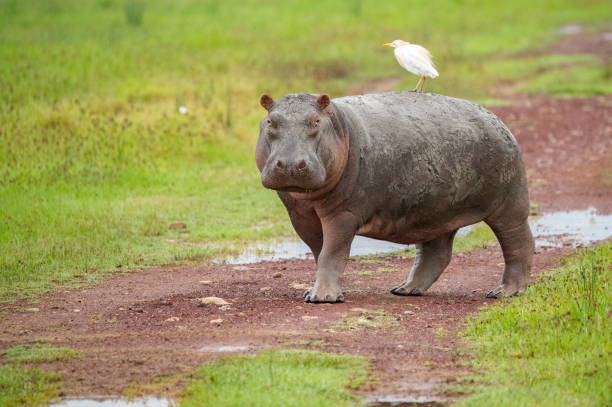
The Rusizi National Park, located just north of Bujumbura, is where the Rusizi River forms a natural border with the Democratic Republic of the Congo. A boat safari here is an encounter with the aquatic giants of Africa. The river’s slow-moving waters and extensive delta support one of the highest concentrations of hippos on the continent. As your boat navigates the channels, you will see dozens, perhaps hundreds, of these massive creatures wallowing in the shallows or resting on the banks.
The interaction is intense; hippos are notoriously territorial, and you will often witness them opening their massive jaws in a threatening display or hear their distinctive, resonant grunts. Sharing these waters are Nile crocodiles, prehistoric predators that bask motionless on the sandbanks, offering thrilling photo opportunities. The Rusizi is also famed for being the former haunt of “Gustave,” a legendary man-eating crocodile rumored to be one of the largest ever recorded. While spotting him is a matter of extreme luck (and myth), the river remains a place of wild, untamed energy.
Beyond the river lies the “Lake of Kings,” Tanganyika. Lake Tanganyika is the second oldest and second deepest freshwater lake in the world, possessing a crystal clarity that is hard to fathom. Taking a boat out on Tanganyika is a sensory experience. The water, deep blue and mesmerizing, is framed by the jagged mountains of the Rift Valley. Unlike the river, which is dense with wildlife, the lake offers a sense of sublime tranquility and vastness.
Boat trips here often combine wildlife viewing with relaxation. You can explore secluded bays, spot a variety of waterbirds, or visit fishing villages where traditional methods are still used. The best time is undoubtedly sunset. Watching the sun dip below the horizon, turning the sky into a palette of fiery oranges and purples while the lake ripples gently against the hull, is a moment of pure magic. It is easy to see why this lake has inspired explorers and writers for centuries.
Birding in Rusizi and Ruvubu
For the ornithologist, Burundi is a paradise waiting to be discovered. The country’s position within the Albertine Rift ensures a high rate of endemism, and the diversity of habitats supports a staggering variety of birdlife. Two parks stand out for the dedicated birder: Rusizi and Ruvubu.
In Rusizi National Park, the birdlife is concentrated around the river, the delta, and the surrounding acacia savannah. The park is home to over 200 recorded species. The wetlands are a haven for waterbirds; here, you can find the majestic African Fish Eagle soaring overhead, its distinctive cry synonymous with African waterways. The Open-billed Stork patrols the shallows, using its specialized beak to pry open snails, while the Great White Pelicon gathers in large, noisy flocks.
One of the avian highlights of Rusizi is the African Skimmer. These remarkable birds fly low over the water, their lower mandibles slicing through the surface to catch small fish. The contrast of their black and white plumage against the sparkling water is a beautiful sight. The gallery forests along the riverbanks are home to colorful bee-eaters, kingfishers, and the spectacular Ross’s Turaco. The sheer density of birds in such a compact area makes Rusizi a rewarding destination for birders of all levels.
If Rusizi is a sanctuary for waterbirds and savannah species, Ruvubu National Park in the east is a birding powerhouse of a different scale. As Burundi’s largest protected area, Ruvubu encompasses a variety of landscapes, including vast savannahs, rolling woodlands, and the riverine ecosystems of the Ruvubu River itself. Here, birders can expect to spot over 400 species.
The diversity of habitat in Ruvubu allows for a unique mix of species. In the open woodlands, you can spot the striking Bare-faced Go-away Bird and the Helmeted Guineafowl. The park is also a stronghold for raptors; keep an eye on the sky for Bateleur Eagles, Tawny Eagles, and the majestic Martial Eagle. The riverine forests provide shelter for shy species like the Schalow’s Turaco and various forest weavers.
Perhaps the most exciting prospect for birders in Ruvubu is the possibility of spotting the legendary Shoebill Stork. While rare and elusive, this prehistoric-looking bird has been recorded in the marshy areas of the park. Finding a Shoebill is a high point in any birder’s career. Beyond the ticking off a list, birding in Ruvubu allows for deep immersion in the park’s quiet beauty. It is a place where you can sit by a waterhole at dawn and watch the birds come to drink, accompanied only by the sounds of the bush.
Cultural Tours and the Gishora Drums
No visit to Burundi would be complete without immersing oneself in its rich cultural heritage. The country has a deep history of monarchy and oral tradition, and this is best experienced through a visit to the Gishora Drum Sanctuary.
Located in the province of Gitega, Gishora is a site of immense cultural significance. Historically, the drum was not just a musical instrument in Burundi; it was a sacred object, a symbol of power, and the very embodiment of the monarchy. The sacred drums, known as the Karyenda, were believed to hold the spirit of the nation.
A visit to Gishora is a visceral experience. You will be welcomed by the local community, who maintain the traditions of their ancestors. The highlight is undoubtedly the performance by the Intore drummers. This is not a passive show; it is an explosion of energy, rhythm, and athleticism. A dozen or more drummers, dressed in traditional white and red garments, dance around massive wooden drums carved from umuvugangoma trees. The sound is deafening and rhythmic, a thunderous beat that you feel in your chest as much as you hear it. Between the drumming, the dancers perform acrobatic feats, leaping high into the air, representing the bravery and vitality of the Burundian people.
The site itself offers a panoramic view of the surrounding hills, adding to the sense of awe. The elders of the sanctuary act as guides, explaining the history of the drum sanctuary, the lineage of the drummers, and the cultural meanings behind the different rhythms and dances. It is a powerful reminder that Burundi’s culture is living, breathing, and fiercely proud.
To cap off a cultural journey, a visit to the shores of Lake Tanganyika is essential. The lake has historically been a trade route and a cultural melting pot. Visiting the beaches near Bujumbura or further south in Rumonge allows you to witness the daily life of the lakeside communities. You can see traditional fishing boats setting sail at night with lanterns, a beautiful and ancient practice known as “fishing with lights.” It is a serene way to reflect on the trip, watching the sunset over the lake, perhaps enjoying a fresh fish barbecue, and listening to the gentle lapping of the water against the shore.
Conclusion
Burundi is a country that invites you to look closer. It does not offer the massive herds of the Serengeti or the traffic jams of minibuses found in other tourist hotspots. Instead, it offers an intimacy with nature that is increasingly rare.
From the adrenaline rush of tracking chimpanzees through the misty canopy of Kibira, to the heart-stopping proximity of hippos on the Rusizi River; from the quiet thrill of spotting a rare bird in the savannahs of Ruvubu, to the thunderous, soul-stirring beat of the Gishora drums, Burundi is a land of profound experiences.
It is a destination for the curious traveler, the one who understands that the greatest adventures often lie off the beaten path. In Burundi, you are not just a spectator; you are a participant in the rhythm of the wild and the pulse of a culture that has endured for centuries. So, what can you do in Burundi? You can discover the heart of Africa, and in doing so, you might just find a piece of yourself.