Gishora Drum Sanctuary: A Complete Guide to Burundi’s Royal Heritage
The Gishora Drum Sanctuary is a premier cultural site in East Africa. This guide explores the history, significance, and travel details for this sacred location.
The History of Gishora Drum Sanctuary
King Mwami Mweza IV, the last sovereign leader of Burundi, established the Gishora Drum Sanctuary. Society highly respected the King as the leader of pre-colonial Burundi. Legend says the King created the sanctuary to celebrate his victory over Chief Ntibirangwa. Their leadership struggle occurred during the late 19th century. After winning, the King built the sanctuary as a monument to his success.
The Role of the Abatimbo and Abanyigisaka
Local men called Abatimbo manage the sanctuary today. The Abatimbo succeed the hereditary Abanyigisaka. In the 19th century, these religious leaders governed the region. Today, the Abatimbo maintain the religious institutions and care for the sanctuary. Historically, these leaders held high-ranking positions and ran the ancient Burundian court system.
Cultural Unity and Drumming Ceremonies
Burundi contains many clans. These groups unite through drumming ceremonies held throughout the year. Citizens believe these ceremonies improve national unity. This belief explains why the sanctuary exists. It provides the sacred ground for these rituals. Both elders and youths deeply respect this site.
For more East African adventures, see our guides on Chimpanzee Trekking in Uganda or the Rwenzori Mountains.
Location and Access
The sanctuary sits on a hill about 7 kilometers from Gitega. It is only 220 meters from the Gitega–Ngozi road. Travelers can reach the site from Bujumbura by hiring private cars or using public buses.
Why Gishora is Unique
Gishora Drum Sanctuary stands apart from other regional museums for several reasons.
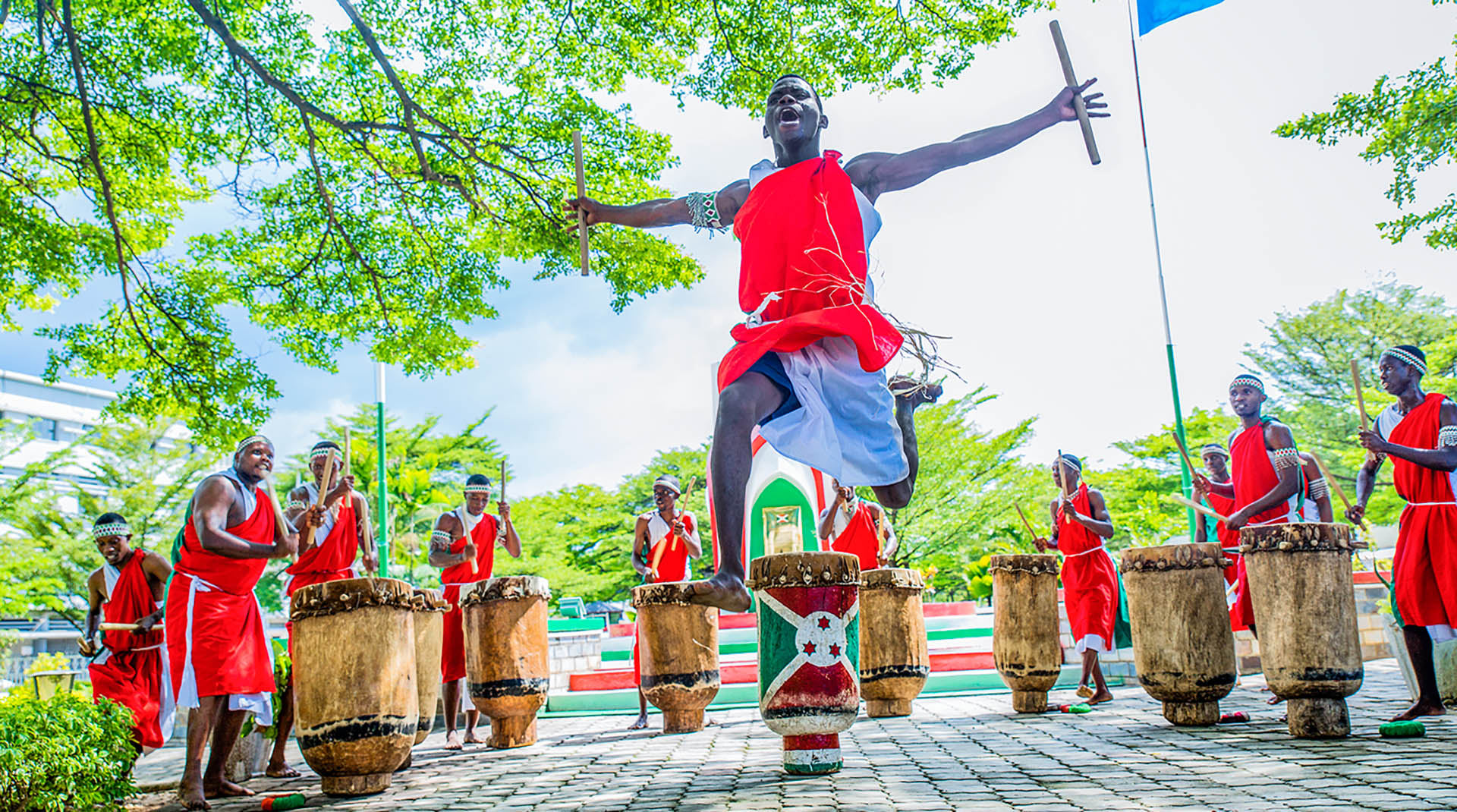
First, the sanctuary preserves ancient artistic drums used in traditional rituals. These royal drums, or Ingoma, feature a distinct design. They are tall, large, and decorated with intricate patterns. Their powerful sound is their most famous trait. UNESCO now recognizes this ritual dance as intangible world heritage.
Second, local citizens perform traditional dances to unite the community. Watching these performances is a thrilling, lifelong memory.
Finally, the drums consist of sacred wood. Artisans use trees linked to Burundi spirits, such as Umuvugangoma (Cordia africana) and Umusave (Markhamia). This hardwood makes the drums durable. Some have existed since the 19th century.
Protecting the Culture
Gishora serves as a sacred educational center. Elders use the site to pass drumming skills and religious traditions to younger generations. In 2007, the government enacted laws to protect these ceremonies and ensure they remain peaceful.
Top Attractions
-
Traditional Homesteads: Tourists enjoy exploring the grass-thatched huts. Visitors from modern cities find these traditional dwellings particularly fascinating.
-
Local People: The community members are an attraction themselves. They selflessly share their duties and way of life with guests.
-
Authentic Dress: The traditional attire and cultural dances make every visit worthwhile.
Activities at the Sanctuary
-
Cultural Dances: Trained citizens perform ancestral dances to entertain visitors.
-
Drumming: This iconic activity defines Burundi. Locals play for guests and even teach them how to use the hereditary drums.
-
Hut Visits: These well-built structures symbolize ancient power. Visitors learn how ancient families lived and organized their society.
-
Storytelling: Natives share stories about how their modern lives still mirror their ancestors.
-
Photography: The hilltop location offers breathtaking views of Gitega and Bujumbura. For more landscapes, check our Mount Elgon Hiking Guide.
Best Time to Visit
The sanctuary opens daily from 8:00 AM to 5:00 PM. You can visit year-round. However, please book entertainers in advance to ensure a full, uninterrupted performance. Before you travel, review the required East African travel permits.