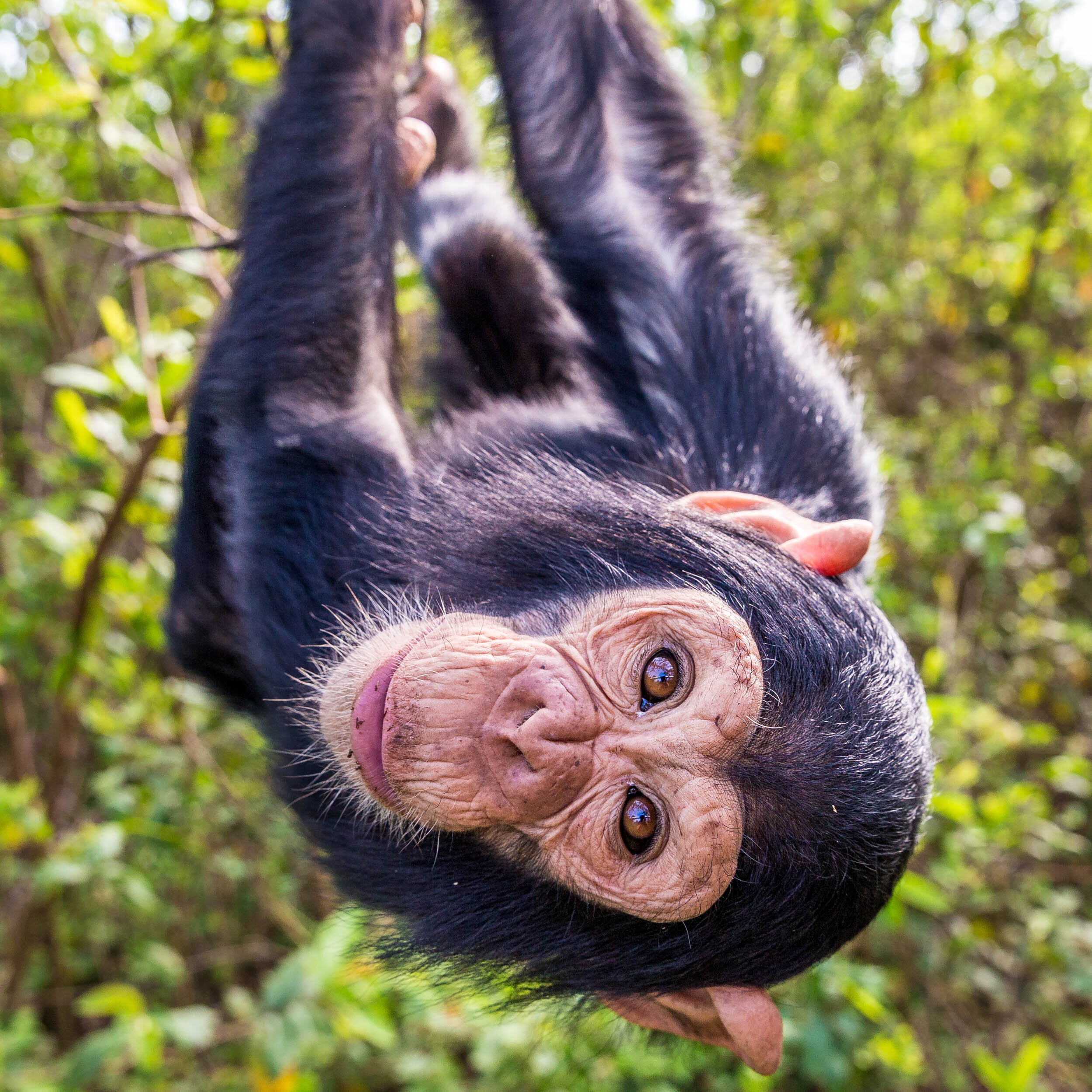
Lwiro Primate Sanctuary in DR Congo: Chimpanzee Conservation, Wildlife and Visitor Guide
Lwiro Primate Sanctuary is one of the important wildlife conservation and primate rehabilitation centres in the eastern Democratic Republic of Congo (DR Congo). Located in South Kivu Province, near Bukavu and Kahuzi-Biega National Park, the sanctuary is dedicated to rescuing, rehabilitating and protecting orphaned chimpanzees and other primates affected by illegal wildlife trafficking, poaching and habitat destruction.
For travellers exploring the Congo’s remarkable wildlife destinations, Lwiro offers an opportunity to learn about primate conservation and the challenges facing endangered species in Central Africa. Unlike traditional wildlife destinations where visitors primarily observe animals in their natural habitats, Lwiro focuses on rescue, rehabilitation, animal welfare and environmental education.
A visit to Lwiro can also complement a wider Congo primate safari, particularly an itinerary incorporating mountain or eastern lowland gorilla trekking in Kahuzi-Biega National Park, subject to current security conditions and park operations.
Where Is Lwiro Primate Sanctuary Located?
Lwiro Primate Sanctuary is situated in Lwiro village, in South Kivu Province, eastern Democratic Republic of Congo. It is approximately four kilometres from the boundary of Kahuzi-Biega National Park.
The sanctuary’s location makes it an important conservation facility within one of Central Africa’s significant biodiversity regions. Kahuzi-Biega National Park protects extensive tropical forests and is internationally recognised for its population of eastern lowland gorillas, also known as Grauer’s gorillas.
The nearby city of Bukavu serves as an important gateway to the area. Travellers visiting the region may combine conservation experiences at Lwiro with gorilla trekking and other nature-based activities, depending on accessibility and security.
An important geographical distinction is worth noting: Kahuzi-Biega National Park, not Lwiro Primate Sanctuary, is the UNESCO World Heritage Site. The park was inscribed on the World Heritage List in 1980 and placed on the List of World Heritage in Danger in 1997.
The History and Establishment of Lwiro Primate Sanctuary
Lwiro Primate Rehabilitation Centre, also known as Centre de Réhabilitation des Primates de Lwiro (CRPL), was established in 2002 through cooperation between two Congolese institutions:
-
The Congolese Institute for Nature Conservation (ICCN).
-
The Centre for Research in Natural Sciences (CRSN).
The sanctuary was established in response to increasing wildlife poaching and illegal animal trafficking, particularly during the Second Congo War (1998–2003). Many young chimpanzees and monkeys were left orphaned after adult animals were killed for bushmeat, while surviving infants were captured and sold into the illegal pet trade.
Lwiro was established to provide rescued primates with a safe environment where they could receive veterinary treatment, recover from trauma and receive long-term care.
Over the years, the centre has developed into an important primate rehabilitation and conservation institution in eastern DR Congo. Its work extends beyond animal care to include environmental education, research, community engagement and cooperation with wildlife authorities.
Wildlife and Biodiversity at Lwiro Primate Sanctuary
Lwiro is home to rescued chimpanzees, several species of monkeys and other confiscated wildlife. These animals have generally been victims of poaching, illegal hunting and the exotic pet trade.
The sanctuary’s official information reports that it cares for more than 200 chimpanzees and monkeys combined, although animal numbers change as new rescues arrive and individual animals receive care.
1. Chimpanzees
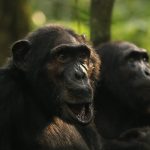
Chimpanzees are among the most important residents at Lwiro. Many arrive as infants after their mothers have been killed by poachers.
The sanctuary provides long-term care, veterinary attention, appropriate nutrition and opportunities for social interaction with other chimpanzees.
Rehabilitation is particularly important because chimpanzees are highly intelligent and social primates. They depend on strong family relationships and complex social structures in the wild.
The centre works to restore their physical and psychological well-being while supporting wider efforts to protect wild chimpanzee populations.
2. Different Monkey Species
Besides chimpanzees, Lwiro provides refuge for numerous monkey species. These include olive baboons, blue monkeys, vervet monkeys, red-tailed monkeys, owl-faced monkeys and other primates.
Many of these animals are rescued from illegal captivity and require specialised attention before they can live in appropriate social groups.
Lwiro plays an important role in caring for different monkey species that have been confiscated by wildlife authorities.
3. Other Wildlife Species
The sanctuary also cares for other rescued animals, including parrots, turtles and porcupines.
Although its primary focus is primate rehabilitation, these additional rescue efforts contribute to the wider protection of wildlife affected by illegal trafficking.
Conservation and Rehabilitation Activities at Lwiro
Lwiro’s work goes beyond providing shelter for rescued animals. The centre implements several conservation programmes aimed at protecting primates and improving the relationship between local communities and wildlife.
Its main activities include:
1. Rescue of Orphaned Primates
Lwiro works alongside Congolese wildlife authorities to rescue chimpanzees, monkeys and other animals confiscated from poachers and illegal wildlife traders.
Many rescued chimpanzees arrive at the centre at a very young age after losing their mothers. Some have experienced poor nutrition, injuries and psychological trauma.
The sanctuary provides specialised care to help these animals recover.
2. Veterinary Care and Rehabilitation
Veterinary services are essential to the sanctuary’s operations. Rescued animals receive medical attention, nutritional support and ongoing monitoring.
Caregivers also work to help chimpanzees and monkeys develop appropriate social relationships and behaviours.
The long-term objective is to provide the best possible quality of life while assessing whether individual animals may eventually qualify for reintroduction into suitable and secure natural habitats.
3. Environmental Education
Lwiro promotes environmental awareness among local communities, schools and visitors.
Its educational programmes highlight the importance of protecting chimpanzees, monkeys and other wildlife from poaching, illegal trafficking and habitat destruction.
Through these activities, the sanctuary encourages communities to participate in conservation and understand the ecological importance of protecting their natural heritage.
4. Community Development
Conservation at Lwiro also involves supporting the people living around the sanctuary.
The centre provides employment opportunities and purchases food and other supplies from local markets and farmers. These activities contribute to household incomes while supporting the sanctuary’s daily operations.
The centre also participates in community development initiatives involving health, sanitation and environmental awareness.
What to Expect When Visiting Lwiro Primate Sanctuary
A visit to Lwiro offers an educational conservation experience rather than a conventional wildlife safari.
Visitors who are able to access the centre may learn about the challenges facing endangered primates in the Democratic Republic of Congo and the work involved in rescuing animals from illegal wildlife trade.
Depending on the activities available and the sanctuary’s visitor arrangements, a visit may include:
-
Learning about rescued chimpanzees and their backgrounds.
-
Understanding the rehabilitation of orphaned primates.
-
Discovering different monkey species.
-
Learning about wildlife trafficking and poaching.
-
Understanding the role of veterinary teams and animal caregivers.
-
Exploring the sanctuary’s conservation and environmental education initiatives.
Visitors should remember that Lwiro is a rehabilitation facility, not an entertainment centre. Animal welfare comes first, and interactions must follow the sanctuary’s guidelines. Feeding, touching or disturbing the animals should never be undertaken without explicit authorisation.
Important travel update: Visitor access in eastern DR Congo is subject to security conditions. The Lwiro Primate Fund has reported that educational visits were suspended because of increased insecurity. Therefore, do not assume that the sanctuary is currently open for tourism. Confirm directly with the centre before arranging transport or including it in a safari itinerary.
Combining Lwiro Primate Sanctuary with Gorilla Trekking in Kahuzi-Biega National Park
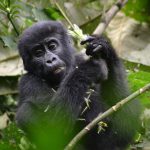
One of the interesting aspects of visiting Lwiro is its proximity to Kahuzi-Biega National Park, one of Africa’s important destinations for eastern lowland gorilla conservation.
The two destinations offer different but complementary wildlife experiences.
At Lwiro, visitors learn about the rescue and rehabilitation of chimpanzees and monkeys. At Kahuzi-Biega, visitors may participate in guided gorilla trekking to observe habituated groups of Grauer’s gorillas in their natural forest habitat.
Gorilla Trekking in Kahuzi-Biega National Park
Kahuzi-Biega National Park is located in South Kivu Province and covers approximately 600,000 hectares of tropical forest and mountainous landscapes.
The park is particularly famous for its eastern lowland gorillas, which differ from mountain gorillas found in Uganda’s Bwindi Impenetrable National Park and the Virunga conservation landscape.
Gorilla trekking involves hiking through the forest with trained guides and trackers to locate a habituated gorilla family.
Once the gorillas are located, visitors are generally allowed one hour to observe them, following the applicable park regulations.
Other attractions include:
-
Exploring the park’s tropical rainforest.
-
Discovering its diverse birdlife.
-
Learning about eastern lowland gorilla conservation.
-
Enjoying guided nature walks.
-
Experiencing the mountainous landscapes surrounding Mount Kahuzi and Mount Biega.
Park access, gorilla trekking and other activities must be confirmed with the park authorities before travel.
How to Get to Lwiro Primate Sanctuary
Lwiro is located approximately four kilometres from Kahuzi-Biega National Park and can traditionally be accessed from Bukavu.
Possible travel arrangements include:
From Bukavu: Travellers can arrange road transport to Lwiro village, where the sanctuary is located.
From Rwanda: Depending on border arrangements and security conditions, visitors may travel through the Rusizi/Cyangugu border area into eastern DR Congo before continuing towards Bukavu and Lwiro.
Combining with Kahuzi-Biega: Travellers planning a gorilla trekking expedition can potentially include Lwiro in their wider itinerary, subject to visitor access and operational arrangements.
Because of the changing security situation in eastern DR Congo, travellers should obtain current advice before attempting any of these journeys.
Best Time to Visit Lwiro Primate Sanctuary
Traditionally, the region around Lwiro and Kahuzi-Biega can be visited during different periods of the year, although weather conditions influence road accessibility and outdoor activities.
Eastern DR Congo generally experiences two main rainy periods, with relatively drier conditions during parts of June to September and December to February.
| Period | General conditions | Travel considerations |
|---|---|---|
| January–February | Relatively dry | Generally favourable road conditions |
| March–May | Rainy season | Muddy roads and wet forest trails |
| June–September | Relatively dry | Traditionally favourable for outdoor activities |
| October–November | Rainy season | Rain may affect road access |
These are broad seasonal patterns, not guarantees of accessibility. Security and the sanctuary’s operating status are more important considerations than weather when planning a visit.
Lwiro Primate Sanctuary and Responsible Tourism
Visiting conservation facilities can contribute to wildlife protection by supporting education, awareness and the economic sustainability of conservation programmes.
Lwiro provides an important example of how local institutions can work with international conservation organisations to address the challenges of wildlife trafficking.
The sanctuary is also accredited by the Pan African Sanctuary Alliance (PASA) and the Global Federation of Animal Sanctuaries (GFAS), organisations that promote standards for responsible wildlife sanctuary management. In October 2025, Lwiro received the Global Federation of Animal Sanctuaries’ Outstanding International Sanctuary award.
Travellers interested in supporting its work can learn about its conservation programmes and support opportunities through the official website:
Frequently Asked Questions About Lwiro Primate Sanctuary
1. Where is Lwiro Primate Sanctuary located?
Lwiro Primate Sanctuary is located in Lwiro village, South Kivu Province, eastern Democratic Republic of Congo. It is approximately four kilometres from Kahuzi-Biega National Park.
2. What animals are found at Lwiro Primate Sanctuary?
The sanctuary primarily cares for rescued chimpanzees and several monkey species. It also provides refuge for other animals, including parrots, turtles and porcupines.
3. Is Lwiro Primate Sanctuary a UNESCO World Heritage Site?
No. Lwiro itself is not a UNESCO World Heritage Site. The nearby Kahuzi-Biega National Park was inscribed as a UNESCO World Heritage Site in 1980 and added to the List of World Heritage in Danger in 1997.
4. Can visitors see chimpanzees at Lwiro?
Lwiro has traditionally received visitors interested in learning about chimpanzee rehabilitation and conservation. However, visitor access has been affected by insecurity in eastern DR Congo. Contact the sanctuary to confirm whether visits are currently permitted.
5. Can Lwiro be combined with gorilla trekking?
Yes, the two destinations can traditionally be combined in a wider South Kivu wildlife itinerary. Lwiro offers a primate rehabilitation experience, while Kahuzi-Biega provides opportunities to trek eastern lowland gorillas. Current security conditions and park operations must be confirmed before making arrangements.
6. What is the main conservation purpose of Lwiro?
Its main purpose is to rescue and provide long-term care for orphaned chimpanzees and other primates affected by poaching and illegal wildlife trafficking, while supporting environmental education and wildlife protection.
Conclusion: Discover the Conservation Importance of Lwiro Primate Sanctuary
Lwiro Primate Sanctuary is an important conservation destination in eastern Democratic Republic of Congo, providing a safe environment for rescued chimpanzees, monkeys and other wildlife.
Through animal rehabilitation, veterinary care, research, environmental education and community engagement, the centre contributes to the protection of some of Central Africa’s most threatened primates.
Although a visit to Lwiro has traditionally complemented gorilla trekking in Kahuzi-Biega National Park, travellers should prioritise security information and confirm the sanctuary’s visitor arrangements before planning an expedition.
For wildlife enthusiasts, conservation supporters and travellers interested in primates, Lwiro represents an important part of the wider story of wildlife protection in the Congo Basin.
Explore more primate and gorilla experiences with Epic Uganda Vacation. Discover our Rwanda primate safari and contact our team to discuss tailor-made East African wildlife adventures.