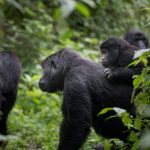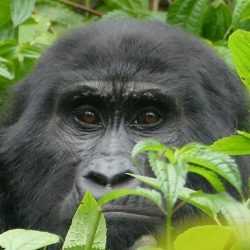
Nyakagezi Gorilla Family in Mgahinga Gorilla National Park, Uganda
Nyakagezi Gorilla Family: A Guide to Gorilla Trekking in Mgahinga, Uganda
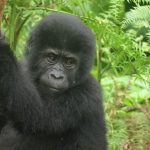
The Nyakagezi Gorilla Family is the only habituated mountain gorilla group currently available for visitor trekking in Mgahinga Gorilla National Park, southwestern Uganda. This remarkable family is known for its unusual social structure, which includes several silverbacks living together, and its history of moving across the international borders of Uganda, Rwanda and the Democratic Republic of Congo (DRC).
Led by dominant silverback Mark, with support from another silverback, Ndugutse, the Nyakagezi group offers visitors an opportunity to observe endangered mountain gorillas in the beautiful Virunga Mountains. Its history of multi-male tolerance and transboundary movement makes it one of the most interesting gorilla families in the region.
For travellers planning a Uganda gorilla trekking safari, Mgahinga provides an alternative to Bwindi Impenetrable National Park. Its dramatic volcanic scenery, bamboo forests and montane vegetation create a memorable setting for a mountain gorilla encounter.
Where Is the Nyakagezi Gorilla Family Located?
The Nyakagezi Gorilla Family is found in Mgahinga Gorilla National Park, in Kisoro District in southwestern Uganda. The park forms part of the Virunga Conservation Area, a chain of volcanic mountains shared by Uganda, Rwanda and the Democratic Republic of Congo.
Mgahinga is Uganda’s smallest national park, covering approximately 33.7 square kilometres. Despite its small size, it protects an important section of the Virunga mountain ecosystem and provides habitat for mountain gorillas, golden monkeys and other wildlife.
The park’s landscape is dominated by three extinct volcanoes:
- Mount Muhabura: Rising to approximately 4,127 metres, this volcano is known for its steep slopes and crater lake near the summit.
- Mount Gahinga: Standing at approximately 3,474 metres, it is characterised by bamboo vegetation and a swamp-filled crater.
- Mount Sabyinyo: Reaching approximately 3,669 metres, this volcano has a rugged summit with ridges marking the meeting point of Uganda, Rwanda and the DRC.
The Nyakagezi group ranges within this mountainous landscape, where dense vegetation and abundant forest food provide suitable habitat for mountain gorillas.
History of the Nyakagezi Gorilla Family
The history of the Nyakagezi Gorilla Family is closely connected to mountain gorilla conservation in the Virunga region.
According to the International Gorilla Conservation Programme (IGCP), habituation of the Nyakagezi group began in 1991. The family was subsequently opened to tourism in 1994, making it one of the established gorilla trekking groups in Uganda.
Habituation is the gradual process through which wild gorillas become accustomed to the presence of humans. It allows carefully managed tourism visits while supporting research, monitoring and conservation.
The Family’s Transboundary Movement
One of the most distinctive features of Nyakagezi is its history of moving across the borders of Uganda, Rwanda and the Democratic Republic of Congo.
The three countries share the Virunga Massif, a connected mountain ecosystem that provides habitat for mountain gorillas. These animals do not recognise national borders and move through their natural range in search of food, suitable nesting locations and other resources.
Nyakagezi became particularly well known for this movement, which sometimes made gorilla trekking arrangements less predictable when the group was outside Uganda.
The family’s transboundary behaviour remains an important part of its conservation story. Travellers should confirm the group’s location and trekking arrangements with Uganda Wildlife Authority or their tour operator before travelling.
Nyakagezi Gorilla Family Size and Composition
The International Gorilla Conservation Programme recorded nine members in the Nyakagezi Gorilla Family as of 31 January 2024.
The recorded composition is:
- 4 silverbacks
- 2 adult females
- 1 juvenile
- 2 infants
This family structure is unusual because several mature males live within the same group. Many mountain gorilla families are led by one dominant silverback, but Nyakagezi is known for its multi-male tolerance.
Gorilla family membership changes naturally through births, deaths, dispersal and changes in social relationships. The nine-member figure is therefore a dated conservation record, not a guaranteed current population.
Silverback Mark: The Leader of Nyakagezi
The Nyakagezi Gorilla Family is led by silverback Mark, with silverback Ndugutse assisting him.
A silverback is a mature male mountain gorilla recognised by the distinctive silvery hair that develops across his back. The dominant silverback plays an important role in maintaining group cohesion, coordinating movement and protecting other family members.
The presence of several silverbacks in Nyakagezi makes the group particularly interesting to researchers and visitors. Rather than all mature males leaving or competing aggressively for leadership, the family is known for its tolerance among multiple males.
This unusual social arrangement provides an opportunity to appreciate the diversity of mountain gorilla family structures.
What Makes the Nyakagezi Gorilla Family Special?
Nyakagezi stands out among Uganda’s habituated gorilla groups for several reasons.
1. It Is the Only Habituated Group in Mgahinga
The Nyakagezi group is the only habituated mountain gorilla family currently listed for tourism in Mgahinga Gorilla National Park. Visitors coming to this park for gorilla trekking are therefore visiting the home range associated with this family.
2. Several Silverbacks Live Together
The family has four silverbacks according to the IGCP’s January 2024 record. Its multi-male social structure is unusual and makes it especially interesting for understanding gorilla behaviour.
3. It Has a History of Crossing International Borders
Nyakagezi is known for moving across Uganda, Rwanda and the DRC within the Virunga Massif. This behaviour illustrates the importance of cooperation between the three countries in protecting mountain gorillas and their shared habitat.
4. It Lives in a Scenic Volcanic Landscape
The group’s habitat includes the slopes and vegetation zones of the Virunga Mountains. Visitors can enjoy views of volcanic peaks, bamboo forests and mist-covered mountain slopes during their visit to Mgahinga.
What to Expect During Nyakagezi Gorilla Trekking
Gorilla trekking in Mgahinga begins in the morning at the Ntebeko Visitor Information Centre, the designated entry point for tracking the Nyakagezi group.
Visitors register, present their permits and attend a briefing conducted by Uganda Wildlife Authority rangers. The briefing covers gorilla behaviour, safety procedures and conservation rules.
Afterwards, visitors are accompanied into the forest by experienced guides and trackers who help locate the gorillas.
The duration of the trek depends on where the family is located, the terrain and the prevailing forest conditions. Some treks are relatively short, while others require several hours of hiking through steep and sometimes muddy terrain.
Once the gorillas are located, visitors are allowed a maximum of one hour to observe them.
During the encounter, you may see the gorillas:
- Feeding on leaves, shoots, stems and other vegetation.
- Resting beneath the forest canopy.
- Grooming one another and maintaining social relationships.
- Moving through the forest as a family.
- Young gorillas playing and interacting with other members.
- Silverbacks monitoring the group and responding to their surroundings.
Because Nyakagezi is the only habituated group in Mgahinga, it is a particularly important attraction for the park. However, visitors should confirm the group’s location and availability before travelling because gorillas can move across their wider transboundary habitat.
Gorilla Trekking Rules and Regulations
Mountain gorillas are endangered and vulnerable to human diseases. Visitors must follow the rules established by Uganda Wildlife Authority to protect the animals and minimise disturbance.
Important guidelines include:
- Minimum age: Visitors must be at least 15 years old to participate in gorilla trekking.
- Group size: A maximum of eight visitors is allowed to visit a habituated gorilla family per day.
- Viewing time: Visitors are allowed a maximum of one hour with the gorillas.
- Viewing distance: Maintain the recommended distance of at least 10 metres, subject to ranger instructions and current UWA guidance.
- Photography: Flash photography is not permitted.
- Health: Visitors with infectious illnesses should not trek because diseases can be transmitted to gorillas.
- Food and smoking: Do not eat, drink or smoke while observing the gorillas.
- Behaviour: Avoid shouting, sudden movements or actions that may disturb the animals.
- Waste management: Do not leave rubbish in the forest.
- Follow your guide: Always remain with your assigned ranger and follow instructions from UWA personnel.
These guidelines help protect mountain gorillas and ensure that tourism contributes positively to their conservation.
Best Time to Visit the Nyakagezi Gorilla Family
Gorilla trekking in Mgahinga is possible throughout the year. However, weather conditions can influence the trekking experience and the condition of forest trails.
June to September: This is generally one of Uganda’s drier periods. Trails may be less muddy, making hiking conditions more favourable. It is also a popular travel season, so early permit reservations are recommended.
December to February: These months generally offer another relatively dry period. Visitors can combine gorilla trekking with golden monkey tracking and volcano hiking.
March to May and October to November: These periods typically receive more rainfall. Trails can become muddy and slippery, but the forest is often lush and green.
Mgahinga is a montane rainforest environment, so rainfall can occur at any time of the year. Pack suitable rain protection regardless of when you plan to visit.
How to Get to Mgahinga Gorilla National Park
Mgahinga Gorilla National Park is located in southwestern Uganda near the borders of Rwanda and the Democratic Republic of Congo.
From Kampala or Entebbe
Travellers can drive from Kampala or Entebbe towards southwestern Uganda, passing through towns such as Mbarara, Kabale and Kisoro before continuing to the park headquarters at Ntebeko.
The road journey can take approximately 9–11 hours or longer, depending on the starting point, route, traffic and road conditions.
A 4×4 safari vehicle is recommended, particularly during the rainy season when some roads can become challenging.
From Kigali, Rwanda
Visitors arriving at Kigali International Airport can reach Mgahinga by road through the Uganda–Rwanda border. The journey continues towards Kisoro and the Ntebeko entrance.
Starting from Kigali can be convenient for travellers who want to combine a Rwanda arrival with gorilla trekking in Uganda. The journey time depends on the border crossing, selected route and road conditions.
By Domestic Flight
Travellers can consider a scheduled or charter flight to an airstrip serving the Kisoro or Bwindi region, followed by a road transfer to Mgahinga. Flight availability and transfer arrangements should be confirmed before booking.
For convenience, consider staying near Kisoro or the park entrance the night before trekking.
Accommodation Near Nyakagezi Gorilla Trekking
Visitors to Mgahinga can choose from accommodation options around the park and in nearby Kisoro town.
Depending on your budget, you can consider:
Budget accommodation: Basic guesthouses and lodges offering essential facilities for travellers seeking affordable accommodation.
Mid-range accommodation: Comfortable lodges with private rooms, restaurants and convenient access to the park.
Luxury accommodation: Higher-end properties offering enhanced comfort, personalised services, quality dining and scenic views of the Virunga Mountains.
One well-known option in the area is Mount Gahinga Lodge, which provides a comfortable base for exploring Mgahinga. Travellers should confirm current availability, services and transfer arrangements before booking.
When choosing accommodation, consider its distance from Ntebeko, where visitors assemble for gorilla trekking.
Other Activities to Combine with Nyakagezi Gorilla Trekking
Mgahinga offers more than mountain gorilla trekking. Visitors can combine their gorilla experience with other activities in the park and surrounding communities.
Golden Monkey Tracking
Mgahinga is one of the best places in Uganda to see endangered golden monkeys. These colourful primates live in the bamboo forests of the Virunga Mountains.
Golden monkey tracking offers a different wildlife experience from gorilla trekking and can be arranged as an additional activity.
Volcano Hiking
The park offers hiking opportunities on Mount Gahinga, Mount Sabyinyo and Mount Muhabura. These hikes provide opportunities to explore the volcanic landscape, montane vegetation and scenic mountain views.
Batwa Cultural Experience
The Batwa are indigenous forest people with a long history of living in the forests of the Virunga region. A guided cultural experience introduces visitors to aspects of their traditional knowledge, forest life and cultural heritage.
Bird Watching
Mgahinga is an excellent destination for birding, particularly for visitors interested in Albertine Rift species. The park’s different vegetation zones support a variety of forest and high-altitude birds.
How to Book a Nyakagezi Gorilla Trekking Permit
Gorilla trekking permits in Uganda are issued by Uganda Wildlife Authority. Visitors planning to track Nyakagezi should arrange a permit for the Mgahinga entry point, also known as Ntebeko or Muhavura Visitor Information Centre in UWA’s tracking guidelines.
Although Nyakagezi is the only habituated gorilla group currently listed for Mgahinga, permits are booked according to the trekking date and designated entry point rather than as a guaranteed reservation for a named family.
To arrange your permit:
- Choose your preferred trekking date.
- Contact a licensed tour operator to check permit availability for Mgahinga.
- Provide the required passport information.
- Confirm your reservation and follow the official payment procedure.
- Arrange accommodation and transport to Kisoro or Ntebeko.
Foreign non-resident visitors should book through a tour operator licensed by the Uganda Tourism Board. Other visitor categories may have different purchasing arrangements under UWA’s permit guidelines.
Because Nyakagezi has a history of crossing international borders, confirm its current location and trekking arrangements before making final travel plans. Permit prices and booking procedures can change, so request the applicable rates for your travel dates.
Why Book Your Nyakagezi Gorilla Trekking Safari with Epic Uganda Vacation?
Epic Uganda Vacation organises gorilla trekking experiences in Mgahinga Gorilla National Park and Bwindi Impenetrable National Park.
Our team can help you check permit availability, arrange accommodation and organise private transport from Entebbe, Kampala or Kigali.
Our services include:
- Gorilla trekking permit arrangements.
- Private 4×4 safari transport.
- Airport transfers from Entebbe and Kigali.
- Accommodation bookings near Mgahinga.
- Experienced driver-guides.
- Golden monkey tracking arrangements.
- Customised Uganda gorilla trekking and wildlife safari itineraries.
You can also combine Nyakagezi gorilla trekking with golden monkey tracking, volcano hiking, bird watching and cultural experiences around Kisoro.
Whether you are planning a short gorilla trekking trip or a longer Uganda safari, Epic Uganda Vacation can help organise an itinerary that matches your travel dates and budget.
Plan your Nyakagezi Gorilla Family trekking experience with Epic Uganda Vacation.
Contact our team: https://www.epicugandavacation.com/contact-us/
Frequently Asked Questions About the Nyakagezi Gorilla Family
1. Where is the Nyakagezi Gorilla Family found?
The Nyakagezi Gorilla Family is found in Mgahinga Gorilla National Park in southwestern Uganda, within the Virunga Mountains.
2. How many gorillas are in the Nyakagezi family?
The International Gorilla Conservation Programme recorded nine members as of 31 January 2024. The group comprises four silverbacks, two adult females, one juvenile and two infants.
3. Who is the leader of the Nyakagezi Gorilla Family?
The group is led by silverback Mark, assisted by silverback Ndugutse, according to the IGCP family record.
4. Why is the Nyakagezi Gorilla Family special?
Nyakagezi is known for its multi-male social structure, with several silverbacks living together. It is also recognised for its history of moving across Uganda, Rwanda and the Democratic Republic of Congo.
5. Is Nyakagezi the only gorilla family in Mgahinga?
It is the only habituated mountain gorilla group currently listed for visitor trekking in Mgahinga Gorilla National Park.
6. When was the Nyakagezi Gorilla Family habituated?
According to IGCP, habituation began in 1991, and the group was opened for tourism in 1994.
7. Can Nyakagezi gorillas cross into Rwanda or the DRC?
Yes. The family is known for moving across the shared Virunga mountain ecosystem in Uganda, Rwanda and the Democratic Republic of Congo. Visitors should confirm the group’s location before their trekking date.
8. How long does Nyakagezi gorilla trekking take?
The trek may take approximately 2–7 hours, depending on the gorillas’ location and the terrain. Visitors are allowed a maximum of one hour with the gorillas once they are found.
9. What should I pack for Nyakagezi gorilla trekking?
Bring sturdy hiking boots, long trousers, a long-sleeved shirt, gardening gloves, a waterproof jacket, drinking water, snacks, a small backpack and a camera without flash. A walking stick and porter can also be helpful.
10. Can I combine Nyakagezi gorilla trekking with golden monkey tracking?
Yes. You can arrange golden monkey tracking as an additional activity in Mgahinga. Other options include volcano hiking, bird watching and Batwa cultural experiences.