Northern Tanzania Safari: A Complete Guide to Parks, Wildlife and Attractions
Northern Tanzania is one of Africa’s most rewarding safari destinations, offering spectacular wildlife, vast savannah plains, volcanic landscapes and opportunities to experience local cultures. From watching thousands of wildebeest move across the Serengeti to exploring the wildlife-rich Ngorongoro Crater, this region brings together some of Tanzania’s most celebrated natural attractions.
A Northern Tanzania safari can include encounters with lions, elephants, giraffes, buffaloes and other wildlife, as well as the opportunity to witness the Great Wildebeest Migration. Beyond traditional game drives, travellers can climb Mount Kilimanjaro, explore the baobab-dotted landscapes of Tarangire National Park, discover the forests of Lake Manyara and visit communities whose traditions are closely connected to the region.
Whether you are planning a short wildlife getaway, a luxury safari or an extended East African adventure, understanding the region’s parks, seasons, accommodation and travel routes will help you create a rewarding itinerary.
This guide explains the best places to visit in Northern Tanzania, when to travel, what to expect and how to plan your safari.
Where Is Northern Tanzania?
Northern Tanzania is a major tourism region in the northeastern part of the country. It includes the well-known safari destinations of Serengeti National Park, Ngorongoro Conservation Area, Tarangire National Park and Lake Manyara National Park, together with Mount Kilimanjaro and Arusha National Park.
The town of Arusha serves as a major gateway to the Northern Safari Circuit. Many visitors arrive through Kilimanjaro International Airport before transferring to Arusha or continuing towards their selected national parks.
The region’s landscapes range from open grasslands and woodland to volcanic highlands, crater lakes and mountain forests. This diversity supports a wide range of wildlife and outdoor experiences.
For travellers seeking a classic African safari, Northern Tanzania provides an opportunity to visit several distinctive destinations within one itinerary.
Best Places to Visit in Northern Tanzania
1. Serengeti National Park: Home of the Great Wildebeest Migration
Serengeti National Park is one of Tanzania’s most famous wildlife destinations, celebrated for its expansive grasslands, abundant predators and the spectacular Great Wildebeest Migration.
The park forms part of the greater Serengeti–Mara ecosystem, where wildebeest, zebras and gazelles move seasonally in search of fresh grazing and water. The timing and location of the herds change throughout the year, making the choice of safari dates particularly important for migration-focused travellers.
Wildlife in Serengeti National Park
The Serengeti supports a remarkable variety of wildlife, including lions, leopards, cheetahs, elephants, buffaloes, giraffes, zebras, wildebeest and spotted hyenas. Birdwatchers can also explore a range of habitats that support numerous resident and seasonal bird species.
Game drives are the main activity, with experienced guides helping visitors search for wildlife and interpret animal behaviour.
When to Visit the Serengeti
The Serengeti offers rewarding wildlife viewing throughout the year, although different areas become more important during different stages of the migration.
- January to March: The southern plains and Ndutu region are important for wildebeest calving.
- April to June: Herds may move through the central Serengeti towards the western corridor.
- July to October: The northern Serengeti can offer opportunities to observe herds near the Mara River.
- November to December: Many herds begin returning towards the southern and eastern Serengeti.
These are broad seasonal patterns rather than fixed dates. River crossings are unpredictable and cannot be guaranteed.
Travellers should select accommodation according to the expected migration location and the particular wildlife experience they hope to enjoy.
Explore our Great Wildebeest Migration guide for more information about seasonal movements and safari planning.
2. Ngorongoro Crater: A Remarkable Natural Wildlife Sanctuary
The Ngorongoro Crater is one of the most distinctive natural attractions in Northern Tanzania. Formed when a large volcanic structure collapsed, the crater is a vast caldera surrounded by steep walls and highland scenery.
Its grasslands, wetlands, woodland and lake habitats support a high concentration of wildlife, making it a popular destination for game drives.
Wildlife Viewing in Ngorongoro
Visitors may encounter lions, elephants, buffaloes, zebras, wildebeest, hippos and a variety of antelopes. The conservation area is also important for the endangered black rhinoceros, although sightings are never guaranteed.
The crater is particularly attractive to travellers who want to explore diverse wildlife habitats within a relatively compact area.
Beyond the Crater Floor
The wider Ngorongoro Conservation Area includes highland landscapes, archaeological sites and pastoral areas inhabited by Maasai communities. Visitors can learn about the region’s human history and the complex relationship between conservation, wildlife and local livelihoods.
For official information about conservation and visitor arrangements.
Ngorongoro is frequently combined with the Serengeti, making it an excellent addition to a multi-day Northern Tanzania safari.
3. Tarangire National Park: The Land of Elephants and Baobabs
Tarangire National Park is famous for its ancient baobab trees, seasonal wetlands and impressive elephant populations. The Tarangire River provides an important water source during the dry season, attracting wildlife from the surrounding landscape.
Unlike the open plains of the Serengeti, Tarangire features a varied environment of woodland, grassland, riverine vegetation and baobab-dotted scenery.
What Wildlife Can You See in Tarangire?
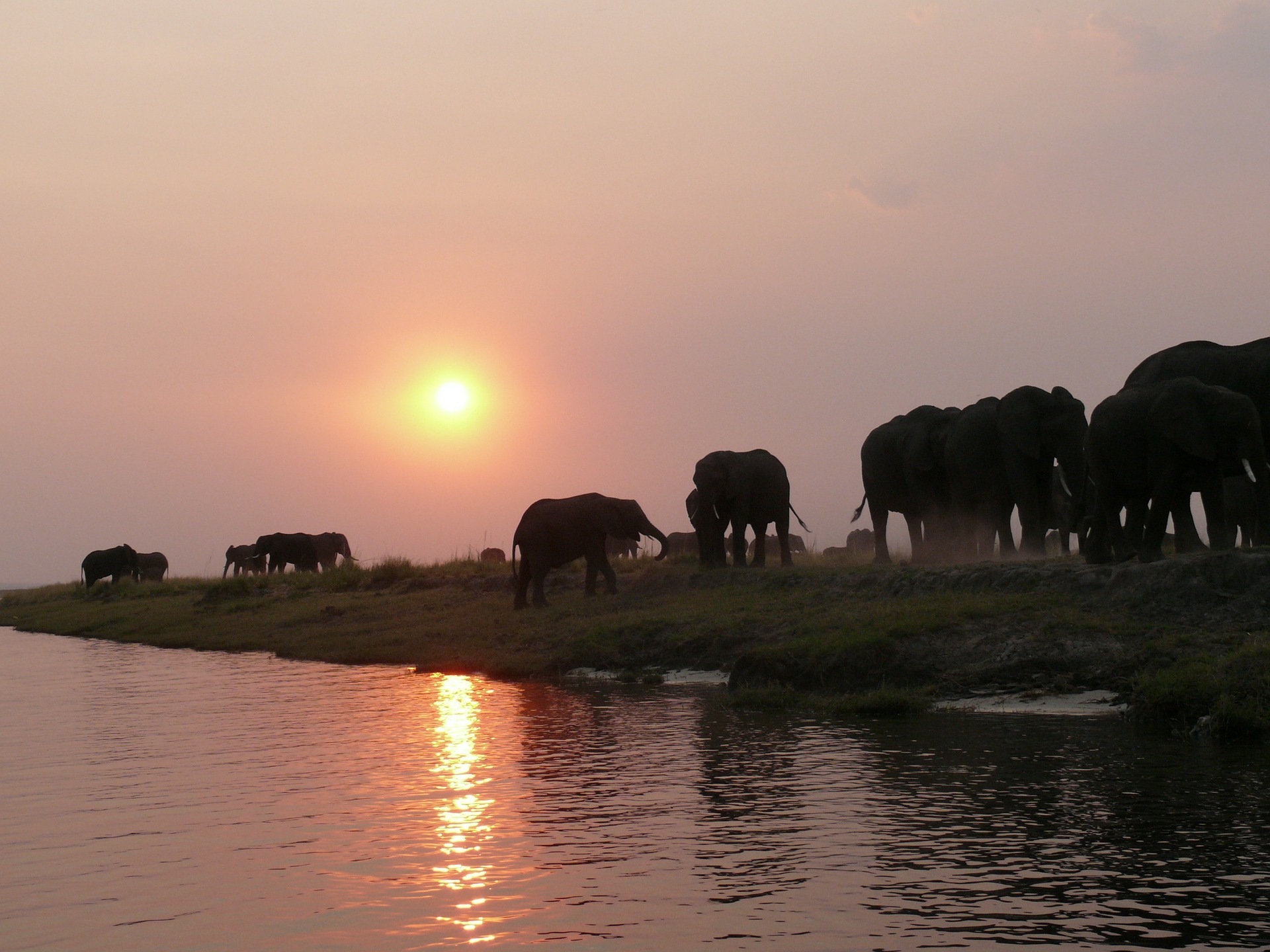
Elephants are among the park’s major attractions, and visitors may encounter family groups moving between feeding areas and water sources. Other wildlife includes giraffes, zebras, buffaloes, wildebeest, impalas and various other antelope species.
Lions and other predators also inhabit the park, while its diverse habitats make it a rewarding destination for birdwatchers.
Best Time to Visit Tarangire
The dry season, generally from June to October, is a popular period for wildlife viewing because animals often concentrate around available water sources.
Tarangire can also be rewarding during greener months, particularly for travellers interested in changing landscapes and birdlife.
The park works well as part of a circuit linking Arusha, Lake Manyara, Ngorongoro and the Serengeti.
4. Lake Manyara National Park: Forests, Flamingos and Tree-Climbing Lions
Lake Manyara National Park lies beneath the Great Rift Valley escarpment and offers a contrasting landscape of groundwater forest, open grassland, woodland and lake shore.
The park is associated with tree-climbing lions, although sightings depend on wildlife movements. Visitors may also see elephants, giraffes, baboons, hippos and numerous bird species.
Birdwatching at Lake Manyara
Lake Manyara is a rewarding destination for birdwatchers. Depending on water levels and seasonal conditions, the lake and surrounding habitats may support flamingos, pelicans, storks, herons and many other species.
The forested areas provide opportunities to observe primates and woodland birds, while the open shore and wetland habitats attract water-associated species.
Lake Manyara is particularly suitable for travellers who want a varied safari experience rather than game drives focused exclusively on open grasslands.
5. Mount Kilimanjaro: Africa’s Highest Mountain
Mount Kilimanjaro is one of Tanzania’s most recognisable landmarks and a major attraction for hikers and adventure travellers. Rising approximately 5,895 metres above sea level, it is Africa’s highest mountain and the world’s highest free-standing mountain.
Unlike a traditional wildlife safari, a Kilimanjaro expedition focuses on trekking through changing ecological zones, from cultivated lower slopes and montane forest to alpine terrain and the high summit region.
Climbing Mount Kilimanjaro
Several established routes lead towards the summit, including Machame, Lemosho, Marangu and Rongai. Each offers a different combination of scenery, duration and acclimatisation opportunities.
Choosing an appropriate itinerary is important because altitude can affect climbers regardless of their physical fitness. Travellers should allow sufficient time for acclimatisation and follow professional mountain guides’ advice.
Combining Kilimanjaro with a Wildlife Safari
Travellers can combine a mountain trek with a Serengeti and Ngorongoro safari, provided the itinerary allows adequate time for the climb, recovery and transfers.
This combination is particularly appealing to travellers seeking both a physical challenge and a classic African wildlife experience.
6. Arusha National Park: Forests, Lakes and Mountain Views
Arusha National Park is a convenient addition to an itinerary beginning or ending in Arusha. Although smaller than the Serengeti, it offers varied habitats and attractive scenery, including forest, crater landscapes, lakes and views of Mount Meru.
Wildlife may include giraffes, zebras, buffaloes, warthogs and several primate species. The park is also known for its birdlife and scenic landscapes.
Depending on current park rules and the activity selected, visitors may be able to arrange guided walking safaris or canoeing experiences. These activities must be confirmed in advance with the relevant authorities or operator.
Arusha National Park is well suited to travellers with limited time who want to experience nature before or after a longer safari.
Best Time to Visit Northern Tanzania
Northern Tanzania is a year-round destination, but the best travel period depends on your interests, preferred parks and budget.
June to October: The Dry Season
The dry season is popular for wildlife safaris because vegetation is often less dense and animals may gather near reliable water sources.
It is also a key period for travellers hoping to follow the Great Wildebeest Migration through the western and northern Serengeti. The northern Serengeti and Maasai Mara may offer opportunities to see river crossings, although these events are unpredictable.
Accommodation in sought-after areas can be expensive or book up well in advance during peak months.
January to March: Calving Season
The southern Serengeti and Ndutu plains are important destinations during the wildebeest calving season. This period of calving season offers opportunities to observe newborn animals and predator activity.
It is a particularly attractive time for photographers and travellers interested in the early stages of the migration cycle.
April to May: The Green Season
The long rains can bring greener landscapes, dramatic skies and attractive photographic conditions. Some properties may offer lower rates, although rainfall can affect road conditions and travel logistics.
Wildlife viewing remains possible, but travellers should plan routes and transfers carefully.
November to December: Short Rains and Returning Herds
The short rains often help regenerate grazing in the southern Serengeti, encouraging migrating herds to move back towards these areas.
The landscapes can become greener, while birdwatching can be rewarding. Rainfall patterns vary, so flexibility is useful.
Northern Tanzania Safari Itinerary: How Many Days Do You Need?
The ideal duration depends on the number of parks you want to visit, the time of year and whether you prefer road travel or domestic flights.
3-Day Northern Tanzania Safari
A three-day safari can focus on Tarangire, Ngorongoro and one additional destination, depending on travel arrangements. This is a relatively short itinerary, so the route should be designed to avoid excessive driving.
5-Day Northern Tanzania Safari
Five days provides more time for game drives and a combination of destinations such as Tarangire, Ngorongoro and the Serengeti.
For migration-focused travel, the itinerary should prioritise the relevant part of the Serengeti rather than attempting to visit every park.
7-Day Northern Tanzania Safari
A seven-day itinerary can allow travellers to explore Tarangire, Ngorongoro and different areas of the Serengeti at a more relaxed pace.
Depending on the season, accommodation and travel arrangements, the route may include the central Serengeti, the western corridor or the northern migration areas.
10-Day Northern Tanzania Adventure
Ten days offers greater flexibility for combining a wildlife safari with Mount Kilimanjaro trekking, Lake Manyara, Arusha National Park or less-visited landscapes such as Lake Natron.
A mountain climb requires its own carefully planned schedule and should not be squeezed into a wildlife itinerary without allowing enough time for the expedition.
Where to Stay on a Northern Tanzania Safari
Accommodation is available in a variety of categories, from campsites and comfortable lodges to luxury tented camps and high-end safari lodges.
Luxury accommodation: Luxury properties offer high levels of service, distinctive locations and, in some cases, private safari experiences. Some are positioned to provide access to important seasonal wildlife areas.
Mid-range lodges and tented camps: These provide a balance between comfort and cost, often with private rooms or tents, meals and access to guided game drives.
Budget accommodation and campsites: Travellers with tighter budgets can consider public campsites, basic lodges and more affordable guesthouses, depending on the destination and available facilities.
For a migration safari, location is particularly important. A camp near the expected herd movements may offer more useful wildlife-viewing opportunities than a property that requires lengthy drives to reach the relevant area.
Always confirm the exact location, seasonal operating dates, meal plan, park fees, transfers and included activities before booking.
Cultural Experiences in Northern Tanzania
Northern Tanzania is home to communities whose traditions, livelihoods and histories are connected to the region’s landscapes.
A carefully organised cultural visit may provide opportunities to learn about Maasai beadwork, traditional architecture, livestock keeping, music and dance, as well as the ways communities are adapting to modern life.
Cultural experiences should be organised respectfully, with local consent and fair compensation. Visitors should ask before taking photographs and respect any restrictions on what can be shared.
Travellers with additional time may also explore the highlands around Ngorongoro, Lake Natron and other areas where natural landscapes and local heritage form an important part of the journey.
How to Get to Northern Tanzania
Most international travellers reach Northern Tanzania through Kilimanjaro International Airport, which serves the Arusha and Moshi area. Some itineraries may also begin in Arusha after arrival through another regional airport.
From Arusha, travellers can continue by road to nearby national parks or arrange domestic flights to suitable airstrips serving the Serengeti.
Road safaris offer flexibility and opportunities to see the countryside, but travel times between parks can be significant. Fly-in safaris reduce some transfers but generally cost more and are subject to schedules, luggage limits and weather conditions.
When planning your trip, consider both the arrival and departure airports, the location of your accommodation and the number of hours you want to spend on game drives.
What to Pack for a Northern Tanzania Safari
Pack according to the season and activities planned.
- Lightweight, neutral-coloured clothing for game drives.
- A warm layer for cool mornings and evenings.
- Comfortable walking shoes.
- A wide-brimmed hat, sunglasses and sunscreen.
- Binoculars for wildlife and birdwatching.
- A camera with spare batteries and memory cards.
- Insect repellent and personal toiletries.
- Rain protection during wetter months.
- Personal medication and required travel documents.
If your itinerary includes Mount Kilimanjaro, you will need specialist trekking clothing and equipment appropriate for high-altitude conditions. Confirm the equipment list with your trekking operator before departure.
Is Northern Tanzania Worth Visiting?
Northern Tanzania is an excellent choice for travellers seeking a classic African safari with a variety of wildlife, landscapes and activities.
The Serengeti offers opportunities to experience the Great Wildebeest Migration and observe predators. Ngorongoro provides a distinctive crater environment with diverse wildlife, while Tarangire is known for elephants and baobab trees. Lake Manyara adds forests and birdlife, and Mount Kilimanjaro offers a completely different adventure for trekkers.
The region can accommodate a range of travel styles, from short safaris to longer journeys combining several parks and mountain experiences.
The key to a rewarding trip is selecting destinations according to your travel dates, interests and budget, then allowing sufficient time to enjoy each place.
Frequently Asked Questions About Northern Tanzania
What is Northern Tanzania famous for?
Northern Tanzania is famous for the Serengeti, the Great Wildebeest Migration, Ngorongoro Crater, Tarangire National Park, Mount Kilimanjaro and its rich wildlife.
What is the best month to visit Northern Tanzania?
There is no single best month for every experience. January and February are popular for the calving season in the southern Serengeti, while July to September is a popular period for migration viewing in the northern Serengeti and Maasai Mara. General wildlife viewing is possible throughout the year.
How many days are enough for Northern Tanzania?
Five to seven days is a useful starting point for a multi-park safari. Travellers who want to climb Mount Kilimanjaro or explore more remote destinations should allow additional time.
Can I see the Big Five in Northern Tanzania?
The region supports all five of the traditional Big Five: lion, leopard, elephant, buffalo and rhinoceros. Sightings depend on the parks visited, season and natural wildlife movements, so seeing all five is never guaranteed.
Is Northern Tanzania suitable for a family safari?
Yes. Families can enjoy game drives, nature experiences and selected cultural visits. Parents should confirm accommodation age policies, driving distances and activity restrictions before booking.
Can I combine Northern Tanzania with Uganda?
Yes. Travellers can combine Tanzania’s wildlife parks with Uganda’s mountain gorilla trekking, chimpanzee tracking, birdwatching and savannah safaris. The itinerary should account for international flights, border arrangements and the time needed at each destination.
Plan Your Northern Tanzania Safari with Epic Uganda Vacation
From the endless plains of the Serengeti to the volcanic landscapes of Ngorongoro and the giant baobabs of Tarangire, Northern Tanzania offers an exceptional variety of African experiences.
Whether you want to follow the Great Wildebeest Migration, photograph elephants, climb Mount Kilimanjaro or combine Tanzania with a gorilla trekking adventure in Uganda, a well-planned itinerary can bring your interests together.
Epic Uganda Vacation can help you plan a personalised East African journey around your travel dates, accommodation preferences and budget.
Contact Epic Uganda Vacation to start planning your Northern Tanzania safari.