Karisoke Research Center Rwanda: Dian Fossey, Mountain Gorilla Conservation and Hiking Guide
The Karisoke Research Center in Rwanda is one of the most significant sites in the history of mountain gorilla conservation. Established by renowned American primatologist Dian Fossey in 1967, the research station became an important centre for studying and protecting endangered mountain gorillas in the Virunga Mountains.
Located between Mount Karisimbi and Mount Bisoke in the highlands of northwestern Rwanda, Karisoke is closely associated with the pioneering work that transformed international understanding of mountain gorillas. Today, its legacy continues through scientific research, conservation programs, and efforts to protect these remarkable great apes.
For travelers visiting Rwanda, the Karisoke story adds historical depth to a safari in Volcanoes National Park. A guided hike to the historic research site and Dian Fossey’s burial area offers an opportunity to learn about the people, challenges, and conservation achievements behind the protection of mountain gorillas.
This guide explores the history of Karisoke Research Center, Dian Fossey’s contribution to gorilla conservation, what visitors can experience on the hike, and how to include the site in a Rwanda safari.
What Is Karisoke Research Center?
Karisoke Research Center is a mountain gorilla research and conservation site established by Dian Fossey in Rwanda in September 1967.
The name Karisoke combines the names of the two volcanoes between which the original research camp was established: Mount Karisimbi and Mount Bisoke.
The centre was founded to support long-term scientific observation of mountain gorillas in their natural habitat. At the time, these great apes faced serious threats, including poaching, habitat disturbance, and the loss of individual animals.
Karisoke became an important base for documenting gorilla behaviour, family relationships, feeding habits, communication, and social organization. The research also helped scientists and conservationists develop a deeper understanding of the challenges facing mountain gorillas.
Today, the Dian Fossey Gorilla Fund continues important scientific research and conservation work in the region. Its broader work includes protecting gorillas and their habitats, supporting scientific education, and working with local communities.
Visitors should distinguish the historic Karisoke camp and burial site from the organization’s current operational facilities. The original research area is primarily a conservation heritage destination rather than a conventional public visitor centre.
Where Is Karisoke Research Center Located?
Karisoke is located in the Virunga Mountains of northwestern Rwanda, within the broader landscape associated with Volcanoes National Park.
The historic research camp lies between Mount Karisimbi and Mount Bisoke, two volcanic peaks that form part of the Virunga mountain chain.
The surrounding landscape features montane rainforest, bamboo vegetation, thick undergrowth, steep slopes, and changing mountain weather. These habitats are important to mountain gorillas and other wildlife in the region.
The nearest major tourism hub is Musanze, formerly known as Ruhengeri. Travelers generally reach the area by road from Kigali before arranging the relevant guided hike.
Because the historic site is in mountainous terrain, reaching it requires a guided trek rather than an ordinary road transfer. Visitors should confirm the current hiking route, access arrangements, and required permits with the Rwanda Development Board or an authorized tour operator.
Dian Fossey and the History of Karisoke Research Center
Dian Fossey’s work at Karisoke helped shape modern mountain gorilla conservation.
1967: Establishment of the research camp
Fossey arrived in Rwanda in 1967 and established her research camp in the Virunga Mountains. Her goal was to study mountain gorillas over an extended period and improve understanding of their behaviour and social lives.
Her approach involved spending long periods observing gorillas in the forest, documenting individual animals, and gradually gaining their tolerance of human observers.
Long-term mountain gorilla research
Fossey’s research provided detailed information about gorilla family structures, communication, feeding patterns, relationships between individuals, and daily activities.
By documenting individual gorillas and their social groups, she helped demonstrate that mountain gorillas possess complex social lives and individual personalities.
Her work also drew attention to the pressures that threaten wild gorilla populations.
Fighting poaching
Poaching was a major concern during Fossey’s years in the Virunga Mountains. Gorillas were sometimes killed for body parts or captured for illegal wildlife trade, while snares set for other animals could injure or kill gorillas.
Fossey became a prominent advocate for stronger gorilla protection. Her conservation efforts helped bring international attention to the need for anti-poaching measures and habitat protection.
1983: Publication of Gorillas in the Mist
Fossey published her book Gorillas in the Mist in 1983. The book introduced a wider audience to her research, the lives of mountain gorillas, and the challenges of protecting them.
The book later inspired a film adaptation, further increasing international interest in mountain gorilla conservation.
1985: Dian Fossey’s death
Fossey was murdered at her research camp in December 1985. She was buried near the camp, alongside several gorillas she had studied and cared about.
Her death remains a tragic chapter in the history of mountain gorilla conservation. Her scientific legacy, however, continues to influence research and conservation initiatives.
Why Is Karisoke Research Center Important for Gorilla Conservation?
Karisoke Research Center is important because it helped establish the long-term scientific foundation for understanding mountain gorillas.
Its legacy extends beyond the research camp itself.
1. Understanding mountain gorilla behaviour
Long-term observation has helped researchers document how gorillas form family groups, communicate, raise their young, and respond to changes in their environment.
This knowledge is valuable for conservation planning and the management of habituated gorilla groups visited by tourists.
2. Supporting protection against poaching
Research and monitoring help conservation teams identify threats and understand how human activities affect gorillas and their habitats.
Anti-poaching patrols, veterinary interventions, habitat protection, and community partnerships all contribute to safeguarding mountain gorillas.
3. Promoting conservation awareness
Fossey’s work helped make mountain gorillas internationally recognized as a species requiring urgent protection.
Her story continues to encourage visitors, researchers, conservation organizations, and supporters to learn about the challenges facing great apes.
4. Encouraging scientific research
The Karisoke legacy continues through research into gorilla health, ecology, social behaviour, and the wider mountain forest ecosystem.
Long-term monitoring is particularly important because conservation outcomes depend on understanding changes in populations and their habitats over time.
5. Connecting conservation with communities
Mountain gorilla conservation depends on cooperation with communities living around protected areas. Responsible tourism can create employment and generate revenue that supports local development.
Rwanda’s national park tourism revenue-sharing initiative allocates 10% of park tourism revenue to community projects, helping connect tourism with local benefits.
The Dian Fossey Hike: Visiting the Historic Karisoke Site
One of the most meaningful ways to learn about Karisoke Research Center is by taking a guided hike to the historic research area and Dian Fossey’s burial site.
The experience combines mountain hiking, conservation history, and an introduction to the work that helped transform mountain gorilla protection.
What to expect
The hike typically begins with a briefing and arrangements with the authorized guides responsible for the excursion.
Participants then walk through mountainous forest terrain toward the historic research area. Depending on the approved route and prevailing conditions, the experience may include:
- Learning about Dian Fossey’s research and conservation work.
- Exploring the landscape associated with the original Karisoke camp.
- Visiting the area where Fossey and several gorillas were buried, subject to current access arrangements.
- Observing the montane vegetation and wildlife along the route.
- Hearing about the history of gorilla protection in the Virunga Mountains.
The route can be steep, muddy, and physically demanding. The actual duration depends on the authorized trail, weather, pace, and access conditions, so confirm these details before booking.
The hike is different from gorilla trekking. It focuses primarily on conservation history and the research legacy of Dian Fossey rather than a guaranteed encounter with mountain gorillas.
Can You See Mountain Gorillas During the Karisoke Hike?
Mountain gorillas inhabit the wider Virunga landscape, but seeing them is not the primary purpose of the Karisoke hike.
Wildlife sightings depend on animal movements, habitat conditions, and the route being followed. Visitors should not expect a gorilla encounter simply because they are hiking in the area.
If your main goal is to observe mountain gorillas, book a dedicated gorilla trekking experience in Volcanoes National Park.
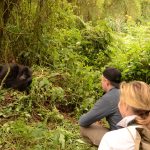
Gorilla trekking involves a separate permit, a designated habituated gorilla family, and an authorized guiding team. Visitors generally spend up to one hour observing the gorillas once they have been located, subject to park regulations.
Combining gorilla trekking with the Dian Fossey hike offers two different perspectives: one focuses on observing gorillas in their natural habitat, while the other explores the history of their conservation.
Other Activities to Combine With a Karisoke Visit
Travelers can combine a visit to the Karisoke historic site with several activities around Volcanoes National Park.
Gorilla trekking
Gorilla trekking is the signature wildlife experience in Rwanda. It offers an opportunity to observe a habituated mountain gorilla family with authorized guides and trackers.
Advance permit booking is essential, particularly during popular travel periods.
Golden monkey tracking
Golden monkey tracking introduces visitors to another endangered primate of the Virunga Mountains. The activity usually involves a guided forest walk to locate a habituated troop.
Mount Bisoke hiking
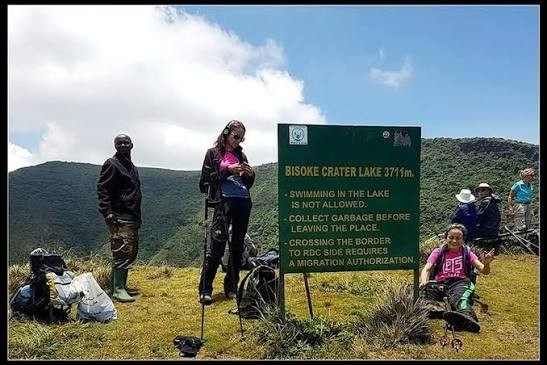
Mount Bisoke is known for its volcanic scenery and crater lake. The hike is physically demanding and requires suitable fitness, proper equipment, and the necessary park arrangements.
Mount Karisimbi climbing
Mount Karisimbi is the highest volcano in Rwanda, rising to approximately 4,507 metres. The climb is a demanding mountain adventure generally organized over two days, subject to the approved itinerary and conditions.
Cultural experiences around Musanze
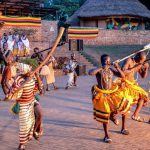
Community visits around Musanze can introduce travelers to Rwandan traditions, local crafts, food, music, and dance. Choose responsible experiences that respect local communities and their cultural heritage.
For a broader itinerary, explore our Rwanda safari packages.
Best Time to Visit Karisoke Research Center
The Karisoke historic site is in a mountainous environment where rain, mist, and changing temperatures can affect hiking conditions throughout the year.
June to September
These months are generally part of Rwanda’s drier season. Trails may be easier to navigate, making this a popular period for hiking and gorilla trekking.
December to February
This is another generally drier period that can suit travelers planning a combination of hiking and wildlife activities.
March to May and October to November
These months generally receive more rainfall. Trails can become slippery and muddy, increasing the difficulty of the hike. However, the forest is lush and green.
Regardless of the season, bring waterproof clothing and prepare for changing weather. Check the current route and access arrangements before departure, as weather and park management decisions may affect availability.
What to Pack for the Karisoke Hike
Proper preparation makes a difference when hiking through the Virunga Mountains.
We recommend carrying:
- Sturdy hiking boots: Choose waterproof footwear with good traction.
- Waterproof jacket and trousers: Rain can occur even during drier months.
- Long trousers and long-sleeved shirts: These help protect you from vegetation and insects.
- Warm layers: Mountain temperatures can change quickly, particularly at higher elevations.
- Gardening or trekking gloves: Useful when moving through vegetation on authorized trails.
- Walking stick: Helpful on steep and muddy sections.
- Drinking water and snacks: Carry what is appropriate for the planned hike and permitted by your guide.
- Small backpack: Keep essential items secure and easy to access.
- Camera or binoculars: Useful for photographing scenery and observing wildlife where appropriate.
Follow your guide’s instructions throughout the excursion, remain on the designated route, and avoid disturbing wildlife or vegetation.
How to Get to Karisoke Research Center
Most visitors travel from Kigali to Musanze before arranging the guided hike.
The road journey from Kigali generally takes around two to three hours, depending on traffic and road conditions. The historic Karisoke site is not directly accessible by car, so the final part of the journey must be completed on foot along the authorized route.
For most travelers, the easiest option is to arrange transport, accommodation, and hiking logistics through an experienced tour operator.
Because the hike may require several hours, consider staying overnight near Volcanoes National Park rather than attempting to combine every activity with a long same-day transfer.
Before travel, confirm the departure point, required permits, physical demands, and current access conditions.
Suggested 3-Day Rwanda Gorilla Conservation Safari
A three-day itinerary allows you to combine mountain gorilla trekking with a visit to the historic Karisoke site.
Day 1: Kigali to Volcanoes National Park
Depart Kigali and drive to Musanze. Depending on your arrival time, enjoy a cultural experience or explore the surrounding area. Check in at your lodge and prepare for the following day’s activities.
Day 2: Mountain gorilla trekking
Transfer to the park headquarters for the morning briefing. Join your assigned group and authorized guides for a trek to locate a habituated mountain gorilla family.
After the trek, return to your lodge and relax. Your guide can review the arrangements for the Karisoke hike.
Day 3: Dian Fossey and Karisoke historic site hike
Begin the guided hike according to the approved schedule. Learn about Dian Fossey’s research, the history of the Karisoke camp, and the conservation challenges facing mountain gorillas.
After the hike, return to Musanze and continue to Kigali or extend your stay for golden monkey tracking or another activity.
This is a suggested itinerary, not a confirmed schedule. Actual activities depend on permit availability, hiking access, weather, and park arrangements.
Frequently Asked Questions About Karisoke Research Center
1. Where is Karisoke Research Center located?
Karisoke Research Center was established in the Virunga Mountains of northwestern Rwanda, between Mount Karisimbi and Mount Bisoke, in the broader Volcanoes National Park landscape.
2. Who founded Karisoke Research Center?
American primatologist Dian Fossey established the research camp in September 1967 to study and protect mountain gorillas.
3. Why is Karisoke Research Center famous?
Karisoke is famous for its contribution to mountain gorilla research and conservation. Dian Fossey’s long-term studies helped increase scientific understanding of gorilla behaviour and drew international attention to the threats facing the species.
4. Can tourists visit Karisoke Research Center?
Visitors may be able to join a guided hike to the historic Karisoke research area and Dian Fossey’s burial site, subject to current park access arrangements and required permits. It is not a conventional walk-in visitor centre, so arrangements should be confirmed in advance.
5. How long does the Dian Fossey hike take?
The duration varies depending on the authorized route, weather, and hiking pace. The excursion can take several hours and involves steep or muddy terrain. Confirm the expected duration when booking.
6. Can I see gorillas at the Karisoke site?
The hike focuses on conservation history rather than a guaranteed gorilla sighting. For a dedicated gorilla encounter, arrange a separate gorilla trekking permit in Volcanoes National Park.
7. Is the Karisoke hike difficult?
The hike can be physically demanding because of the mountainous terrain, elevation, mud, and changing weather. Sturdy hiking boots, suitable clothing, and a reasonable level of fitness are recommended.
8. Can I combine the Karisoke hike with gorilla trekking?
Yes. Combining the hike with gorilla trekking is an excellent option for travelers interested in both conservation history and wildlife encounters. Plan enough time for each activity and confirm permit availability in advance.
Plan Your Karisoke Research Center and Rwanda Gorilla Safari
Karisoke Research Center represents an important chapter in the history of mountain gorilla conservation. Through Dian Fossey’s pioneering work, the site became a symbol of scientific research, wildlife protection, and the continuing effort to safeguard endangered mountain gorillas.
For travelers, a guided hike to the historic research area offers more than a mountain walk. It provides an opportunity to understand the challenges of conservation and the dedication required to protect wildlife for future generations.
At Epic Uganda Great Apes Tours, we can help you plan a Rwanda itinerary that combines the Karisoke historic site hike, mountain gorilla trekking, golden monkey tracking, and other experiences around Volcanoes National Park.
Contact Epic Uganda Great Apes Tours to plan your Rwanda gorilla conservation safari. Share your travel dates, group size, preferred accommodation, and activities so we can help organize an itinerary that suits your interests and budget.
Explore our 3-day Rwanda gorilla trekking safari or request a tailor-made Rwanda and Uganda primate safari.