Arusha, Tanzania: A Complete Travel Guide to Safaris, Attractions and Things to Do
Arusha, Tanzania, is one of East Africa’s most important safari gateways. Located in northern Tanzania, the city provides convenient access to some of the continent’s best-known wildlife destinations, including Serengeti National Park, Ngorongoro Conservation Area, Tarangire National Park and Lake Manyara National Park.
But Arusha is more than a starting point for wildlife safaris. The city offers bustling markets, local food, cultural experiences, coffee-growing landscapes and views of Mount Meru. Visitors can spend a day exploring the city, take a guided excursion into the surrounding countryside or use Arusha as a base for a longer Northern Tanzania adventure.
Whether you are planning a short stay before a safari, a family holiday, a cultural journey or a mountain trekking expedition, this guide explains the best things to do in Arusha, where to stay, how to get there and when to visit.
Where Is Arusha in Tanzania?
Arusha is located in northern Tanzania, in the country’s Arusha Region. It lies near the foothills of Mount Meru and serves as a major centre for tourism, agriculture, trade and regional travel.
The city is strategically positioned for travellers visiting the Northern Safari Circuit. From Arusha, visitors can travel by road to nearby national parks or connect to domestic flights serving more distant safari areas.
Arusha is also a useful starting point for Mount Kilimanjaro climbing trips, cultural excursions and journeys towards the Great Rift Valley.
Its location makes it a practical place to spend a night before beginning a safari, particularly for travellers arriving on international flights or arranging an early morning departure.
Why Visit Arusha?
Arusha offers a combination of city experiences, nearby natural attractions and access to Tanzania’s most famous safari destinations.
Reasons to visit include:
- Access to the Northern Tanzania Safari Circuit.
- Excursions to Arusha National Park and Mount Meru.
- Opportunities to learn about Tanzanian culture and local traditions.
- Coffee tours and countryside experiences.
- Local markets, restaurants and craft shopping.
- A convenient base for organising Serengeti and Ngorongoro safaris.
- Access to Mount Kilimanjaro trekking itineraries through the wider northern Tanzania region.
For many travellers, Arusha is where a Tanzania safari begins. Spending a little time in the city can make the journey more relaxed and provide a broader understanding of the region.

Best Things to Do in Arusha, Tanzania
1. Explore Arusha National Park
Arusha National Park is one of the most convenient nature destinations for visitors staying in the city. The park features montane forest, open grassland, crater landscapes and the scenic Momella Lakes.
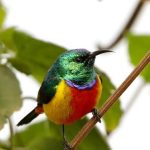
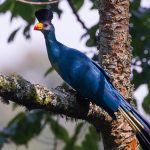
Wildlife may include giraffes, zebras, buffaloes, warthogs and several primate species. The park is also known for its birdlife and views of Mount Meru on clear days.
Depending on current park regulations and arrangements, visitors may be able to enjoy guided walking safaris or canoeing experiences. These activities should be booked with an authorised operator and confirmed in advance.
Arusha National Park is particularly suitable for travellers who have only one day available before or after a longer safari.
2. Discover Mount Meru
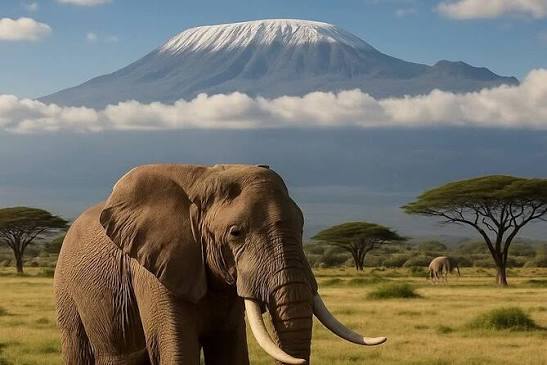
Mount Meru rises above the landscapes west of Arusha and provides a dramatic backdrop to the region. It is a major trekking destination for visitors seeking a mountain adventure beyond a traditional wildlife safari.
Climbing Mount Meru generally involves a guided, multi-day trek through changing vegetation zones and high-altitude environments. The route requires proper preparation, suitable equipment and enough time to acclimatise.
Some travellers choose Mount Meru as a standalone trekking experience, while others use it as part of a longer northern Tanzania adventure.
Weather conditions affect visibility, so views of the summit and surrounding landscapes are not guaranteed every day.
3. Visit the Cultural Heritage Centre
Arusha’s Cultural Heritage Centre is a popular stop for travellers interested in African art, crafts, sculpture and jewellery.
Visitors can browse collections that reflect Tanzania’s artistic traditions and the wider cultural diversity of the continent. It can be a useful place to look for souvenirs, gifts and decorative pieces.
Opening hours and individual services can change, so check directly with the centre before planning a visit.
4. Explore Arusha’s Local Markets
Local markets offer a glimpse into everyday life in Arusha. Visitors can browse fresh produce, household goods, clothing, spices and locally made items while observing the rhythm of the city.
A guided visit can help travellers understand local products, market customs and the role these spaces play in community life.
Ask permission before photographing people, respect vendors’ requests and agree on prices before purchasing goods where prices are not fixed.
5. Experience a Tanzanian Coffee Tour
The area around Arusha has coffee-growing farms and rural communities where visitors may be able to learn about coffee cultivation and preparation.
Depending on the tour, an experience may include a walk through a coffee-growing area, an introduction to harvesting and processing, and an opportunity to taste locally produced coffee.
A coffee excursion is a good option for travellers who want a slower-paced activity between safari days. Confirm the farm location, tour duration and inclusions before booking.
6. Discover Tanzanian Food
Arusha is a useful place to sample Tanzanian dishes and learn about local food traditions.
Popular foods to look for include:
- Ugali: A firm maize-based staple commonly served with vegetables, meat or fish.
- Nyama choma: Grilled meat, often served with side dishes.
- Pilau: Spiced rice prepared with different combinations of ingredients.
- Chapati: A flatbread served with various meals.
- Mandazi: A fried dough snack commonly enjoyed with tea or coffee.
- Local vegetable dishes: Prepared with seasonal ingredients and served alongside staple foods.
Menus vary between restaurants, and travellers with dietary requirements should explain their needs clearly when ordering.
7. Visit Local Craft Shops and Galleries
Arusha has shops and galleries selling carvings, textiles, beadwork, paintings, jewellery and other handcrafted items.
Purchasing directly from artisans or reputable local businesses can help support the people producing these items. If you are buying wildlife-related products, avoid items made from protected animal parts or other restricted materials.
Leave enough space in your luggage for souvenirs, and check airline baggage rules before buying larger pieces.
Arusha as the Gateway to Northern Tanzania Safaris
One of Arusha’s greatest advantages is its access to Tanzania’s celebrated Northern Safari Circuit. Travellers can build an itinerary around several parks, with the exact route depending on the time available, wildlife interests and budget.
Serengeti National Park
The Serengeti is renowned for its extensive grasslands, predators and the Great Wildebeest Migration. Travellers can search for lions, cheetahs, leopards, elephants, giraffes, zebras and large herds of wildebeest.
The migration moves seasonally through different parts of the ecosystem. Visitors hoping to see a particular stage should select their travel dates and accommodation according to expected herd movements.
Read our guide to the Great Wildebeest Migration for more information on seasonal planning.
Ngorongoro Conservation Area
Ngorongoro is famous for its spectacular crater landscape and diverse wildlife. Game drives on the crater floor can provide opportunities to see lions, elephants, buffaloes, zebras and other species. The conservation area also has important cultural and archaeological heritage.
Ngorongoro is commonly combined with Serengeti National Park on multi-day safaris.
Tarangire National Park
Tarangire is known for its baobab trees, elephant populations and seasonal wildlife concentrations around the Tarangire River.
The park offers a contrasting landscape to the open Serengeti plains and is a popular addition to itineraries beginning in Arusha.
Lake Manyara National Park
Lake Manyara features groundwater forest, woodland, grassland and lake shore. Visitors can search for elephants, giraffes, primates and a variety of bird species.
The park is often included in a Northern Tanzania itinerary with Tarangire and Ngorongoro, depending on the length of the trip.
Planning a Northern Tanzania Safari from Arusha
Travellers with limited time may choose a short safari to nearby destinations. Those with a week or longer can explore a broader combination of parks, including several nights in the Serengeti.
A well-planned route should account for driving distances, park fees, accommodation locations and the seasonal distribution of wildlife.
For travellers seeking a complete experience, our 10-day Northern Tanzania safari itinerary is a useful starting point for planning a multi-park journey. Replace this link with the dedicated itinerary URL once the page is published.
Best Time to Visit Arusha, Tanzania
Arusha can be visited throughout the year. The most suitable period depends on whether you plan to explore the city, climb a mountain or go on safari.
June to October: The Dry Season
The dry season is popular for wildlife viewing across much of Northern Tanzania. Roads and walking conditions can be more favourable in many areas, although conditions vary by destination.
This period is also popular for travellers hoping to explore the northern Serengeti during the Great Wildebeest Migration. The herds’ movements and river crossings remain unpredictable.
January to March: Warmer Weather and Calving Season Safaris
These months can be suitable for exploring Arusha and planning safaris in the southern Serengeti and Ndutu region, where wildebeest calving commonly takes place.
Conditions vary from year to year, and mountain visibility depends on the weather.
April to May: The Long Rains
The long rains often bring greener landscapes and can make the countryside particularly attractive. However, heavy rainfall may affect road conditions, trekking plans and some outdoor activities.
Travellers visiting during this period should remain flexible and check conditions before departure.
November to December: The Short Rains
The short rains can refresh the surrounding landscapes and create attractive conditions for photography. Rainfall is variable, so it is sensible to pack light rain protection and confirm safari logistics.
For visitors whose main priority is wildlife, choose dates according to the parks and seasonal experiences you want to include, rather than relying on Arusha’s weather alone.
Where to Stay in Arusha
Arusha offers a wide range of accommodation, including budget guesthouses, mid-range hotels, boutique properties and luxury lodges.
Budget Accommodation
Budget hotels and guesthouses are suitable for travellers who want a practical place to sleep before or after a safari. Check the location, security arrangements, transport options, breakfast availability and recent guest reviews.
Mid-Range Hotels and Lodges
Mid-range properties often provide private rooms, on-site dining and comfortable spaces to relax between activities. They can be a good choice for couples, families and small groups seeking a balance between price and comfort.
Luxury Lodges and Boutique Stays
Luxury properties may offer landscaped grounds, spacious rooms, high-end dining and additional services. Some are located outside the city, providing a quieter setting with views of the surrounding countryside.
How to Choose the Right Accommodation
Consider the location of your first safari departure, your arrival time, the distance from the airport and whether you need an overnight stay or several nights in the area.
If you are starting a safari early the next morning, choose accommodation that makes the departure straightforward. Confirm airport transfers, meal times and luggage storage directly with the property.
How to Get to Arusha
By Air
Kilimanjaro International Airport is the principal international gateway for many travellers visiting Arusha and the Northern Tanzania Safari Circuit. The airport is outside the city, so plan for a road transfer after arrival.
Arusha Airport also serves selected domestic and regional flights. Depending on your safari route, a domestic flight may provide access to particular parks or safari airstrips.
Flight schedules and routes vary, so confirm the best arrival airport with your tour operator before purchasing tickets.
By Road
Arusha is connected by road to Moshi, Kilimanjaro International Airport and the main Northern Safari Circuit destinations.
Private transfers can be arranged from the airport, while buses and other public transport options connect Arusha with various Tanzanian towns. Journey times depend on traffic, weather and the exact route.
For a multi-day safari, a private 4×4 vehicle with a professional driver-guide is a common choice because it allows greater flexibility for game drives and stops.
Getting Around Arusha
Within the city, visitors can use taxis, ride services where available, private transfers and local transport. Agree on the fare or confirm the price before beginning a journey when using a service without a fixed fare.
For excursions outside the city, arrange transport with a reputable operator and confirm what is included in the price.
How Many Days Should You Spend in Arusha?
The ideal length of stay depends on your travel plans.
One day: Suitable for a short city visit or an excursion to Arusha National Park, subject to your arrival and departure times.
Two days: Allows time for a city experience, a coffee tour or cultural visit, and an excursion into the surrounding landscape.
Three days: Provides more flexibility for a relaxed visit, several activities or a short nature-focused itinerary.
Five to ten days: Better suited to travellers using Arusha as a gateway for a multi-park safari across Tarangire, Ngorongoro and Serengeti.
If Arusha is only the starting point for your safari, one overnight stay may be sufficient. If you want to explore the city and nearby attractions, allow additional time.
What to Pack for a Visit to Arusha
Pack according to the season and the activities planned.
- Comfortable walking shoes.
- Lightweight clothing for daytime.
- A warm jacket for cool mornings and evenings.
- Sunscreen, sunglasses and a hat.
- A reusable water bottle.
- Insect repellent.
- A camera or binoculars for nature excursions.
- Light rain protection during wetter months.
- Personal medication and travel documents.
If you are continuing to the Serengeti, Ngorongoro or other parks, bring neutral-coloured clothing for game drives. If climbing Mount Meru or Mount Kilimanjaro, arrange specialist trekking equipment and clothing suitable for high altitude.
Responsible Travel in Arusha
Responsible tourism helps ensure that local communities benefit from travel while natural and cultural heritage is respected.
Visitors can support local businesses by purchasing authentic crafts, booking reputable community experiences and following guides’ advice in protected areas.
Ask permission before photographing people, respect cultural customs and avoid buying products made from protected wildlife. During safaris, follow park rules, keep a safe distance from animals and never ask guides to disturb wildlife for a photograph.
Choosing experienced local guides and transparent tour operators can also help make your trip safer and more rewarding.
Frequently Asked Questions About Arusha, Tanzania
Is Arusha worth visiting?
Yes. Arusha is worth visiting for its cultural experiences, markets, nearby nature attractions and access to Northern Tanzania’s famous safari parks. Even a short stay can add value to a safari holiday.
Is Arusha the starting point for Serengeti safaris?
Arusha is a major starting point for Northern Tanzania safaris. Travellers can reach safari destinations by road or combine road transfers with domestic flights, depending on the itinerary.
How far is Arusha from Kilimanjaro International Airport?
The airport is outside Arusha, and the road journey commonly takes around an hour or more, depending on traffic and the exact destination. Allow extra time for busy periods and confirm the transfer with your accommodation or tour operator.
Can I visit Arusha National Park in one day?
Yes. A day trip is possible from Arusha, although the duration depends on the park activities, road conditions and your preferred pace. Arrange park entry and any guided activities in advance.
Can I combine Arusha with a Mount Kilimanjaro climb?
Yes. Arusha can be included before or after a Mount Kilimanjaro expedition. The climb itself requires several days, so plan sufficient time for the trek and recovery.
What is the best month to visit Arusha?
Arusha can be visited year-round. June to October is a popular dry-season period for safari travel, while January to March can work well for trips that include the southern Serengeti calving season. Weather conditions vary by activity and destination.
Can I combine Tanzania with Uganda?
Yes. Travellers can combine a Northern Tanzania safari with Uganda gorilla trekking, chimpanzee tracking, birdwatching or wildlife safaris. International flights, border arrangements and travel time between destinations need to be considered when planning the route.
Plan Your Arusha Visit with Epic Uganda Vacation
Arusha is much more than a transit town. It is a gateway to Tanzania’s spectacular wildlife, a centre for local culture and a convenient base for exploring the landscapes of northern Tanzania.
Whether you want a short city stay, a day trip to Arusha National Park or a longer journey through Tarangire, Ngorongoro and Serengeti, a carefully planned itinerary can help you make the most of your time.
Epic Uganda Vacation can help you plan a personalised East African safari based on your travel dates, accommodation preferences and budget.
Contact our team to start planning your Tanzania safari or a wider East African adventure.