The Complete Guide to Serengeti National Park: There are few places on Earth that evoke the spirit of wild Africa quite like the Serengeti National Park. The name itself is a derivation of the Maasai word Siringet, meaning “the place where the land runs on forever.” For modern travelers, it represents the pinnacle of the safari experience, a vast, untamed ecosystem where the drama of life and death plays out daily against a backdrop of acacia-studded savannahs and granite kopjes. Whether you are a wildlife enthusiast, a photographer, or a romantic seeking the raw pulse of nature, the Serengeti National Park is not just a destination; it is a pilgrimage.
Located in northern Tanzania, stretching to the Kenyan border and contiguous with the Maasai Mara, the Serengeti is Tanzania’s oldest and most popular national park. It is a UNESCO World Heritage Site and encompasses 5,700 square miles (14,763 square kilometers) of grassland plains, savanna, riverine forest, and woodlands. But to truly appreciate the Serengeti, one must look beyond the map. It is a living, breathing system governed by ancient rhythms, most notably the Great Migration.
The Great Migration: The World’s Greatest Wildlife Show
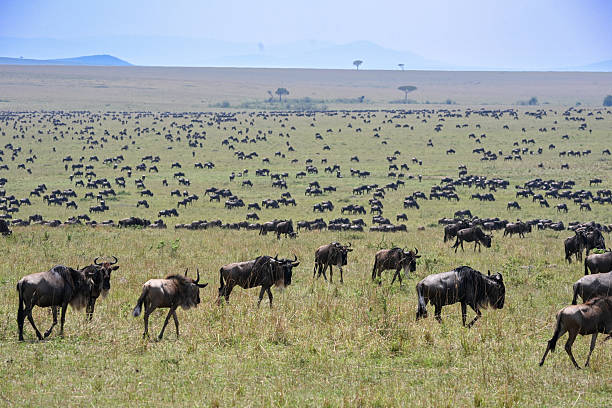
The primary draw for most visitors is the Great Migration, often described as the “Greatest Show on Earth.” This is a perpetual movement of over 1.5 million wildebeest, along with hundreds of thousands of zebras and gazelles, in a constant search for fresh grazing and water. This cycle is not a random event; it is a biological imperative dictated by the rains.
Understanding the migration is crucial for planning your trip. The herds are constantly on the move, and their location varies by season:
December to April (The Southern Serengeti)
As the short rains begin in November, the herds arrive in the short-grass plains of the southern Serengeti and the Ngorongoro Conservation Area. This is calving season. By February, approximately 8,000 wildebeest are born every day. The abundance of vulnerable prey attracts high densities of predators, particularly cheetahs and hyenas, making for spectacular, albeit often heartbreaking, game viewing.
May to July (The Western Corridor)
As the plains dry out, the herds gather into massive columns and begin moving north and west. They face their first major obstacle: the Grumeti River. While not as dramatic as the northern crossings, the Grumeti is home to massive Nile crocodiles that lie in wait for the herds. The Western Corridor is also less populated by tourists, offering a more exclusive experience.
July to October (The Northern Serengeti)
This is the period that garners the most fame. The herds reach the Mara River in the north. Here, they face the treacherous currents and lurking crocodiles of the river in a desperate bid to reach the lush grasses of the Maasai Mara. The river crossings are chaotic, loud, and visceral, a stampede of bodies plunging into the water.
November (The Moving Front)
As the short rains return, the herds begin the long journey south again, crossing back through the Serengeti to start the cycle anew.
It is important to note that the Migration is weather-dependent, not calendar-dependent. The exact timing varies year to year based on when the rains fall.
The Big Five and More
While the migration is the park’s headline act, the Serengeti offers a resident cast of wildlife that rivals any destination on the continent. The park is famous for its “Big Five”: Lion, Leopard, Elephant, Buffalo, and Rhinoceros.
Lions: The Serengeti boasts the largest population of lions in Africa, estimated at over 3,000. The open plains make hunting easier, and the Serengeti lions are renowned for their social structures and unique behaviors, such as tree-climbing, though this is more common in the nearby Lake Manyara, some prides in the Serengeti also take to the trees.
Leopards: These elusive cats are frequently sighted in the Seronera River Valley in the central park. The sausage trees along the riverbanks provide the perfect canopy for them to drag their kills and sleep away the heat of the day.
Cheetahs: The Serengeti is arguably the best place in Africa to see cheetahs. The open terrain allows them to utilize their incredible speed. The plains of the south and east are particularly good cheetah habitat.
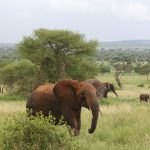
Elephants and Buffalo: Large herds of African elephants and Cape buffalo are found throughout the park, particularly in the woodier sections and near the permanent water sources.
Rhinos: The Black Rhino is a rare sight in the Serengeti due to historical poaching. However, a small population is protected in the Moru Kopjes area, though sightings are never guaranteed.
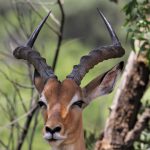
Beyond the Big Five, the park is a haven for biodiversity. You will find elegant giraffes, bat-eared foxes, jackals, hyenas, honey badgers, and various antelope species from the tiny dik-dik to the statuesque eland. For bird watchers, the Serengeti is a paradise, with over 500 species recorded, including the lilac-breasted roller, the Kori bustard (the world’s heaviest flying bird), and the majestic martial eagle.
Navigating the Regions: North, South, East, West, and Center
To plan your trip effectively, you must understand the park’s geography. The Serengeti is vast, and different regions offer different experiences.
Seronera (Central Serengeti): This is the heartbeat of the park. Most lodges are located here, and the density of wildlife is high year-round due to the permanent water sources in the Seronera River. It is the most accessible area and offers reliable game viewing even when the migration is far away. However, it is also the most crowded.
The Southern Plains (Ndutu): Best visited during the calving season (December to March), this area is vast and open, offering unobstructed views of the horizon. The landscape here is quintessential “Out of Africa” terrain.
The Western Corridor: Stretching to the shores of Lake Victoria, this area is hilly and wooded. It is the route for the migration between May and July. It is known for its picturesque landscapes and the exclusion of off-road driving, which helps preserve the environment.
The Northern Serengeti: This is the remote wilderness frontier. It is hilly and broken by riverine valleys. It is least visited during the off-season but becomes prime real estate during the river crossings (July to October). The accommodation here tends to be more exclusive and luxurious.
The Eastern Serengeti (Loliondo): This area borders the Ngorongoro Conservation Area and is a vast, open plain bordered by the Salei plains. It is a great place for off-the-beaten-path walking safaris and night game drives, often operated in concession areas outside the strict park boundaries.
The Landscape: Kopjes, Rivers, and Baobabs
The wildlife of the Serengeti is set against a dramatic geological landscape. The “Kopjes” (pronounced “copies”) are perhaps the most iconic feature. These are ancient granite outcrops, formed by the cooling of volcanic lava millions of years ago, standing sentinel on the savannah. They act as islands of refuge for animals in a sea of grass. Lions love them for their vantage points; leopards use them for stashing kills; and rock hyraxes populate the crevices.
The rivers, particularly the Grumeti and the Mara, are the lifelines of the park. They are fringed by fever trees and acacia forests, creating a different ecosystem within the park that attracts elephants and bushbucks. In the east, the massive Lobo Hills offer a rugged contrast to the flat plains.
What is the best time to visit Serengeti National Park?
The “best” time depends entirely on what you want to see.
June to October (Dry Season): This is the peak tourist season. The vegetation is thinner, making animals easier to spot. The weather is pleasant (warm days, cool nights), and the risk of malaria is lower. This is the best time for the river crossings in the north.
November to May (Wet Season): The landscape transforms into a lush, green paradise. This is the best time for bird watching and for seeing the calving in the south. While roads can be muddy and tricky, the dramatic skies and lack of crowds offer a more intimate experience. Prices are also generally lower during these months.
Getting There and Getting Around
Most international travelers fly into Kilimanjaro International Airport (JRO) near Arusha. From there, it is a scenic drive or a short charter flight to the park.
By Road: The drive from Arusha to the park takes roughly 6 to 8 hours. While long, it offers a chance to see the Tanzanian countryside and pass through the Ngorongoro Conservation Area, stopping for a view of the crater rim. 4×4 Land Cruisers are the standard vehicle.
By Air: Several airstrips serve the park (Seronera, Kogatende, Grumeti, Lobo). Charter flights are the fastest way to reach the remote corners of the park and offer stunning aerial views of the migration below.
Safari Activities: More Than Just Game Drives
While the morning and afternoon game drives are the staple of any Serengeti safari, the region offers diverse ways to experience the wilderness:
Hot Air Ballooning: This is a bucket-list experience. Departing at dawn, you drift silently over the plains as the sun rises, casting golden light over the waking herds. The perspective from above is unmatched. It typically concludes with a champagne breakfast in the bush.
Walking Safaris: While walking is restricted within the main national park boundaries for safety, many lodges operate in private concessions just outside the park borders where guided walks are permitted. Walking on the African soil, tracking animals and learning about the smaller flora and fauna, grounds you in a way that a vehicle cannot.
Cultural Tours: Visiting a local Maasai village provides a fascinating counterpoint to the wildlife safari. The Maasai have lived in harmony with these wild lands for centuries. Learning about their customs, dress, and way of life adds a rich cultural layer to the trip.
Accommodation: From Canvas to Castles
The Serengeti caters to every budget and style.
Public Campsites: For the adventurous, there are public campsites where you can pitch your own tent. Basic facilities (long-drop toilets and cold showers) are provided, but you must bring your own supplies. It is the most affordable way to see the park, though safety requires vigilance.
Tented Lodges: These offer the romance of camping without the hassle. Large canvas tents are erected on permanent platforms, often featuring en-suite bathrooms and proper beds. Many of these are unfenced, meaning animals may wander right through camp at night.
Luxury Lodges: The Serengeti is home to some of Africa’s most opulent lodges, featuring swimming pools, fine dining, and private butlers. Properties like the Four Seasons or Singita offer world-class service in the heart of the bush.
Mobile Camps: These are the ultimate migration trackers. These camps are semi-permanent tented structures that are physically dismantled and moved several times a year to follow the herds. They provide a front-row seat to the action.
The Magic of the Serengeti
Ultimately, the Serengeti is about the feeling it instills in you. It is the silence of the plains at dusk, broken only by the distant roar of a lion. The sight of a million wildebeest stretching to the horizon, a moving mass of life. It is the humbling realization that in this vast landscape, humans are merely observers.
Whether you sit around a campfire under the Milky Way, watch a cheetah hunt at full sprint, or simply listen to the wind whispering through the acacia trees, the Serengeti changes you. It is a complete ecosystem that has thrived for millennia, and to witness it is to connect with the primal essence of our planet. This guide is merely a map; the real journey begins when you step onto the endless plains.