10-Day Northern Tanzania Safari Itinerary: Serengeti, Ngorongoro and Tarangire
A 10-day Northern Tanzania safari itinerary offers an excellent opportunity to discover some of Africa’s most celebrated wildlife destinations at a comfortable pace. From the elephant-filled landscapes of Tarangire National Park to the endless plains of Serengeti National Park and the spectacular Ngorongoro Crater, this journey combines wildlife viewing, scenic drives and unforgettable encounters with nature.
This itinerary starts and ends in the Arusha area, with arrival and departure through Kilimanjaro International Airport. It includes time in Lake Manyara National Park, two distinct areas of the Serengeti and the Ngorongoro Conservation Area.
The route is suitable for couples, families with older children, photographers, first-time safari travellers and anyone looking for a comprehensive Northern Tanzania wildlife experience. It can be arranged with budget, mid-range or luxury accommodation, depending on your travel style.
Safari overview
- Duration: 10 days, 9 nights
- Starting point: Kilimanjaro International Airport or Arusha
- Ending point: Arusha or Kilimanjaro International Airport
- Main destinations: Tarangire, Lake Manyara, Serengeti and Ngorongoro Crater
- Main activities: Game drives, wildlife photography and scenic sightseeing
- Safari style: Private guided safari
- Accommodation options: Budget, mid-range or luxury lodges and tented camps
Day 1: Arrival at Kilimanjaro International Airport – Arusha
Your 10-day Northern Tanzania safari begins with arrival at Kilimanjaro International Airport. On arrival, your safari guide will welcome you and transfer you to your accommodation in Arusha.
Depending on your arrival time, you may have an opportunity to explore the town, relax at your lodge or enjoy views of the surrounding landscape. Arusha is an important gateway to Tanzania’s Northern Safari Circuit and a convenient place to prepare for the journey ahead.
Your guide can brief you about the itinerary, wildlife-viewing expectations, park regulations and the daily schedule.
Enjoy dinner and an overnight stay in Arusha.
Accommodation: Lodge or hotel in Arusha
Meals: Depending on arrival time and accommodation package
Activities: Airport transfer, safari briefing and relaxation
Day 2: Arusha – Tarangire National Park
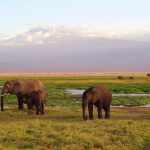
After breakfast, depart Arusha and drive to Tarangire National Park for your first full wildlife experience. The journey takes you through northern Tanzania’s countryside before reaching a park known for its baobab trees, varied habitats and impressive elephant populations.
On arrival, begin a game drive across the park’s woodland, grassland and riverine landscapes. The Tarangire River is particularly important during the dry season, when wildlife often gathers around remaining water sources.
Look out for elephants, giraffes, zebras, wildebeest, buffaloes, impalas and other antelopes. Lions and other predators also inhabit the park, although sightings depend on wildlife movements.
Enjoy a picnic lunch during the day’s exploration before continuing with your afternoon game drive.
As the day ends, leave the park for your lodge or tented camp in the Tarangire area.
Accommodation: Lodge or tented camp near Tarangire
Meals: Breakfast, lunch and dinner
Activities: Full-day game drive and wildlife photography
Day 3: Tarangire Area – Lake Manyara National Park – Karatu
After breakfast, travel towards Lake Manyara National Park, a scenic destination beneath the Great Rift Valley escarpment.
Lake Manyara offers a different experience from Tarangire. Its habitats include groundwater forest, open grassland, woodland and lake shore, supporting a variety of wildlife and bird species.
During your game drive, you may encounter elephants, giraffes, baboons, hippos and several antelope species. The park is also associated with tree-climbing lions, although they are not guaranteed to be seen.
Birdwatchers can look for waterbirds and forest species, with sightings depending on season and water conditions.
After your game drive, continue to Karatu, a highland town that provides a convenient base for exploring the Ngorongoro Conservation Area.
Enjoy dinner and overnight at your lodge.
Accommodation: Lodge in Karatu
Meals: Breakfast, lunch and dinner
Activities: Lake Manyara game drive, birdwatching and scenic transfer
Day 4: Ngorongoro Crater – A Full Wildlife Experience
Today, visit one of Tanzania’s most remarkable natural attractions: Ngorongoro Crater.
After an early breakfast, drive towards the crater and descend to its floor for a guided game drive. The crater’s grasslands, wetlands, woodland and lake habitats support a wide variety of wildlife within a dramatic volcanic landscape.
During your exploration, you may see zebras, wildebeest, buffaloes, elephants, hippos, lions and hyenas. The wider conservation area is also important for the endangered black rhinoceros, although sightings are never guaranteed.
Your guide will help you interpret animal behaviour, search for wildlife and identify the different habitats. Stop at a designated picnic area for lunch, subject to park regulations and the day’s arrangements.
In the afternoon, ascend from the crater and return to your lodge in Karatu or the Ngorongoro highlands.
Accommodation: Lodge in Karatu or the Ngorongoro highlands
Meals: Breakfast, lunch and dinner
Activities: Ngorongoro Crater game drive and wildlife photography
Day 5: Ngorongoro Highlands – Serengeti National Park
After breakfast, depart for Serengeti National Park. The journey passes through the Ngorongoro highlands before opening into the vast plains of the Serengeti ecosystem.
Depending on your route, schedule and current access arrangements, you may be able to stop at Olduvai Gorge or another designated viewpoint or cultural attraction. Any additional stop should be confirmed in advance because it affects the time available for wildlife viewing.
As you enter the Serengeti, your game drive begins. The park’s open grasslands and scattered acacia trees provide habitat for a wide range of wildlife, including wildebeest, zebras, giraffes, elephants and gazelles.
Your guide will search for predators such as lions, cheetahs and leopards while explaining the Serengeti’s seasonal wildlife movements.
Continue to your accommodation in the central Serengeti, an area that can offer rewarding game viewing throughout much of the year.
Accommodation: Lodge or tented camp in central Serengeti
Meals: Breakfast, lunch and dinner
Activities: Scenic drive, optional cultural or archaeological stop and en-route game drive
Day 6: Full-Day Game Drive in Central Serengeti
Spend a full day exploring central Serengeti, with time to search for wildlife without changing accommodation.
Start early, when temperatures are cooler and some animals are more active. Your guide will plan the day’s route according to recent sightings, road conditions and your wildlife interests.
The central Serengeti is known for its broad plains, rocky outcrops called kopjes and varied wildlife. Lions may be seen resting on rocks or moving through the grasslands, while cheetahs sometimes hunt in more open areas. Leopards are often associated with riverine vegetation, although they can be difficult to spot.
You may also encounter elephants, giraffes, hyenas, jackals and large herds of grazing animals.
Enjoy a picnic lunch in a designated area during your game drive or return to camp for lunch, depending on the arrangements.
Spend the late afternoon continuing your exploration before returning to camp for dinner.
Accommodation: Lodge or tented camp in central Serengeti
Meals: Breakfast, lunch and dinner
Activities: Full-day game drive and wildlife photography
Day 7: Central Serengeti – Northern Serengeti
After breakfast, travel towards northern Serengeti, enjoying wildlife viewing along the way. This part of the journey involves a substantial transfer, so the schedule should allow enough time to reach your camp comfortably.
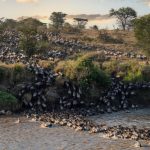
Northern Serengeti is especially well known for its seasonal wildebeest movements and the Mara River. During the migration season, large herds may gather in the region, creating opportunities to observe dramatic wildlife behaviour.
River crossings are unpredictable natural events. Herds may approach the river and retreat, cross at another location or remain away for extended periods. A safari in this area provides an opportunity to search for the migration, but a crossing cannot be guaranteed.
Wildlife in northern Serengeti is not limited to migrating herds. Depending on the area and season, visitors may encounter giraffes, elephants, zebras, antelopes and predators.
Arrive at your camp and enjoy dinner under the African sky.
Accommodation: Lodge or tented camp in northern Serengeti
Meals: Breakfast, lunch and dinner
Activities: Transfer with en-route game viewing
Day 8: Full-Day Safari in Northern Serengeti
Today is dedicated to exploring northern Serengeti. After an early breakfast, set out with your guide to search for wildlife and, if seasonal conditions are suitable, migrating wildebeest near the Mara River.
During the migration season, patience is important. The herds move according to grazing, rainfall and other natural conditions, so the day’s route may change in response to recent wildlife activity.
Away from the river, the northern Serengeti offers scenic hills, open plains and riverine habitats that support a variety of wildlife.
Your guide may focus on the herds, search for resident predators or explore different habitats depending on sightings and your interests.
Enjoy a picnic lunch during the game drive and continue exploring into the afternoon.
Return to camp for dinner and overnight.
Accommodation: Lodge or tented camp in northern Serengeti
Meals: Breakfast, lunch and dinner
Activities: Full-day game drive and seasonal migration viewing
Day 9: Another Day Exploring Northern Serengeti
Enjoy another day in northern Serengeti, allowing additional time to explore the region and follow current wildlife activity.
A second full day increases your opportunities to search for the migration and observe wildlife at a more relaxed pace. If the herds are in the area, your guide can help you look for their movements near suitable river viewpoints. If they have moved elsewhere, you can focus on resident wildlife and the region’s landscapes.
Northern Serengeti is also an excellent setting for wildlife photography, with opportunities to capture animals against open plains, rocky terrain and changing light.
Depending on your interests, the day can include a sunrise game drive, a longer exploration with a picnic lunch and an afternoon return to camp.
Spend your final safari evening enjoying dinner and reflecting on your Northern Tanzania experience.
Accommodation: Lodge or tented camp in northern Serengeti
Meals: Breakfast, lunch and dinner
Activities: Full-day game drive, wildlife photography and seasonal migration tracking
Day 10: Northern Serengeti – Flight to Arusha or Kilimanjaro International Airport
Enjoy breakfast at camp before transferring to the appropriate airstrip for your scheduled domestic flight.
A fly-out from northern Serengeti can save considerable road travel and is a convenient way to conclude the safari. Flight availability, departure times, baggage restrictions and connections must be confirmed when booking.
Depending on your flight schedule, you may connect through another airstrip or airport before continuing to Arusha or Kilimanjaro International Airport for your onward journey.
If you prefer to finish by road, an alternative transfer can be arranged, but it involves a much longer journey and may require changes to the schedule.
Your 10-day Northern Tanzania safari ends with memories of the region’s landscapes, wildlife and remarkable protected areas.
Accommodation: None included after departure unless requested
Meals: Breakfast, depending on flight schedule
Activities: Final transfer and scheduled flight or road departure
What Is Included in a 10-Day Northern Tanzania Safari?
The inclusions depend on the operator, accommodation category and final quotation. A private safari package may include:
- Airport transfers at the beginning and end of the trip.
- Private 4×4 safari vehicle with a professional driver-guide.
- Nine nights of accommodation.
- Meals as specified in the itinerary.
- Park and conservation fees listed in the final quotation.
- Game drives in the national parks.
- Domestic flight from northern Serengeti, if selected and quoted.
- Drinking water during safari activities, where specified.
What Is Usually Excluded?
Unless agreed in writing, the following may be charged separately:
- International flights to and from Tanzania.
- Visa fees and travel insurance.
- Tips and personal expenses.
- Alcoholic drinks and beverages not included in the meal plan.
- Optional activities and additional cultural visits.
- Additional accommodation before or after the safari.
- Domestic flights not listed in the confirmed package.
Always review the written quotation to confirm which costs are included.
Best Time for a 10-Day Northern Tanzania Safari
Northern Tanzania is a year-round safari destination, but the best travel period depends on your interests.
June to October: This is a popular dry-season period for general wildlife viewing. Northern Serengeti can offer opportunities to look for the migration near the Mara River, depending on the herds’ movements.
January to March: The southern Serengeti and Ndutu area are important during the wildebeest calving season. For travellers visiting at this time, it is usually better to replace northern Serengeti nights with accommodation in the south.
April to May: The long rains bring greener landscapes and can offer good photographic conditions. Rain may affect road conditions, and some camps may operate seasonally.
November to December: The short rains often accompany the herds’ movement towards the southern plains. Central or southern Serengeti may be more suitable than northern Serengeti, depending on current conditions.
For a migration-focused safari, choose the route according to your travel month rather than expecting the herds to be in one location throughout the year.
Where to Stay During Your Northern Tanzania Safari
Accommodation can be arranged according to your budget and preferred level of comfort.
Budget safari: Basic lodges, guesthouses and campsites can help manage costs, subject to availability and the route.
Mid-range safari: Comfortable lodges and tented camps offer a balance of facilities, location and price.
Luxury safari: Premium lodges and tented camps may provide spacious accommodation, personalised service and excellent access to selected wildlife areas.
For the Serengeti, location is particularly important. A camp close to the wildlife area you want to explore can reduce transfer time and provide more time for game drives. Seasonal camps may be appropriate for migration viewing, while permanent camps can suit general wildlife safaris.
How Much Does a 10-Day Northern Tanzania Safari Cost?
The price depends on the season, number of travellers, accommodation standard, vehicle arrangements, park fees and whether domestic flights are included.
A private safari generally costs more per person for a solo traveller than for two or more people sharing a vehicle. Luxury accommodation and peak migration periods can also increase the total cost.
For an accurate quotation, provide your intended travel dates, number of travellers, preferred accommodation level and whether you want to include domestic flights.
Frequently Asked Questions
Is 10 days enough for a Northern Tanzania safari?
Yes. Ten days allows you to explore Tarangire, Lake Manyara, Ngorongoro Crater and the Serengeti while spending several nights in the Serengeti. The route can be adjusted to suit seasonal wildlife movements.
Where does the 10-day Northern Tanzania safari start and end?
This itinerary starts at Kilimanjaro International Airport or in Arusha and ends at Arusha or Kilimanjaro International Airport. A domestic flight from the Serengeti can make the return journey more convenient.
Can I see the Big Five in Northern Tanzania?
Northern Tanzania is home to lion, leopard, elephant, buffalo and rhinoceros. Ngorongoro and the Serengeti offer opportunities to search for these animals, but seeing all five is never guaranteed.
Does this itinerary guarantee a wildebeest river crossing?
No. River crossings depend on natural conditions and the movements of the herds. Spending several nights in northern Serengeti during the appropriate season may improve your opportunities, but no operator can guarantee a crossing.
Can the itinerary be changed for the calving season?
Yes. During the calving season, the route can be adjusted to spend more time in the southern Serengeti and Ndutu area rather than northern Serengeti.
Is the safari available for budget, mid-range and luxury travellers?
Yes. The route can be adapted to different accommodation categories, although seasonal availability and park-related costs influence the final price.
Book Your 10-Day Northern Tanzania Safari
Discover Tanzania’s iconic wildlife destinations on a private journey through Tarangire, Lake Manyara, Ngorongoro Crater and Serengeti National Park.
Whether your priority is the Great Wildebeest Migration, Big Five wildlife viewing, photography or a comfortable safari across northern Tanzania, the itinerary can be tailored to your travel dates, accommodation preferences and budget.
Contact Epic Uganda Vacation to discuss your travel plans and receive a personalised safari quotation.