Burundi Travel Guide: Best Places to Visit, National Parks, Culture and Things to Do
Burundi, often described as the Heart of Africa, is one of East Africa’s most fascinating yet relatively undiscovered travel destinations. Located in the Great Lakes region, this small landlocked country is blessed with rolling green hills, tropical rainforests, beautiful lakeshores, diverse wildlife and a rich cultural heritage.
Although Burundi receives fewer international visitors than neighbouring Rwanda, Uganda and Tanzania, it offers remarkable opportunities for travellers seeking authentic African experiences away from conventional tourist routes. From exploring the shores of Lake Tanganyika and discovering the source of the Nile to tracking chimpanzees in Kibira National Park and watching traditional drummers perform at Gishora, Burundi has plenty to offer.
For travellers exploring East Africa, Burundi can also be incorporated into a wider regional itinerary combining Rwanda, Uganda and Tanzania.
This comprehensive Burundi travel guide explores the country’s geographical location, climate, attractions, national parks, cultural experiences, transportation and practical travel information to help you plan your visit.
Where Is Burundi Located?
Burundi is a landlocked country in East-Central Africa, situated within the African Great Lakes region. It lies south of the Equator and occupies a strategic geographical position between East and Central Africa.
The country shares international borders with three neighbouring nations:
-
Rwanda to the north: Burundi shares historical, geographical and cultural connections with Rwanda.
-
Tanzania to the east and south: Tanzania provides an important regional connection for travellers exploring East Africa.
-
Democratic Republic of Congo to the west: Much of Burundi’s western boundary follows Lake Tanganyika and the Ruzizi River.
Burundi is relatively small, covering approximately 27,834 square kilometres. Despite its size, the country features diverse landscapes, including highland plateaus, mountainous terrain, tropical forests, river valleys and lakeshore environments.
Its geographical position makes it an interesting destination for travellers interested in exploring the Great Lakes region and discovering lesser-visited African destinations.
Understanding Burundi’s Geography and Climate
Burundi is characterised by rolling hills, elevated plateaus and dramatic valleys. Its average elevation is approximately 1,700 metres above sea level, contributing to generally moderate temperatures across much of the country.
The western part of Burundi features the steep slopes of the Congo-Nile Divide, which descend towards the Lake Tanganyika basin. This creates striking geographical contrasts between the elevated interior and the warmer lakeshore.
Burundi’s climate is tropical but significantly influenced by altitude.
The country generally experiences two rainy periods and two relatively dry periods:
-
December to February: Generally a relatively dry period.
-
March to May: Main rainy season.
-
June to August: Generally the longer dry season.
-
September to November: A transitional period with rainfall increasing in many areas.
Weather conditions vary according to location and elevation. The mountainous areas are generally cooler, while the Lake Tanganyika shoreline experiences warmer and more humid conditions.
For travellers planning hiking, wildlife viewing and cultural excursions, June to September is generally a favourable period for outdoor activities.
The Two Capitals of Burundi: Bujumbura and Gitega
Burundi has two important administrative and economic centres: Bujumbura and Gitega.
Bujumbura: The Economic Capital
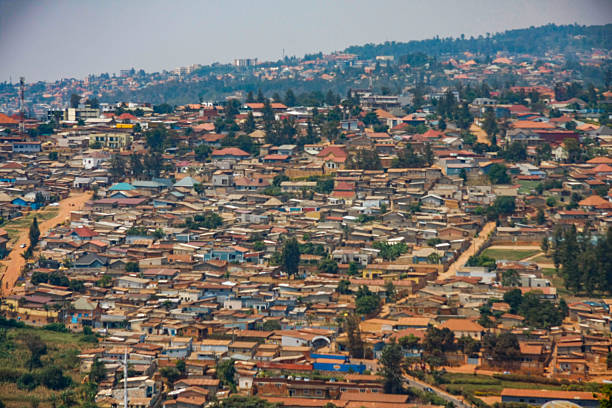
Bujumbura is Burundi’s largest city and economic capital. Located along the northeastern shores of Lake Tanganyika, it is an important commercial centre and a major entry point for international visitors.
The city combines urban attractions with beautiful lakeside scenery. Travellers can explore local markets, restaurants, historical sites and beaches while enjoying views of the surrounding mountains.
Popular experiences in Bujumbura include:
-
Relaxing along Lake Tanganyika.
-
Visiting Rusizi National Park.
-
Exploring local markets and cultural attractions.
-
Enjoying traditional Burundian cuisine.
-
Experiencing the city’s lakeside nightlife.
Gitega: The Political Capital
Gitega became Burundi’s political capital in 2019, replacing Bujumbura in that administrative role.
Located in the central highlands, Gitega is an important cultural and historical destination. It is home to the National Museum of Gitega and provides access to the famous Gishora Drum Sanctuary.
The city offers an opportunity to discover Burundi’s traditional heritage, historical institutions and rural landscapes.
How to Get to Burundi
Burundi is accessible through regional flights and land-border crossings from neighbouring East African countries.
By Air
The main international gateway is Melchior Ndadaye International Airport, located near Bujumbura.
Travellers can explore available connections through regional aviation hubs such as Nairobi, Addis Ababa and other destinations, depending on airline schedules.
Visitors travelling from Europe, North America and other continents may need to connect through a major African or international hub.
By Road
Burundi can also be reached through neighbouring countries.
-
From Rwanda, travellers can use designated international border crossings in the northern part of Burundi.
-
From Tanzania, several border routes connect the two countries.
-
From DR Congo, cross-border movement is possible through designated crossing points, subject to current security and immigration arrangements.
Travellers should confirm visa requirements, border operations and transport availability before departure.
Visa and Health Requirements
Visa regulations depend on nationality and may change. Visitors should check the latest requirements with Burundi’s immigration authorities or the relevant diplomatic mission before travelling.
A Yellow Fever vaccination certificate may be required depending on the traveller’s country of origin and recent travel history. Malaria prevention is also important because malaria occurs in Burundi.
Consult a qualified travel-health professional before departure.
Top Attractions: Best Places to Visit in Burundi
Despite its relatively small geographical size, Burundi has an interesting selection of natural, cultural and historical attractions.
The following destinations are particularly worth considering when planning a Burundi holiday.
1. Source of the Nile
The Source of the Nile in Burundi is one of the country’s interesting geographical attractions.
Located near Rutovu in Bururi Province, the site is traditionally identified as one of the southernmost source points of the Nile River system. A pyramid monument marks the location, making it an interesting stop for travellers interested in African geography and exploration history.
The Nile River travels northwards through several countries before eventually reaching the Mediterranean Sea.
Visitors can:
-
Visit the source monument.
-
Learn about the geographical origins of the Nile.
-
Explore the surrounding highland countryside.
-
Take photographs of the landscape.
-
Combine the excursion with other attractions in southern Burundi.
2. Rusizi National Park
Rusizi National Park is one of Burundi’s most accessible wildlife destinations, situated close to Bujumbura.
The park protects wetlands, riverine vegetation and habitats surrounding the Rusizi River, where it flows towards Lake Tanganyika.
It is particularly famous for its hippopotamus populations and crocodiles. Visitors may also encounter several antelope species and diverse birdlife.
One of the highlights is a guided boat excursion along the Rusizi River, offering opportunities to observe hippos and crocodiles in their natural habitats.
Other activities include:
-
Birdwatching and wildlife photography.
-
Guided nature excursions.
-
Exploring the riverine ecosystem.
-
Observing hippos and other wildlife.
-
Discovering the wetlands surrounding the river.
Read more in our dedicated guide to Rusizi National Park.
3. Kibira National Park
Kibira National Park is one of Burundi’s most important tropical rainforest conservation areas.
Located in the northwestern highlands, the park protects montane forest ecosystems that form part of the wider Congo-Nile Divide. Its forest landscape is ecologically connected to the Nyungwe region of Rwanda.
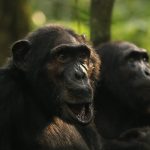
Kibira is known for its primates, including chimpanzees and several monkey species. The forest also supports numerous bird species and other wildlife.
Visitors interested in nature and primate conservation can explore the forest through authorised guided activities, subject to park access and current arrangements.
Activities may include:
-
Guided forest walks.
-
Chimpanzee tracking where available.
-
Birdwatching.
-
Primate observation.
-
Learning about rainforest conservation.
Read our detailed article about Kibira National Park.
4. Gishora Drum Sanctuary
Gishora Drum Sanctuary is one of Burundi’s most important cultural attractions.
Traditional Burundian drumming, known as Ingoma, is deeply connected to the country’s history, identity and cultural traditions.
The sanctuary is located near Gitega and preserves the heritage of royal drumming, which historically formed an important part of royal ceremonies and national celebrations.
A traditional performance features skilled drummers playing large ceremonial drums while performing coordinated movements and energetic dances.
Visitors can learn about:
-
The historical importance of royal drumming.
-
Traditional drum-making techniques.
-
The cultural significance of Ingoma.
-
The role of drumming in Burundian identity.
-
Traditional dance and musical performances.
Gishora is an excellent destination for travellers interested in African cultural heritage and traditional performing arts.
5. Lake Tanganyika and Its Beaches
Lake Tanganyika is one of Africa’s most remarkable natural attractions and a major geographical feature of western Burundi.
It is the world’s second-deepest freshwater lake and the second-largest freshwater lake by volume. Its extensive shoreline, warm waters and surrounding mountain scenery make it a rewarding destination for relaxation and outdoor recreation.
Near Bujumbura, visitors can explore several lakeside beaches, including Saga Beach.
Popular activities include:
-
Swimming at designated safe beaches.
-
Kayaking and boating.
-
Relaxing along the lakeshore.
-
Enjoying fresh fish dishes.
-
Photography and sunset viewing.
Lake Tanganyika is also internationally recognised for its exceptional freshwater biodiversity, particularly its diverse cichlid fish species.
Burundian Culture, Traditions and Way of Life
Burundi has a rich cultural heritage shaped by centuries of traditional customs, music, agriculture and community life.
The country’s cultural identity is strongly associated with traditional drumming, dance, storytelling and hospitality.
Kirundi is the principal national language, while French and English are also used in official and educational settings. Swahili is particularly common in commercial areas and around Lake Tanganyika.
Visitors can experience Burundian culture through:
-
Traditional music and dance performances.
-
Local food markets.
-
Rural community visits.
-
Traditional crafts.
-
Cultural festivals and ceremonies.
One of the most memorable cultural experiences is tasting locally prepared food and learning about the agricultural traditions that influence everyday life.
Traditional Burundian Food to Try
Food is an important part of Burundian hospitality. Traditional dishes often include beans, cassava, sweet potatoes, bananas, vegetables and freshwater fish.
Some foods worth trying include:
-
Mukeke: A popular freshwater fish from Lake Tanganyika, often grilled or prepared with local sauces.
-
Isombe: Cassava leaves cooked with groundnuts and other ingredients.
-
Ubugari: A firm staple food prepared using cassava flour.
-
Beans: An important source of protein and a common component of everyday meals.
-
Bananas: Used in several traditional dishes and beverages.
Exploring local cuisine provides another way to understand Burundi’s cultural identity and agricultural heritage.
Getting Around Burundi
Travelling around Burundi can be rewarding, particularly for visitors interested in exploring rural landscapes and less-visited attractions.
However, the country’s mountainous terrain means that journey times can be longer than distances on a map might suggest.
Private 4×4 transport: Hiring a private vehicle with a driver is a convenient option for visitors planning multi-day tours and excursions.
Public transport: Minibuses and shared taxis operate along many major routes. They are generally more affordable but may be crowded.
Boat transport: Lake Tanganyika has historically supported passenger and commercial transport between lakeside communities. Confirm current passenger services and schedules before relying on water transport.
For visitors planning to explore several national parks and cultural destinations, arranging transportation in advance is recommended.
Practical Travel Tips for Visiting Burundi
Before travelling to Burundi, consider the following:
Currency: The local currency is the Burundian franc (BIF). Carry local cash for everyday purchases, especially outside major hotels and commercial centres.
Language: Learning a few Kirundi or French phrases can make interactions with local communities easier.
Food and water: Drink properly treated or bottled water and choose hygienically prepared meals.
Health: Seek professional medical advice about malaria prevention, vaccinations and other travel-health precautions.
Safety: Consult your government’s latest travel advisory before departure. Avoid political gatherings and follow local security guidance.
Photography: Ask permission before photographing individuals, private property or sensitive government and security installations.
Why Visit Burundi?
Burundi is an appealing destination for travellers who want to explore a less-visited part of East Africa.
Its appeal lies in the combination of natural landscapes, freshwater ecosystems, primate habitats and distinctive cultural traditions.
Unlike more established safari destinations, Burundi offers opportunities to discover places that receive relatively limited international tourism.
The country’s most interesting experiences include exploring Rusizi National Park, visiting Kibira’s tropical rainforest, discovering the source of the Nile, relaxing along Lake Tanganyika and experiencing the traditional drumming heritage at Gishora.
Burundi can also complement a wider East African holiday, particularly for travellers combining Rwanda, Uganda and Tanzania.
Frequently Asked Questions About Visiting Burundi
1. Where is Burundi located in Africa?
Burundi is a landlocked country in East-Central Africa, bordered by Rwanda, Tanzania and the Democratic Republic of Congo. It lies within the African Great Lakes region.
2. What is the best time to visit Burundi?
June to September is generally a favourable period for outdoor activities because it coincides with the longer dry season. December to February is another relatively dry period.
3. What is Burundi famous for?
Burundi is famous for its traditional royal drumming, Lake Tanganyika, rolling green hills, the source of the Nile and its natural attractions, including Kibira and Rusizi national parks.
4. What is the capital city of Burundi?
Gitega is Burundi’s political capital, while Bujumbura remains its largest city and economic capital.
5. Can you see chimpanzees in Burundi?
Yes. Kibira National Park is known for its chimpanzee population. However, tracking opportunities depend on current park operations, habituation arrangements and visitor access.
6. Is Burundi suitable for a wildlife safari?
Yes. Visitors can explore Rusizi National Park and Kibira National Park for wildlife and nature experiences. Burundi’s safari infrastructure is less developed than that of Uganda, Rwanda and Tanzania, so itineraries should be arranged carefully.
7. Can Burundi be combined with a Uganda or Rwanda safari?
Yes. Burundi can be incorporated into a wider regional itinerary combining East African destinations. Travel arrangements should account for international border requirements, flight schedules and current security conditions.
Conclusion: Discover Burundi with Epic Uganda Vacation
Burundi is a fascinating destination offering a combination of natural beauty, cultural heritage and authentic African experiences. From the tropical forests of Kibira National Park to the wildlife-rich wetlands of Rusizi National Park, the country offers rewarding opportunities for nature lovers and cultural explorers.
Its position along Lake Tanganyika, beautiful highland landscapes and distinctive traditional drumming make it an interesting addition to an East African holiday.
At Epic Uganda Vacation, we recognise the appeal of exploring beyond conventional safari destinations. Whether you are interested in a Burundi cultural holiday, a regional wildlife adventure or a multi-country East African safari, we can help you explore suitable travel possibilities.
Discover our Uganda safari experiences and Rwanda primate tours, or contact our team to discuss your East African travel plans.