Kibira National Park, Burundi: Rainforest, Chimpanzees and Birdwatching

Introduction: Discover Burundi’s Montane Rainforest
Hidden among the highlands of northwestern Burundi, Kibira National Park protects one of the country’s most important natural landscapes. This expansive montane rainforest stretches across the Congo-Nile Divide, where mist-covered hills, forested slopes and flowing streams create a distinctive environment for wildlife and nature lovers.
Covering approximately 400 square kilometres, Kibira is among Burundi’s largest protected areas. Its dense vegetation, varied elevations and rich biodiversity make it an important refuge for primates, forest birds and other wildlife. The park also plays a crucial role in protecting water sources that supply communities and support ecosystems across the country.
Unlike the open savannahs associated with many African safaris, Kibira offers a different kind of wilderness experience. Here, the adventure centres on walking through the forest, listening for bird calls, observing primates and exploring the natural heritage of a lesser-known East African destination.
For travellers interested in rainforest ecology, birdwatching and responsible nature tourism, Kibira National Park is a remarkable place to learn more about Burundi’s natural environment.
Where Is Kibira National Park Located?
Kibira National Park lies in northwestern Burundi, along the mountainous Congo-Nile Divide. The park occupies high ground between different drainage systems, making it an important watershed for the region.
According to Burundi’s official tourism information, the park ranges from approximately 1,500 to 2,660 metres above sea level. This variation in elevation contributes to its cool, humid conditions and supports the development of montane rainforest.
The landscape features steep forested hills, narrow valleys, streams and sections of highland vegetation. Visitors travelling through the surrounding countryside may also encounter the tea plantations of Teza and Rwegura, which form part of the wider landscape around the forest.
Kibira’s position also makes it ecologically significant beyond Burundi’s borders. It forms part of the wider forest landscape of the Albertine Rift, a region known for its distinctive habitats and important wildlife populations.
Why Visit Kibira National Park?
Kibira appeals to travellers seeking nature experiences away from conventional game-drive destinations. Rather than concentrating on large mammals in open grasslands, a visit is about discovering the details of a living rainforest.
The park’s main attractions include:
- Chimpanzees and other primates: Kibira provides habitat for chimpanzees, black-and-white colobus monkeys and other primates.
- Forest birdwatching: The forest supports a diverse bird community, including species associated with the Albertine Rift.
- Guided nature walks: Explore forest trails with local guides and park personnel where access is permitted.
- Montane rainforest scenery: Experience misty hills, dense vegetation and cool highland conditions.
- Tea-growing landscapes: The surrounding Teza and Rwegura areas add cultural and agricultural interest to the journey.
- Conservation and local heritage: Learn about the forest’s ecological importance and its place in Burundi’s history.
Access to specific activities and sections of the park can change, so travellers should confirm current arrangements with the relevant authorities before planning a visit.
The Montane Rainforest of Kibira
One of Kibira National Park’s defining features is its extensive montane rainforest. Dense tree cover creates a shaded environment where mosses, climbing plants, ferns and other vegetation thrive in the humid conditions.
The forest canopy supports a complex ecosystem. Trees provide shelter and feeding areas for birds and primates, while fallen leaves and decaying plant material help maintain the forest floor. Streams and wet areas contribute to the wider ecological balance, supporting the natural water cycle.
As elevation changes, the appearance of the vegetation can also vary. Different sections of the forest provide habitats for different plants and animals, making Kibira an interesting destination for nature enthusiasts and researchers.
For visitors, the forest’s appeal is often found in small details: sunlight filtering through the canopy, the sound of water moving through vegetation, the movement of monkeys among branches and the calls of birds hidden from view.
A guided walk can provide a better understanding of these interconnected features and the role the forest plays in protecting Burundi’s natural resources.
Chimpanzees and Other Primates in Kibira National Park
Kibira is known for its primate diversity, including chimpanzees, which are among Africa’s most fascinating forest mammals. The park also provides habitat for black-and-white colobus monkeys and other monkey species.
Chimpanzees in Burundi
Chimpanzees live in social communities and spend much of their time moving through forest habitats in search of food. Their behaviour, vocalisations and interactions offer a glimpse into the complexity of wild primates.
Observing chimpanzees in a forest environment requires patience. Dense vegetation can make them difficult to locate, and sightings depend on their movements, the conditions on the day and the availability of authorised tracking activities.
Travellers interested in chimpanzee trekking in Burundi should confirm whether tracking is currently operating in Kibira, what permits or permissions are required, and whether trained guides are available. Do not assume that chimpanzee sightings or habituated tracking experiences are guaranteed.
Black-and-White Colobus Monkeys
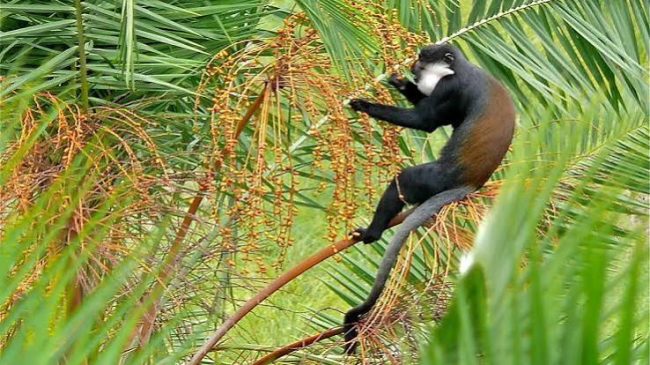
Black-and-white colobus monkeys are among the striking primates associated with Kibira’s forest habitats. Their contrasting coats and long white tails make them distinctive when they are visible in the canopy.
They are adapted to life among trees, moving between branches as they feed and travel through the forest. Their presence highlights the importance of protecting continuous forest habitat for arboreal wildlife.
Other Forest Wildlife
Kibira is also home to other primates and mammals, including species of monkeys and baboons. The forest’s dense vegetation means that many animals are more often heard or detected through signs than seen clearly.
For this reason, a visit is best approached as a nature experience rather than a traditional Big Five safari. The reward lies in learning about the ecosystem and appreciating the wildlife that lives within it.
Birdwatching in Kibira National Park
For bird enthusiasts, Kibira National Park is one of Burundi’s important forest birdwatching destinations. Its location within the Albertine Rift gives it particular significance for people interested in African forest birds and the region’s distinctive biodiversity.
Burundi’s official tourism information reports approximately 200 bird species in the park. The variety of forest habitats offers opportunities to look for birds occupying different levels of the vegetation, from the canopy to the understory and forest edges.
Potential birding interests include turacos, sunbirds, forest-dwelling warblers and other species associated with montane forest environments. The exact species encountered will depend on the area visited, season, weather and the skill of the local guide.
What Makes Birdwatching Here Special?
Forest birdwatching often involves listening carefully before attempting to see a bird. Calls can reveal activity in the canopy, while movement among leaves may offer a brief view of a colourful or elusive species.
A guided birding walk can help visitors identify vocalisations, understand feeding behaviour and learn why intact forest is essential for bird populations. Birdwatchers should bring binoculars, wear comfortable walking shoes and allow sufficient time for quiet observation.
If you are planning a dedicated birdwatching trip, confirm the availability of an experienced bird guide and discuss target species before travelling. This is especially important for visitors hoping to see particular Albertine Rift birds.
Guided Nature Walks and Forest Exploration
Walking is one of the most rewarding ways to experience Kibira’s landscape when authorised trails and guided visits are available.
A forest walk introduces visitors to the sounds, textures and changing conditions of the montane rainforest. The route may pass through shaded vegetation, open patches, streams or viewpoints, depending on the approved trail and the conditions at the time.
Guides can explain the relationship between vegetation, wildlife and water conservation, helping visitors understand why the forest is important beyond its scenic value.
The terrain can be steep, damp and slippery, particularly after rainfall. Travellers should wear sturdy footwear, carry drinking water and follow instructions from their guide or park ranger. It is also wise to bring a light waterproof jacket because highland weather can change quickly.
Trail lengths, walking times and access arrangements should be confirmed locally rather than assumed in advance.
The Congo-Nile Divide and Kibira’s Water Sources
Kibira’s importance extends far beyond tourism. The park lies along the Congo-Nile watershed, a geographical divide that separates drainage systems flowing towards the Congo Basin from those associated with the Nile Basin.
Its forests help regulate water movement by intercepting rainfall, supporting infiltration and reducing soil erosion. Numerous streams and rivers originate in the park, making forest protection important for surrounding communities and downstream environments.
This relationship between forest cover and water resources is one reason Kibira has substantial conservation value. Damage to vegetation can affect soil stability, water quality and the natural flow of streams.
For visitors, understanding this role adds another dimension to the experience. Kibira is not simply a place to see wildlife; it is part of the natural infrastructure that supports life and livelihoods across Burundi.
The Cultural and Historical Significance of Kibira
Kibira also has a place in Burundi’s cultural history. Burundi’s official tourism information notes that the forest was once reserved for royal hunting. This connection reflects the longstanding relationship between the forest, traditional authority and the surrounding communities.
The wider landscape has experienced significant social and political change over time. Today, conservation efforts must balance the protection of wildlife and forest habitats with the needs and interests of people living nearby.
Responsible tourism can contribute to this relationship when visits are organised through authorised channels and local guides and communities benefit appropriately.
Travellers should approach local traditions respectfully and rely on knowledgeable guides for cultural interpretation. Specific sacred sites, ceremonies or historical stories should not be presented as visitor attractions without reliable local confirmation.
Best Time to Visit Kibira National Park
Kibira has a humid montane rainforest climate, so rain and damp conditions are important considerations throughout the year. The most suitable time for a visit depends on the activities planned, the condition of the trails and current access arrangements.
During relatively drier periods, walking may be more manageable, although showers can still occur. Wetter conditions can make trails muddy and increase the difficulty of hiking through steep forest terrain.
For birdwatchers and wildlife enthusiasts, seasonal changes can influence bird activity, visibility and the experience of walking through the forest. There is no guarantee that a particular species will be seen on a specific date.
Before confirming travel, check the weather forecast, trail conditions and current park access information. Security conditions must also be reviewed independently of the season.
How to Plan a Visit to Kibira National Park
Planning is especially important for a destination where access and visitor services may be more limited than in better-established safari parks.
Before travelling, confirm the following:
- Whether the intended area of Kibira is open to visitors.
- Whether guided walks or primate-related activities are operating.
- Which entrance or access point is currently authorised.
- Whether permits, advance arrangements or special permissions are required.
- The availability of guides, transport and suitable accommodation.
- Current road conditions and security advice for the proposed route.
Burundi’s official tourism information identifies Busekera and the Rwegura hydroelectric dam area among the park’s access points. However, access information should be reconfirmed before departure because operational conditions can change.
Do not rely on old travel reports or assume that accommodation, camping facilities or specific attractions are currently available. Arrange overnight stays and transport only after confirming the practical details with reliable local contacts.
Responsible Tourism and Conservation
Kibira’s long-term future depends on protecting its forest habitats while recognising the needs of surrounding communities. Responsible tourism can support conservation awareness and create opportunities for local livelihoods when it is managed carefully.
Visitors can contribute by following the instructions of guides and park authorities, avoiding litter, keeping a respectful distance from wildlife and staying on authorised routes.
Wildlife should never be fed or approached for photographs. Visitors should also avoid disturbing birds and primates through loud noises, playback calls or attempts to attract animals.
Choosing authorised operators and local guides helps ensure that a visit follows current rules and respects the people and ecosystems associated with the park.
Is Kibira National Park Worth Visiting?
For travellers interested in forest biodiversity, birdwatching, primates and lesser-known African landscapes, Kibira National Park offers a distinctive perspective on Burundi.
Its montane rainforest, highland scenery and position along the Congo-Nile Divide make it important both ecologically and geographically. The park also offers a different kind of nature experience from the open savannah environments found elsewhere in East Africa.
However, Kibira should not be treated as a destination that can automatically be added to a conventional safari itinerary. Current security advice, park access, available activities and local operating conditions must be checked carefully before travel is considered.
When conditions permit and access is officially confirmed, Kibira has the potential to offer a memorable experience for travellers who value forest exploration and conservation.

Explore Burundi with EPIC UGANDA VACATION
Burundi’s natural landscapes offer opportunities for travellers interested in biodiversity, culture and authentic experiences across the Great Lakes region. Planning a visit requires careful attention to local conditions, authorised access and responsible tourism practices.
EPIC UGANDA VACATION specialises in tailor-made East African travel experiences, helping travellers explore destinations through thoughtful itinerary planning and local knowledge.
If you are considering a Burundi nature itinerary, contact our team to discuss your interests, travel dates and the destinations that can be visited safely and responsibly. Any proposed visit to Kibira National Park must be subject to current official security advice and confirmation of authorised access.
Discover East Africa through meaningful journeys shaped around nature, culture and conservation.
Journeys Beyond Mapping.