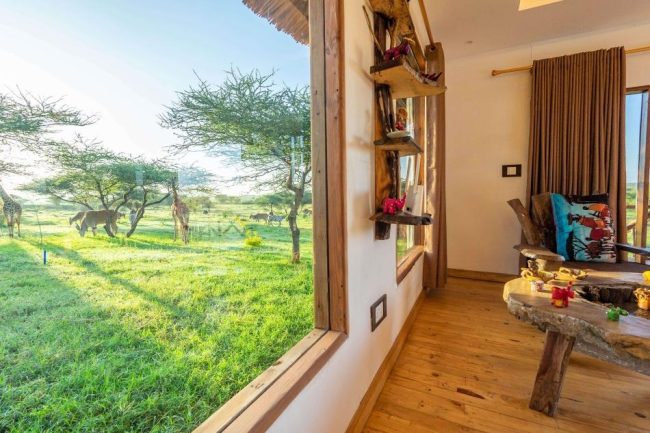
Serval Wildlife Tanzania: A Complete Guide for Visitors
Serval Wildlife Tanzania is a wildlife-focused accommodation and visitor attraction in northern Tanzania, offering guests an experience that differs from the traditional game drives found in national parks. It is known for its lodge setting and opportunities to see certain wild animal species at close range.
For travellers exploring Arusha, Mount Kilimanjaro and Tanzania’s famous northern safari circuit, Serval Wildlife may be an additional stop to consider when planning a holiday. However, visitors should understand how the experience differs from observing animals in their natural habitats and review the property’s animal-welfare practices before booking.
This guide explains where Serval Wildlife is located, what visitors may experience, accommodation considerations, how to get there and how to combine a visit with a wider Tanzania safari.
Where Is Serval Wildlife Located?
Serval Wildlife is located in the Engare Nairobi area of northern Tanzania, within reach of the wider Arusha and Kilimanjaro travel region. It can be considered by travellers arriving through Kilimanjaro International Airport or staying in Arusha or Moshi, although actual transfer times depend on the starting point, road conditions and traffic.
The location makes it a possible addition to a northern Tanzania itinerary, especially for travellers who want to explore more than the conventional national-park safari.
Nearby destinations and travel experiences to consider include:
- Arusha: A major gateway for northern Tanzania safaris, with markets, restaurants, cultural attractions and tour operators.
- Mount Kilimanjaro: Africa’s highest mountain and a major destination for trekking and mountain scenery.
- Arusha National Park: Known for forest habitats, Mount Meru views, varied landscapes and wildlife experiences.
- Tarangire National Park: Famous for elephants, baobab trees and seasonal concentrations of wildlife.
- Serengeti National Park: A renowned destination for big-cat sightings, large herds and the annual wildebeest migration.
- Ngorongoro Conservation Area: Home to the Ngorongoro Crater, celebrated for its dramatic scenery and wildlife viewing.
Distances and travel times should be confirmed for your actual route before making reservations.
What Is Serval Wildlife Tanzania Known For?
Serval Wildlife is known for offering close-up encounters with selected animals in a managed setting, alongside accommodation and hospitality services. Visitors may see species such as giraffes, zebras and other animals, depending on the animals present and the experience available on the day.
The main difference between Serval Wildlife and a national park is the nature of the visit. In a national park, guests normally observe free-ranging wildlife from a safari vehicle or, where permitted, on an authorised guided activity. At a managed wildlife property, encounters may take place at closer range and under staff supervision.
These are different types of tourism experiences, and travellers should choose according to their interests and expectations.
Wildlife You May See at Serval Wildlife
The animals available to visitors can vary. Confirm the current species list and encounter rules directly with the property before travelling.
Giraffes
Giraffes are among Africa’s most recognisable animals, known for their long necks, distinctive coat patterns and browsing behaviour. Seeing them at close range can help visitors appreciate their size and movements.
Travellers who prefer to observe giraffes in their natural environment can also consider a conventional safari in Arusha National Park, Tarangire or the Serengeti.
Zebras
Zebras are recognised by their black-and-white stripes and social behaviour. They are a familiar sight in many East African grassland habitats and are often photographed during wildlife trips.
For a more traditional wildlife experience, visitors can look for zebras during game drives in Tanzania’s national parks and conservation areas.
Other Wildlife
Depending on the animals present and the property’s current visitor programme, guests may encounter additional species. Do not assume that every animal pictured in promotional material will be available during your visit.
Before booking, ask which species are currently present, whether encounters are guaranteed, and what rules apply to approaching, feeding or photographing the animals.
What to Expect During a Visit
A visit may include time at the property, guided animal encounters where offered, photography opportunities, meals or an overnight stay. The exact programme depends on the package booked and the property’s current policies.
Before confirming, request a written explanation of:
- The activities included in your rate.
- The duration of the visit and any scheduled encounters.
- Whether transfers, meals and accommodation are included.
- Whether animal encounters are optional or subject to availability.
- Rules governing touching, feeding and approaching animals.
- The cancellation, postponement and refund conditions.
A clear understanding of these details helps you compare the experience fairly with other activities available in northern Tanzania.
Accommodation at Serval Wildlife


Serval Wildlife is also marketed as an accommodation experience, making it an option for travellers interested in staying overnight rather than visiting only during the day.
Before selecting a room or villa, confirm the available room categories, occupancy limits, facilities, meal arrangements and total cost for your travel dates. Check whether air conditioning, Wi-Fi, private outdoor areas and transfers are included rather than assuming these amenities are standard.
If you are planning a longer safari, compare the price of an overnight stay with the cost of visiting as part of a wider itinerary. Travellers on a luxury holiday may value the accommodation experience, while those prioritising wildlife in national parks may prefer to allocate more nights to safari lodges near Tarangire, the Serengeti or Ngorongoro.
How to Get to Serval Wildlife
Most international travellers planning a northern Tanzania holiday arrive through Kilimanjaro International Airport or connect through another regional airport.
From Kilimanjaro International Airport
Arrange a transfer based on your arrival time and the property’s confirmed location. Ask your operator to check the road route, estimated journey time and whether airport pickup is included in the booking.
From Arusha
Visitors staying in Arusha can ask their tour operator to arrange a private transfer or incorporate the stop into a wider northern Tanzania itinerary.
From Moshi
Moshi is a popular base for Mount Kilimanjaro trekking. A visit may be possible before or after a climb, subject to the location, transfer time and your flight schedule.
If you are connecting from an international flight, avoid planning a tight onward connection on the assumption that road transfers will always run to schedule.
Best Time to Visit Serval Wildlife
Serval Wildlife may be considered at different times of the year, but the best travel dates depend on your wider itinerary, weather preferences and activities.
June to October
This is generally a popular period for traditional wildlife safaris in northern Tanzania because the drier conditions can make animals easier to spot in many areas. It is also a busy travel season, so accommodation and popular activities should be arranged early.
November to December
Short rains may occur, and landscapes can become greener. This period may suit visitors who prefer a different atmosphere from the dry season, although local weather can vary.
January to February
These months can be suitable for combining a visit with other northern Tanzania destinations. Travellers interested in the wildebeest calving season should discuss the Serengeti route with their operator, as wildlife movements vary.
March to May
Long rains affect parts of northern Tanzania, although conditions differ by location and year. Travellers should check road access, activity arrangements and the cancellation terms for their chosen accommodation.
For Serval Wildlife itself, confirm the operating schedule and availability directly with the property rather than relying solely on general safari-season advice.
Can You Combine Serval Wildlife with a Tanzania Safari?
Yes. Depending on your arrival airport, budget and trip length, Serval Wildlife can be considered as an additional stop within a northern Tanzania itinerary.
Example: 5-Day Northern Tanzania Safari
Day 1: Arrival in Tanzania
Arrive through Kilimanjaro International Airport and transfer to Arusha or another suitable overnight location.
Day 2: Serval Wildlife visit
Visit Serval Wildlife if the experience, availability and animal-welfare policies meet your expectations. Overnight arrangements can be planned around your wider route.
Day 3: Tarangire National Park
Enjoy a guided game drive in Tarangire, known for its elephants, baobabs and varied wildlife.
Day 4: Ngorongoro Conservation Area
Travel towards Ngorongoro for scenic viewpoints and a wildlife experience in the crater, subject to your booked itinerary and park regulations.
Day 5: Return journey
Return towards Arusha or Kilimanjaro International Airport, allowing enough time for the road transfer and flight check-in.
This is an illustrative route, not a confirmed schedule. If your main priority is seeing wild animals in their natural habitat, consider replacing the Serval Wildlife stop with an extra night in a national park.
Is Serval Wildlife Suitable for Families?
Families may consider the experience if the available activities suit their children’s ages and needs. However, close proximity to wildlife requires careful attention to safety instructions.
Before booking with children, ask about minimum ages, supervision requirements, mobility access, animal encounter rules and emergency procedures. Children should remain under adult supervision and follow all staff instructions.
Do not assume that an animal being accustomed to people is harmless or domesticated.
Responsible Wildlife Tourism: What Travellers Should Know
Wildlife tourism should prioritise animal welfare, visitor safety and transparent information about how animals are kept and managed.
Serval Wildlife has attracted both positive visitor feedback and criticism concerning animal encounters and welfare practices. Travellers should therefore assess the experience carefully instead of relying only on promotional images or online ratings.
Before visiting, consider asking:
- Where did the animals come from, and is that information documented?
- What are the property’s animal-welfare policies and veterinary arrangements?
- Are touching, feeding or staged encounters permitted, and under what conditions?
- Can visitors observe animals without direct contact?
- What independent information is available about the property’s conservation activities?
- If rehabilitation or release is claimed, what evidence is available about those programmes?
Prefer wildlife experiences that explain their animal-management practices clearly and do not pressure animals into contact with visitors. If your goal is to see wildlife behaving naturally, a guided game drive in a national park may be a better choice.
What to Pack for Your Visit
For a visit to Serval Wildlife or a wider northern Tanzania safari, consider bringing:
- Comfortable walking shoes.
- Lightweight clothing suitable for the season.
- Sun protection, including a hat, sunglasses and sunscreen.
- A camera or phone with adequate storage.
- Insect repellent where appropriate.
- Personal medication and essential travel documents.
- A light jacket for cooler mornings and evenings.
Follow the property’s instructions about bags, food, photography and items that may attract or disturb animals.
Practical Booking Tips
To make your visit smoother, confirm the total price in writing before paying. Ask whether taxes, meals, transfers, activities and any additional charges are included.
Read the cancellation and refund policy carefully, especially if your trip includes international flights, a Kilimanjaro climb or prepaid safari lodges. Keep copies of the booking confirmation and payment receipt.
If you are booking through a tour operator, ask who is responsible for confirming the reservation and handling changes. Allow enough time between activities to account for road conditions and unexpected delays.
Frequently Asked Questions About Serval Wildlife Tanzania
Where is Serval Wildlife located?
Serval Wildlife is in the Engare Nairobi area of northern Tanzania. Confirm the precise pickup point and route with the property before travelling.
What animals can you see at Serval Wildlife?
The species available may include giraffes, zebras and other animals, depending on the property’s current collection and visitor programme. Confirm the current list before booking.
Can Serval Wildlife be included in a northern Tanzania safari?
Yes. It may be possible to combine a visit with Arusha, Mount Kilimanjaro, Tarangire, Ngorongoro and the Serengeti, depending on your itinerary and travel time.
Is Serval Wildlife the same as a national park?
No. Serval Wildlife offers a managed wildlife experience, while national parks provide opportunities to observe free-ranging animals in their natural habitats under park regulations.
Should I stay overnight or visit for a day?
That depends on the available packages, your budget and your interest in the accommodation experience. Compare the full costs and included activities before deciding.
Is Serval Wildlife an ethical wildlife attraction?
Travellers should assess its current animal-welfare practices and seek transparent, independently verifiable information before making a decision. Close-up encounters alone do not establish that an attraction is a rescue centre or a conservation programme.
Plan Your Northern Tanzania Holiday
Northern Tanzania offers a remarkable variety of travel experiences, from Mount Kilimanjaro and Arusha’s cultural attractions to elephant-filled landscapes in Tarangire, the wildlife-rich Ngorongoro Crater and the vast plains of the Serengeti.
Serval Wildlife may be an additional experience for some visitors, but it should be assessed on its own merits and not treated as a replacement for a traditional wildlife safari.
Contact our team to plan a Tanzania itinerary around your travel dates, preferred accommodation, wildlife interests and budget. We can help you compare routes and decide how to allocate your time between wildlife attractions, national parks and cultural experiences.