Uganda has introduced discounted low-season gorilla trekking permits and chimpanzee tracking permits to encourage more travellers to explore its remarkable primate destinations during traditionally quieter months. This development offers an important opportunity for international visitors, foreign residents, wildlife enthusiasts, photographers and safari planners to experience some of Africa’s most memorable wildlife encounters at a lower permit cost.
The new low-season permit rates apply to April, May and November. Under the announced arrangement, eligible foreign non-residents can obtain a gorilla trekking permit for US$600 instead of the standard US$800 rate. Foreign residents pay US$500 instead of US$700. For chimpanzee tracking, the discounted rate is US$200 for foreign non-residents and US$150 for foreign residents.
Why Did Uganda Introduce Low-Season Gorilla and Chimpanzee Permits?
The introduction of these discounted permits is particularly significant because gorilla trekking and chimpanzee tracking are among Uganda’s most sought-after wildlife experiences. Mountain gorillas live in the mist-covered forests of southwestern Uganda, while chimpanzees inhabit several protected forests and wildlife areas across the country. These experiences attract visitors from around the world, but permit fees can represent a substantial part of the total safari budget.
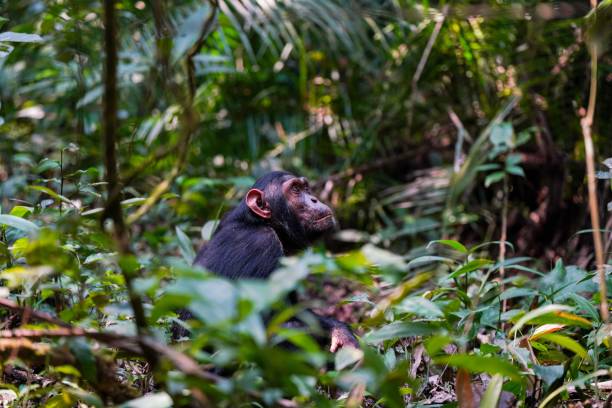
By reducing permit costs during selected months, Uganda is creating another reason for travellers to consider visiting during the low season. The initiative may also help distribute tourism activity more evenly throughout the year, supporting accommodation providers, professional guides, transport operators, porters and communities surrounding protected areas.
However, discounted permits come with an important condition: low-season permits cannot be rescheduled under the announced arrangement. Travellers should therefore confirm their itinerary, international flights, accommodation and transport before committing to a booking.
This comprehensive guide explains the introduction of low-season gorilla and chimpanzee permits in Uganda, the new prices, the months when the discounts apply, the potential savings, the advantages and disadvantages of travelling during the low season, and the practical considerations visitors should understand before planning their safari.
What Are Low-Season Gorilla and Chimpanzee Permits?
Low-season gorilla and chimpanzee permits are discounted authorisations that allow eligible visitors to participate in gorilla trekking or chimpanzee tracking during designated months of the year.
A permit is an essential requirement for participating in these activities in Uganda’s protected wildlife areas. It helps regulate the number of visitors entering sensitive habitats, supports wildlife conservation and allows the relevant authorities to manage encounters between tourists and wild primates.
The low-season initiative introduces a reduced permit price for selected travel periods rather than lowering the cost throughout the entire year. Travellers visiting during the designated months can therefore pay less for their permits than they would during the standard pricing periods. The initiative focuses on two different wildlife experiences.
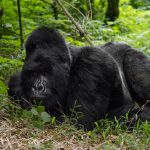
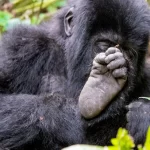
Gorilla trekking involves hiking through a forest with trained guides and trackers to locate a habituated mountain gorilla family. Once the group is found, visitors are allowed a limited period to observe the gorillas according to the applicable conservation rules.
Chimpanzee tracking involves entering a forest with trained personnel to locate a habituated community of chimpanzees. Visitors observe their behaviour in the wild, including feeding, social interactions, movement through the trees and communication within the group.
Although both experiences involve observing wild primates, they are different activities that require separate permits. A discounted gorilla permit does not include chimpanzee tracking, and a chimpanzee permit does not provide access to mountain gorilla trekking.
The introduction of low-season pricing makes these experiences more affordable for certain travellers during April, May and November. It does not mean that the activities become less valuable, that wildlife sightings are guaranteed, or that the normal conservation requirements are relaxed.
Visitors must still follow the instructions of park authorities, respect the animals, observe the applicable health precautions and remain within the rules governing each tracking experience.
Why Has Uganda Introduced Low-Season Permits?
The introduction of discounted low-season permits is intended to encourage travel during months when tourism demand is traditionally lower. This approach can benefit both travellers and the wider tourism industry when implemented alongside responsible wildlife management.
1. Encouraging Travel During Quieter Months
Uganda receives visitors throughout the year, but demand for gorilla trekking and other wildlife activities often changes with the seasons.
Some travellers prefer the relatively drier periods because they expect easier hiking conditions and more convenient road travel. These preferences can concentrate demand around certain months, making it more difficult to secure preferred permits and accommodation.
April, May and November are commonly associated with wetter weather in many parts of Uganda. As a result, some travellers may avoid these months when planning their safaris.
Discounted permits give visitors a financial reason to reconsider that decision. Someone who has always wanted to see mountain gorillas but has found the standard permit price expensive may find the lower rate more manageable.
The same applies to chimpanzee tracking, especially for visitors who want to combine several primate experiences during one trip.
2. Making Gorilla Trekking More Affordable
Mountain gorilla trekking is a premium wildlife experience. The cost of a permit can be one of the largest individual expenses in a Uganda safari, particularly for international visitors.
A standard foreign non-resident permit costs US$800 under the established rate, while the announced low-season rate is US$600. The difference is US$200 per permit.
For a couple, that represents US$400 in combined permit savings. A family group of four adults eligible for the same rate could save US$800 on permits alone.
These savings can make a practical difference when travellers are preparing their overall budgets. The money saved could help cover accommodation, road transfers, meals, additional wildlife activities or an extra night in the destination.
Nevertheless, a reduced permit price does not automatically make an entire safari inexpensive. Transport, lodging, meals, guide services and other activities must still be included in the budget.
3. Encouraging Chimpanzee Tracking
Chimpanzee tracking provides an opportunity to explore Uganda’s tropical forests and observe one of humanity’s closest living relatives in its natural environment. However, some visitors prioritise gorilla trekking and leave chimpanzee tracking out of their itineraries because of cost or limited time.
The low-season chimpanzee permit reduction offers an additional incentive to include this activity. For foreign non-residents, the announced price falls from US$300 to US$200 under the relevant 2026 standard tariff, representing a US$100 saving.
These rates should be distinguished from any subsequently revised standard tariffs. Travellers planning future departures should confirm the tariff applicable to their travel date. The lower cost can be particularly attractive to travellers planning a primate-focused safari that includes gorilla trekking in southwestern Uganda and chimpanzee tracking in Kibale Forest.
4. Supporting Tourism Businesses and Local Communities
Tourism supports a wide network of businesses and workers. These include accommodation providers, guides, drivers, restaurants, craft sellers, porters, cultural tourism operators and community enterprises.
When more travellers visit during quieter months, local businesses may receive bookings that would otherwise have been concentrated in the traditional high season. For example, a traveller who takes advantage of discounted permits may still need several nights of accommodation, meals, road transfers and additional excursions. Those purchases can contribute to local economic activity.
The potential benefit depends on how much additional travel the initiative generates and how effectively tourism revenue reaches the communities involved. Discounted permits alone cannot guarantee higher incomes for every business, but encouraging travel beyond the busiest periods can help create a more balanced tourism calendar.
5. Improving the Distribution of Tourism Demand
Wildlife destinations need to manage visitor demand carefully. Extremely concentrated demand can create challenges for permit availability, accommodation capacity and the distribution of tourism services. A seasonal pricing strategy gives travellers an incentive to consider dates that might otherwise receive less attention.
If successful, the initiative could help spread bookings more evenly across the year, although the actual outcome depends on traveller preferences, weather, transport conditions, international flight schedules and permit availability. The goal is not simply to attract more visitors. It is also to encourage responsible tourism planning while maintaining the conservation standards that make Uganda’s primate experiences possible.
When Do the Low-Season Gorilla and Chimpanzee Permit Discounts Apply?
The announced low-season discounts apply to April, May and November. These months are generally associated with wetter conditions in many of Uganda’s forested destinations. However, Uganda’s weather varies by location and altitude, and rainfall does not necessarily occur throughout every day.
Travellers should understand that the low-season classification relates to tourism demand and pricing. It does not mean that all parks close during these months or that gorilla and chimpanzee tracking stops operating.
April: An Opportunity for Forest and Wildlife Experiences
April is one of the wetter months in many parts of Uganda. Rain can affect forest trails, rural roads and the time required to travel between destinations. However, the forest environment can be especially lush during this period. Visitors may enjoy rich vegetation, dramatic mist, fresh forest scenery and opportunities to photograph the landscape under changing light conditions.
For travellers whose schedules are flexible, April can be an attractive time to explore Uganda while taking advantage of the reduced permit rates. The main consideration is preparation. Waterproof clothing, suitable hiking footwear, luggage protection and realistic travel schedules can make a considerable difference.
May: A Green Season for Primate Tracking
May also falls within a generally wet period in many Ugandan destinations. Forests may appear particularly green, and the scenery can be rewarding for travellers interested in nature photography and forest exploration.
The lower permit rates can make May especially appealing to visitors who are working within a limited budget or planning several wildlife activities. However, wet trails can become muddy and slippery. Travellers should allow sufficient time for road transfers and avoid building an itinerary that depends on unrealistically short driving times. Visitors should also understand that the duration and difficulty of a trek depend on where the animals are located, the terrain and the conditions on the day.
November: A Second Opportunity for Discounted Permits
November is another month covered by the announced low-season pricing arrangement. It can be suitable for visitors who want to avoid some of the busiest tourism periods while enjoying Uganda’s forests and wildlife. Rainfall remains possible, and the weather may change during a single day. The best approach is to plan for both wet and dry conditions rather than assume that every November day will be rainy.
November may also work well for travellers who want to combine primate tracking with other activities, provided their road routes, accommodation and park visits are planned realistically.
Are Discounts Available in Every Month of the Year?
No. The announced promotion applies to the designated low-season months rather than operating as a year-round discount. The applicable months and prices should always be checked against the current official tariff and booking conditions. Travellers should not assume that the same rates will automatically continue indefinitely or apply to every permit category.
For a trip that spans more than one month, the precise date of each activity is particularly important. The relevant tracking date, rather than simply the date on which the traveller enters Uganda, should be confirmed when establishing eligibility.
New Low-Season Gorilla and Chimpanzee Permit Prices
The announced discounted rates distinguish between foreign non-residents and foreign residents. These categories are not interchangeable, and the applicable rate depends on the traveller’s recognised status under the permit rules.
The following table summarises the announced low-season prices and the standard comparison rates used for the 2026 discount announcement.
| Permit category | Standard rate | Low-season rate | Saving per permit |
|---|---|---|---|
| Gorilla trekking — foreign non-residents | US$800 | US$600 | US$200 |
| Gorilla trekking — foreign residents | US$700 | US$500 | US$200 |
| Chimpanzee tracking — foreign non-residents | US$300 | US$200 | US$100 |
| Chimpanzee tracking — foreign residents | US$200 | US$150 | US$50 |
Important pricing note: These are the announced low-season rates and their corresponding 2026/27 standard comparison rates. The table is not a complete tariff for every nationality, permit category, park or future travel date. Confirm current prices and eligibility before paying, particularly for trips scheduled after a tariff revision.
Low-Season Gorilla Permit Price for Foreign Non-Residents
Foreign non-residents can obtain a low-season gorilla trekking permit for US$600 under the announced arrangement. Compared with the standard US$800 rate, this represents a US$200 reduction per person.
This category generally covers international visitors who do not qualify as foreign residents under the applicable permit regulations. Travellers should confirm their classification when arranging the booking.
The reduced price applies to eligible gorilla trekking permits for the designated months. It should not automatically be applied to gorilla habituation experiences, which are a separate activity with different permit requirements and prices.
Low-Season Gorilla Permit Price for Foreign Residents
Foreign residents can obtain the announced low-season gorilla permit for US$500, compared with the standard comparison rate of US$700. The resulting saving is US$200 per permit. Foreign residents should ensure that they meet the relevant eligibility requirements and can provide the required supporting documentation. Living in Uganda temporarily or visiting for an extended holiday does not, by itself, necessarily establish eligibility for a foreign resident rate.
Low-Season Chimpanzee Permit Price for Foreign Non-Residents
The announced discounted chimpanzee tracking permit for foreign non-residents costs US$200. Compared with the US$300 standard comparison rate, the saving is US$100 per permit. Chimpanzee tracking prices may differ according to the protected area, activity and tariff in force. Travellers should therefore confirm that the discount applies to their intended chimpanzee tracking destination. A discounted permit for one location should not be assumed to cover a different location or a chimpanzee habituation experience.
Low-Season Chimpanzee Permit Price for Foreign Residents
Foreign residents benefit from an announced low-season chimpanzee tracking rate of US$150, compared with the US$200 standard comparison rate. This represents a US$50 saving per person. As with gorilla trekking, visitors must qualify for the relevant resident category. Documentation and the booking authority’s eligibility requirements should be checked before the permit is issued.
How Much Can Travellers Save on Low-Season Permits?
The savings increase with the number of eligible permits purchased. This makes the initiative particularly relevant to couples, families and groups planning primate-focused holidays. The following examples illustrate permit savings only. They do not include accommodation, transport, meals, park entry fees, guide services, insurance or other safari expenses.
Example 1: A Solo Traveller Booking Gorilla Trekking
A foreign non-resident planning one gorilla trekking experience during an eligible low-season month would pay US$600 rather than the standard comparison price of US$800. The saving would be US$200. This reduction may help the traveller afford a more comfortable lodge, arrange a private transfer or include an additional excursion without necessarily increasing the total trip budget.
Example 2: A Couple Booking Gorilla Trekking
For two foreign non-residents, the standard comparison total would be US$1,600. At the announced low-season rate, the total would be US$1,200. The couple would save US$400 on gorilla permits. For many visitors, this is a meaningful amount because gorilla trekking is often one of the largest individual expenses in a Uganda safari.
Example 3: A Group of Four Booking Gorilla Trekking
A group of four eligible foreign non-residents would pay US$2,400 for low-season gorilla permits, compared with US$3,200 at the standard comparison rate. The total saving would be US$800. This example assumes that all four travellers qualify for the same rate and each obtains an eligible permit for a designated low-season date.
Example 4: A Couple Booking Chimpanzee Tracking
Two foreign non-residents booking chimpanzee tracking at the announced discounted rate would pay US$400 rather than US$600. Their combined saving would be US$200. Although the saving is smaller than that available for gorilla trekking, it can still contribute to the overall affordability of a multi-destination safari.
Example 5: A Couple Combining Gorilla Trekking and Chimpanzee Tracking
A couple of foreign non-residents planning one gorilla trekking experience and one chimpanzee tracking experience per person would need four permits in total: two gorilla permits and two chimpanzee permits.
At the standard comparison rates, their combined permit cost would be:
- Two gorilla permits: US$1,600.
- Two chimpanzee permits: US$600.
- Total: US$2,200.
At the announced low-season rates, the calculation would be:
- Two gorilla permits: US$1,200.
- Two chimpanzee permits: US$400.
- Total: US$1,600.
The couple would save US$600 on permits.
This example demonstrates why the initiative may be particularly attractive to travellers who want to experience both mountain gorillas and chimpanzees during the same holiday. However, both activities must fall within the eligible discount period, and availability must be confirmed separately for each tracking date.
Which Destinations Can Travellers Visit With These Permits?
Uganda offers several destinations where visitors can experience mountain gorillas and chimpanzees. Choosing the right location is important because the destinations differ in accessibility, scenery, accommodation options and the way each safari can be organised.
Bwindi Impenetrable National Park
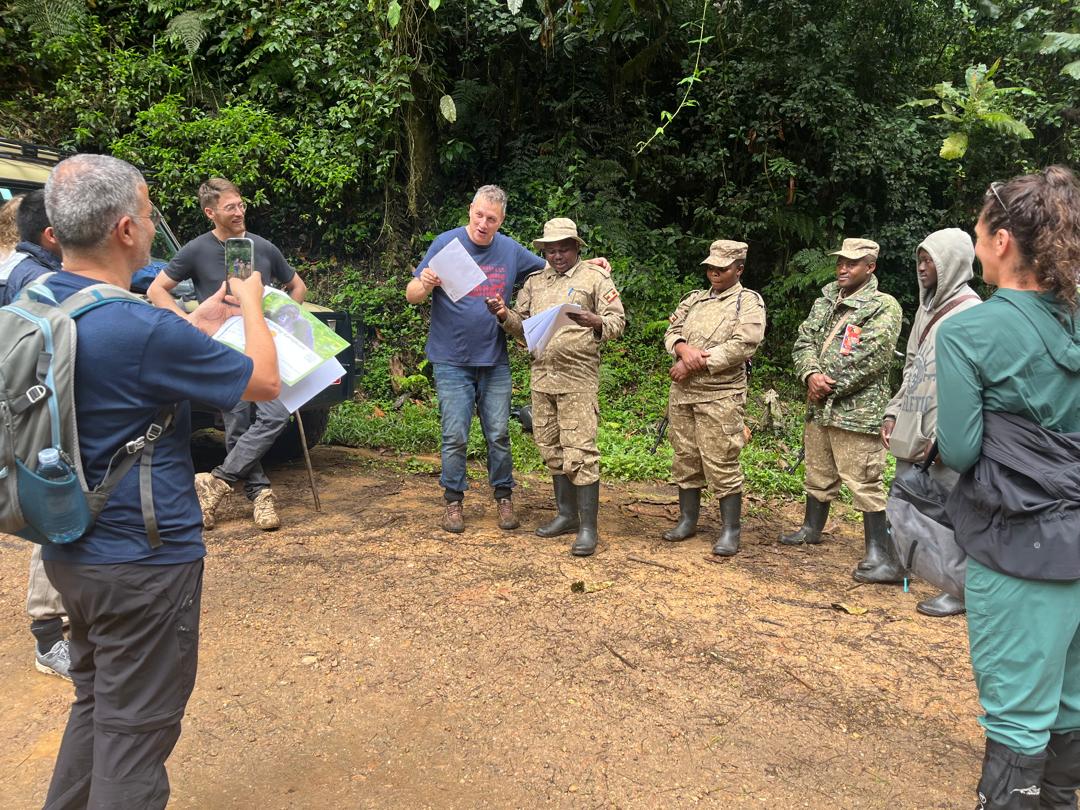
Bwindi Impenetrable National Park is one of the world’s most important mountain gorilla conservation areas. Located in southwestern Uganda, it protects a large area of montane and lowland forest and supports a significant population of mountain gorillas.
Gorilla trekking in Bwindi involves entering the forest with authorised guides and trackers to locate a habituated gorilla family.
The terrain can be steep, and the forest is dense in many areas. Depending on the location of the assigned gorilla family, a trek may involve a relatively short walk or several hours of hiking.
Bwindi is divided into different trekking sectors, including Buhoma, Ruhija, Rushaga and Nkuringo. The sector assigned to a visitor has practical implications for accommodation and road transfers.
Travellers should therefore confirm their permit location before booking a lodge. Staying near the correct briefing point can reduce unnecessary driving on the morning of the trek. The low-season gorilla permit discount provides a financial incentive to consider visiting Bwindi in April, May or November, subject to the applicable booking conditions.
Mgahinga Gorilla National Park
Mgahinga Gorilla National Park is another destination for mountain gorilla trekking in southwestern Uganda. The park forms part of the larger Virunga conservation landscape, which extends across Uganda, Rwanda and the Democratic Republic of the Congo. Its volcanic scenery and forested slopes create a distinctive setting for wildlife experiences.
Gorilla trekking in Mgahinga offers visitors the opportunity to search for habituated mountain gorillas in a landscape shaped by volcanic mountains and montane vegetation. As with Bwindi, the experience requires a permit and must be organised according to the park’s rules.
Mgahinga may be particularly attractive to visitors interested in combining gorilla trekking with other activities in the wider southwestern Uganda region. The best itinerary depends on the traveller’s arrival point, available time, accommodation preferences and the permits secured.
Visitors should confirm that discounted permits are available for their intended date and destination before making non-refundable travel arrangements.
Kibale National Park
Kibale National Park is one of Uganda’s best-known destinations for chimpanzee tracking. Its tropical forest supports chimpanzees and a variety of other primates, birds and forest wildlife.
Chimpanzee tracking typically begins with a briefing, followed by a guided walk through the forest in search of a habituated chimpanzee community. The experience can involve walking along forest trails, listening for chimpanzee calls and observing animals as they move through the vegetation.
Chimpanzees are highly mobile, and their location can change throughout the day. Consequently, the time and effort required to locate them are not guaranteed to be the same for every visitor.
Kibale is frequently incorporated into longer Uganda safaris that also include Queen Elizabeth National Park, Bwindi or other wildlife destinations.
Travellers considering the low-season chimpanzee discount should confirm the applicable rate and permit availability for their planned activity.
Other Chimpanzee Tracking Locations
Chimpanzee tracking is also available in other Ugandan wildlife areas, subject to their respective rules and operational arrangements.
For example, chimpanzee tracking takes place in Kyambura Gorge within Queen Elizabeth National Park. The experience differs from Kibale because of the gorge’s landscape and the conditions affecting the local chimpanzee population.
Visitors should not assume that the discounted Kibale chimpanzee rate applies to every chimpanzee tracking location. The applicable tariff and promotion conditions must be confirmed for the specific activity. Where an itinerary includes more than one protected area, each permit should be checked separately to establish the price, date, location and conditions.
Understanding the Difference Between Gorilla Trekking and Gorilla Habituation
One important consideration when planning a low-season safari is the difference between standard gorilla trekking and gorilla habituation.
Standard gorilla trekking allows visitors to spend a limited period observing a habituated mountain gorilla family after locating it with authorised guides and trackers. The experience focuses on observing the gorillas while maintaining the required distance and following the rules established by park authorities.
Gorilla habituation is a different experience. It involves accompanying authorised personnel as they work with a gorilla group that is undergoing the process of becoming accustomed to human presence for carefully managed tourism and research purposes.
Habituation experiences generally involve a longer period in the forest and have different permit prices and operating conditions. The low-season discount described in this guide applies to the specified gorilla trekking permits. It should not automatically be interpreted as a discount on gorilla habituation permits.
Travellers interested in gorilla habituation should request confirmation of the relevant permit category and current price before budgeting for the experience.
This distinction matters because the activities have different costs, time requirements and expectations. Booking the wrong permit category can lead to unnecessary complications when organising a safari.
Understanding the Difference Between Chimpanzee Tracking and Chimpanzee Habituation
Chimpanzee tracking and chimpanzee habituation are also separate activities. Chimpanzee tracking allows visitors to enter the forest with authorised personnel to locate and observe a habituated chimpanzee community. The duration and route depend on where the chimpanzees are located and the conditions on the day.
Chimpanzee habituation is intended for visitors who want to learn more about the process through which chimpanzees become accustomed to the presence of researchers and authorised observers. The habituation experience can involve a longer period in the forest and requires a separate permit category.
A low-season discount for standard chimpanzee tracking should therefore not be assumed to apply to chimpanzee habituation. Travellers must confirm the specific activity and price when booking.
For visitors with limited time or a preference for a conventional wildlife excursion, standard chimpanzee tracking may be more suitable. Travellers seeking a more extended forest experience may wish to explore habituation, provided they understand its additional requirements and costs.
Why the Low Season Can Be a Good Time for Gorilla Trekking
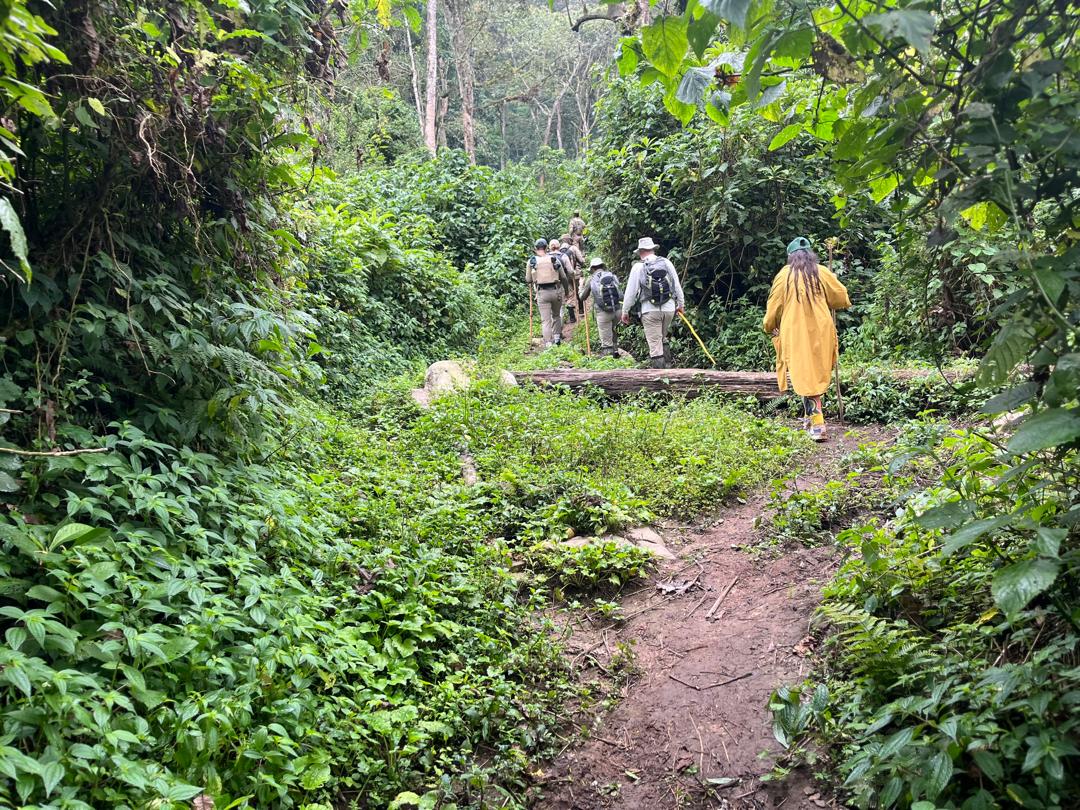
The lower permit cost is the most obvious advantage of travelling during the designated months, but it is not the only factor worth considering.
Lower Permit Expenses
The reduced price can make a noticeable difference to the overall cost of a primate safari. Because the saving is calculated per permit, it becomes more significant for couples and groups travelling together.
Travellers who have postponed a gorilla trekking holiday because of the standard permit price may find the low-season option more accessible. However, the best financial decision depends on the entire itinerary. Savings on permits should be weighed against any additional transport or accommodation expenses that may arise from the selected dates.
Lush Forest Scenery
Rainfall contributes to the rich vegetation that makes Uganda’s forests so distinctive. During wetter periods, leaves and undergrowth can appear especially vibrant, while mist may create dramatic views across forested hills.
These conditions can be rewarding for visitors who appreciate nature photography and the atmosphere of tropical forests. The experience varies with the weather, location and time of day. Visitors should be prepared for cloudy conditions and the possibility of rain during their trek.
Opportunities for a Quieter Travel Experience
Low-season travel may offer a different atmosphere from the busiest tourism periods. Some accommodation establishments and tourism services may have more availability, and visitors may find it easier to discuss preferred travel arrangements when demand is lower.
However, low season does not mean that every lodge is empty or that all permits are readily available. Gorilla trekking remains popular, and the number of visitors permitted to join a particular gorilla family is controlled. Travellers should still secure permits in advance rather than relying on last-minute availability.
A Chance to Build a More Comprehensive Safari
The permit savings may allow travellers to reconsider other parts of their itinerary. For example, visitors might combine gorilla trekking with chimpanzee tracking, a wildlife safari, a community visit or additional nights in a forest destination.
Such combinations can provide a more varied experience of Uganda’s landscapes and wildlife. Nevertheless, adding destinations requires enough time for road transfers and activities. A safari should not be made unnecessarily rushed simply because the permits are cheaper.
What Are the Disadvantages of Travelling During the Low Season?
Low-season travel has several advantages, but visitors should also understand its practical challenges.
Rain Can Affect Trekking Conditions
Rain can make forest trails slippery, muddy and more demanding to navigate. The level of difficulty depends on the route, terrain, rainfall and location of the gorilla family or chimpanzee community. Travellers should bring hiking footwear with good grip, waterproof clothing and a small backpack that can protect essential belongings.
A walking stick can also be useful, and porters may be available to assist visitors on demanding treks. Visitors with concerns about mobility should discuss the expected physical requirements with the relevant park authorities and their safari organiser before booking.
Road Transfers May Take Longer
Some roads leading to remote wildlife destinations are unpaved or affected by seasonal rainfall. During wet conditions, driving times can increase, especially on rural access roads and routes through hilly areas.
A journey that appears straightforward on a map may take longer than expected when road surfaces are wet or visibility is reduced. It is therefore sensible to allow sufficient time between destinations and avoid scheduling important activities too close together. Where possible, travellers should avoid relying on late-night driving through unfamiliar rural areas after a long journey.
Wildlife Sightings Cannot Be Guaranteed
Gorillas and chimpanzees are wild animals. Although trained trackers and guides use their knowledge of the forest to locate them, no wildlife encounter can be guaranteed with absolute certainty. Weather, animal movement, vegetation and other natural factors influence the tracking experience.
A discounted permit does not guarantee a shorter trek or an easier encounter. Visitors should be prepared for the possibility of a physically demanding walk. The value of the experience includes not only seeing the animals but also learning about their habitat, conservation and behaviour.
Low-Season Permits Cannot Be Rescheduled
The restriction on rescheduling is one of the most important conditions of the announced promotion. If a traveller’s plans change after purchasing a discounted low-season permit, the usual flexibility associated with some standard bookings may not be available. For this reason, travellers should confirm their international flights, domestic connections, accommodation and road transfers before committing to the permit date.
They should also understand the applicable cancellation, refund and amendment conditions before paying. Anyone with an uncertain schedule should carefully consider whether the discount is worth the loss of flexibility.
How to Plan a Low-Season Gorilla Trekking Safari
A successful low-season safari begins with careful preparation. The discounted permit can reduce the cost, but good planning remains essential for a comfortable and rewarding experience.
Step 1: Select Your Travel Month
Choose April, May or November if your priority is to use the announced low-season permit rates. Consider your available holiday dates, flight schedules, preferred destinations and tolerance for wet-weather travel. If your travel dates are flexible, compare the practical costs of visiting in different months. A cheaper permit may not always produce the lowest total trip cost if other expenses rise.
Step 2: Confirm the Permit Category
Establish whether you qualify as a foreign non-resident or foreign resident under the applicable regulations. Do not rely on assumptions based solely on nationality, length of stay or where you are currently living. Ask the authorised booking provider or relevant authority to confirm the category and any documents required to support it.
Step 3: Check Permit Availability
Discounted permits are not necessarily available on every date or for every destination. Availability should be confirmed before finalising an itinerary. Gorilla trekking permits and chimpanzee tracking permits are separate allocations, so a traveller who wishes to do both activities must secure each one independently. The preferred trekking sector, briefing location and date should be established before accommodation is selected.
Step 4: Plan Accommodation Carefully
For gorilla trekking, staying near the assigned trekking sector can make the morning easier and reduce unnecessary driving.
For chimpanzee tracking, choose accommodation that is practical for the relevant park entrance and briefing point.
Travellers should also check the property’s cancellation policy, especially when their permit cannot be rescheduled.
Where possible, use accommodation arrangements that provide a suitable contingency plan if travel delays occur before the trekking date.
Step 5: Organise Transport
Road transfers are an important part of many Uganda safaris.
Travellers may need to travel from Entebbe or Kampala to southwestern Uganda for gorilla trekking, while chimpanzee tracking in Kibale may be combined with other destinations in western Uganda.
The best route depends on the arrival airport, available time, park location and other activities included in the trip.
During the wet season, allow additional time for road travel and avoid building a schedule around the shortest possible driving estimates.
Step 6: Prepare for the Forest
Pack for changing weather conditions and uneven terrain.
Useful items include:
- Waterproof hiking boots or sturdy shoes with good grip.
- A lightweight waterproof jacket.
- Long trousers and long-sleeved clothing.
- Gardening-style gloves or suitable hiking gloves for holding vegetation where permitted.
- A small backpack with a rain cover.
- Drinking water and any personal essentials recommended by the guide.
- Camera equipment protected against moisture.
- Insect repellent and sun protection.
- Any prescribed medication you normally require.
Follow the specific advice provided by park authorities. Avoid bringing unnecessary items that could make walking more difficult.
Step 7: Understand the Trekking Rules
Attend the official briefing and listen carefully to the instructions. Maintain the required distance from the animals, avoid sudden movements and follow the guide’s directions. Do not touch gorillas or chimpanzees, attempt to feed them or use flash photography where prohibited.
If you are feeling unwell, especially with symptoms of a respiratory infection, inform the relevant staff before the activity. Great apes can be vulnerable to human-transmitted diseases, making health precautions particularly important. Responsible behaviour helps protect both visitors and the animals.
Can You Combine Low-Season Gorilla and Chimpanzee Permits in One Safari?
Yes. A safari can be designed to include both gorilla trekking and chimpanzee tracking, provided that the required permits are available and the dates meet the applicable conditions. This combination is attractive because Uganda offers distinct primate experiences within a single country.
Gorilla trekking is usually organised in Bwindi Impenetrable National Park or Mgahinga Gorilla National Park, while chimpanzee tracking can be organised in Kibale National Park or another approved location.
A combined safari requires careful routing because the parks are separated by significant road distances.
Example: A Six-Day Gorilla and Chimpanzee Safari
A six-day itinerary can provide a useful starting point for travellers who want to combine the two activities without attempting to visit too many destinations.
Day 1: Arrival and transfer planning
Arrive in Uganda and overnight near the arrival point or begin the road journey if flight arrival times and the travel plan allow.
Day 2: Transfer towards Kibale National Park
Travel to the Kibale area, allowing enough time for the road journey and rest. Depending on the chosen route, additional sightseeing may be possible.
Day 3: Chimpanzee tracking
Attend the briefing and participate in chimpanzee tracking. Spend the remainder of the day relaxing or exploring suitable nearby attractions.
Day 4: Transfer towards Bwindi or Mgahinga
Travel to the selected gorilla trekking destination. The route and driving time depend on the chosen sector and the condition of the roads.
Day 5: Gorilla trekking
Attend the morning briefing, enter the forest with authorised personnel and search for the assigned gorilla family. The rest of the day can be reserved for rest or a suitable local activity.
Day 6: Return journey or onward transfer
Travel towards the next destination or return to the departure point, depending on the traveller’s onward flights and overall itinerary.
This is only an illustrative outline. The actual order may need to change according to permit availability, the arrival airport, accommodation, road conditions and departure arrangements.
Travellers should avoid scheduling an international flight too soon after a long road transfer from a remote trekking destination.
Is Six Days Enough?
Six days may be sufficient for a carefully arranged combination of chimpanzee tracking and gorilla trekking, but the itinerary can feel rushed depending on the route and the traveller’s preferences. Visitors who prefer a more relaxed pace may benefit from adding extra nights.
Additional time can reduce the pressure of long driving days and provide opportunities to explore other wildlife areas or cultural attractions. The most suitable itinerary is one that balances permit availability, road travel, accommodation and the time required to enjoy each destination.
Is Low-Season Gorilla Trekking Suitable for First-Time Visitors?
Yes. First-time visitors can consider low-season gorilla trekking, provided they understand the weather conditions and the non-rescheduling rule. The basic trekking experience remains a guided wildlife activity governed by the same conservation requirements.
First-time visitors should focus on choosing a suitable trekking sector, preparing for the physical demands and allowing enough time for transport. It is also useful to understand that the trek can be unpredictable. Some visitors may locate a gorilla family relatively quickly, while others may need to walk for several hours.
There is no need to be an experienced hiker to participate in every trek, but a reasonable level of mobility and preparation is important. Anyone with concerns about fitness, mobility or other personal requirements should seek advice before making a non-reschedulable booking.
Is the Low-Season Discount Worth It?
For many travellers, the discount is worth considering, particularly if their travel dates are flexible and they are comfortable preparing for wet-weather conditions. The financial saving is clear: eligible foreign non-residents save US$200 per gorilla permit and US$100 per chimpanzee permit under the announced comparison rates. Eligible foreign residents receive the same absolute saving per permit.
For a couple combining both activities, the potential saving can reach US$500 when each person obtains one gorilla permit and one chimpanzee permit. However, the best decision depends on individual circumstances. Travellers who need flexibility may prefer to consider whether the non-rescheduling restriction presents too much risk. Those who have fixed international flights and can commit confidently to their trekking dates may find the arrangement more attractive.
Weather should also be considered realistically. Rain can affect trails and road journeys, but it does not automatically prevent gorilla trekking or chimpanzee tracking from taking place.
Ultimately, low-season permits provide an opportunity to reduce a major component of safari expenditure while experiencing Uganda’s forests during a different part of the year.
Frequently Asked Questions About Low-Season Gorilla and Chimpanzee Permits
1. What are low-season gorilla permits in Uganda?
Low-season gorilla permits are discounted permits for eligible visitors trekking mountain gorillas during the designated months of April, May and November under the announced arrangement. The announced rate is US$600 for foreign non-residents and US$500 for foreign residents. Travellers should confirm the current tariff, eligibility requirements and permit availability before booking.
2. What are low-season chimpanzee permits?
Low-season chimpanzee permits are discounted permits for eligible visitors participating in chimpanzee tracking during the designated months. The announced rates are US$300 for foreign non-residents and US$200 for foreign residents.
The discount should be checked against the specific chimpanzee tracking destination and the tariff applicable to the travel date.
3. Which months qualify for the discount?
The announced low-season months are April, May and November. The applicable dates and rates should be confirmed before payment, especially when planning travel in a future year.
4. How much does a low-season gorilla permit cost?
The announced low-season gorilla permit costs US$600 for foreign non-residents and US$500 for foreign residents. These prices are lower than the standard comparison rates of US$800 and US$700 respectively.
5. How much does a low-season chimpanzee permit cost?
The announced low-season chimpanzee tracking permit costs US$200 for foreign non-residents and US$150 for foreign residents. The applicable price should be confirmed for the intended destination and tracking date.
6. How much can I save on a gorilla trekking permit?
Eligible travellers can save US$200 per gorilla trekking permit compared with the standard comparison rate used in the announcement. The total saving depends on the number of permits booked and the applicable traveller category.
7. How much can I save on a chimpanzee tracking permit?
The announced saving is US$100 per eligible chimpanzee tracking permit compared with the standard comparison rate. For a group, the total saving increases according to the number of eligible permits purchased.
8. Can I reschedule a low-season gorilla permit?
Under the announced conditions, low-season permits cannot be rescheduled. This makes it important to confirm the tracking date, international flights, accommodation and transport before committing to the booking. Travellers should also ask about any other applicable cancellation or refund conditions before payment.
9. Can I reschedule a low-season chimpanzee permit?
The announced low-season arrangement states that these permits cannot be rescheduled. Confirm the exact terms for the relevant chimpanzee permit before purchasing it. Do not assume that the amendment conditions for a standard permit automatically apply to a discounted permit.
10. Are low-season permits available for gorilla habituation?
The announced discount described here applies to standard gorilla trekking permits, not automatically to gorilla habituation experiences. Gorilla habituation is a separate activity with its own permit category and price. Travellers should confirm the applicable terms directly with the authorised booking provider.
11. Are low-season discounts available for chimpanzee habituation?
The discount should not be assumed to cover chimpanzee habituation. Standard chimpanzee tracking and chimpanzee habituation are separate activities. Confirm the current price and any promotional conditions for the intended experience.
12. Does the low-season permit include accommodation?
No. A tracking permit does not automatically include accommodation, meals, transport or other safari services. These items must be budgeted for separately unless they are included in a clearly defined safari package.
13. Is gorilla trekking possible in April and May?
Gorilla trekking generally takes place throughout the year, including the wetter months, subject to operational conditions and permit availability. Rain may make trails slippery and can affect travel times. Visitors should prepare appropriately and confirm their arrangements before travelling.
14. Is November a good month for chimpanzee tracking?
November can be a suitable month for chimpanzee tracking, and it is included in the announced low-season discount period. As with other months, weather and chimpanzee movement vary. Visitors should prepare for possible rain and confirm the applicable permit conditions.
15. Can I book both gorilla trekking and chimpanzee tracking at discounted rates?
Yes, provided that both activities are available on eligible dates and the traveller qualifies for the relevant rates. Separate permits are required for the two activities. Availability, pricing and booking conditions must be confirmed for each experience.
16. Do children qualify for low-season permit discounts?
Eligibility depends on the applicable permit rules, age restrictions and the relevant activity’s requirements. Families should confirm the minimum age for each activity and the correct pricing category before booking. They should not assume that adult discounted rates apply to every child.
17. Are the discounts available to East African citizens?
The rates summarised in this article cover the announced foreign non-resident and foreign resident discounts. Other traveller categories, including East African citizens, may have separate tariffs. Confirm the applicable rate and whether the low-season promotion covers that category before making a booking.
18. Can I get a low-season permit at the last minute?
Last-minute availability should never be assumed. Permit allocations are controlled, and preferred dates may already be fully booked. Travellers should confirm availability before committing to non-refundable travel arrangements.
19. Does the low-season discount guarantee that I will see gorillas or chimpanzees?
No. A permit authorises participation in the activity but cannot guarantee a wildlife sighting under every possible circumstance. Trained guides and trackers work to locate the animals, but their movements and the conditions in the forest are natural and variable.
20. Is the low season cheaper for the entire safari?
Not necessarily. The permit itself is discounted, but accommodation, transport, meals and other services have their own prices and booking conditions. The total cost depends on the itinerary, group size, accommodation standard, road route and additional activities.
Final Thoughts: A New Opportunity for More Affordable Primate Safaris in Uganda
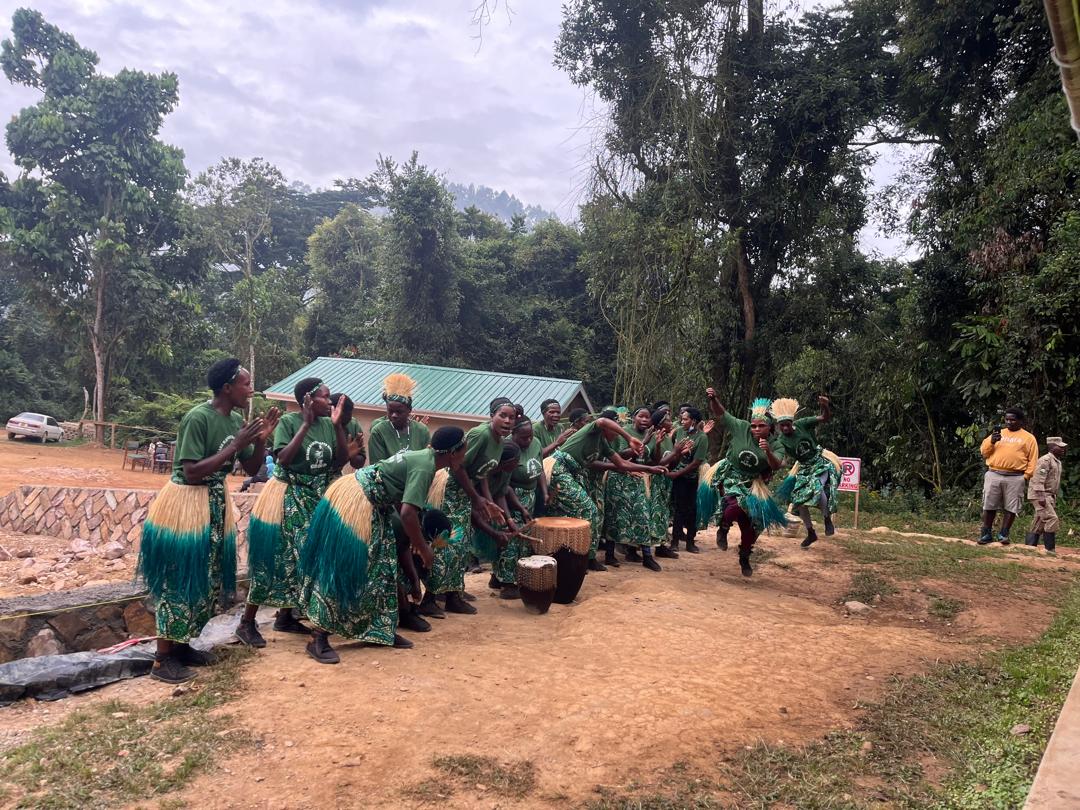
The introduction of low-season gorilla and chimpanzee permits creates a useful opportunity for eligible travellers to experience Uganda’s remarkable primates while spending less on permits.
With the announced rates of US$600 for foreign non-resident gorilla trekking, US$500 for foreign resident gorilla trekking, US$300 for foreign non-resident chimpanzee tracking and US$200 for foreign resident chimpanzee tracking, the potential savings can be meaningful.
The discounts apply to April, May and November, giving travellers another reason to consider Uganda during traditionally quieter tourism months.
Beyond the financial benefit, low-season travel offers the opportunity to experience lush forest landscapes, explore different wildlife destinations and plan a safari that may be less constrained by the preferences of peak-season travel.
However, discounted permits should be booked carefully. The non-rescheduling condition makes it especially important to confirm travel dates, permit availability, accommodation and road transfers before making a commitment.
Travellers should also remember that the discounted rates do not automatically apply to habituation experiences or every chimpanzee tracking location. Current tariffs and eligibility requirements should always be checked before payment.
For visitors who can plan confidently around the designated months, low-season permits can make a Uganda primate safari more financially accessible without changing the fundamental purpose of the experience: observing wild mountain gorillas and chimpanzees responsibly while supporting the conservation of their natural habitats.
The best safari is not necessarily the one with the cheapest permit. It is the one that combines the right travel dates, suitable accommodation, realistic road transfers, responsible wildlife encounters and a well-planned budget. By understanding the new low-season permit arrangement, travellers can make better-informed decisions and enjoy a more rewarding journey through Uganda’s extraordinary natural heritage.