Mountain Gorilla Trekking Rules and Regulations in Uganda and Rwanda
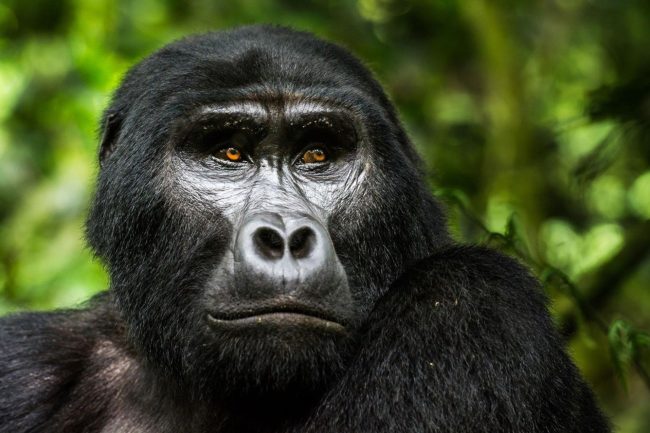
Mountain gorilla trekking is one of Africa’s most unforgettable wildlife experiences, allowing visitors to observe endangered mountain gorillas in their natural rainforest habitat. However, because mountain gorillas are vulnerable to human diseases and disturbance, every visitor must follow strict mountain gorilla trekking rules and regulations.
Whether you plan to track gorillas in Uganda’s Bwindi Impenetrable National Park or Mgahinga Gorilla National Park, or in Rwanda’s Volcanoes National Park, understanding the rules before your safari helps protect the gorillas and makes your experience safer and more responsible.
This guide explains the main gorilla trekking regulations in Uganda and Rwanda, including age restrictions, viewing distances, photography, health precautions, group sizes, and the time allowed with a gorilla family.
Why Are Mountain Gorilla Trekking Rules Important?
Mountain gorillas share many biological similarities with humans, making them susceptible to respiratory infections and other diseases that visitors may carry. Even an illness that causes mild symptoms in a person can pose a serious risk to a gorilla.
Trekking regulations also reduce noise, stress and disruption to the animals’ natural behaviour. They help ensure that tourism supports conservation while allowing visitors to observe gorillas under controlled conditions.
Every traveller is responsible for following the instructions provided by the park rangers, trackers and guides.
1. Minimum Age for Mountain Gorilla Trekking
The minimum age for mountain gorilla trekking in both Uganda and Rwanda is generally 15 years. Visitors may be asked to present a passport or another accepted document to verify their age.
Children younger than 15 are not permitted to participate in the standard gorilla trekking experience. Families travelling with younger children should arrange alternative activities or childcare in advance.
If you are planning a family safari, confirm the age requirements before paying for permits or finalising your itinerary.
2. Maintain the Required Distance from Mountain Gorillas
Visitors must maintain the viewing distance specified by the relevant park authority.
- Uganda: Uganda Wildlife Authority’s published 2024–2026 conservation tariff specifies a minimum distance of 10 metres.
- Rwanda: Rwanda Development Board’s official booking guidance specifies a minimum distance of 7 metres.
These distances help reduce the risk of transmitting human diseases and minimise disturbance to the gorillas. Rules or instructions may be updated, so visitors should follow the ranger’s briefing on the day of the trek.
Mountain gorillas sometimes move closer to visitors themselves. If this happens, remain calm, avoid sudden movements and follow the ranger’s instructions. Never attempt to touch, approach or block a gorilla.
3. A Maximum of Eight Visitors per Gorilla Family
Standard mountain gorilla trekking visits are limited to a maximum of eight visitors per habituated gorilla family per day under the established regulations in Uganda and Rwanda.
Keeping groups small helps control noise, reduce potential disease exposure and limit disturbance to the animals.
This restriction also means that gorilla permits are limited. Travellers planning to trek during busy travel periods should arrange permits well in advance through the appropriate park authority or a licensed tour operator.
4. The One-Hour Rule for Gorilla Viewing
During a standard mountain gorilla trek, visitors are generally allowed a maximum of one hour with the gorilla family once it has been located.
The time limit reduces the duration of human exposure and helps protect the gorillas’ natural behaviour. It also allows visitors to observe activities such as feeding, grooming, resting and interactions between family members without prolonged disturbance.
The hiking time to reach the gorillas is separate from the viewing period. Depending on the location of the family, terrain and weather, the trek can take several hours.
Follow your ranger’s instructions when the viewing period ends and leave the gorillas calmly.
5. Do Not Trek if You Are Sick
Visitors with a cold, flu, persistent cough, fever or another potentially contagious illness should inform their tour operator and park staff before entering the forest.
Human respiratory infections can be dangerous to mountain gorillas. Park authorities may refuse entry to visitors who are ill to protect the animals.
If you develop symptoms shortly before your trekking date, contact your operator immediately to discuss the appropriate steps. Do not hide symptoms or assume that you can participate because you feel well enough to hike.
6. Follow Photography Rules
Photography is generally permitted during mountain gorilla trekking, but flash photography is prohibited.
Before the trek:
- Switch off your camera or phone flash.
- Learn how to adjust your camera settings in low-light conditions.
- Keep your equipment ready before approaching the gorilla family.
- Avoid sudden movements while taking photographs.
- Listen to your guide if you are asked to lower your camera or stop taking pictures.
The priority is observing the gorillas responsibly, not obtaining a particular photograph. Never move closer to the animals or leave the group to improve your camera angle.
7. Do Not Touch, Feed or Provoke the Gorillas
Mountain gorillas are wild animals, even though the families visited by tourists have been habituated to human presence.
Visitors must never:
- Touch a gorilla, including an infant.
- Offer food or attempt to attract the animals.
- Make loud noises to gain their attention.
- Mimic gorilla calls or provoke a reaction.
- Make sudden movements or attempt to frighten a gorilla.
- Follow a gorilla independently of the ranger.
If a gorilla approaches, remain calm and follow the instructions provided by the ranger. Do not reach out, even if the animal appears relaxed or curious.
8. No Eating, Drinking or Smoking During the Gorilla Encounter
Uganda’s published gorilla tracking regulations prohibit eating, drinking and smoking during the gorilla encounter. Visitors should follow the rules explained during the briefing and any additional instructions issued by park staff.
Eat snacks and drink water before or after the viewing period, at a location approved by your guide. Never leave food, wrappers, bottles or other rubbish in the forest.
These precautions help prevent littering, reduce unwanted interactions and keep the gorillas’ habitat clean.
9. Cover Your Mouth When Coughing or Sneezing
If you need to cough or sneeze during the encounter, cover your mouth and nose, turn away from the gorillas and follow the ranger’s instructions.
Respiratory illnesses are a major concern in great ape tourism because gorillas can be susceptible to infections carried by humans.
Ask your operator or park authority about any current face-mask requirements before your trek. If you feel unwell, tell the ranger rather than relying on protective measures alone.
10. Follow Your Ranger and Stay with Your Group
Every gorilla trekking group is accompanied by authorised guides or rangers who help locate the gorillas and manage the encounter.
For your safety and the protection of wildlife:
- Stay with your assigned group.
- Follow instructions about when to walk, stop or leave.
- Do not wander away to explore the forest independently.
- Keep quiet when approaching the gorillas.
- Avoid sudden movements and give the animals space.
- Do not touch vegetation or wildlife unnecessarily.
The ranger is responsible for managing the encounter and responding to changes in gorilla behaviour. Their instructions take priority throughout the trek.
11. Protect the Forest and Leave No Trace
Mountain gorilla habitats contain sensitive ecosystems and many other species of plants and animals. Visitors must help protect these environments by behaving responsibly.
Do not litter, remove plants, damage vegetation or disturb other wildlife. Keep all rubbish in your backpack until you can dispose of it properly.
If you need to use the toilet while trekking, inform your guide and follow the park’s sanitation procedures. Uganda Wildlife Authority’s published guidance specifies that human waste should be buried at least 30 centimetres deep where this procedure is directed and permitted. Always follow the current instructions of your ranger.
12. Carry Your Gorilla Permit and Identification
A valid gorilla trekking permit is required for the experience. Visitors should ensure that their booking details and identification documents are correct and available for verification.
Before travelling, confirm:
- Your permit date and assigned tracking location.
- The names and passport details on the booking.
- Your reporting time and meeting point.
- The transfer arrangements between your accommodation and the park.
- The current permit and entry requirements.
Mountain Gorilla Trekking Rules in Uganda vs Rwanda
Although both countries follow similar conservation principles, some specific requirements differ.
| Regulation | Uganda | Rwanda |
|---|---|---|
| Minimum age | Generally 15 years | 15 years |
| Maximum standard tracking group | 8 visitors per gorilla family | 8 visitors per gorilla family |
| Standard viewing time | Maximum 1 hour | Maximum 1 hour |
| Published minimum viewing distance | 10 metres in UWA’s 2024–2026 tariff | 7 metres in RDB’s official booking guidance |
| Flash photography | Not permitted | Not permitted |
| Trekking while ill | Not permitted where illness poses a risk to gorillas | Visitors with contagious illness may be denied access |
| Feeding or touching gorillas | Not permitted | Not permitted |
Regulations and health measures may change. Confirm the current rules with the relevant authority before departure, and follow the instructions given at the park briefing.
What Should You Pack for a Responsible Gorilla Trek?
Following the rules is essential, but the right equipment can also make your trek more comfortable.
Consider packing:
- Sturdy hiking boots with good grip.
- Long trousers and a long-sleeved shirt.
- A waterproof jacket.
- Gardening or hiking gloves.
- Drinking water and snacks for use before or after the gorilla encounter, as directed by your guide.
- A small backpack.
- A camera with flash disabled.
- Any personal medication you require.
- A face mask if required or recommended by the park authority.
A walking stick and porter may be helpful on steep or muddy trails. Ask your tour operator about available assistance if you have concerns about the physical demands of the hike.
What Happens if a Visitor Breaks the Rules?
Rangers and park authorities manage gorilla encounters to protect wildlife and visitors. Anyone who ignores instructions may be asked to change their behaviour, move away or leave the encounter. Serious or repeated violations may lead to further action under the applicable park rules.
Visitors should never assume that having paid for a permit gives them permission to approach, touch or remain with the gorillas beyond the authorised viewing period.
Responsible behaviour is part of the privilege of seeing mountain gorillas in the wild.
Frequently Asked Questions About Gorilla Trekking Rules
What is the minimum age for gorilla trekking in Uganda and Rwanda?
The minimum age is generally 15 years in both countries. Confirm the requirements with the relevant park authority when booking.
How close can you get to mountain gorillas?
Uganda’s published 2024–2026 guidance specifies 10 metres, while Rwanda’s official booking guidance specifies 7 metres. Follow the current instructions given by your ranger, especially if a gorilla approaches you.
How long can you stay with mountain gorillas?
A standard visit allows a maximum of one hour with the gorilla family once it has been located, subject to the applicable rules and ranger instructions.
Can I trek gorillas if I have a cold?
You should not enter the forest if you have a potentially contagious illness. Tell your operator and park staff if you are unwell, as human infections can pose a serious threat to gorillas.
Can I take photographs during gorilla trekking?
Yes, photography is generally allowed, but flash photography is prohibited. Follow the ranger’s instructions and avoid disturbing the gorillas to get a picture.
Can I touch a mountain gorilla?
No. Visitors must not touch or feed gorillas, even if an animal comes close. Remain calm and follow the ranger’s instructions.
Are the rules the same in Uganda and Rwanda?
Many rules are similar, including the minimum age, standard group-size limit, one-hour viewing period and prohibition on flash photography. Some requirements, including the published viewing distance, differ. Check the latest guidance for your destination.
Plan a Responsible Gorilla Trekking Safari with Epic Uganda Vacation
A mountain gorilla trekking safari is an extraordinary opportunity to experience wildlife while supporting conservation and local communities. Understanding the regulations before travelling helps protect these endangered primates and ensures that your visit is conducted responsibly.
Epic Uganda Vacation can help you plan a gorilla trekking experience in Uganda or Rwanda, including permit arrangements, accommodation, transport and additional safari activities according to your travel dates and budget.
Whether you want to trek in Bwindi Impenetrable National Park, visit Mgahinga Gorilla National Park or explore Rwanda’s Volcanoes National Park, we can help you prepare for your journey.
Visit Epic Uganda Vacation to discuss your preferred destination and request a customised gorilla trekking safari.