Katonga Wildlife Reserve, Uganda: Sitatunga, Wetland Birds and Nature Walks
Katonga Wildlife Reserve is one of Uganda’s lesser-known wildlife destinations, offering a different kind of safari experience away from the busy tracks of the country’s more famous national parks. Located in western Uganda, along the Katonga River, the reserve protects an extensive landscape of wetlands, papyrus swamps, savannah grasslands, woodland and riverine forest.
For travellers interested in wildlife, birdwatching and exploring Uganda’s natural landscapes on foot, Katonga Wildlife Reserve offers an opportunity to discover a quieter side of the country. The reserve is particularly notable for the elusive sitatunga antelope, a semi-aquatic mammal adapted to life in swampy habitats, as well as its diverse wetland birdlife.
Katonga is also an interesting destination for travellers exploring western Uganda between Kampala, Lake Mburo National Park, Kibale Forest National Park and other destinations in the region.
Whether you are a nature enthusiast, birdwatcher, photographer or traveller seeking an off-the-beaten-path experience, Katonga Wildlife Reserve deserves consideration when planning a Uganda safari.
Where Is Katonga Wildlife Reserve Located?
Katonga Wildlife Reserve is situated in western Uganda, within Kamwenge and Kyenjojo districts, along the Katonga River.
The reserve covers approximately 207 square kilometres and lies around 200 kilometres west of Kampala by road, depending on the route and access point. The journey commonly involves travelling towards Kyegegwa before continuing south towards the reserve.
The reserve was established as a game reserve in 1964, originally serving as a wildlife corridor connecting areas of western Uganda with neighbouring regions. It became a wildlife reserve in 1996 following the reorganisation of Uganda’s wildlife management institutions. Today, it is managed by the Uganda Wildlife Authority under the Kibale Conservation Area administration.
Its location makes Katonga a potential addition to a road safari through western Uganda, particularly for travellers interested in wetlands and wildlife beyond the main national parks.
Why Visit Katonga Wildlife Reserve?
Katonga offers a different atmosphere from Uganda’s more developed safari destinations. Rather than focusing primarily on conventional vehicle-based game drives, the reserve is known for its wetlands, nature walks and opportunities to explore its habitats on foot or, where available, by canoe.
Reasons to visit include:
- Searching for the elusive sitatunga antelope.
- Exploring papyrus swamps and riverine habitats.
- Birdwatching across wetlands, woodland and grassland.
- Looking for waterbuck, reedbuck and other wildlife.
- Enjoying guided nature walks.
- Learning about wetland ecology and wildlife conservation.
- Discovering a less-visited destination in western Uganda.
The reserve supports a recorded bird community of more than 150 species, alongside numerous mammals, reptiles, amphibians and butterflies. Wildlife encounters depend on habitat conditions, season and the location explored.
1. Sitatunga Antelope: Katonga’s Special Wildlife Attraction
The sitatunga (Tragelaphus spekii) is one of the most interesting mammals associated with Katonga Wildlife Reserve.
Unlike many antelopes that inhabit open savannah, the sitatunga is specially adapted to wetland environments. Its elongated, widely splayed hooves help it move across soft, muddy ground and floating vegetation.
Sitatungas are generally shy animals that spend much of their time among dense swamp vegetation. This makes them difficult to observe in some locations, but the wetlands of Katonga provide important habitat for the species.
What Makes the Sitatunga Unique?
The sitatunga has several adaptations suited to life in swamps:
- Long, narrow hooves that help it navigate soft ground.
- A body shape suited to moving through dense wetland vegetation.
- A secretive nature that helps it avoid predators.
- A preference for marshes, swamps and other wet habitats.
Male sitatungas have spiral horns, while females are generally hornless. Their coats also differ, with males tending to be darker than females.
For wildlife enthusiasts, searching for a sitatunga in its natural wetland habitat can be a memorable experience. However, sightings are not guaranteed, and a knowledgeable local guide can help identify promising areas.
2. Birdwatching in Katonga Wildlife Reserve
Katonga is a rewarding destination for birdwatchers interested in Uganda’s wetland ecosystems.
The reserve contains a mixture of papyrus swamps, open grasslands, wooded areas and riverine vegetation. These habitats support birds with different feeding and nesting requirements.
Birdwatchers can explore the reserve with a guide who understands the local habitats and can help identify birds by their calls, plumage and behaviour.
Birds to Look For
Depending on the location and season, birdwatchers may encounter species such as:
- Shoebill
- Goliath heron
- African fish eagle
- Pied kingfisher
- Malachite kingfisher
- African jacana
- Yellow-billed stork
- African openbill
- Grey-crowned crane
- Various egrets, herons and other wetland birds
These are potential sightings rather than a guarantee that every species will be present or encountered during a visit.
The shoebill is particularly appealing to birdwatchers exploring Uganda’s wetlands. However, if seeing a shoebill is the primary purpose of your trip, discuss recent sightings and access conditions with your guide before selecting Katonga as your main destination.
Mabamba Bay near Entebbe and the Nile Delta area of Murchison Falls National Park are other well-known locations to consider for a dedicated shoebill search.
Is Katonga Good for Specialist Birdwatching?
Yes. Its mixture of wetland, savannah and forest-edge habitats makes it interesting for birders who want to explore beyond Uganda’s best-known birding destinations.
The reserve can be included in a broader Uganda birding itinerary, particularly when combined with forest birding in Kibale or wetland excursions elsewhere in the country.
3. Explore Katonga’s Wetlands and Papyrus Swamps
The wetlands are among the defining features of Katonga Wildlife Reserve.
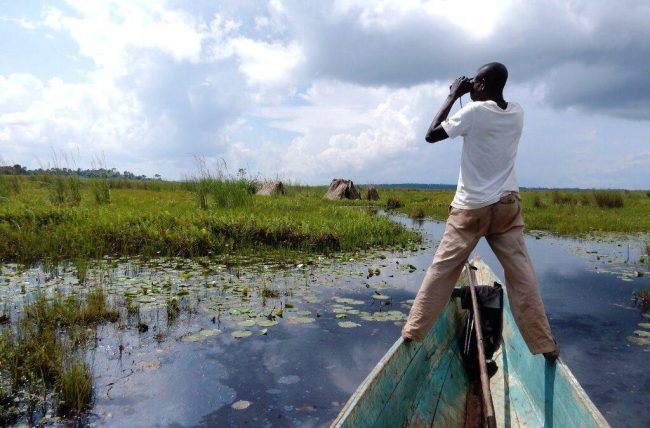
Large sections of the reserve consist of permanent or seasonal wetlands, with papyrus vegetation and other plants adapted to saturated soils. Riverine forests and grasslands add further habitat diversity.
These environments provide food, shelter and breeding grounds for wildlife while helping maintain the ecological functions of the wider Katonga River system.
Why Are the Wetlands Important?
Katonga’s wetlands play several important roles:
- Providing habitat for sitatunga and other wetland-dependent wildlife.
- Supporting birdlife and aquatic organisms.
- Helping regulate water movement through the landscape.
- Supporting local livelihoods through natural resources.
- Maintaining ecological connections between habitats.
For visitors, these wetlands provide a chance to appreciate the relationship between wildlife and water in Uganda’s landscapes.
Because swamp vegetation can conceal deep water and unstable ground, visitors should explore only with appropriate guidance and follow the reserve’s safety instructions.
4. Guided Nature Walks in Katonga Wildlife Reserve
Nature walks are among the main activities associated with Katonga Wildlife Reserve.
Exploring on foot allows visitors to observe smaller details that can be missed during a vehicle-based safari. These include animal tracks, plants, insects, birds, wetland vegetation and signs of wildlife activity.
A guided walk may also provide opportunities to learn about the reserve’s conservation history and the ecological role of the Katonga River.
What Can You See on a Nature Walk?
Possible highlights include:
- Antelope tracks and signs of other mammals.
- Birds feeding in wetland and grassland habitats.
- Papyrus vegetation and riverine plants.
- Butterflies and other invertebrates.
- Scenic views across the reserve’s open landscapes.
- Interpretations of animal behaviour and habitat use.
Wildlife sightings vary, and walking routes depend on local conditions and the activities authorised by reserve management.
Visitors should arrange a guide in advance rather than assuming that all trails or activities are available on arrival.
5. Canoe Excursions and River Exploration
Katonga’s wetland environment makes canoe-based exploration an attractive possibility for visitors interested in observing nature from the water.
Where canoe trips are offered and conditions permit, they may provide a different perspective on papyrus vegetation, aquatic habitats and wetland birds.
However, canoeing should not be assumed to operate every day or throughout the year. Availability depends on local arrangements, water levels, weather, safety requirements and the reserve’s current operating conditions.
Before travelling, confirm directly with the Uganda Wildlife Authority whether canoe excursions are available for your intended dates.
6. Other Wildlife in Katonga Wildlife Reserve
Although sitatunga is one of Katonga’s signature species, the reserve supports a broader variety of wildlife.
Its grasslands, woodland and wetlands provide habitats for several antelope species, primates and other mammals.
Waterbuck and Reedbuck
Waterbuck and reedbuck are associated with grassland and wetland-edge habitats. Their distribution within the reserve depends on suitable vegetation, water availability and local conditions.
Bushbuck and Bush Duiker
These antelopes are generally more secretive and may be encountered in areas with cover, woodland or forest-edge vegetation.
African Elephants
Elephants have been recorded in Katonga, particularly in areas associated with riverine forest and papyrus swamp. However, sightings are less predictable than at Uganda’s major savannah safari destinations.
Buffaloes and Other Mammals
Buffaloes and other larger mammals have been recorded in the reserve, but visitors should not expect the same density of large-game sightings as in parks such as Queen Elizabeth or Murchison Falls.
Primates
Olive baboons and black-and-white colobus monkeys are among the primates associated with Katonga’s habitats.
The reserve also supports other wildlife, including river otters and smaller mammals. Its overall appeal lies in its diversity of habitats rather than in guaranteed sightings of any single animal.
7. Katonga River: The Reserve’s Natural Lifeline
Katonga Wildlife Reserve takes its name from the Katonga River, an important waterway associated with the region’s wetlands.
The river system helps sustain the reserve’s aquatic and terrestrial habitats. Its surrounding vegetation supports wildlife and contributes to the ecological connections between wetlands, woodland and grassland.
For visitors, the river provides an opportunity to understand how water shapes the landscape and influences wildlife distribution.
The Katonga wetland system also has significance beyond tourism, supporting ecological processes and human livelihoods within the wider region.
8. Conservation Importance of Katonga Wildlife Reserve
Katonga Wildlife Reserve plays an important role in protecting Uganda’s wetland biodiversity.
Its establishment as a protected area helped preserve a wildlife corridor and safeguard habitats that might otherwise be vulnerable to extensive agricultural use, settlement and other pressures.
The reserve has experienced conservation challenges, including historical poaching, encroachment and livestock grazing. Wildlife management and habitat protection remain important to its long-term future.
How Visitors Can Support Conservation
Responsible tourism can help support protected areas and nearby communities.
Visitors can contribute by:
- Using authorised guides and operators.
- Following wildlife viewing and safety instructions.
- Avoiding litter and unnecessary disturbance.
- Respecting wetland vegetation and designated routes.
- Asking permission before photographing local residents.
- Supporting locally provided services where available.
Katonga’s long-term conservation depends on protecting habitats while recognising the needs of communities living around the reserve.
9. Best Time to Visit Katonga Wildlife Reserve
Katonga can be visited throughout the year, but weather conditions can affect road access, walking routes and wetland exploration.
The drier periods, generally around December to February and July to September, are often convenient for outdoor activities. However, rainfall patterns can vary, and wet conditions may occur outside the usual rainy seasons.
Visiting During the Drier Months
Potential advantages include:
- More comfortable conditions for walking.
- Easier access along some roads and tracks.
- Opportunities to explore the reserve with fewer weather-related interruptions.
Visiting During the Rainier Months
The landscape can appear especially green, and wetlands may provide rewarding conditions for nature observation. However, muddy roads and saturated ground can make some areas difficult to access.
Recommendation: If your main goal is to see sitatunga or particular wetland birds, ask the reserve’s management or your local guide about recent sightings and current conditions rather than choosing dates based on weather alone.
10. How to Get to Katonga Wildlife Reserve
Katonga Wildlife Reserve is reached by road from Kampala and other destinations in western Uganda.
A common approach is to travel towards Kyegegwa and then follow the route south towards the reserve. The journey from Kampala to the Kyegegwa area takes several hours, followed by an additional drive along the access road. Actual travel time depends on traffic, road conditions and your final destination within the reserve.
Visitors can also consider including Katonga in a longer road safari connecting central and western Uganda.
Because access arrangements and visitor services can vary, contact the Uganda Wildlife Authority before departure to confirm the appropriate entrance, guiding arrangements and available activities.
11. Places to Visit Near Katonga Wildlife Reserve
Katonga can be combined with other destinations in western Uganda, depending on how much time you have available.
Lake Mburo National Park
Lake Mburo is known for its savannah wildlife, zebras, impalas, elands and opportunities for guided nature walks.
It offers a more conventional wildlife safari experience than Katonga and can be a useful addition for travellers seeking a wider variety of animals.
Kibale Forest National Park
Kibale is one of Uganda’s leading destinations for chimpanzee trekking. The forest also supports numerous primate species and exceptional birdlife.
Travellers continuing west from Katonga may consider adding Kibale to a broader itinerary, although the best route depends on road conditions and accommodation arrangements.
Queen Elizabeth National Park
Queen Elizabeth National Park offers savannah game drives, wildlife viewing and boat cruises along the Kazinga Channel.
It is a strong option for travellers who want to combine Katonga’s wetland habitats with a more extensive wildlife safari.
Murchison Falls National Park
For a longer trip, Murchison Falls offers game drives, Nile boat safaris and views of the dramatic waterfall where the river passes through a narrow gorge.
It can be combined with other destinations in Uganda, although the additional travel time should be considered when planning your itinerary.
12. Suggested Two-Day Katonga Wildlife Experience
A two-day visit allows travellers to explore the reserve at a relaxed pace, subject to current access and activity arrangements.
Day 1: Travel to Katonga Wildlife Reserve
Depart Kampala and travel towards Kyegegwa and the reserve. After arrival, check in or settle into your arranged accommodation or campsite, if available.
Depending on your arrival time and the activities confirmed with the reserve, enjoy a guided nature walk to learn about the wetlands, vegetation and wildlife.
Day 2: Wildlife and Birdwatching
Start early with a guided excursion focusing on wetland birds, animal tracks and suitable areas for searching for sitatunga.
If authorised and available, you may be able to arrange a canoe excursion. After the activity, begin your return journey or continue towards another destination in western Uganda.
This is a suggested itinerary rather than a guarantee of available activities. Confirm access, accommodation and guide arrangements before travelling.
13. Where to Stay When Visiting Katonga Wildlife Reserve
Accommodation options should be confirmed directly with the Uganda Wildlife Authority or local tourism providers before your trip.
Depending on availability, travellers may consider authorised camping arrangements or accommodation in nearby towns.
When choosing where to stay, consider:
- The distance from your accommodation to the reserve entrance.
- The time needed to reach morning activities.
- Whether meals and transport are included.
- The availability of a local guide.
- Road conditions, especially during rainy periods.
If you are combining Katonga with Lake Mburo or Kibale, it may be more practical to arrange accommodation around the wider route rather than returning to the same base every night.
Frequently Asked Questions About Katonga Wildlife Reserve
Where is Katonga Wildlife Reserve located?
Katonga Wildlife Reserve is in western Uganda, across Kamwenge and Kyenjojo districts, along the Katonga River.
What is Katonga Wildlife Reserve famous for?
The reserve is particularly known for its wetlands, sitatunga antelope, birdlife, guided nature walks and diverse habitats.
Can I see sitatunga in Katonga Wildlife Reserve?
Katonga supports a population of sitatunga, which inhabit the reserve’s wetlands. Sightings are not guaranteed because these antelopes are shy and often remain concealed in dense vegetation.
Can I see elephants in Katonga Wildlife Reserve?
Elephants have been recorded in Katonga, but sightings are unpredictable. Travellers whose main priority is elephant viewing may prefer to combine Katonga with a visit to Murchison Falls or Queen Elizabeth National Park.
Is Katonga Wildlife Reserve a national park?
No. Katonga is officially designated a wildlife reserve and is managed by the Uganda Wildlife Authority.
Can I go birdwatching in Katonga?
Yes. The reserve supports more than 150 recorded bird species associated with wetlands, grasslands and woodland. A local guide can help identify productive areas and suitable target species.
Can I visit Katonga on a day trip from Kampala?
A day trip may be possible, but the road journey is substantial and the additional time needed for activities can make the visit rushed. An overnight stay is worth considering if you want a more relaxed wildlife experience.
Can I combine Katonga with Lake Mburo National Park?
Yes. The two destinations can be incorporated into a wider Uganda road safari. Route planning should take account of travel times, accommodation and the activities you want to enjoy at each location.
Plan Your Katonga Wildlife Reserve Safari with Epic Uganda Vacation
Katonga Wildlife Reserve offers an opportunity to discover a less-visited part of Uganda’s natural heritage. Its papyrus swamps, riverine habitats, sitatunga antelope and diverse birdlife make it an appealing destination for travellers interested in nature, conservation and specialist wildlife experiences.
At Epic Uganda Vacation, we help travellers plan tailor-made Uganda safaris that combine wildlife reserves, national parks, birdwatching, cultural encounters and scenic landscapes.
Whether you want to explore Katonga’s wetlands, search for sitatunga, or combine the reserve with Lake Mburo, Kibale Forest or Queen Elizabeth National Park, we can help you organise a route suited to your interests, travel dates and budget.
Visit https://epicugandavacation.com/ to explore Uganda safari options or enquire about a personalised wildlife trip.