How to Plan a Multi-Country East African Safari
A multi-country East African safari is one of the most rewarding ways to explore Africa. Instead of limiting your adventure to one destination, you can experience the incredible diversity of several countries in a single journey. From tracking endangered mountain gorillas in Uganda and Rwanda to witnessing the Great Wildebeest Migration in Kenya and Tanzania, East Africa offers unforgettable wildlife encounters, beautiful landscapes and rich cultural experiences.
Planning a multi-country safari, however, requires careful preparation. You need to consider the best destinations, travel routes, border crossings, visa requirements, accommodation, transportation, safari activities and the amount of time available.
Whether you dream of gorilla trekking in Uganda, exploring Rwanda’s Volcanoes National Park, watching elephants in Kenya’s Amboseli National Park or following the Great Migration across Tanzania’s Serengeti, this guide explains how to plan a memorable multi-country East African safari.
1. Choose the East African Countries You Want to Visit
The first step is deciding which countries to include in your safari. East Africa has several outstanding wildlife destinations, but each country offers a different experience.
For most travellers, combining two or three countries provides an excellent balance between wildlife viewing, adventure and travel time.
Uganda: Mountain Gorillas, Chimpanzees and Classic Safaris
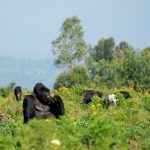
Uganda is one of Africa’s most diverse safari destinations. It is particularly famous for mountain gorilla trekking in Bwindi Impenetrable National Park and Mgahinga Gorilla National Park.
Other highlights include:
- Bwindi Impenetrable National Park: Home to nearly half of the world’s remaining mountain gorillas.
- Mgahinga Gorilla National Park: Offers mountain gorilla trekking and golden monkey tracking.
- Queen Elizabeth National Park: Famous for tree-climbing lions, elephants, buffaloes, hippos and boat safaris along the Kazinga Channel.
- Murchison Falls National Park: Features the spectacular Murchison Falls, Nile River boat cruises and excellent wildlife viewing.
- Kibale Forest National Park: One of Africa’s best destinations for chimpanzee trekking.
- Lake Mburo National Park: Ideal for walking safaris, horseback riding and spotting zebras, giraffes and antelopes.
Uganda is an excellent starting point for travellers interested in combining primate experiences with traditional African wildlife safaris.
Rwanda: Mountain Gorilla Trekking and Scenic Landscapes
Rwanda is a beautiful, compact destination known for its conservation success, clean cities, rolling hills and mountain gorillas.
Top attractions include:
- Volcanoes National Park: Famous for mountain gorilla trekking and golden monkey tracking.
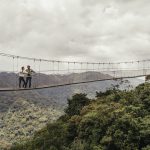
- Nyungwe Forest National Park: Offers chimpanzee trekking, forest walks and canopy experiences.
- Akagera National Park: A Big Five safari destination with lions, elephants, rhinos, leopards and buffaloes.
- Lake Kivu: A beautiful destination for relaxation, boat trips and lakeside experiences.
- Kigali: Offers cultural experiences and opportunities to learn about Rwanda’s history.
Rwanda is especially suitable for travellers with limited time who want to combine gorilla trekking with a relaxing safari or cultural holiday.
Kenya: The Great Wildebeest Migration and Big Five Safaris
Kenya is one of Africa’s most popular safari destinations, offering excellent wildlife viewing, dramatic landscapes and established safari infrastructure.
Popular attractions include:
- Maasai Mara National Reserve: Famous for the Great Wildebeest Migration and big cats.
- Amboseli National Park: Known for large elephant herds and spectacular views of Mount Kilimanjaro.
- Lake Nakuru National Park: Famous for rhinos, flamingos and diverse birdlife.
- Tsavo East and Tsavo West National Parks: Known for elephants, diverse landscapes and large wilderness areas.
- Samburu National Reserve: Offers sightings of unique northern species, including Grevy’s zebras and reticulated giraffes.
Kenya is an excellent choice for travellers seeking classic savannah safaris, wildlife photography and the famous Mara River migration crossings.
Tanzania: Serengeti, Ngorongoro and Mount Kilimanjaro
Tanzania offers some of Africa’s most spectacular safari experiences. It is particularly famous for the Serengeti ecosystem and the Great Wildebeest Migration.
Top destinations include:
- Serengeti National Park: Famous for millions of wildebeest, zebras, predators and seasonal river crossings.
- Ngorongoro Crater: A remarkable wildlife destination with excellent opportunities to see the Big Five.
- Tarangire National Park: Known for elephants, ancient baobab trees and seasonal wildlife concentrations.
- Lake Manyara National Park: Offers beautiful scenery, birdlife and opportunities to spot tree-climbing lions.
- Mount Kilimanjaro: Africa’s highest mountain and a popular trekking destination.
- Zanzibar: A perfect destination for beach relaxation after a wildlife safari.
Tanzania is ideal for travellers looking for extended wildlife adventures, scenic landscapes and opportunities to combine a safari with a beach holiday.
2. Decide How Many Countries to Include
Although visiting every East African country may sound exciting, adding too many destinations can make your holiday rushed and expensive.
A good multi-country safari should allow enough time to enjoy each destination without spending most of your holiday travelling between them.
Consider these popular combinations:
Uganda and Rwanda Safari
A Uganda and Rwanda safari is particularly suitable for travellers interested in mountain gorillas, chimpanzees, scenic landscapes and cultural experiences.
Possible highlights include:
- Gorilla trekking in Bwindi Impenetrable National Park.
- Gorilla trekking in Volcanoes National Park.
- Golden monkey tracking in Rwanda.
- Chimpanzee trekking in Kibale Forest.
- Exploring Kigali and Lake Kivu.
Recommended duration: 7–12 days, depending on the number of activities and destinations.
Uganda and Kenya Safari
This combination brings together Uganda’s primate experiences and Kenya’s classic savannah wildlife.
Possible highlights include:
- Gorilla trekking in Bwindi.
- Wildlife viewing in Queen Elizabeth National Park.
- A safari in the Maasai Mara.
- Elephant viewing in Amboseli.
- Cultural experiences with local communities.
Recommended duration: 10–14 days.
Kenya and Tanzania Safari
Kenya and Tanzania are excellent for travellers interested in the Great Wildebeest Migration and classic African wildlife.
Possible highlights include:
- Game drives in the Maasai Mara.
- Exploring the Serengeti.
- Visiting the Ngorongoro Crater.
- Watching elephants in Tarangire.
- Relaxing in Zanzibar.
Recommended duration: 10–14 days, or longer if including Zanzibar.
Uganda, Rwanda and Tanzania Safari
This itinerary combines East Africa’s famous primate experiences with Tanzania’s outstanding savannah wildlife.
Possible highlights include:
- Gorilla trekking in Uganda or Rwanda.
- Chimpanzee tracking in Uganda.
- Game drives in the Serengeti.
- Exploring Ngorongoro Crater.
- Visiting Tarangire National Park.
Recommended duration: 12–16 days.
Uganda, Kenya and Tanzania Safari
This is an excellent combination for travellers who want a diverse East African experience.
You can enjoy mountain gorilla trekking in Uganda, classic wildlife safaris in Kenya and the spectacular Serengeti ecosystem in Tanzania.
Recommended duration: 14–18 days.
3. Choose the Best Time for Your East African Safari
East Africa can be visited throughout the year, but the best time depends on your interests, preferred activities and the countries you plan to visit.
The region generally experiences wetter and drier seasons, although weather patterns differ between destinations and altitudes.
June to September: Excellent for Classic Wildlife Safaris
These months are generally popular for wildlife viewing in Uganda, Kenya and Tanzania.
Benefits include:
- Good opportunities for wildlife viewing around water sources.
- Generally drier conditions in many savannah parks.
- Excellent conditions for gorilla trekking, although rainforest trails can remain muddy.
- Seasonal Great Migration activity in the northern Serengeti and Maasai Mara.
December to February: Excellent for Wildlife and Calving Season
This period offers excellent safari opportunities in many parts of East Africa.
Highlights include:
- Wildebeest calving season in the southern Serengeti and Ndutu region.
- Good wildlife viewing in several savannah parks.
- Opportunities for gorilla trekking in Uganda and Rwanda.
- Warm weather in coastal destinations such as Zanzibar.
March to May: Green Season
The long rainy season affects many East African destinations during these months.
However, it can be rewarding for travellers who prefer fewer visitors and lush landscapes.
Advantages include:
- Beautiful green scenery.
- Excellent birdwatching opportunities.
- Fewer crowds in some parks.
- Potentially attractive accommodation rates.
Some roads and forest trails may become difficult to navigate, so flexible planning is important.
October to November: Short Rainy Season
These months bring shorter rains to several destinations, although rainfall varies.
Travellers can enjoy green landscapes, fewer visitors in some areas and good wildlife experiences.
Important: The Great Wildebeest Migration is a year-round movement. Its location changes according to rainfall, grazing conditions and the availability of fresh grass. Always plan your itinerary around the expected migration location rather than assuming it will be in one particular park.
4. Plan Your Safari Around the Great Wildebeest Migration
The Great Wildebeest Migration is one of the biggest attractions for travellers visiting Kenya and Tanzania.
More than a million wildebeest, accompanied by zebras and gazelles, move through the Serengeti-Mara ecosystem in search of fresh grazing and water.
The migration is not a single event that happens on one day. It is a continuous annual movement involving calving, grazing, predator encounters and river crossings.
Some important migration locations include:
- Southern Serengeti and Ndutu: Known for the calving season, usually around January to March.
- Central Serengeti: Offers wildlife viewing throughout the year and can provide opportunities to see migrating herds.
- Western Serengeti and Grumeti River: Known for seasonal migration activity and possible river crossings.
- Northern Serengeti: Important during the migration’s northward movement and river-crossing season.
- Maasai Mara: Often receives large herds during the middle and later parts of the year, although timing varies.
For travellers visiting both Kenya and Tanzania, a well-planned itinerary can provide opportunities to experience different stages of the migration.
5. Understand Visa Requirements and Border Crossings
Before booking a multi-country East African safari, check the entry requirements for every country on your itinerary.
Visa rules depend on your nationality, passport validity, travel purpose and the countries you intend to visit.
East African Tourist Visa
The East African Tourist Visa is a useful option for eligible travellers visiting Uganda, Rwanda and Kenya.
It generally allows multiple entries between these three participating countries during its validity period, subject to the applicable conditions.
Important points:
- It is generally valid for 90 days.
- It is designed for tourism across Uganda, Rwanda and Kenya.
- It does not include Tanzania.
- Travellers must meet the relevant entry requirements.
- The visa must be obtained through the appropriate participating country’s immigration system.
Travellers visiting Tanzania should check Tanzania’s separate visa requirements.
Important Documents to Prepare
Before travelling, make sure you have:
- A valid passport meeting the entry requirements of each country.
- The required visas or travel authorisations.
- Confirmed accommodation bookings.
- Safari itinerary and transport details.
- Gorilla or chimpanzee trekking permits where applicable.
- Travel insurance.
- Relevant vaccination documentation where required.
Always confirm the latest immigration and health requirements through official government sources before departure.
6. Book Gorilla and Chimpanzee Trekking Permits Early
If your multi-country safari includes gorilla trekking or chimpanzee tracking, permit availability should be one of your first considerations.
Gorilla trekking is a highly regulated conservation activity, and the number of visitors allowed to visit habituated gorilla groups each day is limited.
In Uganda, mountain gorilla trekking takes place in:
- Bwindi Impenetrable National Park.
- Mgahinga Gorilla National Park.
In Rwanda, gorilla trekking takes place in Volcanoes National Park.
Chimpanzee trekking is available in destinations such as:
- Kibale Forest National Park in Uganda.
- Nyungwe Forest National Park in Rwanda.
- Other designated forest destinations, depending on the available activity and regulations.
When planning your itinerary:
- Choose your preferred trekking country and park.
- Check permit availability for your travel dates.
- Confirm the permit price and applicable booking conditions.
- Arrange accommodation near the trekking starting point.
- Organise transport to the park.
- Allow enough time for the trekking experience.
Avoid booking international flights before confirming the availability of essential permits if gorilla trekking is the main reason for your trip.
7. Choose the Right Transportation Between Countries
Transportation is one of the most important considerations when planning a multi-country East African safari.
You can travel between destinations by road, domestic flights or international flights, depending on your itinerary, budget and available connections.
Road Transfers
Road travel is particularly useful when combining nearby destinations.
Examples include:
- Kampala to Bwindi Impenetrable National Park.
- Kigali to Volcanoes National Park.
- Nairobi to the Maasai Mara.
- Arusha to Tarangire National Park.
- Arusha to the Ngorongoro Conservation Area.
Road journeys allow travellers to enjoy scenic landscapes, local communities and countryside experiences along the way.
However, some safari destinations are far apart, so it is important to account for driving time and road conditions.
Domestic and Regional Flights
Flights can save considerable time when connecting distant safari destinations.
Examples include:
- Entebbe to selected airstrips serving Uganda’s national parks.
- Nairobi to the Maasai Mara.
- Arusha or Kilimanjaro to Serengeti airstrips.
- Regional flights connecting major East African cities.
Flight schedules, luggage restrictions and available routes vary, so confirm these details before finalising your itinerary.
Private Safari Vehicles
A private safari vehicle is an excellent option for travellers who want flexibility and comfort.
A professional driver-guide can help with:
- Airport transfers.
- Border-crossing arrangements.
- Game drives.
- Park entry procedures.
- Transfers between lodges.
- Local destination information.
For a multi-country trip, check whether you will use different safari vehicles and guides in different countries. Cross-border vehicle arrangements may be subject to permits and operator regulations.
8. Select Accommodation According to Your Budget
East Africa offers accommodation options for different budgets, from comfortable safari lodges to luxury tented camps and exclusive wilderness retreats.
Your accommodation choices should consider location, comfort, accessibility and the activities included in your itinerary.
Budget Accommodation
Budget travellers can choose:
- Guesthouses.
- Budget safari lodges.
- Campsites.
- Simple hotels.
- Affordable safari camps.
These options are suitable for travellers who want to experience East Africa without spending too much on accommodation.
Midrange Accommodation
Midrange lodges and tented camps offer a balance between comfort and affordability.
They commonly provide:
- Private rooms and bathrooms.
- Restaurant facilities.
- Comfortable beds.
- Scenic surroundings.
- Access to nearby safari activities.
Luxury Safari Accommodation
Luxury travellers can enjoy exclusive lodges and tented camps located in or near major wildlife destinations.
Some offer:
- Spacious suites.
- Private verandas.
- Fine dining.
- Swimming pools.
- Private game drives.
- Exceptional wilderness views.
For migration safaris, choosing accommodation in the right area is particularly important. A lodge close to the expected location of the migrating herds can improve your chances of enjoying excellent wildlife encounters.
9. Set a Realistic Budget for Your Multi-Country Safari
The cost of a multi-country East African safari depends on the number of countries, travel duration, accommodation category, transport arrangements and activities.
Some of the main expenses include:
| Safari expense | What to consider |
|---|---|
| International flights | Flights into and out of East Africa |
| Regional transport | Domestic flights and road transfers |
| Accommodation | Budget, midrange or luxury lodges |
| Park fees | National park and conservation charges |
| Gorilla permits | Applicable permit fees in Uganda or Rwanda |
| Chimpanzee permits | Permit costs and activity arrangements |
| Safari activities | Game drives, boat cruises and guided walks |
| Visas | Entry requirements for each country |
| Meals and drinks | Depending on the accommodation package |
| Travel insurance | Medical, cancellation and travel protection |
| Tips and extras | Guide tips, souvenirs and personal expenses |
How to Save Money on a Multi-Country Safari
You can reduce the cost of your safari by:
- Travelling in a group and sharing transportation costs.
- Choosing midrange or budget accommodation.
- Combining destinations that are geographically close.
- Avoiding unnecessary flights.
- Travelling during less busy periods.
- Booking permits and accommodation early.
- Choosing a realistic number of destinations.
Remember that the cheapest itinerary is not always the best. A well-organised safari can offer better value by reducing unnecessary transfers and giving you more time in the national parks.
10. Decide Which Safari Activities You Want to Experience
A multi-country East African safari is about much more than game drives. The region offers a wide variety of activities that can make your holiday more memorable.
Mountain Gorilla Trekking
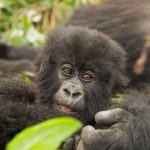
Mountain gorilla trekking is one of the most extraordinary wildlife experiences in Africa.
Visitors hike through tropical forests with trained guides and trackers to find a habituated gorilla family.
The experience offers an opportunity to observe gorillas in their natural habitat while learning about conservation efforts.
Chimpanzee Trekking
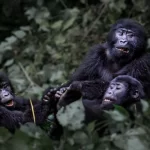
Chimpanzee trekking takes visitors into tropical forests to observe wild chimpanzees.
Kibale Forest in Uganda and Nyungwe Forest in Rwanda are among the region’s important chimpanzee destinations.
Big Five Game Drives
East Africa offers excellent opportunities to see the Big Five:
- Lions.
- Leopards.
- Elephants.
- Buffaloes.
- Rhinos.
Popular destinations include the Maasai Mara, Serengeti, Ngorongoro Crater and Akagera National Park.
Boat Safaris
Boat safaris provide a different perspective of East Africa’s wildlife.
Popular experiences include:
- Kazinga Channel in Queen Elizabeth National Park.
- Nile River in Murchison Falls National Park.
- Lake Mburo in Uganda.
- Lake Naivasha in Kenya.
- Selected lakes and waterways in Tanzania.
Cultural Experiences
Cultural visits allow travellers to learn about local traditions, history, crafts, food and community life.
Possible experiences include visiting Batwa cultural communities in southwestern Uganda, Maasai communities in Kenya and Tanzania, and cultural attractions in Rwanda.
Choose responsible cultural experiences that are organised with the involvement and consent of local communities.
11. Create a Practical Multi-Country Safari Itinerary
The best itinerary depends on your arrival airport, available time, interests and budget.
Below are examples of how you can combine different East African destinations.
Sample 10-Day Uganda and Rwanda Safari
| Day | Destination | Main activity |
|---|---|---|
| 1 | Entebbe, Uganda | Arrival and relaxation |
| 2 | Kibale Forest | Transfer to Kibale |
| 3 | Kibale Forest | Chimpanzee trekking |
| 4 | Queen Elizabeth National Park | Game drive |
| 5 | Bwindi | Transfer to Bwindi |
| 6 | Bwindi | Mountain gorilla trekking |
| 7 | Rwanda | Cross into Rwanda |
| 8 | Volcanoes National Park | Golden monkey tracking or leisure |
| 9 | Kigali | City and cultural experiences |
| 10 | Kigali | Departure |
This itinerary is an example and should be adjusted to suit border-crossing arrangements, driving times and permit availability.
Sample 12-Day Kenya and Tanzania Safari
| Day | Destination | Main activity |
|---|---|---|
| 1 | Nairobi, Kenya | Arrival |
| 2 | Amboseli National Park | Game drive |
| 3 | Amboseli | Wildlife viewing |
| 4 | Lake Nakuru | Transfer and game drive |
| 5 | Maasai Mara | Transfer to the reserve |
| 6 | Maasai Mara | Full-day game drive |
| 7 | Maasai Mara | Wildlife and migration viewing |
| 8 | Serengeti, Tanzania | Cross-border transfer or flight connection |
| 9 | Serengeti | Game drive |
| 10 | Ngorongoro | Transfer to the crater area |
| 11 | Ngorongoro Crater | Crater safari |
| 12 | Arusha | Departure |
This route requires careful planning of the Kenya-Tanzania border crossing or flight connections. Depending on the route and operator arrangements, a different sequence may be more practical.
Sample 14-Day Uganda, Kenya and Tanzania Safari
| Day | Destination | Main activity |
|---|---|---|
| 1 | Entebbe, Uganda | Arrival |
| 2 | Kibale Forest | Transfer |
| 3 | Kibale Forest | Chimpanzee trekking |
| 4 | Queen Elizabeth | Game drive and boat cruise |
| 5 | Bwindi | Transfer to Bwindi |
| 6 | Bwindi | Gorilla trekking |
| 7 | Entebbe | Return transfer |
| 8 | Nairobi, Kenya | Flight and arrival |
| 9 | Maasai Mara | Transfer and game drive |
| 10 | Maasai Mara | Full-day safari |
| 11 | Serengeti, Tanzania | Transfer or flight connection |
| 12 | Serengeti | Game drive |
| 13 | Ngorongoro | Crater safari |
| 14 | Arusha | Departure |
A 14-day trip covering three countries is ambitious. For a more relaxed holiday, consider extending it to 16–18 days or removing one or two destinations.
12. Consider Travel Insurance and Health Preparations
Health and safety preparations are essential when travelling across several countries.
Before departure:
- Consult a qualified travel health professional about recommended vaccinations and preventive measures.
- Check current yellow fever certificate requirements for your route and nationality.
- Discuss malaria prevention where relevant.
- Carry personal medication and prescriptions.
- Purchase travel insurance that covers your planned activities.
- Keep emergency contact information accessible.
- Follow your guides’ instructions during wildlife activities.
If your safari includes gorilla trekking, inform your tour operator about any health concerns that could affect participation. Visitors who are unwell with potentially contagious respiratory infections may be restricted from visiting gorillas to protect these endangered animals.
13. Work with an Experienced East African Safari Tour Operator
Planning a multi-country safari independently can be challenging, particularly when arranging permits, transport, accommodation and border crossings.
An experienced safari operator can help coordinate the different elements of your trip.
A reliable operator should assist with:
- Designing a suitable itinerary.
- Advising on the best travel season.
- Checking gorilla and chimpanzee permit availability.
- Arranging accommodation.
- Organising airport transfers and safari vehicles.
- Coordinating regional travel arrangements.
- Explaining visa and border requirements.
- Providing professional driver-guides.
- Offering clear quotations and booking conditions.
Before making a deposit, ask for a detailed itinerary, inclusions and exclusions, cancellation terms, payment arrangements and confirmation of essential permits.
Choose an operator with clear communication and experience in the destinations included in your safari.
14. Common Mistakes to Avoid When Planning a Multi-Country Safari
Even a well-funded safari can become stressful if important details are overlooked.
Avoid these common mistakes:
1. Including too many countries: Trying to visit four or five countries in a short holiday can result in long transfers and little time for actual safari activities.
2. Ignoring travel distances: Destinations that appear close on a map may require several hours of driving or complicated flight connections.
3. Booking flights before securing gorilla permits: Gorilla trekking permits are limited, so confirm availability before committing to an inflexible travel schedule.
4. Assuming one visa covers every country: The East African Tourist Visa does not cover Tanzania. Check the separate entry requirements for each destination.
5. Choosing accommodation too far from the parks: Long daily transfers can reduce the time available for wildlife viewing.
6. Planning migration safaris without checking seasonal movements: The Great Migration changes location throughout the year. Choose your travel dates and accommodation according to the expected herd movements.
7. Underestimating the budget: Include park fees, permits, transport, meals, insurance and other expenses when calculating the total cost.
8. Leaving insufficient time for border crossings: Allow realistic time for immigration procedures and road transfers.
Frequently Asked Questions About Planning a Multi-Country East African Safari
1. Which East African countries are best for a multi-country safari?
Uganda, Rwanda, Kenya and Tanzania are among the best countries for a multi-country East African safari. Uganda and Rwanda are particularly famous for mountain gorilla trekking, while Kenya and Tanzania offer outstanding savannah wildlife experiences and the Great Wildebeest Migration.
2. How many days do I need for a multi-country East African safari?
A two-country safari may take approximately 7–12 days, while a three-country safari may require 12–18 days. Travellers visiting four countries should consider at least three weeks to avoid rushing between destinations.
3. Can I visit Uganda, Rwanda, Kenya and Tanzania on one safari?
Yes. It is possible to combine all four countries in one holiday. However, you should allow sufficient time for transportation, border crossings, permits and activities. The East African Tourist Visa covers Uganda, Rwanda and Kenya for eligible travellers, but Tanzania has separate visa requirements.
4. What is the best time to visit East Africa for a safari?
June to September is generally popular for classic wildlife safaris, while January to February offers excellent opportunities for the wildebeest calving season in the southern Serengeti. However, East Africa can be visited throughout the year, depending on your interests.
5. Can I combine gorilla trekking with the Great Wildebeest Migration?
Yes. You can combine mountain gorilla trekking in Uganda or Rwanda with migration viewing in Kenya or Tanzania. A safari of approximately 12–18 days or longer can provide enough time for both experiences, depending on the route.
6. Is the East African Tourist Visa valid in Tanzania?
No. The East African Tourist Visa is designed for eligible visitors travelling between Uganda, Rwanda and Kenya. Tanzania has its own immigration and visa requirements.
7. Is it better to travel by road or air between East African countries?
It depends on the destinations. Road transfers are useful for nearby parks and border crossings, while flights are often more convenient for long distances. A combination of road and air transport is usually the most practical approach.
8. How much does a multi-country East African safari cost?
The cost depends on the number of countries, travel duration, accommodation category, transport, park fees and activities. Gorilla trekking permits can also represent a significant part of the budget. Request a personalised quotation based on your preferred travel dates and destinations.
9. Can I combine an East African safari with a Zanzibar beach holiday?
Yes. Tanzania’s Zanzibar Island is an excellent place to relax after a wildlife safari in the Serengeti, Ngorongoro or Tarangire. You can also combine Zanzibar with a Kenya or Uganda safari using suitable flight connections.
10. Is a multi-country East African safari suitable for families?
Yes. Families can enjoy wildlife safaris, boat cruises, cultural experiences and beach holidays across East Africa. However, age restrictions apply to some activities, including gorilla and chimpanzee trekking. Check the relevant park regulations before booking.
Plan Your Multi-Country East African Safari with Epic Uganda Vacation
A multi-country East African safari offers an opportunity to experience some of Africa’s most extraordinary natural attractions in one holiday. From mountain gorilla trekking in Uganda and Rwanda to the Great Wildebeest Migration in Kenya and Tanzania, every destination adds something special to your adventure.
The secret to a successful safari is choosing the right combination of countries, travelling at the appropriate time of year and allowing enough time to enjoy each destination.
At Epic Uganda Vacation, we can help you explore safari possibilities across East Africa and plan an itinerary around your interests, travel dates and budget. Whether you want to track mountain gorillas, encounter chimpanzees, explore the Serengeti or combine a wildlife adventure with a relaxing beach holiday, your journey can be tailored to your preferences.
Contact Epic Uganda Vacation today to start planning your unforgettable East African safari.