The Ultimate Guide to Gorilla Trekking in Rwanda: Permits, Costs, Best Time to Visit and Safari Experiences
Rwanda is one of Africa’s most remarkable destinations for mountain gorilla trekking, offering travellers an unforgettable opportunity to encounter endangered mountain gorillas in their natural habitat. Famously known as the Land of a Thousand Hills, Rwanda is celebrated for its rolling green landscapes, volcanic mountains, tropical forests and outstanding wildlife conservation programmes.
Located in East-Central Africa, Rwanda shares borders with Uganda, Tanzania, Burundi and the Democratic Republic of Congo (DR Congo). Despite being a relatively small country, it offers exceptional wildlife experiences, including mountain gorilla trekking, golden monkey tracking, chimpanzee trekking, birdwatching and traditional savannah safaris.
The country’s main gorilla trekking destination is Volcanoes National Park, situated in the northwestern part of Rwanda within the Virunga Conservation Area. The park protects several habituated mountain gorilla families and forms part of the wider Virunga mountain ecosystem shared by Rwanda, Uganda and DR Congo.
Rwanda is also historically important in mountain gorilla conservation because of the pioneering work of American primatologist Dian Fossey. She established the Karisoke Research Center between Mount Karisimbi and Mount Bisoke in 1967, conducting groundbreaking research that helped transform international efforts to protect mountain gorillas.
Today, gorilla trekking in Rwanda is among Africa’s most exclusive wildlife experiences. A standard foreign tourist gorilla trekking permit costs US$1,500 per person, providing access to one of the habituated gorilla families in Volcanoes National Park for a guided trekking experience.
Whether you are planning a short gorilla trekking excursion from Kigali or a longer Rwanda safari combining gorillas, golden monkeys, chimpanzees and savannah wildlife, this guide explains everything you need to know about permits, prices, booking procedures, trekking requirements and the best time to visit.
1. Where Does Gorilla Trekking Take Place in Rwanda?
Gorilla trekking in Rwanda takes place exclusively in Volcanoes National Park, one of Africa’s most important mountain gorilla conservation areas.
The park is located in Musanze District in northwestern Rwanda and forms part of the Virunga Massif, a chain of volcanic mountains extending across Rwanda, Uganda and the Democratic Republic of Congo.
Volcanoes National Park is characterised by bamboo forests, montane vegetation, volcanic slopes and dense tropical rainforest. These habitats provide shelter and food for endangered mountain gorillas and other wildlife species.
The park is home to several habituated mountain gorilla families that visitors can track with authorised park guides and trackers.
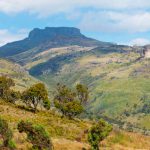
Volcanoes National Park and the Virunga Mountains
Volcanoes National Park protects part of the Virunga Mountains, which include several volcanic peaks:
-
Mount Karisimbi: Rwanda’s highest mountain, rising approximately 4,507 metres above sea level.
-
Mount Bisoke: A dormant volcano famous for its beautiful crater lake.
-
Mount Muhabura: A prominent volcanic peak standing approximately 4,127 metres high.
-
Mount Gahinga: A volcanic mountain shared by Rwanda and Uganda.
-
Mount Sabyinyo: A distinctive volcano whose summit marks the convergence of Rwanda, Uganda and DR Congo.
These mountains form an important habitat for mountain gorillas and other Albertine Rift wildlife.
The history of mountain gorilla conservation in Rwanda is closely connected to the work of Dian Fossey.
In 1967, Fossey established the Karisoke Research Center between Mount Karisimbi and Mount Bisoke. Her research focused on understanding mountain gorilla behaviour, social structures, reproduction and threats to their survival.
She also became internationally recognised for her efforts against poaching and illegal wildlife activities.
Visitors interested in her conservation legacy can undertake a guided hike to the Dian Fossey tomb and former research site. This is a separate activity from standard gorilla trekking and requires additional time and physical preparation.
2. How Much Is a Rwanda Gorilla Trekking Permit?
The cost of a gorilla trekking permit in Rwanda depends on the visitor’s eligibility category and the applicable Rwanda Development Board (RDB) tariff.
For international visitors travelling as foreign non-residents, the standard gorilla trekking permit costs US$1,500 per person.
The permit gives the holder access to one gorilla trekking experience in Volcanoes National Park, accompanied by authorised park guides and trackers.
Rwanda Gorilla Trekking Permit Prices
| Visitor category | Standard permit price |
|---|---|
| Foreign non-resident | US$1,500 |
| Foreign resident in Rwanda | US$500 |
| Rwandan citizen | US$200 |
| East African citizen | US$200 |
Rates are based on the Rwanda Development Board’s published booking tariff. Eligibility and supporting documentation must be verified when applying.
You can check availability and apply through the official booking platform:
Rwanda Development Board – Gorilla Trekking Permits.
What Is Included in a Rwanda Gorilla Trekking Permit?
The permit provides access to the authorised gorilla trekking activity in Volcanoes National Park. It includes the park’s gorilla trekking arrangements and the services of park guides and trackers.
However, travellers should budget separately for:
-
Airport transfers and ground transportation.
-
Accommodation before and after trekking.
-
Meals and drinks.
-
Porter services.
-
Travel insurance.
-
Personal expenses and tips.
-
Additional activities such as golden monkey trekking and Dian Fossey hiking.
Why Is Gorilla Trekking in Rwanda Expensive?
Many travellers ask why Rwanda charges US$1,500 for a gorilla trekking permit when Uganda offers a less expensive alternative.
The high price reflects several factors connected to wildlife conservation, tourism management and the country’s positioning as a premium wildlife destination.
1. Mountain Gorilla Conservation
Mountain gorillas are endangered primates requiring continuous protection. Conservation authorities invest in veterinary care, habitat protection, anti-poaching operations, scientific monitoring and ranger patrols.
These activities require specialised personnel, equipment and long-term financial resources.
2. Limited Gorilla Trekking Permits
Gorilla trekking is carefully regulated to minimise disturbance to the animals.
A maximum of eight visitors is generally permitted to visit a habituated gorilla family per day. The limited number of permits creates a controlled, low-volume tourism experience.
3. Gorilla Habituation and Monitoring
Before a gorilla family becomes available for tourism, it undergoes a gradual habituation process under the supervision of experienced trackers and conservation specialists.
The process requires considerable time, research and monitoring to ensure that gorillas become accustomed to human presence without compromising their natural behaviour.
4. Community Development and Revenue Sharing
Gorilla tourism contributes to the development of communities living around Volcanoes National Park.
Rwanda operates a tourism revenue-sharing programme that allocates 10% of tourism revenue from national parks to community development projects. These initiatives support infrastructure, education, livelihoods and other local priorities.
5. Rwanda’s Premium Tourism Strategy
Rwanda has positioned itself as a high-value, conservation-focused tourism destination.
The country promotes quality safari experiences, luxury accommodation, professional guiding and responsible tourism. This strategy contributes to the premium pricing of its gorilla trekking permits.
3. Requirements for Acquiring a Rwanda Gorilla Trekking Permit
Before booking a gorilla trekking safari in Rwanda, travellers should understand the requirements established by the Rwanda Development Board.
The following are the main requirements:
1. Minimum Age Requirement
Visitors must be at least 15 years old to participate in mountain gorilla trekking in Rwanda. Children below this age are not permitted to undertake the activity.
2. Valid Passport
Travellers must provide valid identification and passport information when booking their permits. The information submitted should match the travel documents presented at the park.
3. Advance Permit Reservation
Gorilla permits are limited, particularly during the busy June-to-September and December-to-February travel periods.
It is advisable to reserve your permit several months in advance, especially if you have fixed travel dates or wish to stay at a particular lodge.
4. Booking Through an Authorised Channel
Permits can be obtained through the official Rwanda Development Board booking platform or through a recognised tour operator.
Using an experienced safari operator can simplify the process of securing permits, arranging accommodation, organising transport and preparing a complete itinerary.
5. Physical Fitness
Gorilla trekking involves hiking through mountainous rainforest terrain. Depending on the assigned gorilla family, visitors may walk for several hours over steep, muddy and uneven trails.
A reasonable level of physical fitness is recommended.
6. Good Health
Visitors with contagious illnesses, including flu-like symptoms, should not participate in gorilla trekking. Mountain gorillas are highly susceptible to human respiratory infections.
How to Book a Rwanda Gorilla Trekking Permit
The booking process generally involves the following steps:
-
Choose your preferred gorilla trekking date.
-
Confirm permit availability with the Rwanda Development Board or your tour operator.
-
Provide the required passport and identification details.
-
Complete the applicable payment process.
-
Obtain confirmation of your gorilla trekking permit.
-
Arrange accommodation and transportation to Volcanoes National Park.
Safari planning tip: If you are travelling with a tour operator, confirm that the permit has been secured before making non-refundable accommodation or international flight arrangements.
4. What Happens During a Rwanda Gorilla Trekking Experience
A Rwanda gorilla trekking experience begins early in the morning at the Volcanoes National Park headquarters in Kinigi.
Visitors are expected to arrive at approximately 7:00 AM for registration and a briefing by park officials. During the briefing, guides explain the trekking procedures, safety requirements and gorilla conservation rules.
The trekking experience follows several stages.
Step 1: Morning Registration and Briefing
Upon arrival at Kinigi, visitors present their gorilla permits and identification documents for verification.
Park officials provide information about the gorilla families, trekking procedures and expected behaviour in the forest.
Visitors are then assigned to different gorilla families based on factors such as fitness levels, trekking preferences and the daily allocation arrangements.
Step 2: Entering the Forest
After the briefing, visitors travel to the designated trekking starting points, where they meet their guides and trackers.
The actual hike takes place through bamboo forests, thick vegetation and mountainous terrain.
Depending on the location of the assigned gorilla family, the trek may take approximately two to six hours or longer. Some families are found relatively close to the starting point, while others may require considerably more hiking.
Step 3: Encountering Mountain Gorillas
Once trackers locate the gorilla family, visitors are guided towards the viewing location.
The maximum viewing time is one hour. During this period, visitors can observe the gorillas feeding, grooming, playing, resting and interacting with other family members.
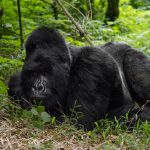
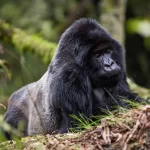
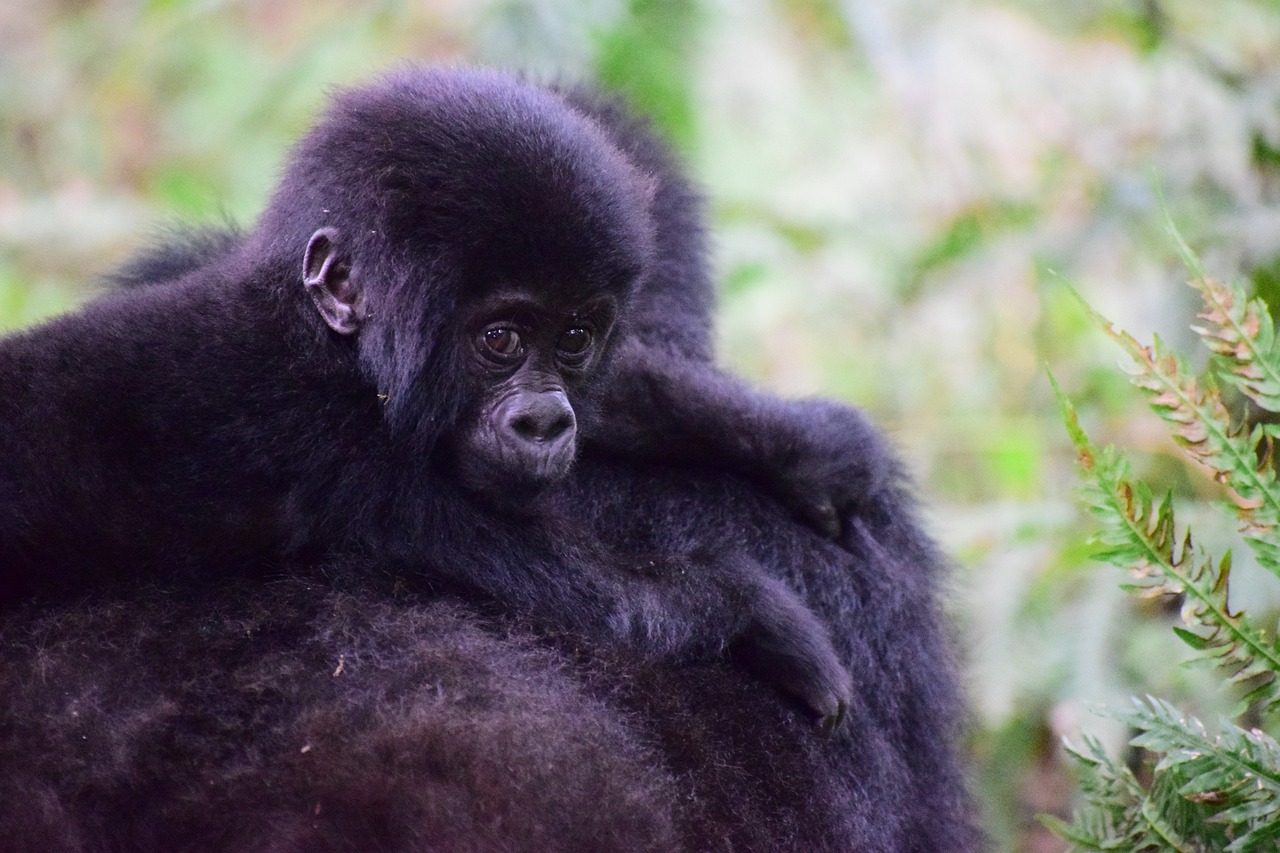
You may encounter a dominant silverback, adult females, juveniles and young infants.
This close encounter is the highlight of the entire experience and provides an opportunity to understand the behaviour of these endangered primates.
Step 4: Returning from the Trek
After spending one hour with the gorillas, visitors follow their guides back through the forest to the starting point.
At the end of the trek, visitors may receive a gorilla trekking certificate recognising their participation in the conservation experience.
How Long Does Gorilla Trekking Take in Rwanda?
The duration varies depending on the location and movements of the gorilla family.
| Activity | Approximate duration |
|---|---|
| Morning briefing | 30–60 minutes |
| Gorilla trekking | 2–6 hours or longer |
| Gorilla viewing | Maximum 1 hour |
| Return journey | Depends on trekking route |
The overall experience can take most of the morning or extend into the afternoon.
5. Rules and Regulations for Gorilla Trekking in Rwanda
Gorilla trekking is a carefully controlled wildlife activity. Visitors must follow the regulations established by the Rwanda Development Board to protect both people and gorillas.
The important rules include:
-
Minimum age: Visitors must be at least 15 years old.
-
Maximum group size: A maximum of eight visitors is generally permitted per habituated gorilla family.
-
Viewing duration: Visitors can spend a maximum of one hour with the gorillas.
-
Minimum distance: Maintain the recommended distance from gorillas as instructed by park guides.
-
No touching: Never touch or attempt to feed the gorillas.
-
No flash photography: Flash photography is prohibited.
-
Avoid loud noises: Keep your voice low and avoid sudden movements.
-
No eating or smoking: Do not eat, drink or smoke while in the presence of gorillas.
-
No trekking when sick: Visitors with contagious illnesses should not participate.
-
Follow your guide: Always follow instructions from the park guides and trackers.
-
No littering: Carry all rubbish out of the forest.
These regulations help reduce human disturbance and minimise the risk of transmitting diseases to mountain gorillas.
6. Top Activities to Combine with Gorilla Trekking in Rwanda
One advantage of visiting Rwanda is the opportunity to combine gorilla trekking with several other wildlife, cultural and historical experiences.
Instead of limiting your holiday to Volcanoes National Park, consider extending your itinerary to explore the country’s other remarkable destinations.
1. Golden Monkey Trekking in Volcanoes National Park
Golden monkey trekking is one of the most popular activities to combine with mountain gorilla trekking.
The activity takes place in the bamboo forests of Volcanoes National Park, where visitors encounter the endangered golden monkeys, known for their distinctive golden-orange fur.
Golden monkeys are highly active primates, often seen jumping between bamboo branches, feeding and moving through the forest in large groups.
The trekking experience involves walking through bamboo vegetation with experienced park guides and trackers.
What to expect:
-
Searching for golden monkeys in their natural habitat.
-
Observing their feeding and social behaviour.
-
Photography opportunities.
-
Learning about golden monkey conservation.
-
Exploring the bamboo forests of the Virunga Mountains.
The trekking experience generally takes two to four hours, although conditions vary. Visitors are allowed one hour with the golden monkeys.
2. Hiking to the Dian Fossey Tomb and Karisoke Research Center
A hike to the Dian Fossey tomb is another rewarding experience for travellers interested in mountain gorilla conservation.
Dian Fossey dedicated much of her life to studying and protecting mountain gorillas in the Virunga Mountains. Her research helped establish an important foundation for modern gorilla conservation.
The hike takes visitors to the former Karisoke Research Center, located between Mount Karisimbi and Mount Bisoke.
At the site, visitors can see Dian Fossey’s grave, located beside the grave of Digit, her favourite gorilla, and other gorillas that died during the conservation struggle.
The experience also provides an opportunity to learn about her research, conservation activities and the challenges she faced while protecting mountain gorillas.
What to expect:
-
Guided hiking through montane forest.
-
Visiting the historic Karisoke Research Center.
-
Seeing Dian Fossey’s burial site.
-
Learning about the history of gorilla conservation.
-
Observing forest wildlife and bird species.
The hike begins with a drive from Kinigi to the trailhead, followed by a forest walk. The walking section to the research centre takes approximately one to one-and-a-half hours, although the complete excursion takes longer.
3. Cultural Encounters at the Gorilla Guardian Village
The Gorilla Guardian Village is an important cultural tourism attraction near Volcanoes National Park.
Formerly known as the Iby’Iwacu Cultural Village, the centre provides visitors with opportunities to experience Rwandan traditions, cultural performances and community life.
The village was developed to create alternative livelihoods for local communities while encouraging participation in gorilla conservation.
Visitors can participate in various cultural activities, including:
-
Traditional Intore dance performances.
-
Traditional music and drumming.
-
Local food preparation and tasting.
-
Traditional medicine demonstrations.
-
Craft-making activities.
-
Learning about Rwanda’s traditional leadership and cultural heritage.
A visit to the village is an excellent way to complement gorilla trekking with an understanding of the communities living around Volcanoes National Park.
4. Kigali City Tour
Kigali, Rwanda’s capital, is a popular starting and ending point for gorilla trekking safaris.
The city is known for its organised urban environment, rolling hills, cultural attractions and historical landmarks.
A Kigali city tour can be arranged before travelling to Volcanoes National Park or after completing your gorilla trekking experience.
Important attractions include:
Kigali Genocide Memorial: A significant historical site commemorating the victims of the 1994 Genocide against the Tutsi. Visitors learn about Rwanda’s tragic history, remembrance and national reconciliation.
Belgian Peacekeepers Memorial: A memorial dedicated to the ten Belgian United Nations peacekeepers killed during the 1994 genocide.
Presidential Palace Museum: The former presidential residence provides insight into Rwanda’s political history and the country’s past.
Kimironko Market: A busy local market where visitors can explore traditional fabrics, crafts, fresh produce and everyday Rwandan life.
Kigali Convention Centre: An iconic architectural landmark that has become one of the city’s recognisable modern attractions.
5. Chimpanzee Trekking in Nyungwe Forest National Park
For visitors interested in experiencing more of Africa’s great apes, chimpanzee trekking in Nyungwe National Park is an excellent addition to a Rwanda gorilla safari.
Nyungwe protects an extensive tropical rainforest ecosystem in southwestern Rwanda. It is home to chimpanzees, colobus monkeys, L’Hoest’s monkeys and numerous bird species.
Chimpanzee trekking takes place in designated forest areas, including Uwinka and Cyamudongo.
The experience starts early in the morning, when visitors meet park guides and trackers before entering the forest to search for habituated chimpanzee communities.
Unlike mountain gorillas, chimpanzees are highly active and frequently move through the forest canopy, making their tracking experience particularly exciting.
Other activities in Nyungwe include:
-
Canopy walkway excursions.
-
Colobus monkey tracking.
-
Birdwatching.
-
Guided forest hikes.
-
Waterfall visits.
-
Nature photography.
A Rwanda itinerary combining gorilla trekking in Volcanoes National Park and chimpanzee tracking in Nyungwe provides an exceptional primate safari experience.
6. Savannah Game Drives in Akagera National Park
If you want to experience a different side of Rwanda’s wildlife, consider visiting Akagera National Park.
Unlike the mountainous forests of Volcanoes and Nyungwe, Akagera is characterised by open savannah plains, woodland, lakes and wetlands.
It is Rwanda’s principal savannah wildlife destination and home to the Big Five:
-
Lions.
-
African elephants.
-
Leopards.
-
Rhinoceroses.
-
African buffaloes.
Other wildlife includes giraffes, zebras, hippos, crocodiles, antelopes and numerous bird species.
Popular activities include morning and afternoon game drives, boat cruises on Lake Ihema, birdwatching and guided nature experiences.
For travellers interested in combining gorilla trekking with a traditional African wildlife safari, Akagera is an excellent addition.
7. Alternative Destinations: Where Else Can You See Mountain Gorillas?
Mountain gorillas are found in only three countries: Rwanda, Uganda and the Democratic Republic of Congo. These countries share the Virunga conservation landscape, although Uganda also protects mountain gorillas in Bwindi Impenetrable National Park.
Travellers comparing gorilla trekking destinations should consider permit costs, accessibility, accommodation, trekking conditions and the overall safari experience.
1. Uganda: Bwindi Impenetrable National Park and Mgahinga Gorilla National Park
Uganda is one of the world’s leading mountain gorilla trekking destinations, protecting more than half of the world’s remaining mountain gorillas.
Gorilla trekking takes place in two national parks:
Bwindi Impenetrable National Park
Bwindi is located in southwestern Uganda and is famous for its dense tropical rainforest and numerous habituated gorilla families.
The park is divided into four trekking sectors:
-
Buhoma.
-
Ruhija.
-
Rushaga.
-
Nkuringo.
Each sector has different gorilla families and accommodation options, making it possible to plan budget, mid-range and luxury gorilla trekking safaris.
Mgahinga Gorilla National Park
Mgahinga is Uganda’s smallest national park and forms part of the Virunga Conservation Area.
It is home to the Nyakagezi gorilla family, which is available for tourism. Visitors can also combine gorilla trekking with golden monkey tracking and volcano hiking.
Uganda gorilla trekking permit cost: The standard foreign non-resident permit is US$800 per person under the published tariff. Other visitor categories have different rates.
Uganda is an attractive alternative for travellers seeking a more affordable gorilla trekking experience or a longer safari combining gorillas, chimpanzees and savannah wildlife.
2. Democratic Republic of Congo: Virunga National Park and Kahuzi-Biega National Park
The Democratic Republic of Congo is another important mountain gorilla conservation destination.
Mountain gorilla trekking has historically taken place in Virunga National Park, which protects part of the Virunga Massif.
The country is also home to eastern lowland gorillas in Kahuzi-Biega National Park. These are different from mountain gorillas and are not found in Rwanda’s Volcanoes National Park.
Important distinction: Kahuzi-Biega is famous for eastern lowland gorilla trekking, not mountain gorilla trekking.
Travel to Virunga and other protected areas in eastern DR Congo requires particular caution because of ongoing insecurity and restrictions on tourism. Check official park operating status and government travel advisories before considering a visit.
8. When Is the Best Time for Gorilla Trekking in Rwanda?
Gorilla trekking in Rwanda is available throughout the year, but certain months offer more favourable hiking conditions.
The country experiences two relatively dry seasons and two rainy periods. Since Volcanoes National Park is situated in a mountainous rainforest environment, rainfall can occur even during the drier months.
Dry Season: June to September
June to September is generally considered one of the best periods for gorilla trekking.
During these months:
-
Forest trails are often less muddy.
-
Hiking conditions are generally more manageable.
-
Road access to trekking areas is often easier.
-
Outdoor photography can be more convenient.
-
Volcano hiking and other outdoor activities are attractive.
July and August are particularly popular, so early permit reservations are recommended.
Short Dry Season: December to February
December to February is another favourable period for gorilla trekking.
Rainfall is generally lower than during the main rainy season, although showers remain possible in the forest.
This period is suitable for travellers combining gorilla trekking with golden monkey tracking, Kigali city tours and other outdoor activities.
Rainy Season: March to May and October to November
The rainy seasons bring increased rainfall to Volcanoes National Park.
However, gorilla trekking continues throughout these months, and there are several advantages to travelling during this period:
-
Beautiful green forest landscapes.
-
Excellent opportunities for nature photography.
-
Potentially fewer visitors at some accommodation properties.
-
Attractive seasonal accommodation offers.
-
Excellent conditions for exploring Rwanda’s lush vegetation.
One important consideration is that gorilla movements are unpredictable. Although gorillas sometimes feed at lower elevations during rainy periods, this is not guaranteed, and visitors should not assume that wet-season trekking will necessarily be shorter.
Our recommendation: Choose June to September or December to February if you prioritise relatively favourable hiking conditions. Consider the rainy seasons if you are flexible and interested in greener landscapes and potentially quieter travel periods.
9. Where to Stay During Gorilla Trekking in Rwanda
Rwanda offers accommodation ranging from luxury safari lodges to comfortable mid-range hotels and budget guesthouses around Volcanoes National Park.
Most gorilla trekking accommodation is located in Musanze, Kinigi and the surrounding areas.
Some popular options include:
| Accommodation | Category | Location |
|---|---|---|
| Bisate Lodge | Luxury | Near Kinigi |
| One&Only Gorilla’s Nest | Luxury | Kinigi |
| Singita Kwitonda Lodge | Luxury | Near the park |
| Five Volcanoes Boutique Hotel | Mid-range / upscale | Musanze |
| Mountain Gorilla View Lodge | Mid-range | Near park headquarters |
| Le Bambou Gorilla Lodge | Mid-range | Musanze |
Choosing accommodation close to Kinigi is particularly convenient because gorilla trekking activities begin early in the morning.
10. How to Get to Volcanoes National Park for Gorilla Trekking
Most international travellers arrive through Kigali International Airport, Rwanda’s principal international gateway.
From Kigali, visitors travel northwards towards Musanze and Volcanoes National Park.
The road journey generally takes approximately 2–3 hours, depending on traffic, weather and the exact accommodation location.
There are several ways to organise transportation:
Private safari vehicle: This is the most convenient option for travellers booking a private gorilla trekking safari. It allows flexibility with airport transfers, accommodation and additional excursions.
Organised safari package: A tour operator can arrange permits, accommodation, meals, transportation and other activities.
Self-drive: Travellers can rent a suitable vehicle and drive to Musanze, although a guided safari arrangement is often more convenient for first-time visitors.
For travellers arriving from Uganda, it is also possible to organise a cross-border safari through the Cyanika or Gatuna border crossings, depending on the itinerary.
11. Sample Rwanda Gorilla Trekking Itineraries
The number of days you need depends on whether you want to experience gorilla trekking alone or combine it with other attractions.
Here are some suggested itineraries from Epic Uganda Vacation.
2 Days Rwanda Gorilla Trekking Safari
-
Day 1: Arrival in Kigali and transfer to Musanze.
-
Day 2: Gorilla trekking in Volcanoes National Park and return to Kigali.
Suitable for travellers with limited time.
3 Days Rwanda Gorilla and Golden Monkey Safari
-
Day 1: Arrival in Kigali and transfer to Volcanoes National Park.
-
Day 2: Mountain gorilla trekking.
-
Day 3: Golden monkey tracking and transfer to Kigali.
Ideal for combining two primate experiences.
5 Days Rwanda Gorilla and Chimpanzee Safari
-
Day 1: Arrival in Kigali and transfer to Nyungwe.
-
Day 2: Chimpanzee trekking and canopy walk.
-
Day 3: Transfer to Volcanoes National Park.
-
Day 4: Gorilla trekking and cultural experience.
-
Day 5: Return to Kigali.
An excellent combination of Rwanda’s major primate destinations.
7 Days Rwanda Wildlife and Gorilla Safari
-
Day 1: Arrival in Kigali.
-
Day 2: Transfer to Akagera National Park.
-
Day 3: Game drives and Lake Ihema boat cruise.
-
Day 4: Transfer to Volcanoes National Park.
-
Day 5: Gorilla trekking.
-
Day 6: Golden monkey trekking and cultural visit.
-
Day 7: Kigali city tour and departure.
A broader Rwanda wildlife and cultural holiday.
12. What to Pack for Gorilla Trekking in Rwanda
Packing appropriately is important because gorilla trekking involves hiking through dense vegetation, steep slopes and sometimes muddy forest trails.
Recommended items include:
-
Waterproof hiking boots with good ankle support.
-
Long-sleeved shirts and long trousers.
-
Gardening gloves for handling vegetation.
-
A waterproof rain jacket.
-
Lightweight backpack.
-
Insect repellent.
-
Sunscreen and sunglasses.
-
Drinking water.
-
Camera without flash.
-
Extra socks.
-
Walking stick, which can often be obtained at the park.
-
Gaiters to protect your lower legs.
You can also hire a porter at the park headquarters to carry your backpack and assist you during difficult sections of the trek. Hiring a porter provides practical support and creates an additional source of income for local community members.
13. Frequently Asked Questions About Gorilla Trekking in Rwanda
1. How much does gorilla trekking cost in Rwanda?
A standard gorilla trekking permit for a foreign non-resident costs US$1,500 per person. Additional expenses include accommodation, transportation, meals, porter services and other safari activities.
2. Where can I see mountain gorillas in Rwanda?
Mountain gorillas can be tracked in Volcanoes National Park, located in northwestern Rwanda within the Virunga Mountains.
3. How many days do I need for gorilla trekking in Rwanda?
Two days are sufficient for a basic gorilla trekking safari from Kigali, although three to five days allow you to combine gorilla trekking with golden monkey tracking, cultural visits and other experiences.
4. How difficult is gorilla trekking in Rwanda?
The difficulty varies depending on the gorilla family’s location. Some treks are relatively short, while others involve several hours of hiking through steep and muddy terrain. A reasonable level of fitness is recommended.
5. How long do you spend with mountain gorillas?
Visitors are permitted a maximum of one hour with a habituated mountain gorilla family. The time is regulated to minimise human disturbance and protect the animals.
6. Can children participate in gorilla trekking in Rwanda?
No. The minimum age requirement is 15 years. Children below this age cannot participate in mountain gorilla trekking.
7. Can I combine gorilla trekking with golden monkey tracking?
Yes. Both activities take place in Volcanoes National Park. Many travellers arrange gorilla trekking on one day and golden monkey tracking the following morning.
8. Is Rwanda better than Uganda for gorilla trekking?
Both countries offer exceptional mountain gorilla experiences. Rwanda is particularly convenient for travellers seeking a short safari from Kigali, while Uganda offers more habituated gorilla families across Bwindi and Mgahinga, a lower standard foreign non-resident permit price and opportunities for longer wildlife itineraries.
The best destination depends on your budget, travel schedule, preferred accommodation and other safari activities.
9. Can I book a Rwanda gorilla permit without a tour operator?
Yes. You can apply directly through the Rwanda Development Board’s official booking platform. However, a tour operator can assist with permit reservations, accommodation, transportation and itinerary planning.
10. Is gorilla trekking available throughout the year?
Yes. Gorilla trekking operates throughout the year, although weather conditions influence hiking comfort and trail conditions. The dry seasons are generally preferred, but the rainy months also offer rewarding experiences.
Conclusion: Plan Your Rwanda Gorilla Trekking Safari with Epic Uganda Vacation
Rwanda offers one of the most remarkable mountain gorilla trekking experiences in Africa. From the mist-covered forests of Volcanoes National Park to the historic Karisoke Research Center, the country provides visitors with an opportunity to encounter endangered mountain gorillas while learning about the conservation efforts that protect them.
Although the US$1,500 foreign non-resident permit makes Rwanda one of the more expensive gorilla trekking destinations, the experience is complemented by excellent tourism infrastructure, luxury accommodation, professional park guides and opportunities to explore other wildlife destinations.
Whether you are interested in a short gorilla trekking excursion from Kigali or a longer safari combining mountain gorillas, golden monkeys, chimpanzees and Akagera wildlife, Rwanda has something memorable to offer.
Epic Uganda Vacation can help organise tailor-made Rwanda gorilla trekking holidays, including permit arrangements, accommodation, private transportation, professional safari guides and additional activities.
Explore our Rwanda gorilla trekking safari packages or contact our safari team to start planning your journey.