Kigali City, Rwanda: Things to Do, Attractions and Travel Guide
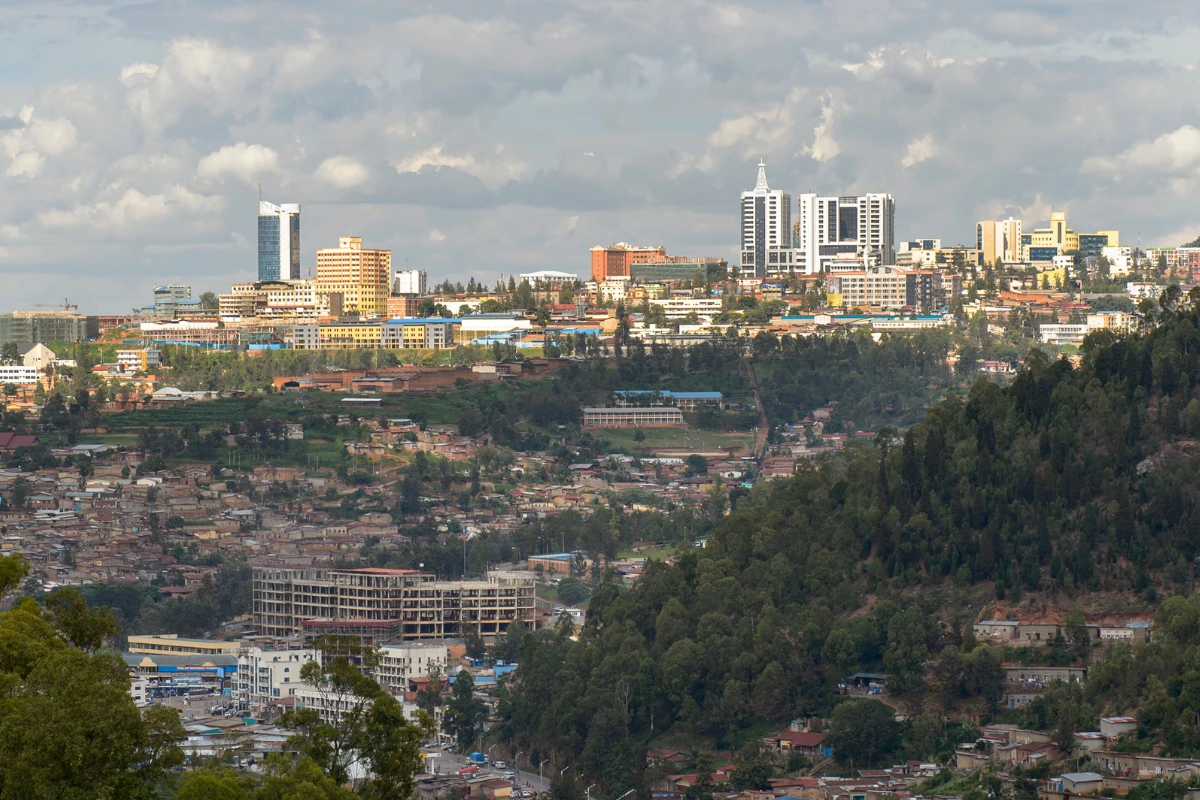
Kigali is Rwanda’s capital and one of the country’s most important destinations for cultural tourism, history, food, art and city experiences. Spread across a landscape of green hills and valleys, the city combines modern infrastructure with lively markets, local neighbourhoods, contemporary art spaces and places of historical significance.
For travellers visiting Rwanda, Kigali is more than an arrival or departure point. It is an excellent place to learn about the country’s history, experience everyday Rwandan life and enjoy local cuisine before continuing to destinations such as Volcanoes National Park, Akagera National Park or Nyungwe National Park.
At Epic Uganda Vacation, we recommend including Kigali in a Rwanda cultural holiday or a wider East African safari, especially for travellers who want to combine wildlife encounters with meaningful cultural experiences.
Where Is Kigali Located?
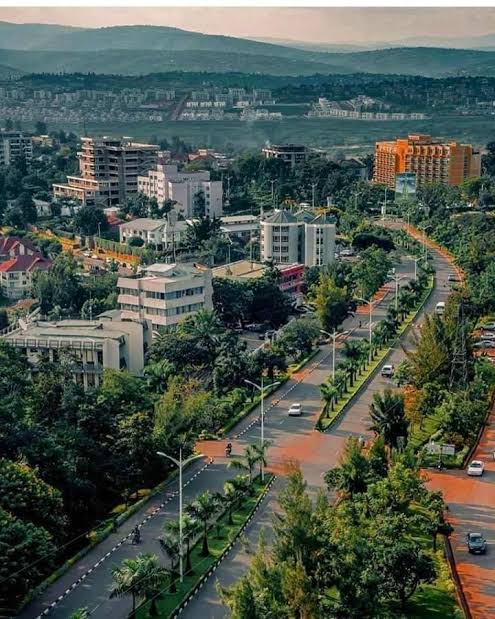
Kigali is located in central Rwanda and serves as the country’s political, commercial and transportation hub. The city is built across several hills and valleys, creating scenic viewpoints and distinctive neighbourhoods throughout the urban area.
Most international visitors arrive at Kigali International Airport before travelling to Rwanda’s national parks, cultural attractions and other destinations. Kigali is also a convenient starting point for cross-border safaris to Uganda, including gorilla trekking in Bwindi Impenetrable National Park.
The city developed into an important administrative centre in the early twentieth century and became Rwanda’s capital when the country gained independence in 1962.
Best Things to Do in Kigali City
1. Visit the Kigali Genocide Memorial
The Kigali Genocide Memorial in Gisozi is one of Rwanda’s most significant historical sites. It serves as the final resting place for approximately 250,000 victims of the 1994 Genocide against the Tutsi and provides an important place for remembrance, education and reflection.
Visitors can explore exhibitions documenting the history of the genocide, learn about the lives of victims and understand Rwanda’s ongoing efforts towards reconciliation and the prevention of future atrocities.
The memorial gardens provide a quiet space for reflection. A visit is a meaningful way to understand Rwanda’s recent history and the resilience of its people.
Allow at least 90 minutes for your visit, although you may wish to spend longer. Visitors should dress and behave respectfully and check the memorial’s current visitor guidelines before travelling.
2. Explore Kimironko Market
Kimironko Market Kigali Rwanda colourful kitenge fabrics market stalls”
Kimironko Market is one of Kigali’s best places to experience everyday local life. The busy market brings together traders selling fresh produce, clothing, household items, handicrafts and colourful African fabrics.
Visitors can browse stalls, interact with local traders and shop for souvenirs to take home. The fabric section is particularly appealing to travellers interested in African textiles, with colourful kitenge materials available for clothing and other products.
A guided visit can help you navigate the market, learn about local products and communicate with vendors.
For cultural photographers, the market offers an opportunity to observe Kigali’s commercial life. Always ask permission before photographing people.
3. Discover Rwanda’s Contemporary Art Scene
Kigali has a growing creative community, with art galleries and cultural spaces showcasing the work of Rwandan and international artists.
Inema Arts Center is among the city’s recognised contemporary art destinations. Visitors can discover paintings, sculptures and other creative works while learning about the artists and the development of Rwanda’s modern art scene.
Art centres offer a different perspective on Kigali, showing how local creatives interpret identity, history, society and contemporary African life.
Depending on opening arrangements, you may also explore other galleries and creative spaces around the city.
4. Walk Through the Kigali Car-Free Zone
The Kigali Car-Free Zone, also known as Imbuga City Walk, provides a pedestrian-oriented space in the city centre.
It is a pleasant place to walk, take photographs of the surrounding urban landscape and enjoy a break between sightseeing stops. The area reflects Kigali’s ongoing development and efforts to create public spaces that encourage walking and cycling.
Combine the walk with a visit to nearby shops, cafés or restaurants.
5. Visit Nyandungu Eco-Park
Nyandungu Eco Park Kigali Rwanda wetland boardwalk green landscape birds
Nyandungu Eco-Park is an urban wetland restoration and nature destination on the outskirts of Kigali. It provides a greener alternative to the city’s busy commercial areas.
Visitors can explore walking paths, enjoy wetland scenery and look for birds in the restored natural environment. The park is especially appealing to travellers who enjoy nature but do not have enough time for a national park excursion.
Birdwatchers may find it a worthwhile addition to a Kigali itinerary, although sightings vary with season, weather and habitat conditions.
6. Visit the Rwanda Art Museum
The Rwanda Art Museum is located in the former presidential residence in Kanombe, near Kigali International Airport.
The museum showcases contemporary artwork and offers insight into Rwanda’s evolving creative scene. The former presidential residence also has historical significance, making the visit interesting for travellers who enjoy both art and history.
Confirm current opening arrangements and exhibitions before including it in your itinerary.
7. Discover Kigali’s Coffee Culture
Rwanda is internationally recognised for its specialty coffee, and Kigali offers opportunities to learn about the country’s coffee culture without travelling to a rural growing region.
Visit a local café for a cup of Rwandan coffee or arrange a tasting experience where available. You can learn about coffee varieties, flavour profiles, processing methods and the role of coffee in Rwanda’s agricultural economy.
Coffee experiences can be particularly enjoyable for visitors interested in local food and drink, or those seeking a relaxed activity between sightseeing stops.
8. Explore Nyamirambo Neighbourhood
Nyamirambo is one of Kigali’s lively and culturally diverse neighbourhoods. It is known for its streets, small businesses, local food establishments and everyday community life.
A guided neighbourhood walk can introduce visitors to local history, traditional foods, shops and the social character of the area.
The Nyamirambo Women’s Center has also been associated with community-based tourism experiences that help visitors engage with local culture while supporting community initiatives. Check current activity availability before visiting.
9. Enjoy Kigali’s Restaurants and Local Cuisine
Kigali offers a variety of dining experiences, from traditional Rwandan meals to international cuisine.
Visitors can look for dishes featuring grilled meat, fish, beans, plantains, potatoes and seasonal vegetables. Brochettes are a popular choice, while isombe, prepared from cassava leaves, is another traditional dish worth exploring.
Restaurant menus vary, so travellers with dietary requirements should communicate them clearly when ordering.
For a relaxed evening, choose a restaurant or café where you can enjoy local flavours and take in views of the city’s hills.
10. Visit the Campaign Against Genocide Museum
The Campaign Against Genocide Museum is located within the parliamentary complex in Kigali. It focuses on the military campaign that stopped the 1994 Genocide against the Tutsi and provides another perspective on Rwanda’s modern history.
The museum can complement a visit to the Kigali Genocide Memorial, although the two sites have different focuses.
Check visitor access and opening arrangements in advance, as the museum is located within an official government complex.
11. Enjoy Views from Kigali’s Hills
Kigali’s hilly landscape creates numerous opportunities to appreciate the city’s layout and surrounding countryside.
Depending on your itinerary, you can visit scenic viewpoints, explore elevated neighbourhoods or arrange a guided walk in an appropriate area. Mount Kigali and its surrounding landscapes can also offer outdoor experiences for travellers interested in walking and panoramic views.
Choose routes with a local guide when unfamiliar with the area, and arrange transport back to your accommodation where necessary.
12. Shop for Rwandan Handicrafts and Souvenirs
Kigali is a useful place to purchase locally made products before leaving Rwanda.
Items to look for include traditional woven baskets, textiles, handmade accessories, artwork and other crafts. Markets and cultural shops provide opportunities to learn about the craftsmanship behind these products.
When possible, buy directly from local artisans and ask about the materials and techniques used. This adds cultural context to your purchase and can help support local creative businesses.
Kigali City Tour: Suggested One-Day Itinerary
A full day is a practical way to experience several of Kigali’s highlights. The schedule below is a suggested framework; actual timing depends on traffic, opening hours and the time you spend at each stop.
Morning
- Begin with a visit to the Kigali Genocide Memorial.
- Continue to Kimironko Market to discover local commerce, fabrics and handicrafts.
Afternoon
- Visit Inema Arts Center or the Rwanda Art Museum, depending on your interests and opening arrangements.
- Enjoy lunch at a local restaurant.
- Explore the Kigali Car-Free Zone or take a walk through Nyamirambo with a guide.
Late afternoon
- Visit Nyandungu Eco-Park if time permits, or enjoy Rwandan coffee at a local café.
- Return to your hotel or prepare for your onward safari.
If you prefer a slower pace, spread these activities across two days. The Genocide Memorial deserves sufficient time for a thoughtful visit, while market and neighbourhood experiences are best enjoyed without rushing.
Kigali as a Starting Point for Rwanda Safaris
Kigali is an ideal gateway for exploring Rwanda’s national parks and cultural destinations.
Kigali and Volcanoes National Park
Travellers interested in mountain gorilla trekking can travel from Kigali to Volcanoes National Park in northern Rwanda. The journey is commonly completed by road in approximately two to three hours, depending on traffic, the exact starting point and road conditions.
A combined itinerary can include a Kigali city tour followed by gorilla trekking, subject to permit availability.
Kigali and Akagera National Park
Akagera National Park offers savannah landscapes, wildlife viewing and boat excursions on Lake Ihema. It is a strong choice for travellers interested in combining Kigali’s cultural attractions with a traditional wildlife safari.
Allow adequate time for the road transfer and game drives when planning your trip.
Kigali and Nyungwe National Park
Nyungwe National Park is a major destination for rainforest adventures, chimpanzee trekking, birdwatching and forest walks.
Travellers can explore Kigali before heading south towards Nyungwe. Because the road journey takes several hours, an overnight stay en route or additional time in the itinerary may be worthwhile.
Kigali and Uganda Gorilla Trekking
Kigali is also a useful gateway for visitors planning gorilla trekking in Uganda’s Bwindi Impenetrable National Park. Depending on the selected sector, border crossing and road conditions, travellers may arrange a transfer from Kigali into southwestern Uganda.
This option can be particularly useful for visitors who find flights into Kigali more convenient than arriving in Entebbe. The best routing depends on international flight schedules, gorilla permit availability and the wider safari itinerary.
Epic Uganda Vacation can help travellers compare Rwanda and Uganda options before choosing their preferred gorilla trekking experience.
Best Time to Visit Kigali
Kigali can be visited throughout the year. Temperatures are generally moderate because of the city’s elevation, although rainfall and sunshine vary by season.
The relatively drier periods are often convenient for city sightseeing and road travel, while the rainy seasons can bring showers that affect outdoor activities.
If Kigali is part of a wider safari, choose travel dates based on the main experiences you want to enjoy, such as gorilla trekking, chimpanzee tracking, wildlife viewing or birdwatching. Allow flexibility for road transfers and changing weather.
How to Get Around Kigali
Visitors can explore Kigali using private vehicles, taxis and other locally available transport options.
For a guided city tour, private transport is convenient because it allows several attractions to be combined in one day. A local guide can also provide historical context and help coordinate visits.
Walking is suitable in selected areas, including pedestrian spaces, but Kigali’s hills, distances between attractions and traffic conditions mean that not every sightseeing stop is best reached on foot.
If you are connecting to a safari outside the city, arrange your transfer in advance and allow enough time to reach the airport or border crossing.
Where to Stay in Kigali
Kigali has accommodation options across different budgets, including guesthouses, boutique hotels, business hotels and luxury properties.
When choosing where to stay, consider:
- Proximity to your preferred attractions.
- Distance from Kigali International Airport.
- Access to restaurants and transport.
- Whether you need an overnight stop before an early safari departure.
- Your accommodation budget and preferred level of comfort.
Travellers with early flights or transfers may prefer a property with convenient transport access, while those planning a longer city stay may prioritise restaurants, cafés and nearby cultural attractions.
Practical Tips for Visiting Kigali
- Carry a valid passport and the necessary travel documents.
- Confirm opening hours and booking requirements for museums and cultural sites.
- Dress respectfully when visiting memorials and other sensitive historical locations.
- Ask permission before photographing residents, market traders or private property.
- Carry local currency or a suitable payment method for small purchases.
- Keep some flexibility in your schedule for traffic and weather.
- If combining Kigali with Uganda, confirm border-crossing requirements and transport arrangements before departure.
- For gorilla or chimpanzee trekking, arrange the relevant permits well in advance.
Frequently Asked Questions About Kigali City
What is Kigali famous for?
Kigali is known for its hilly landscape, modern urban development, cultural attractions, local markets, art scene and the Kigali Genocide Memorial. It is also the principal gateway for visitors exploring Rwanda’s national parks.
How many days should I spend in Kigali?
One full day is sufficient for a selection of major attractions. Two days allow a more relaxed pace and additional time for markets, art galleries, local food and neighbourhood experiences.
Is Kigali worth visiting before a safari?
Yes. A Kigali city tour adds historical and cultural context to a wildlife holiday. It is particularly worthwhile for travellers who want to understand Rwanda beyond its national parks.
Can I visit the Kigali Genocide Memorial?
Yes. The memorial welcomes visitors and offers exhibitions and guided experiences. Check the official visitor guidelines, current opening hours and booking arrangements before your visit.
Can I combine Kigali with gorilla trekking?
Yes. Kigali can be combined with gorilla trekking in Rwanda’s Volcanoes National Park or with a cross-border safari to Uganda’s Bwindi Impenetrable National Park. The best choice depends on permit availability, travel dates and your preferred itinerary.
Is Kigali suitable for birdwatching?
Kigali has urban green spaces and restored wetlands, including Nyandungu Eco-Park, where visitors may observe birds. For more extensive birdwatching, consider combining the city with Nyungwe National Park or other birding destinations in Rwanda and Uganda.
What can I buy in Kigali?
Visitors can look for colourful textiles, traditional baskets, artwork, handmade accessories and other locally produced crafts. Kimironko Market is one option for shopping and experiencing local commerce.
Plan Your Kigali City Tour with Epic Uganda Vacation
Kigali offers a rewarding introduction to Rwanda, combining historical remembrance, cultural discovery, contemporary art, local markets and nature experiences. Whether you have one day in the capital or want to include several nights in your itinerary, the city can be an excellent starting point for a wider East African adventure.
Epic Uganda Vacation can help you incorporate Kigali into a tailor-made Rwanda holiday, a Uganda gorilla trekking safari or a multi-country East African journey. We can arrange a proposed city itinerary, transport, accommodation and onward travel according to your preferences and confirmed availability.
Contact Epic Uganda Vacation with your travel dates, number of travellers and preferred activities to begin planning your journey.
Epic Uganda Vacation — Thinking of an East Africa trip? Look no further.