Nyungwe National Park, Rwanda: Chimpanzee Trekking, Hiking Trails, Canopy Walk and Things to Do
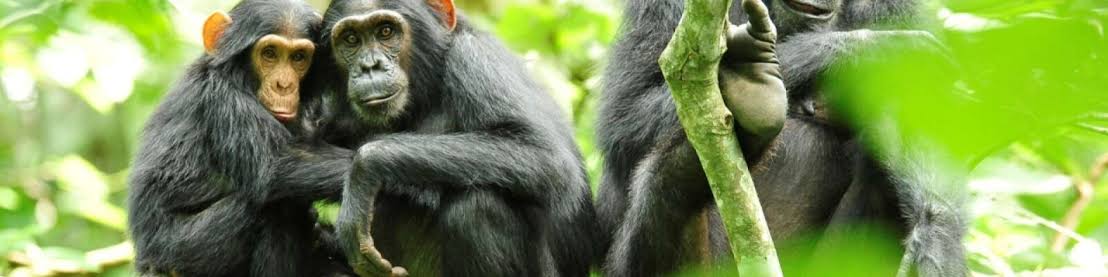
Nyungwe National Park in southwestern Rwanda is one of East Africa’s most remarkable rainforest destinations, attracting travellers interested in chimpanzee trekking, guided forest walks, birdwatching, primate encounters and scenic hiking trails. The park protects an extensive montane rainforest with exceptional biodiversity, dramatic landscapes and the famous Nyungwe Forest Canopy Walk.
Whether you are planning a dedicated chimpanzee trekking safari or a wider Rwanda holiday, Nyungwe offers opportunities to explore one of Africa’s most important remaining montane forests. Visitors can search for wild chimpanzees, observe monkeys moving through the treetops, hike to mountain viewpoints, explore forest streams and wetlands, and discover birds found in the Albertine Rift.
Nyungwe National Park was inscribed on the UNESCO World Heritage List in 2023 in recognition of its outstanding biodiversity and conservation importance.
This guide covers the best things to do in Nyungwe National Park, its main hiking trails, chimpanzee trekking, birdwatching, canopy walking, accommodation, access, park fees and practical travel advice.
Where Is Nyungwe National Park Located?
Nyungwe National Park lies in southwestern Rwanda, near the borders with Burundi and the Democratic Republic of the Congo. It forms part of the Albertine Rift, a region known for its rich biodiversity and high concentration of endemic species.
The park covers approximately 1,019 square kilometres and protects montane rainforest, bamboo vegetation, grasslands, wetlands and peat bogs. Its varied elevations create habitats for numerous primates, birds, butterflies and plant species.
Nyungwe is also an important watershed, with rivers originating in the forest feeding drainage systems associated with both the Nile and Congo river basins.
For visitors, the park is a rewarding destination to combine with Kigali, Lake Kivu and other attractions in Rwanda. It can also form part of a longer East African itinerary incorporating Uganda’s gorilla trekking and wildlife safari destinations.
Best Things to Do in Nyungwe National Park
Nyungwe offers much more than chimpanzee trekking. Its network of forest trails and guided activities makes it an excellent destination for wildlife enthusiasts, hikers, photographers and travellers seeking outdoor adventures.
1. Chimpanzee Trekking in Nyungwe Forest
Chimpanzee trekking is one of the leading attractions in Nyungwe National Park. Visitors join authorised guides and trackers to locate wild chimpanzees in their natural rainforest habitat.
The experience often begins early in the morning. Once the chimpanzees are located, visitors may observe them feeding, grooming, communicating, climbing trees and moving through the forest.
Because chimpanzees are highly mobile, the duration of the trek varies depending on their location and movement. Trails can be muddy, steep and uneven, so sturdy hiking boots, drinking water and rain protection are recommended.
Chimpanzee sightings cannot be guaranteed, and visitors must follow the guide’s instructions and applicable wildlife-viewing rules.
Advance booking is advisable, particularly for travellers visiting during busy periods.
Learn more in our Chimpanzee Trekking in Nyungwe National Park guide.
2. Walk Above the Forest on the Nyungwe Canopy Walkway
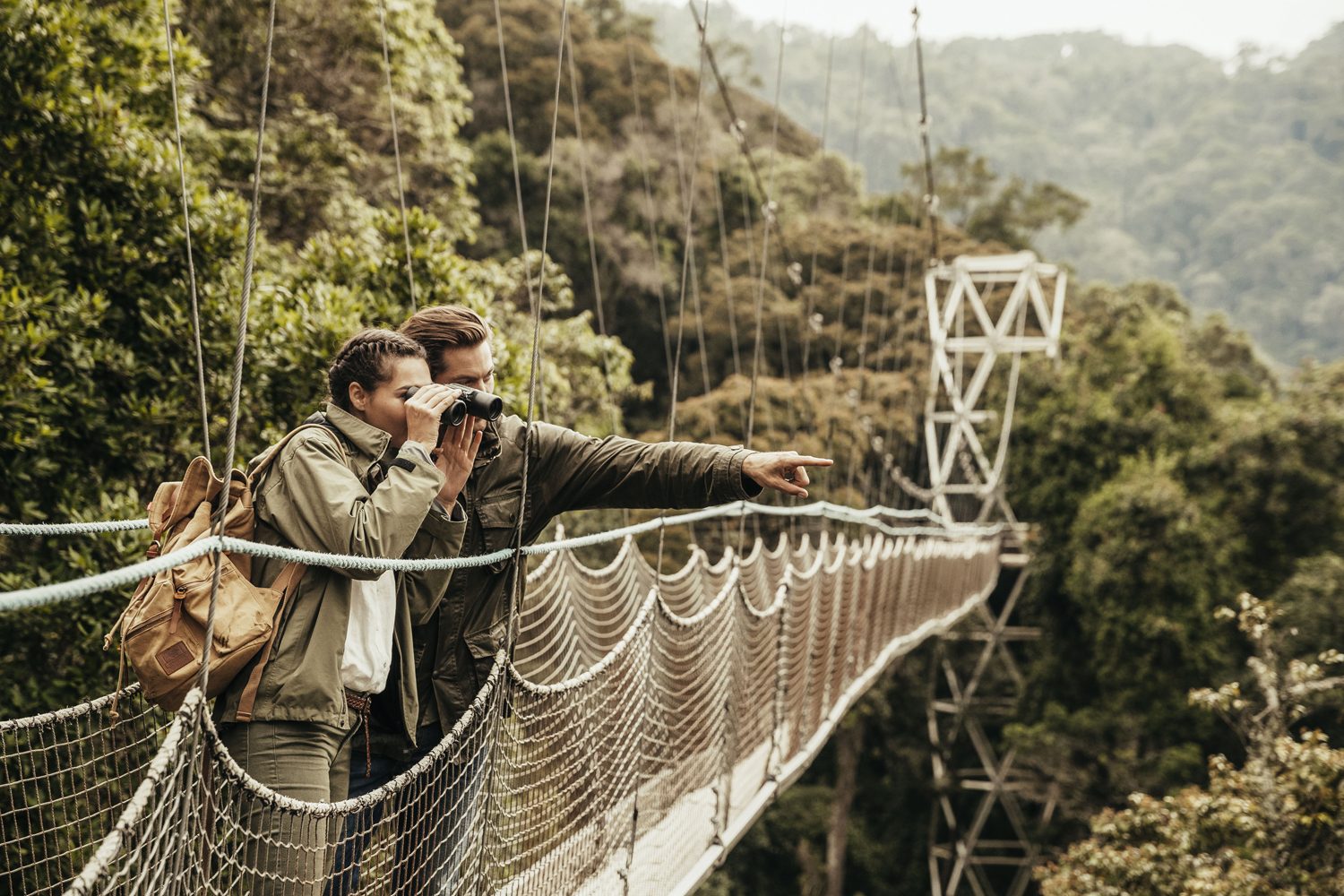
The Nyungwe Forest Canopy Walkway is one of Rwanda’s best-known nature attractions. Suspended high above the rainforest floor, the walkway provides a different perspective of the forest and its surrounding hills.
From the elevated bridge, visitors can look across the treetops, observe the forest canopy and listen to birds calling from the vegetation below. With luck, monkeys may also be visible moving among the trees.
The canopy walkway is accessed through a guided experience associated with the Igishigishigi Trail and the Uwinka Visitor Centre.
It is particularly appealing to photographers, nature lovers and travellers who want to experience Nyungwe without undertaking a full-day hike.
The walkway may not be suitable for everyone, particularly visitors who are uncomfortable with heights. Check current accessibility, age requirements, activity schedules and safety guidance before booking.
Read our detailed guide to the Nyungwe Forest Canopy Walk.
3. Explore Nyungwe’s Hiking and Nature Trails
Hiking is one of the best ways to discover Nyungwe National Park. The park has a network of designated trails that pass through dense rainforest, mountain slopes, streams and different vegetation zones.
Depending on your available time and fitness, you can choose a short nature walk, a moderate forest hike or a more demanding mountain trail.
Some of the best-known trails include:
- Igishigishigi Trail: A popular route associated with the canopy walkway, offering a forest-walking experience suitable for visitors interested in combining hiking and the elevated bridge.
- Bigugu Trail: A more demanding hike towards Mount Bigugu, Nyungwe’s highest point at approximately 2,950 metres above sea level.
- Isumo Waterfall Trail: A scenic forest hike leading to Isumo Waterfall, with opportunities to experience the forest’s vegetation, streams and dramatic scenery.
- Kamiranzovu Swamp Trail: A walk through a distinctive wetland environment within the forest, offering a different perspective from the denser rainforest trails.
- Ngabwe Trail: A forest route that allows visitors to experience Nyungwe’s vegetation and natural landscapes.
- Muzimu Trail: An option for travellers seeking another guided forest-walking experience.
- Rukuzi Trail: A forest hike suited to visitors interested in exploring Nyungwe beyond its best-known attractions.
- Congo–Nile Divide Trail: A longer-distance route associated with the mountainous landscape and watershed separating the Congo and Nile drainage systems.
Trail availability, distances, duration, difficulty and access arrangements should be confirmed with park management before departure. Not every trail is appropriate for every visitor, and some require more time and preparation than others.
For a wider selection of hiking options, read our individual guides to the Bigugu Trail and other Nyungwe walking routes.
4. Go Birdwatching in Nyungwe National Park
Nyungwe is one of Rwanda’s leading birdwatching destinations, especially for birders interested in Albertine Rift endemics and montane forest species.
The park supports more than 300 recorded bird species. Depending on the location and conditions, birdwatchers may look for Rwenzori turacos, Great Blue Turacos, colourful sunbirds and other forest birds.
Dense vegetation can make some species difficult to spot, so an experienced birding guide can be particularly helpful.
Early-morning excursions are often rewarding because bird activity is high and forest sounds make it easier to locate species. Bring binoculars, a camera and a field guide or bird checklist.
Read our Birdwatching in Nyungwe National Park guide.
5. Track Colobus Monkeys and Discover Other Primates
Nyungwe protects a remarkable variety of primates, commonly described as around 13 species.
One of the most impressive is the Ruwenzori black-and-white colobus monkey, which may be seen in large groups moving through the forest canopy.
Other primates include blue monkeys, L’Hoest’s monkeys, red-tailed monkeys and grey-cheeked mangabeys.
Guided primate-viewing activities offer an opportunity to learn about their behaviour, habitat and conservation. Sightings depend on the species, location and movement of the animals.
Visitors should follow the park’s current guidance on permitted activities and avoid assuming that every primate species can be tracked through a dedicated excursion.
6. Discover Nyungwe’s Waterfalls, Wetlands and Forest Landscapes
Nyungwe’s attractions extend beyond primates and mountain viewpoints. Its wetlands, streams and waterfalls reveal different aspects of the rainforest ecosystem.
The Isumo Waterfall Trail is a popular option for visitors interested in combining a forest walk with waterfall scenery. The Kamiranzovu Swamp Trail offers a different landscape, with wetland vegetation and an opportunity to learn about the importance of these habitats.
Along the way, guides can explain the relationship between rainfall, vegetation, soil and the streams that originate in the forest.
These walks are particularly rewarding for travellers who want to slow down, appreciate the landscape and photograph the forest beyond the canopy walkway.
7. Explore Forest Plants, Orchids and Butterflies
Nyungwe is home to an extensive variety of plants, including trees, flowering plants, orchids and other vegetation adapted to montane rainforest conditions.
Butterflies, insects and other small forest animals contribute to the ecosystem and provide additional subjects for nature photographers.
A guided nature walk can help visitors understand how the forest supports wildlife, regulates water systems and contributes to biodiversity conservation.
Take time to notice the smaller details, including flowers, fungi, insects and the sounds of birds hidden among the trees.
8. Experience Community Tourism and Local Tea Landscapes
Communities around Nyungwe offer cultural experiences that can complement a forest-focused safari. Depending on availability, visitors may arrange local cultural visits, craft demonstrations and tea-related activities.
Tea plantations in the surrounding landscape provide a contrasting experience to the dense rainforest, with cultivated green hills and opportunities to learn about local livelihoods.
Ask your tour operator which community activities are currently available, where they take place and whether transport or advance arrangements are required.
Nyungwe National Park Hiking Trails: How to Choose Your Walk
Choosing the right trail depends on your fitness, available time and the experience you want.
| Trail or route | Main attraction | Best suited to |
|---|---|---|
| Igishigishigi Trail | Forest walk and canopy walkway | Visitors wanting a canopy experience |
| Bigugu Trail | Mountain hiking and high-elevation scenery | Fit hikers seeking a challenge |
| Isumo Waterfall Trail | Waterfall and rainforest scenery | Nature lovers and photographers |
| Kamiranzovu Swamp Trail | Wetland and forest habitats | Visitors interested in ecology |
| Ngabwe Trail | Forest exploration | Guided nature walkers |
| Muzimu Trail | Forest scenery and biodiversity | Nature enthusiasts |
| Rukuzi Trail | Extended forest exploration | Hikers seeking another trail option |
| Congo–Nile Divide Trail | Mountainous landscapes and watershed scenery | Longer-distance hikers |
This is a planning overview rather than a definitive ranking of trail difficulty. Check the latest park information for the exact route, current access, distance, estimated hiking time and guide requirements.
What to Pack for Hiking in Nyungwe
Nyungwe’s rainforest conditions can change quickly, and trails may be muddy or slippery.
Pack the following:
- Sturdy hiking boots with good grip.
- Lightweight waterproof jacket.
- Drinking water and suitable snacks.
- Insect protection.
- Binoculars for birdwatching.
- Camera with weather protection.
- Small daypack.
- Walking poles if useful for your balance and comfort.
- Clothing suitable for cool, wet conditions.
For longer or more demanding trails, ask the guide whether additional equipment, food or preparation is required.
Best Time to Visit Nyungwe National Park
Nyungwe can be visited throughout the year, but rainfall influences trail conditions and the overall hiking experience.
Relatively drier periods are often preferred for hiking because paths may be easier to navigate. During wetter periods, the rainforest becomes lush, but trails can become slippery and walking times may increase.
The best time depends on your main activity:
- Chimpanzee trekking: Book in advance and prepare for changing forest conditions.
- Canopy walking: Check the schedule and weather conditions before departure.
- Birdwatching: Consider a specialist guided excursion based on your target species.
- Hiking: Choose a trail that matches your fitness and allow enough time for the return journey.
- Waterfall and wetland walks: Ask about current trail conditions, especially after heavy rain.
Carry rain protection regardless of the season because montane rainforest weather can change quickly.
Where to Stay Near Nyungwe National Park
Accommodation options around Nyungwe range from campsites and simpler facilities to lodges and hotels in the surrounding area.
Your preferred activity should guide your accommodation choice. Chimpanzee trekking may require an early departure, while other guided activities can begin at different visitor centres or trailheads.
Before reserving a lodge, consider:
- The distance to your confirmed activity meeting point.
- Early-morning departure arrangements.
- Meals and transport.
- Your preferred accommodation standard.
- Your onward journey towards Lake Kivu or another destination.
Ask your tour operator to coordinate accommodation with your confirmed permits and activity schedule.
How to Get to Nyungwe National Park
Nyungwe National Park is accessible by road from Kigali, with a journey that takes several hours depending on traffic, weather and your precise destination within the park.
A private safari vehicle offers flexibility for scenic stops and coordination with early-morning activities.
Nyungwe can also be combined with Kigali, Lake Kivu and other destinations in Rwanda. Allow sufficient time for transfers rather than scheduling several major activities on the same day.
Before travelling, confirm the location of your activity, the required arrival time and whether transport to the trailhead is included.
Nyungwe National Park Fees and Permits
The total cost of a Nyungwe visit depends on park-entry charges, activity permits, nationality or residency category, accommodation and transport.
Activities such as chimpanzee trekking, canopy walking, guided birdwatching and night walks may have separate charges.
Because fees and regulations can change, confirm the current tariff with the Rwanda park authorities or your tour operator before booking. Ask whether the quoted price includes park entry, the guide, transport, accommodation and other applicable costs.
For chimpanzee trekking, reserve in advance and confirm the current age requirements, meeting point and cancellation conditions.
1. Nyungwe National Park entry fees
The following published 2026–2027 tariff lists park-entry fees according to visitor category and length of stay.
| Visitor category | 1 night | 2 nights | 3 nights |
|---|---|---|---|
| International adult | $100 | $150 | $200 |
| International child (6–12 years) | $50 | $75 | $100 |
| Rwanda/EAC citizen | RWF 10,000 | RWF 15,000 | RWF 20,000 |
| Foreign resident in Rwanda/EAC | $60 | $90 | $120 |
| African citizen outside EAC | $60 | $90 | $120 |
The published tariff lists nights four through seven as free of additional entry charges. Confirm the current tariff and how day visits are charged before travelling.
2. Chimpanzee trekking and other activity fees
| Activity | International visitor | Foreign resident in Rwanda/EAC | Rwanda/EAC citizen |
|---|---|---|---|
| Chimpanzee trekking | $150 | $75 | RWF 25,000 |
| Chimpanzee habituation experience | $200 | $100 | RWF 30,000 |
| Canopy walkway | $40 | $20 | RWF 5,000 |
| Guided birdwatching | $40 | $20 | RWF 5,000 |
| Other primate tracking | $40 | $20 | RWF 5,000 |
| Guided night walk | $40 | $20 | RWF 5,000 |
These are the published 2025–2026 rates.
Note that some other tourism websites display different prices, so verify rates with Nyungwe National Park before publishing them as current.
3. Hiking, guides and additional costs
| Service | Published rate |
|---|---|
| Community guide — half day | $15 |
| Community guide — full day | $25 |
| Porter — half day | $5 |
| Porter — full day | $10 |
| Camping per adult, per night | $15 |
| Four-person tent hire, per night | $20 |
Important: These guide and porter charges are separate from any activity-specific fees where applicable. Confirm whether a particular trail requires a park guide or has a separate hiking charge.
4. Important booking information
-
Chimpanzee trekking and habituation require advance arrangements.
-
Confirm the age restrictions and permit availability before booking.
-
Ask whether park entry, guiding and transport are included in your package.
-
Fees may differ according to citizenship, residency and the activity booked.
Responsible Tourism in Nyungwe National Park
Nyungwe is a protected rainforest and UNESCO World Heritage Site. Responsible tourism helps safeguard its wildlife and habitats.
Visitors should:
- Follow authorised guides and park instructions.
- Remain on designated trails.
- Keep a safe distance from wildlife.
- Never feed or deliberately disturb primates.
- Avoid littering or removing plants and other natural materials.
- Follow applicable health precautions during chimpanzee encounters.
- Respect local communities and cultural practices.
Check the latest rules on photography, drones, smoking, food and other restricted activities before visiting.
Frequently Asked Questions About Nyungwe National Park
What is Nyungwe National Park famous for?
Nyungwe is known for chimpanzee trekking, diverse primates, birdwatching, montane rainforest, the canopy walkway, waterfalls and guided hiking trails.
How many days should I spend in Nyungwe National Park?
Two to three days is a useful starting point for combining chimpanzee trekking with the canopy walkway or a forest hike. Birdwatchers and hikers may prefer a longer stay.
Can I hike independently in Nyungwe?
Trail access and guiding requirements depend on the route and current park regulations. Confirm whether your selected trail requires an authorised guide before setting out.
Which is the best hiking trail in Nyungwe?
The best trail depends on your interests. Igishigishigi is associated with the canopy walkway, Bigugu offers a more demanding mountain hike, and Isumo Waterfall Trail is appealing to visitors interested in waterfall and forest scenery.
Can I see chimpanzees in Nyungwe National Park?
Chimpanzee tracking is available through authorised arrangements, but sightings cannot be guaranteed because the animals are wild and mobile.
Is Nyungwe National Park a UNESCO World Heritage Site?
Yes. Nyungwe was inscribed on the UNESCO World Heritage List in 2023 because of its outstanding biodiversity and conservation importance.
Can Nyungwe be combined with Lake Kivu?
Yes. Nyungwe can form part of a southwestern Rwanda itinerary with Lake Kivu, provided you allow enough time for road transfers and activities.
Plan Your Nyungwe National Park Safari with Epic Uganda Vacations
Nyungwe National Park is an excellent destination for travellers seeking rainforest adventures, chimpanzee trekking, birdwatching, canopy walking and scenic forest hikes.
Epic Uganda Vacations can help you plan a personalised Rwanda itinerary around your travel dates, preferred activities, accommodation and budget. You can also combine Nyungwe with Lake Kivu and other destinations in Rwanda or Uganda.
Contact Epic Uganda Vacations to discuss your safari plans and request a tailor-made itinerary.
Discover the rainforest, explore Nyungwe’s walking trails and experience the natural beauty of southwestern Rwanda.