Lake Ihema, Rwanda: Boat Safaris, Hippos, Crocodiles and Birdwatching
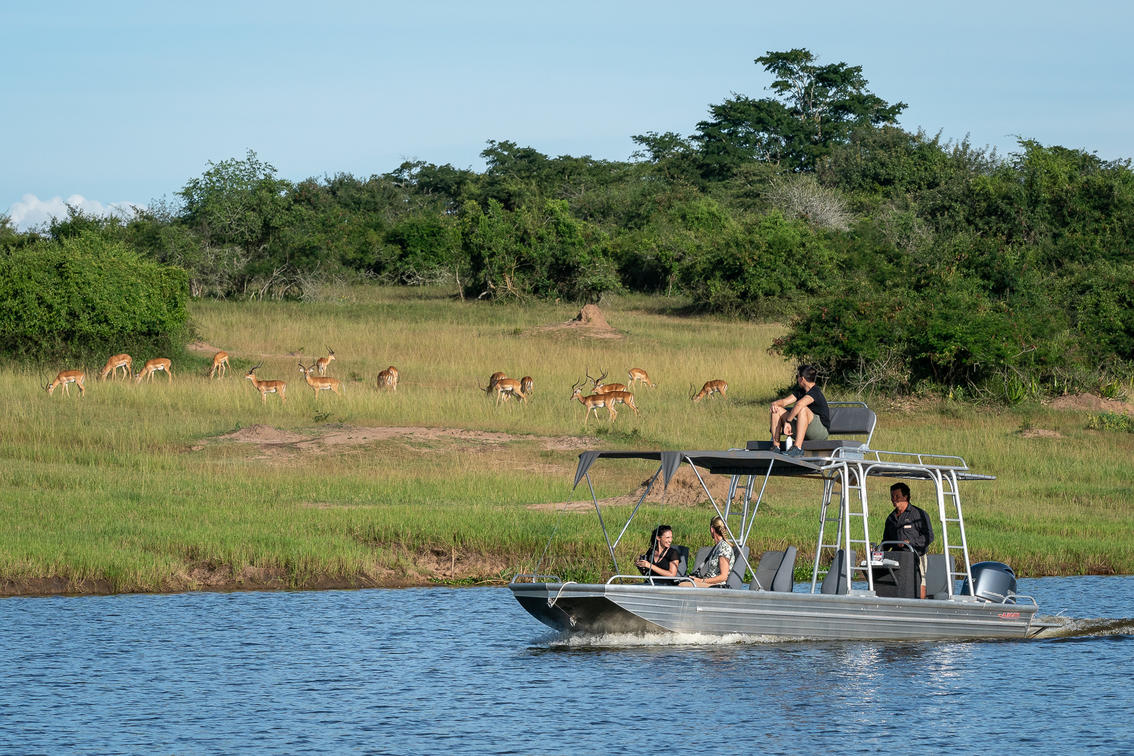
Lake Ihema is one of Rwanda’s most rewarding destinations for travellers interested in wildlife, birdwatching and peaceful boat safaris. Located in the eastern part of Akagera National Park, this beautiful lake is known for its hippos, Nile crocodiles, aquatic birds and papyrus-fringed shores.
Unlike the traditional game drives across Akagera’s savannah plains, a Lake Ihema boat safari allows visitors to explore the park from the water. As the boat moves along the shoreline, you may see hippos surfacing, crocodiles resting along the banks and birds hunting for fish among the reeds.
For travellers planning a Rwanda safari with Epic Uganda Vacation, Lake Ihema is an excellent addition to an itinerary combining wildlife viewing, cultural experiences and nature-based adventures.
Where Is Lake Ihema Located?
Lake Ihema lies in the eastern part of Rwanda, within Akagera National Park, near the country’s border with Tanzania. It is the largest lake within the park and an important component of Akagera’s interconnected lake, river and wetland ecosystem.
The lake is surrounded by papyrus swamps, grasslands and wooded areas that provide habitats for a variety of wildlife. Its waters and shoreline support aquatic species, waterbirds and animals that come to drink or forage.
Lake Ihema is accessible as part of a visit to Akagera National Park, Rwanda’s principal savannah safari destination. Travellers can explore the lake on a guided boat trip and combine the experience with game drives through the park.
Why Visit Lake Ihema?
Lake Ihema offers a different perspective on Rwanda’s wildlife. While game drives focus on terrestrial animals across the savannah, a boat excursion concentrates on the aquatic habitats and wildlife along the shoreline.
The lake is particularly appealing for:
- Boat safaris: Explore the lake and observe wildlife from the water.
- Hippo viewing: Look for groups of hippos resting and surfacing.
- Crocodile spotting: Watch for Nile crocodiles along the banks.
- Birdwatching: Search for fish eagles, kingfishers, herons and other waterbirds.
- Wildlife photography: Capture birds, aquatic animals and scenic wetland landscapes.
- Sunset experiences: Enjoy the changing colours of the sky over the water when a late-day cruise is available.
Lake Ihema is also a worthwhile destination for travellers who want to include a relaxing water-based activity in a wider Rwanda wildlife safari.
Lake Ihema Boat Safari Experience
A boat safari is one of the main activities available at Lake Ihema. Guided excursions take visitors across the lake and along sections of its shoreline, providing opportunities to observe wildlife in and around the water.
The experience differs from a conventional game drive because the focus is on aquatic wildlife and the habitats that support it.
What to Expect on a Boat Trip
Your excursion begins at the designated departure point, where you board a boat operated by the authorised activity provider. During the trip, your guide or boat crew can help identify wildlife and explain the lake’s ecology.
Depending on conditions and animal movements, you may encounter:
- Hippos emerging from the water.
- Nile crocodiles resting near the shoreline.
- African fish eagles searching for prey.
- Kingfishers and herons feeding around the water’s edge.
- Waterbirds moving through papyrus beds.
- Other wildlife visiting the lake to drink.
Sightings vary, and no particular species is guaranteed. The experience is rewarding even when wildlife is distant, as the lake provides an opportunity to appreciate Akagera’s wetland habitats and scenery.
Morning and Afternoon Boat Safaris
Morning excursions can offer pleasant temperatures and good opportunities for birdwatching. Afternoon trips may provide attractive light for photography, particularly as the sun approaches the horizon.
A sunset cruise, when offered, can be especially appealing to photographers and travellers looking for a relaxed end to a day of wildlife viewing.
Boat schedules and departure times can change, so confirm the current timetable with Akagera National Park before planning your visit.
Wildlife You Can See at Lake Ihema
1. Hippopotamuses
Hippos are among Lake Ihema’s best-known animals. These large semi-aquatic mammals spend much of the day in the water, where they can keep cool, before moving onto land to graze, often at night.
During a boat safari, visitors may see hippos surfacing to breathe, resting in groups or displaying territorial behaviour. Their eyes, ears and nostrils often appear above the water while the rest of their bodies remain submerged.
Although hippos may appear calm, they are powerful wild animals. Visitors should remain inside the boat and follow all instructions from the crew.
2. Nile Crocodiles
Nile crocodiles inhabit Lake Ihema and its surrounding wetlands. They may be seen resting on muddy banks, floating near the surface or disappearing into the water when disturbed.
These reptiles are important predators within the aquatic ecosystem. Observing them from a guided boat provides a useful opportunity to learn about their behaviour without approaching them on foot.
Keep a safe distance and never attempt to feed or attract crocodiles.
3. African Fish Eagles
The African fish eagle is one of the most impressive birds associated with African lakes and rivers. It is recognisable by its white head and chest, dark brown body and powerful hooked bill.
At Lake Ihema, look for fish eagles perched in trees near the water or flying over the lake in search of prey. Their distinctive calls can add to the atmosphere of a boat safari.
Photographers may have opportunities to capture the birds perched against the wetland landscape, although successful sightings and photographs depend on conditions.
4. Kingfishers and Other Waterbirds
The lake’s shoreline and papyrus vegetation attract a variety of birds. Depending on the season and location, visitors may observe kingfishers, herons, egrets, African jacanas, cormorants and other wetland species.
These birds occupy different ecological niches. Some hunt fish, others feed on insects or small aquatic animals, while others forage along the muddy margins of the lake.
A boat trip can be particularly rewarding for birdwatchers because it provides access to viewpoints that are difficult to reach during a game drive.
5. The Shoebill and Other Special Birds
The shoebill is one of Africa’s most sought-after birds among specialist birdwatchers. It inhabits suitable wetland environments, including areas of papyrus and marsh vegetation.
Although Akagera is known for its rich birdlife, a shoebill sighting at Lake Ihema should not be assumed. Travellers whose primary goal is to find this species should discuss current sighting information and suitable habitats with a specialist bird guide before arranging their itinerary.
Other notable birds found in Akagera include the papyrus gonolek and a wide variety of savannah and wetland species.
Birdwatching at Lake Ihema
Lake Ihema is a valuable destination for birdwatching because it combines open water, papyrus swamps, marshes and wooded shoreline habitats.
These environments support birds with different feeding and nesting requirements, making the lake suitable for both casual birdwatchers and more experienced enthusiasts.
During a boat safari, look for:
- African fish eagle
- Malachite kingfisher
- Pied kingfisher
- African jacana
- Grey heron
- Great egret
- Cormorants
- Hamerkop
- Papyrus-associated wetland birds
The exact species you encounter will depend on the season, weather, habitat conditions and the route taken during your excursion.
For serious birdwatchers, a local guide with knowledge of Akagera’s wetland species can help identify birds by their calls, behaviour and distinguishing features.
Wildlife Photography at Lake Ihema
Lake Ihema offers excellent opportunities for wildlife and landscape photography. The water creates natural reflections, while the papyrus-fringed shoreline provides an attractive background for images of birds and other animals.
A boat safari may allow you to photograph hippos, crocodiles, fish eagles and kingfishers. Early and late daylight can provide softer lighting, although the best conditions depend on cloud cover and weather.
For a more successful photography experience:
- Bring a camera with a suitable telephoto lens for distant wildlife.
- Use a secure camera strap and protect your equipment from splashes.
- Keep your camera ready when birds are active around the shoreline.
- Follow the boat crew’s instructions when photographing potentially dangerous animals.
- Avoid flash photography where it may disturb wildlife.
- Never ask the crew to approach animals in a way that compromises safety.
If photography is a major priority, consider discussing a private or specialist excursion with the park’s activity provider, subject to availability.
Best Time to Visit Lake Ihema
Lake Ihema can be visited throughout the year, although weather conditions may influence the comfort of your trip and wildlife-viewing experience.
The relatively drier months, particularly June to September, are often convenient for combining the lake with game drives around Akagera National Park. December to February can also provide favourable conditions for many safari activities.
The wetter periods bring greener scenery and can be rewarding for birdwatching, although rain may affect road conditions and outdoor plans.
Wildlife sightings are never guaranteed, and the best time to visit depends on your interests. Travellers combining Lake Ihema with a broader safari should consider the seasonal conditions for all planned activities.
How to Get to Lake Ihema
Lake Ihema is reached through Akagera National Park in eastern Rwanda.
Most visitors travel from Kigali by road to the park’s southern entrance before continuing to the relevant activity location. The drive from Kigali generally takes several hours, depending on traffic, the selected route and road conditions.
A day trip from Kigali may be possible, but travellers should plan carefully around park entry, game drives, boat departure times and the return journey.
An overnight stay in or near Akagera National Park is often a more relaxed option. It allows time for a game drive, a boat safari and additional wildlife viewing without rushing between activities.
Epic Uganda Vacation can help incorporate Akagera and Lake Ihema into a tailored Rwanda safari, subject to transport and activity availability.
Other Activities to Combine with Lake Ihema
Game Drives in Akagera National Park
Akagera is Rwanda’s principal savannah wildlife destination and protects a variety of habitats, including grasslands, woodland and wetlands.
Game drives provide opportunities to search for elephants, buffaloes, giraffes, zebras, antelopes and other mammals. The park is also home to lions, leopards and both black and white rhinoceroses, although sightings depend on wildlife movements and the area visited.
Combining a game drive with a Lake Ihema boat safari provides a broader experience of Akagera’s ecosystems.
Guided Night Drives
A guided night drive offers an opportunity to search for nocturnal wildlife that is difficult to encounter during daylight hours.
Depending on conditions, visitors may see bushbabies, civets, genets and other nocturnal animals. Predator sightings are possible but not guaranteed.
Confirm availability and departure arrangements with the park before adding a night drive to your itinerary.
Birdwatching Across Akagera
Beyond Lake Ihema, Akagera’s savannahs, woodlands and wetlands provide a range of bird habitats.
A longer birdwatching safari may produce a more diverse species list than a single boat excursion. Specialist birders can arrange time in different habitats to look for both widespread species and more localised wetland birds.
Hot-Air Balloon Safari
Where operational, a hot-air balloon safari offers a different perspective on Akagera’s landscapes and wildlife. Availability, departure arrangements and seasonal operations should be confirmed before booking.
This experience can complement a boat safari for travellers seeking varied ways to explore the park.
Where to Stay When Visiting Lake Ihema
Travellers can choose from accommodation options in and around Akagera National Park, ranging from comfortable camps to luxury safari lodges.
Staying close to the park can make it easier to coordinate an early game drive and a scheduled boat excursion. Your choice should depend on your budget, preferred comfort level and the location of the activities included in your itinerary.
When planning accommodation, consider the following:
- Distance from the park entrance and boat departure point.
- Whether meals and park transfers are included.
- Availability of guided game drives.
- Access to electricity and charging facilities for cameras.
- Whether the lodge can help coordinate activity reservations.
Confirm your preferred accommodation and boat excursion before finalising travel arrangements, especially during busy travel periods.
Practical Tips for Visiting Lake Ihema
- Book your boat safari in advance where possible.
- Confirm current departure times and the duration of the excursion.
- Carry binoculars if you are interested in birdwatching.
- Bring sunscreen, a hat and drinking water.
- Protect cameras, phones and other electronic equipment from water.
- Follow instructions from the boat crew and park guides.
- Never feed wildlife or attempt to approach animals.
- Allow enough time for park entry, game drives and road transfers.
- Check the current park fees and activity charges before travelling.
Frequently Asked Questions About Lake Ihema
Where is Lake Ihema located?
Lake Ihema is located within Akagera National Park in eastern Rwanda, near the border with Tanzania. It is the largest lake within the park and an important habitat for aquatic wildlife and birds.
What is Lake Ihema famous for?
Lake Ihema is best known for its boat safaris, hippos, Nile crocodiles, wetland birdlife and scenic papyrus-fringed shores.
Can I take a boat safari on Lake Ihema?
Yes. Guided boat safaris are one of the main activities at the lake. Confirm the current schedule, duration and availability with Akagera National Park before travelling.
Can I see hippos and crocodiles on a boat safari?
Both hippos and Nile crocodiles inhabit the lake and may be seen during a boat excursion. However, wildlife sightings vary and cannot be guaranteed.
Is Lake Ihema good for birdwatching?
Yes. The lake’s open water, papyrus swamps and surrounding vegetation support a variety of waterbirds and other species. A knowledgeable local guide can help identify birds and locate suitable habitats.
Can Lake Ihema be visited on a day trip from Kigali?
A day trip may be possible, but it requires careful scheduling because the park is several hours from Kigali by road. An overnight stay can provide more time for a game drive and boat safari.
Can I combine Lake Ihema with a Big Five safari?
Yes. Lake Ihema is inside Akagera National Park, Rwanda’s Big Five safari destination. You can combine a boat trip with guided game drives, subject to available time and the activities confirmed for your visit.
Plan Your Lake Ihema Boat Safari with Epic Uganda Vacation
Lake Ihema is an excellent destination for travellers who want to experience Rwanda’s wildlife from a different perspective. Its hippos, crocodiles, diverse birdlife and scenic waters make it a rewarding addition to a safari in Akagera National Park.
Whether you are planning a day trip from Kigali or a longer wildlife holiday, Epic Uganda Vacation can help you build a tailor-made Rwanda itinerary that combines Lake Ihema with game drives, cultural attractions and other destinations according to your travel interests.
Contact Epic Uganda Vacation with your preferred travel dates, number of travellers and accommodation preferences to plan your Rwanda safari.
Epic Uganda Vacation — Thinking of an East Africa trip? Look no further.