Queen Elizabeth National Park: Things to Do, Attractions and Safari Activities in Uganda
Queen Elizabeth National Park is one of Uganda’s most diverse wildlife destinations, offering a combination of classic savannah safaris, boat cruises, forest walks, birdwatching and cultural encounters. Located in western Uganda, the park is famous for its elephants, buffaloes, Uganda kob, hippos, lions and rich birdlife. It is also home to the remarkable tree-climbing lions of the Ishasha sector.
Often described as the Medley of Wonders, Queen Elizabeth National Park brings together open grasslands, crater lakes, wetlands, tropical forests and the Kazinga Channel. These varied habitats make it an appealing destination for travellers looking to experience several sides of Uganda’s natural heritage in one safari.
Whether you are planning a short wildlife excursion or a longer Uganda holiday, this guide explores the park’s main attractions, the best things to do, how to get there and what to expect during your visit.
Where Is Queen Elizabeth National Park Located?
Queen Elizabeth National Park is in western Uganda, extending across parts of Kasese, Rubirizi, Rukungiri and Kamwenge districts. It lies approximately 400 kilometres by road from Kampala, although the actual distance and journey time depend on the route and the park entrance being used.
The park is positioned between Lake George in the northeast and Lake Edward in the southwest. The Kazinga Channel connects these two lakes and is one of the park’s most important wildlife-viewing areas.
Queen Elizabeth National Park is also well placed for a wider western Uganda safari. It is close to Kibale National Park, known for chimpanzee trekking, and provides access to the Ishasha region and the wider landscapes of the Albertine Rift. The Rwenzori Mountains rise to the north of the park, while the Virunga region lies farther to the southwest.
History and Size of Queen Elizabeth National Park
The protected area was established in 1952 as Kazinga National Park. It was renamed Queen Elizabeth National Park in 1954 following a visit by Queen Elizabeth II of the United Kingdom.
The park covers approximately 1,978 square kilometres and protects a variety of ecosystems, including savannah grasslands, acacia woodland, wetlands, crater lakes and forest habitats. Its different landscapes support a wide range of mammals, birds and other wildlife.
Queen Elizabeth National Park is recognised for its biodiversity. Wildlife commonly encountered includes African elephants, buffaloes, Uganda kob, hippos, warthogs, waterbucks and several primate species. Lions and leopards are also present, although sightings of these predators are never guaranteed.
The park is particularly important for birdwatching, with a remarkable variety of waterbirds, raptors, forest birds and savannah species.
Top Things to Do in Queen Elizabeth National Park
1. Enjoy a Kazinga Channel Boat Cruise
A boat cruise along the Kazinga Channel is one of the most popular activities in Queen Elizabeth National Park. The channel links Lake George and Lake Edward, creating a productive aquatic habitat that attracts large concentrations of wildlife.
From the boat, visitors can often see hippos resting in the water, Nile crocodiles along the banks, elephants coming down to drink and buffaloes grazing near the shoreline. The channel also attracts numerous waterbirds, making the cruise rewarding for birdwatchers and photographers.
The boat experience provides a different perspective from a traditional game drive. Instead of searching for animals across the savannah, you watch wildlife gathering along the water’s edge.
What you may see during the cruise:
-
Large groups of hippos.
-
Nile crocodiles basking along the banks.
-
African elephants drinking and bathing.
-
Buffaloes and other mammals near the water.
-
African fish eagles, kingfishers, herons, pelicans and other waterbirds.
Boat trips are commonly offered in scheduled sessions, often in the afternoon. Confirm the departure time with the operator when booking, as schedules can change.
2. Go on a Game Drive in the Kasenyi Plains
The Kasenyi Plains are among the park’s main areas for savannah wildlife viewing. These open grasslands provide habitat for Uganda kob, elephants, buffaloes, warthogs and other animals.
Game drives are especially popular in the early morning and late afternoon, when wildlife may be more active. Visitors travel in a safari vehicle with a guide who helps locate animals and explains their behaviour and the ecology of the park.
Kasenyi is also known for lion sightings. Lions may be found resting in the grass or near areas where Uganda kob gather. However, sightings depend on wildlife movements and conditions on the day.
A game drive in Kasenyi can be combined with a Kazinga Channel boat cruise to create a varied day of wildlife viewing.
3. Search for the Tree-Climbing Lions of Ishasha
The Ishasha sector in the southern part of Queen Elizabeth National Park is famous for its tree-climbing lions. Unlike the more familiar image of lions resting on the ground, these lions are sometimes seen lying on the branches of large fig trees.
The behaviour makes Ishasha one of Uganda’s most distinctive wildlife-viewing destinations. Visitors may find lions resting in trees, watching the surrounding plains or sheltering from heat and insects.
Ishasha is also home to elephants, buffaloes, Uganda kob and other savannah wildlife. A safari through this area offers a quieter experience than some of the park’s more frequently visited sections.
The sector is roughly 100 kilometres south of the Mweya area, depending on the route and point of reference. It is often included in itineraries travelling between Queen Elizabeth National Park and Bwindi Impenetrable National Park.
Travel tip: Tree-climbing lion sightings are not guaranteed. Allow enough time for a game drive and follow the guidance of your ranger or safari guide.
4. Explore the Katwe Explosion Craters and Crater Lake
Queen Elizabeth National Park has striking volcanic landscapes, including explosion craters and crater lakes formed by past volcanic activity. The Katwe area is particularly interesting for its crater scenery and traditional salt production.
The Katwe explosion craters are remnants of ancient volcanic activity. Some contain water, while others are dry or support vegetation. Their elevated viewpoints offer impressive views across the surrounding landscape, including parts of the park and the distant Rwenzori Mountains when visibility is clear.
Visitors can also learn about traditional salt extraction at Lake Katwe. Local communities have harvested salt from the lake for generations, using methods adapted to its highly saline water.
A visit to the Katwe area combines landscape photography, geological interest and an opportunity to learn about local livelihoods.
5. Visit Mweya Peninsula
The Mweya Peninsula is one of the park’s principal tourism and accommodation areas. It is situated between the Kazinga Channel and Lake Edward and provides beautiful views over the surrounding water and savannah landscapes.
Mweya is a convenient base for exploring the park’s northern and central attractions. Visitors staying here can arrange game drives, boat cruises, birdwatching and other guided activities.
The peninsula is also known for its views across Katwe Bay and Lake Edward. Its location makes it a useful stopping point for travellers who want to explore the park over several days.
6. Track Chimpanzees in Kyambura Gorge
Kyambura Gorge, popularly called the Valley of Apes, offers an opportunity to search for wild chimpanzees within a forested gorge surrounded by open savannah.
The gorge is part of the Queen Elizabeth National Park ecosystem. Its forest habitat supports chimpanzees and other primates, while its steep slopes and dense vegetation create a distinctive environment for guided walks.
Chimpanzee tracking begins with a briefing before visitors enter the gorge with trained guides. The time required to locate the chimpanzees varies, and sightings are not guaranteed.
This activity is an excellent addition to a Queen Elizabeth safari for travellers interested in primates as well as savannah wildlife.
7. Go Birdwatching in Queen Elizabeth National Park
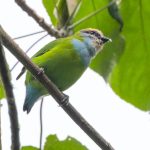
Queen Elizabeth National Park is an important birdwatching destination, with habitats that support waterbirds, woodland species, savannah birds and forest-associated species.
The Kazinga Channel, Lake George, Lake Edward, Maramagambo Forest and surrounding wetlands provide different birding environments. Depending on the season and location, birdwatchers may look for:
-
African skimmer.
-
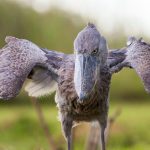
Shoebill.
-
Pink-backed pelican.
-
African fish eagle.
-
Martial eagle.
-
Papyrus canary.
-
Black-rumped buttonquail.
-
Various kingfishers, herons and egrets.
The park is also an important destination for birders interested in species associated with the Albertine Rift. For the best experience, consider travelling with a knowledgeable birding guide who can identify species by sight and sound.
8. Explore Maramagambo Forest
Maramagambo Forest is a large forest area in the southeastern part of Queen Elizabeth National Park. It provides a contrast to the open grasslands and is home to primates, forest birds, butterflies and other wildlife.
Guided nature walks offer an opportunity to explore the forest and learn about its plants, habitats and wildlife. Depending on the route and conditions, visitors may encounter monkeys and a variety of forest birds.
Maramagambo can be included in a longer safari for travellers who want to experience more than the park’s savannah and aquatic habitats.
9. Visit the Equator and the Queen’s Pavilion
The journey from Kampala to Queen Elizabeth National Park along the Masaka–Mbarara route can include a stop at the Uganda Equator crossing in Kayabwe. This is a popular photographic stop where visitors can stand across the northern and southern hemispheres and learn about the geographical significance of the Equator.
Demonstrations at the site explain how water behaves on either side of the Equator, making the stop both entertaining and educational. Visitors can also take photographs, browse craft shops and purchase souvenirs.
Another historical attraction within Queen Elizabeth National Park is the Queen’s Pavilion, located along the Crater Drive. The original pavilion was established in 1954 in connection with Queen Elizabeth II’s visit to the park. A more permanent structure was later developed ahead of another royal visit in 1959. The pavilion was renovated in 2007 ahead of the visit of the Duke of Edinburgh.
The site is a notable historical stop for visitors exploring the park’s crater region.
10. Enjoy a Guided Nature Walk
Queen Elizabeth National Park is not only a destination for game drives and boat safaris. Guided nature walks provide another way to appreciate its landscapes, vegetation and smaller wildlife.
Depending on the designated walking area and available arrangements, visitors can explore selected trails with trained guides and learn about animal tracks, plants, insects and the relationships between different habitats.
Nature walks can be particularly rewarding for travellers interested in photography, birdwatching and understanding the park beyond its larger mammals.
11. Experience Local Culture and Community Tourism
Communities around Queen Elizabeth National Park have a long relationship with the surrounding natural environment. Cultural visits provide opportunities to learn about local traditions, livelihoods, food, music and daily life.
One interesting experience is visiting the Lake Katwe salt-mining community to learn how local residents extract salt from the saline lake. Depending on the community programme, visitors may also enjoy traditional performances, storytelling, craft demonstrations and guided cultural encounters.
These activities help travellers understand the human side of conservation and how tourism can support communities living near protected areas.
Main Wildlife in Queen Elizabeth National Park
Queen Elizabeth National Park supports a remarkable variety of mammals and birds. Its different habitats, from open grasslands to wetlands and forests, make it possible to encounter several species during one safari.
Mammals to look out for
Some of the animals you may encounter include:
-
African elephants.
-
African buffaloes.
-
Uganda kob.
-
Lions.
-
Leopards.
-
Hippos.
-
Nile crocodiles.
-
Warthogs.
-
Waterbucks.
-
Topis.
-
Baboons.
-
Various monkey species.
The park is particularly known for its tree-climbing lions in Ishasha, large hippo populations along the Kazinga Channel and herds of Uganda kob in the Kasenyi Plains.
Wildlife sightings vary according to the season, habitat and movement of the animals. Even on a well-planned game drive, no particular sighting can be guaranteed.
Best Time to Visit Queen Elizabeth National Park
Queen Elizabeth National Park can be visited throughout the year. However, weather conditions can influence road conditions, wildlife viewing and the ease of undertaking certain activities.
Drier periods:
-
June to September: These months generally offer relatively dry conditions, making them suitable for game drives and other outdoor activities.
-
December to February: Another relatively dry period, with conditions that are often favourable for exploring the park.
Wetter periods:
-
March to May: Rainfall can make some tracks muddy, although the landscape becomes lush and green.
-
October to November: This period can also experience increased rainfall, depending on local weather patterns.
Birdwatchers may enjoy the wetter months because of seasonal bird movements and breeding activity, although birding remains possible throughout the year.
Where to Stay in Queen Elizabeth National Park
Queen Elizabeth National Park has accommodation options ranging from luxury safari lodges to mid-range properties and budget camps. Your choice will depend on your preferred comfort level, budget and the activities you want to undertake.
Accommodation around Mweya Peninsula
Staying around Mweya is convenient for visitors interested in the Kazinga Channel boat cruise, game drives and the park’s central attractions. Options include Mweya Safari Lodge and other accommodation facilities in the wider area.
Accommodation around Kasenyi
The Kasenyi area is suitable for visitors who want convenient access to the northern game-viewing plains. Lodges in and around this area provide a useful base for early-morning game drives.
Accommodation in Ishasha
Travellers planning to explore the southern part of Queen Elizabeth National Park can stay around Ishasha. This is particularly useful for those interested in searching for the tree-climbing lions or continuing towards Bwindi Impenetrable National Park.
Accommodation around Kyambura
Lodges around the Kyambura area are convenient for visitors planning chimpanzee tracking and exploring the northern and eastern sections of the park.
Accommodation availability, facilities and rates vary by property and season. It is advisable to book in advance, particularly during busy travel periods.
How to Get to Queen Elizabeth National Park
Queen Elizabeth National Park can be reached by road or domestic flight. The most suitable route depends on your starting point and the part of the park you intend to visit.
By Road from Kampala
The main road route from Kampala passes through Masaka, Mbarara and Bushenyi before reaching the park through the Ishaka and Kasese areas. The journey is approximately 400 kilometres to the park’s central areas, although the distance depends on the entrance and lodge.
Another route runs through Mityana, Mubende and Fort Portal before continuing towards Kasese and the park. This route is particularly convenient for travellers combining Queen Elizabeth National Park with Fort Portal, Kibale National Park or the Rwenzori region.
Road travel provides opportunities to enjoy Uganda’s countryside, local trading centres, rolling hills and rural landscapes along the way.
By Air
Travellers who prefer to reduce road travel can arrange a domestic flight to an airstrip serving the Queen Elizabeth National Park region. Flights and landing arrangements depend on the operator, itinerary and the specific airstrip being used.
A ground transfer can then be organised from the airstrip to your lodge.
Suggested Queen Elizabeth National Park Safari Itinerary
A three-day safari provides a useful introduction to the park’s main attractions.
Day 1: Transfer to Queen Elizabeth National Park and afternoon game drive
Depart Kampala or Entebbe and travel to Queen Elizabeth National Park. Depending on your route, you can stop at the Equator crossing in Kayabwe. Arrive at your lodge, enjoy lunch and head out for an afternoon game drive in the Kasenyi Plains or another suitable wildlife-viewing area.
Day 2: Morning game drive and Kazinga Channel boat cruise
Start with an early-morning game drive in search of elephants, buffaloes, Uganda kob and lions. Return to the lodge for breakfast and relaxation. In the afternoon, enjoy a boat cruise along the Kazinga Channel, observing hippos, crocodiles, elephants and waterbirds.
Day 3: Kyambura Gorge or Ishasha and departure
Depending on your interests and departure route, enjoy a chimpanzee tracking experience in Kyambura Gorge or travel towards Ishasha for a game drive in search of tree-climbing lions. Continue to your next destination or return to Kampala or Entebbe.
For a longer safari, consider adding Kibale National Park for chimpanzee trekking, Bwindi for mountain gorilla trekking or Murchison Falls National Park for another wildlife experience.
Frequently Asked Questions About Queen Elizabeth National Park
1. What is Queen Elizabeth National Park famous for?
Queen Elizabeth National Park is famous for its diverse wildlife, Kazinga Channel boat cruises, tree-climbing lions in Ishasha, crater lakes, volcanic landscapes and exceptional birdlife.
2. How big is Queen Elizabeth National Park?
The park covers approximately 1,978 square kilometres in western Uganda.
3. How many days do I need in Queen Elizabeth National Park?
A two- or three-day visit allows time for game drives and a Kazinga Channel boat cruise. Three to four days provide additional time for chimpanzee tracking, birdwatching, crater exploration and visiting the Ishasha sector.
4. Can I see tree-climbing lions in Queen Elizabeth National Park?
Yes. The Ishasha sector is famous for lions that sometimes rest in the branches of large fig trees. However, sightings depend on the animals’ movements and are not guaranteed.
5. Can I see chimpanzees in Queen Elizabeth National Park?
Yes. Visitors can arrange chimpanzee tracking in Kyambura Gorge, where a habituated community lives in a forested gorge within the park ecosystem.
6. What is the Kazinga Channel famous for?
The Kazinga Channel connects Lake George and Lake Edward. It is known for its concentrations of hippos, crocodiles, elephants, buffaloes and waterbirds, making it an excellent location for boat safaris.
7. Is Queen Elizabeth National Park suitable for birdwatching?
Yes. The park’s wetlands, savannah, forests and lakes support a wide variety of bird species. It is a rewarding destination for both experienced birders and visitors interested in general wildlife observation.
8. Can I combine Queen Elizabeth National Park with Bwindi?
Yes. Queen Elizabeth National Park can be combined with Bwindi Impenetrable National Park for a safari featuring wildlife viewing and mountain gorilla trekking. The Ishasha sector is a useful route for some itineraries travelling between the two destinations.
Why Visit Queen Elizabeth National Park with Epic Uganda Vacation?
Queen Elizabeth National Park offers a remarkable combination of wildlife, landscapes and cultural experiences. From watching elephants along the Kazinga Channel to searching for lions in the Kasenyi Plains and Ishasha, each safari activity reveals a different part of Uganda’s natural heritage.
At Epic Uganda Vacation, we organise customised safaris to Queen Elizabeth National Park, including game drives, boat cruises, chimpanzee tracking in Kyambura Gorge, birdwatching and community experiences. We can also combine the park with Kibale Forest, Bwindi Impenetrable National Park, Murchison Falls and other destinations in Uganda.
Whether you are interested in a short wildlife excursion or a longer Uganda safari, our team can help organise the transport, accommodation, park activities and guiding services.
Plan your Queen Elizabeth National Park safari: Contact Epic Uganda Vacation to discuss your preferred travel dates and itinerary.