
Grumeti River, Tanzania: Facts, Things to Do, Wildlife, Where to Stay & Best Time to Visit
Grumeti River, Tanzania: The Ultimate Safari and Travel Guide
The Grumeti River is one of the most fascinating wildlife destinations in Tanzania’s Serengeti ecosystem. Famous for its dramatic wildebeest migration crossings, enormous Nile crocodiles and spectacular concentrations of wildlife, this river offers an extraordinary safari experience in the heart of East Africa.
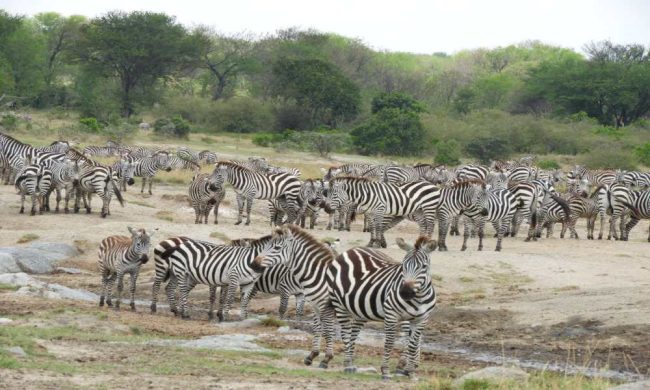
Located in the Western Corridor of Serengeti National Park, the Grumeti River plays an important role in the annual Great Wildebeest Migration. Every year, hundreds of thousands of wildebeest, accompanied by zebras and gazelles, move through the surrounding plains in search of fresh grazing and water.
For many safari travellers, the Grumeti River is particularly exciting because it presents one of the migration’s most dramatic natural obstacles. As the herds approach the river, they must navigate deep water, strong currents and enormous crocodiles waiting along the riverbanks.
However, Grumeti is much more than a migration destination. Its riverine forests, open savannahs and surrounding woodlands support an impressive variety of wildlife, including elephants, giraffes, lions, leopards, hippos, buffaloes and numerous bird species.
Whether you are planning a Great Migration safari, a photographic expedition or a luxury African wildlife holiday, the Grumeti River deserves a place on your Tanzania safari itinerary.
In this comprehensive guide, Epic Uganda Vacation explores everything you need to know about the Grumeti River, including its location, interesting facts, wildlife, things to do, accommodation, best time to visit and how to plan an unforgettable safari.
1. Where Is Grumeti River Located?
The Grumeti River is located in northwestern Tanzania, within the Western Corridor of Serengeti National Park. It flows westwards through the Serengeti ecosystem towards Lake Victoria, supporting a network of riverine forests, open grasslands, woodlands and seasonal floodplains.
The river is an important source of water for wildlife, particularly during the dry season when water becomes scarce across the surrounding savannah.
The Western Corridor extends from the central Serengeti towards the western boundaries of the park. It is characterised by relatively flat grasslands, scattered hills, woodland habitats and dense vegetation along the riverbanks.
The Grumeti ecosystem also includes the privately managed Grumeti Reserve, which borders the national park landscape and provides additional protected habitats for wildlife.
Geographical highlights:
-
Country: Tanzania.
-
Region: Western Serengeti.
-
Main protected area: Serengeti National Park.
-
Ecosystem: Serengeti-Mara ecosystem.
-
Nearby landmark: Lake Victoria.
-
Main river: Grumeti River.
-
Famous attraction: Great Wildebeest Migration river crossings.
-
Major wildlife habitats: Riverine forests, grasslands, woodlands and savannah plains.
The Grumeti River is an important destination for travellers exploring the western side of the Serengeti, especially those interested in the Great Wildebeest Migration.
2. Interesting Facts About Grumeti River
The Grumeti River is one of Tanzania’s most fascinating natural features. Its importance extends beyond the annual wildebeest migration because it supports a diverse ecosystem of aquatic animals, mammals, birds and vegetation.
Here are some interesting facts about the Grumeti River.
1. It Is Famous for the Great Wildebeest Migration
The Grumeti River is an important obstacle along the northern migration route of wildebeest and zebras. Between approximately May and July, migrating herds move through the Western Corridor, with some animals attempting to cross the river.
The crossings can be dramatic, as thousands of animals gather along the riverbanks before entering the water.
2. It Is Home to Enormous Nile Crocodiles
The river is famous for its large Nile crocodiles, which wait in the water for opportunities to prey on migrating animals.
During migration season, crocodiles can be seen resting along the riverbanks or partially submerged in the water.
3. It Supports Large Hippo Populations
The Grumeti River provides an important habitat for hippopotamuses. These enormous semi-aquatic mammals spend much of the day submerged in water to keep cool and emerge at night to graze.
Visitors can often hear hippos grunting and calling to one another, especially during the evening and early morning.
4. It Has Beautiful Riverine Forests
Unlike the open grasslands commonly associated with the Serengeti, the Grumeti River is surrounded by stretches of lush vegetation and riverine forest.
These habitats provide shelter, food and breeding grounds for numerous bird species, monkeys and other wildlife.
5. It Is an Important Stop Along the Migration Route
The Grumeti River is one of the first major river obstacles encountered by the migrating wildebeest after they move through the southern and central Serengeti.
It comes before the more famous Mara River crossings farther north.
6. It Offers a Quieter Migration Safari
Compared with the popular northern Serengeti and Maasai Mara migration areas, the Western Corridor often receives fewer safari vehicles.
This makes the Grumeti region attractive to travellers seeking a quieter wildlife experience and opportunities for wildlife photography.
7. It Supports Wildlife Throughout the Year
Although the Great Migration attracts significant attention, the Grumeti River remains important to resident wildlife even when migrating herds are elsewhere.
Elephants, giraffes, lions, hippos, crocodiles and numerous bird species can be found in the wider ecosystem throughout the year.
3. The Great Wildebeest Migration at Grumeti River
One of the main reasons travellers visit the Grumeti River is to witness the Great Wildebeest Migration.
This annual wildlife movement involves more than a million wildebeest, accompanied by hundreds of thousands of zebras and gazelles, travelling across the Serengeti-Mara ecosystem in search of fresh grazing and water.
As the herds leave the southern Serengeti and move through the central plains, many head towards the Western Corridor, where they encounter the Grumeti River.
Why Is the Grumeti River Crossing So Special?
The Grumeti River crossing is an exciting wildlife spectacle because the animals must overcome a natural obstacle while predators wait nearby.
Wildebeest often gather along the riverbanks, sometimes hesitating for hours before one animal enters the water. Once the first animals begin crossing, others may follow in large numbers.
The crossing exposes wildebeest and zebras to several dangers, including:
-
Large Nile crocodiles waiting in the river.
-
Strong currents and deep water.
-
Steep and muddy riverbanks.
-
Predators such as lions and hyenas around the surrounding grasslands.
-
Exhaustion and injuries during difficult crossings.
Not every herd crosses the river at the same time. Some animals may wait for favourable conditions, while others find alternative crossing points.
When Does the Wildebeest Migration Cross Grumeti River?
The main migration movement through the Western Corridor generally occurs between May and July, with June often offering particularly good opportunities to witness the Grumeti River crossings.
However, the exact timing changes every year depending on rainfall, grazing conditions and the movement of the herds.
Travellers planning a migration safari should allow several days in the Western Corridor rather than relying on a single day to witness a crossing.
4. Things to Do at Grumeti River
The Grumeti River and its surrounding wilderness offer several exciting safari activities. Whether you are interested in wildlife photography, birdwatching, guided nature walks or game drives, the region has plenty to offer.
1. Witness the Great Wildebeest Migration River Crossings
Watching wildebeest cross the Grumeti River is one of the most exciting experiences in the Western Serengeti.
During migration season, safari guides follow the herds and monitor their movements around the riverbanks.
Visitors may witness thousands of wildebeest entering the water, swimming across the river and climbing onto the opposite bank.
The experience is particularly rewarding for wildlife photographers interested in capturing natural animal behaviour.
2. Enjoy Game Drives in the Western Serengeti
Game drives are among the best ways to explore the Grumeti ecosystem.
The surrounding grasslands, woodlands and riverine habitats support an impressive variety of wildlife.
During guided game drives, visitors may encounter:
-
Lions resting beneath trees or hunting in the grasslands.
-
Elephants moving through woodland habitats.
-
Giraffes feeding on acacia trees.
-
Buffaloes grazing in open grasslands.
-
Zebras and wildebeest moving across the plains.
-
Leopards resting in trees.
-
Cheetahs hunting in open savannah areas.
Early morning and late afternoon are particularly rewarding times for game drives because many animals are more active during cooler hours.
3. Watch Hippos and Crocodiles Along the River
The Grumeti River provides excellent opportunities to observe aquatic wildlife.
Hippos can often be seen in groups, with their heads emerging from the water as they communicate through grunts and calls.
Nile crocodiles are another attraction. Visitors may spot them resting along muddy riverbanks or floating quietly in the water.
Always observe these animals from a safe distance and follow your safari guide’s instructions.
4. Go Birdwatching
The riverine forests and surrounding woodlands create excellent habitats for birdlife.
Birdwatchers can look out for:
-
African fish eagles.
-
Grey crowned cranes.
-
Secretary birds.
-
Lilac-breasted rollers.
-
Kingfishers.
-
Bee-eaters.
-
Herons.
-
Various storks and waterbirds.
The combination of aquatic habitats, open grasslands and woodland vegetation makes the Grumeti region particularly interesting for birdwatching.
5. Enjoy Guided Walking Safaris
Walking safaris offer a more intimate way to experience the African wilderness.
Instead of observing wildlife only from a safari vehicle, visitors explore the natural environment on foot with trained guides and, where required, armed rangers.
You can learn about animal tracks, bird calls, insects, medicinal plants and the ecological importance of different vegetation types.
Important: Guided walking safaris are not freely permitted throughout Serengeti National Park. They must be arranged in authorised areas, such as suitable private concessions or designated areas outside the national park, subject to local regulations.
6. Experience Night Game Drives
Night game drives offer an opportunity to discover animals that are difficult to encounter during daylight hours.
Depending on the location and conditions, visitors may spot:
-
Civets.
-
Genets.
-
Bush babies.
-
Porcupines.
-
Nightjars.
-
Hyenas.
-
Leopards.
-
Other nocturnal animals.
Night drives are generally not permitted inside the main Serengeti National Park. They may be available in authorised private concessions and surrounding wildlife management areas, subject to applicable rules.
7. Enjoy a Hot Air Balloon Safari
A hot air balloon safari is an unforgettable way to appreciate the vast Serengeti landscape.
The experience usually begins before sunrise, when visitors travel to the launch site and watch the balloon being prepared.
Once airborne, you enjoy spectacular aerial views of the savannah, rivers, woodlands and wildlife below.
During migration season, you may see enormous herds of wildebeest moving across the plains.
Balloon safaris operate from selected locations and are subject to weather conditions, operator availability and the season.
8. Enjoy Sundowners in the African Wilderness
A sundowner is a traditional African safari experience in which guests enjoy refreshments while watching the sun set over the savannah.
The Western Serengeti has beautiful landscapes, including open plains, wooded hills and riverine vegetation, making it an excellent setting for a relaxing evening.
Some lodges and camps organise sundowner experiences at designated locations, subject to safety and conservation regulations.
5. What Wildlife Can You See at Grumeti River?
The Grumeti River ecosystem supports a remarkable variety of African wildlife. Its permanent water sources and diverse vegetation attract animals throughout the year.
Here are some of the wildlife species you may encounter.
| Wildlife | Where or how to see them |
|---|---|
| Wildebeest | Open plains, especially during migration season |
| Zebras | Grasslands and migration routes |
| Lions | Grasslands and woodland edges |
| Leopards | Riverine forests and trees |
| Cheetahs | Open savannah habitats |
| Elephants | Woodlands and riverine vegetation |
| Giraffes | Acacia woodlands |
| Buffaloes | Grasslands and areas near water |
| Hippos | Grumeti River |
| Nile crocodiles | Riverbanks and water channels |
| Spotted hyenas | Open plains and wildlife-rich areas |
| Black and white colobus monkeys | Riverine forests |
Big Five Animals at Grumeti
The wider Serengeti ecosystem is home to all the Big Five African animals:
-
Lions.
-
Leopards.
-
Elephants.
-
Buffaloes.
-
Rhinoceroses.
However, rhinoceros sightings are rare in the Western Corridor. Travellers hoping to see all five should consider combining Grumeti with other Serengeti regions where rhino viewing is more established.
6. What Birds Can You See at Grumeti River?
Grumeti River is also an interesting destination for bird enthusiasts because its habitats support both water-associated and terrestrial bird species.
The river attracts fish-eating birds, waders and other waterbirds, while the surrounding woodlands and grasslands support raptors, rollers, bee-eaters and ground-dwelling species.
Some notable birds to look for include:
-
African fish eagle.
-
Grey crowned crane.
-
Lilac-breasted roller.
-
Secretary bird.
-
Saddle-billed stork.
-
Marabou stork.
-
Various kingfishers.
-
African hoopoe.
-
Bee-eaters.
-
Various herons and egrets.
Birdwatching can be rewarding throughout the year, although the green season often brings additional seasonal and migratory bird species.
7. Where to Stay Near Grumeti River: Best Lodges and Camps
Choosing the right accommodation is important when planning a Grumeti River safari. Staying close to the Western Corridor allows you to spend more time exploring the river, following migrating herds and enjoying wildlife encounters.
The area offers luxury safari lodges, intimate tented camps and more affordable accommodation options around the wider Grumeti ecosystem.
Here are some accommodation options to consider.
1. Singita Faru Faru Lodge – Luxury Safari Accommodation
Singita Faru Faru is an exclusive luxury safari lodge located in the private Grumeti Reserve.
The lodge is particularly attractive to travellers looking for a high-end safari experience combined with excellent wildlife viewing.
Its location near the Grumeti River and a frequently visited waterhole creates opportunities to observe wildlife around the lodge.
What makes it special:
-
Luxurious accommodation and beautiful surroundings.
-
Excellent opportunities for wildlife viewing.
-
River and waterhole scenery.
-
Fine dining and personalised safari experiences.
-
Access to the private Grumeti Reserve.
Best for: Luxury travellers, honeymooners and exclusive African safari holidays.
2. Singita Sabora Tented Camp – Exclusive Safari Experience
Singita Sabora is another luxurious accommodation option in the Grumeti Reserve.
The camp combines traditional safari atmosphere with contemporary comfort. Its location in the open plains provides excellent opportunities to observe wildlife moving through the surrounding landscape.
Guests can enjoy guided game drives, exceptional hospitality, beautiful dining experiences and relaxing moments between safari activities.
What makes it special:
-
Exclusive tented accommodation.
-
Spacious suites.
-
Private safari experiences.
-
Excellent wildlife viewing.
-
Wellness and relaxation facilities.
Best for: Couples, honeymooners and luxury safari travellers.
3. Grumeti Hills – Safari Lodge in Western Serengeti
Grumeti Hills is an attractive safari accommodation option in the wider Grumeti region.
The lodge offers a combination of comfortable tented accommodation, wilderness experiences and beautiful views of the surrounding landscape.
It is particularly interesting for travellers who want to combine traditional game drives with activities such as guided walks and bush dining, where available.
What makes it special:
-
Comfortable tented accommodation.
-
Guided safari experiences.
-
Walking safari opportunities in authorised areas.
-
Bush breakfast experiences.
-
Beautiful Western Serengeti scenery.
Best for: Travellers seeking an immersive safari experience with a balance of comfort and adventure.
4. Asanja Grumeti – Intimate Tented Safari Camp
Asanja Grumeti is an intimate tented safari accommodation option in the Western Serengeti.
It is positioned in the broader Grumeti landscape, close to the Nyasarori plains and marsh area.
Its location makes it an interesting base for exploring the surrounding wildlife habitats and following the migration when it passes through the Western Corridor.
What makes it special:
-
Intimate tented accommodation.
-
Beautiful natural surroundings.
-
Access to seasonal migration routes.
-
Opportunities for wildlife photography.
-
A quieter safari atmosphere.
Best for: Couples, photographers and travellers looking for a more intimate safari experience.
5. Ikoma Wild Camp – A More Accessible Safari Base
Ikoma Wild Camp is situated in the wider Ikoma area of the Serengeti ecosystem.
It offers a more accessible safari accommodation option for visitors exploring the western and central Serengeti.
The camp is particularly useful for travellers interested in combining wildlife viewing around Ikoma, the Grumeti region and other parts of the Serengeti.
What makes it special:
-
Tented safari accommodation.
-
Access to wildlife-rich areas.
-
A more relaxed safari atmosphere.
-
Useful location for exploring the wider ecosystem.
Best for: Travellers seeking a more budget-conscious alternative to exclusive luxury camps.
Accommodation rates, seasonal availability and included activities vary. Confirm the exact camp location and transfer arrangements before booking, particularly if your main objective is to see the Grumeti River crossings.
Map: Grumeti River and Recommended Safari Accommodation
8. Best Time to Visit Grumeti River
The best time to visit Grumeti River depends on the activities you want to enjoy.
For travellers interested in witnessing the Great Wildebeest Migration, May to July is generally the most rewarding period. June is particularly popular because large herds often move through the Western Corridor and approach the Grumeti River.
However, the region offers wildlife viewing throughout the year, making it an interesting destination even outside the migration season.
January to March – Green Season and Calving Elsewhere
During these months, the main migrating herds are generally concentrated in the southern Serengeti and Ndutu region.
Although this is not the best time for Grumeti River crossings, visitors can still enjoy resident wildlife, beautiful green landscapes and excellent birdwatching opportunities.
What to expect:
-
Green vegetation.
-
Resident wildlife.
-
Excellent photography conditions.
-
Seasonal birdlife.
-
Fewer migration-related crowds.
April to May – Migration Movement Towards Western Serengeti
As the long rains begin to ease, migrating wildebeest and zebras gradually move towards the central and western Serengeti.
May is an interesting month for travellers hoping to catch the early stages of the migration in the Western Corridor.
What to expect:
-
Migrating wildebeest and zebras.
-
Lush green scenery.
-
Excellent landscape photography.
-
Changing weather conditions.
-
Early migration activity near the Grumeti region.
June to July – Best Time for Grumeti River Crossings
June and early July are particularly rewarding months for travellers hoping to witness the famous Grumeti River crossings.
During this period, large herds move through the Western Corridor on their journey towards the northern Serengeti.
What to expect:
-
Wildebeest migration activity.
-
Opportunities to witness river crossings.
-
Large Nile crocodiles.
-
Excellent general wildlife viewing.
-
Good conditions for wildlife photography.
August to October – Dry Season and Resident Wildlife
By August, the main migration movement has generally shifted towards northern Serengeti and Maasai Mara.
However, the Grumeti region remains attractive for general wildlife viewing.
What to expect:
-
Drier landscapes.
-
Excellent opportunities to spot resident wildlife.
-
Good photography conditions.
-
Hippos and crocodiles along the river.
-
Opportunities to combine Grumeti with northern Serengeti.
November to December – Short Rains and Returning Herds
The short rains usually bring fresh vegetation to the Serengeti ecosystem, encouraging migrating herds to move back towards the southern plains.
Although Grumeti is no longer the main migration destination, it remains interesting for wildlife enthusiasts looking for quieter safari experiences.
What to expect:
-
Greener landscapes.
-
Seasonal rainfall.
-
Returning migration herds in other Serengeti regions.
-
Resident wildlife.
-
Birdwatching opportunities.
Month-by-Month Grumeti River Safari Guide
| Month | Migration activity | Safari recommendation |
|---|---|---|
| January | Herds in southern Serengeti | General wildlife and birding |
| February | Calving in the south | Visit Ndutu instead |
| March | Herds in southern Serengeti | General wildlife |
| April | Herds moving north-west | Migration safari |
| May | Herds entering Western Corridor | Early migration viewing |
| June | Grumeti migration crossings | Best overall migration window |
| July | Herds moving north | Late Grumeti migration |
| August | Migration mainly in the north | Resident wildlife |
| September | Migration mainly in the north | General safari |
| October | Migration mainly in the north | General safari |
| November | Herds moving south-east | General wildlife |
| December | Herds returning towards southern plains | Green-season safari |
Important: The migration follows rainfall rather than a fixed calendar. These dates are general seasonal guides, and the actual location of the herds may change from year to year.
9. How to Get to Grumeti River
Getting to Grumeti River requires travelling to the Western Corridor of Serengeti National Park in northern Tanzania.
Visitors can access the region by road or by domestic light aircraft, depending on their safari itinerary, accommodation and budget.
By Air
Flying is one of the most convenient ways to reach the Western Serengeti.
Travellers can take scheduled or chartered flights from destinations such as Arusha, Kilimanjaro or other Serengeti airstrips, depending on the flight schedule.
Relevant airstrips include:
-
Grumeti Airstrip.
-
Kirawira Airstrip.
-
Seronera Airstrip.
Upon arrival, safari guides or lodge representatives arrange transfers to the accommodation.
By Road
Visitors can also reach the Western Corridor by safari vehicle from other parts of the Serengeti.
For example, travellers exploring central Serengeti can continue westwards towards the Grumeti region.
A road safari offers opportunities to enjoy additional wildlife encounters along the way, although driving times can be considerable depending on the starting point, road conditions and destination.
From Arusha
Arusha is a major starting point for Tanzania’s northern safari circuit.
Travellers can organise a private safari vehicle or domestic flight before continuing to their accommodation in the Western Serengeti.
For visitors planning a longer safari, Grumeti can be combined with Ngorongoro Crater, central Serengeti and northern Serengeti.
10. Can You Combine Grumeti River with Other Tanzania Safari Destinations?
Absolutely! Grumeti River can be combined with several outstanding wildlife destinations in Tanzania.
This is an excellent way to experience different landscapes, wildlife habitats and stages of the Great Wildebeest Migration.
Ngorongoro Crater
Explore a spectacular volcanic caldera with opportunities to see lions, elephants, buffaloes, flamingos and the endangered black rhinoceros.
Central Serengeti
Enjoy year-round game viewing, big cats and seasonal migration activity.
Northern Serengeti
Discover the famous Mara River crossings, particularly between July and October.
Lake Manyara National Park
Enjoy birdwatching, elephants, beautiful lake scenery and opportunities to see tree-climbing lions.
Tarangire National Park
Explore landscapes dominated by baobab trees and large elephant herds.
11. Can You Combine Grumeti River with Uganda Gorilla Trekking?
Yes! Travellers interested in exploring more of East Africa can combine a Grumeti River safari in Tanzania with unforgettable primate experiences in Uganda.
Uganda is particularly famous for mountain gorilla trekking, chimpanzee tracking and diverse wildlife experiences.
Some recommended destinations include:
-
Bwindi Impenetrable National Park: Enjoy mountain gorilla trekking and encounter endangered mountain gorillas in their natural rainforest habitat.
-
Kibale Forest National Park: Track wild chimpanzees and explore tropical rainforest ecosystems.
-
Queen Elizabeth National Park: Enjoy game drives, boat cruises and opportunities to see tree-climbing lions.
-
Murchison Falls National Park: Discover elephants, giraffes, lions and the spectacular Murchison Falls.
A combined Tanzania-Uganda safari is particularly attractive to international travellers who want to experience both the Great Migration and mountain gorilla trekking in one East African holiday.
Epic Uganda Vacation can help organise tailor-made Uganda safari experiences and multi-country East African itineraries.
12. Frequently Asked Questions About Grumeti River
1. Where is Grumeti River located?
Grumeti River is located in the Western Corridor of Serengeti National Park in northwestern Tanzania. It flows westwards towards Lake Victoria and supports a rich ecosystem of wildlife, including hippos, crocodiles, elephants, lions and migrating wildebeest.
2. What is Grumeti River famous for?
Grumeti River is famous for the Great Wildebeest Migration river crossings. It is also known for its enormous Nile crocodiles, hippos, riverine forests and diverse wildlife.
3. When is the best time to visit Grumeti River?
May to July is generally the best time to visit Grumeti River if you want to witness the Great Wildebeest Migration. June is particularly rewarding because many migrating herds pass through the Western Corridor and approach the river.
4. When do wildebeest cross Grumeti River?
Wildebeest crossings generally occur between late May and July, depending on rainfall and migration movements. June is often a particularly good month to plan a visit.
5. Are there crocodiles in Grumeti River?
Yes. Grumeti River is famous for its large Nile crocodiles. These reptiles are particularly associated with the annual wildebeest migration when herds attempt to cross the river.
6. Can you see hippos in Grumeti River?
Yes. The river provides an important habitat for hippopotamuses. Visitors can often see hippos submerged in the water or resting in groups along the river.
7. What animals can I see at Grumeti River?
Wildlife includes wildebeest, zebras, lions, elephants, giraffes, buffaloes, leopards, cheetahs, hyenas, hippos and Nile crocodiles. The wider ecosystem also supports a variety of bird species and smaller mammals.
8. Can I see the Big Five at Grumeti River?
The wider Serengeti ecosystem supports all the Big Five: lions, leopards, elephants, buffaloes and rhinoceroses. However, rhinoceros sightings in the Western Corridor are uncommon, so you should not expect to see all five during a short visit.
9. How many days should I spend at Grumeti River?
A stay of approximately 2–3 nights is a good starting point for exploring the Western Corridor. If your primary objective is to witness wildebeest river crossings, consider allowing 3–4 nights or longer because crossings are unpredictable.
10. Is Grumeti River part of Serengeti National Park?
The Grumeti River flows through the Western Corridor of Serengeti National Park. The wider Grumeti ecosystem also includes adjacent private conservation areas, which have different management arrangements and visitor regulations.
11. Is Grumeti River better than Mara River?
Both rivers offer excellent migration experiences. Grumeti is particularly interesting for travellers visiting during May, June and July, while the Mara River is famous for the later migration crossings, usually between July and October.
Grumeti can also offer a quieter wildlife experience with fewer safari vehicles at some crossing locations.
12. Can I visit Grumeti River outside migration season?
Yes. Grumeti River is worth visiting throughout the year because it supports resident wildlife, including elephants, hippos, crocodiles, lions and numerous bird species.
13. Are walking safaris available at Grumeti?
Yes, guided walking safaris are available in authorised areas of the wider Grumeti ecosystem. Availability depends on the accommodation, concession and applicable wildlife regulations.
14. Is Grumeti River suitable for photography?
Absolutely. The river provides excellent opportunities to photograph crocodiles, hippos, birds, elephants and other wildlife. Migration season is particularly rewarding for capturing large herds and dramatic river crossings.
15. Is Grumeti River worth visiting?
Yes. Grumeti River is one of the most rewarding destinations in the Western Serengeti, particularly for visitors interested in the Great Wildebeest Migration, crocodiles, hippos and quieter safari experiences.
Conclusion: Why Visit Grumeti River in Tanzania?
Grumeti River is one of the most fascinating wildlife destinations in Tanzania’s Serengeti ecosystem. Its spectacular river crossings, enormous Nile crocodiles, hippos, diverse birdlife and beautiful riverine forests make it a remarkable destination for nature lovers and safari enthusiasts.
Although the river is particularly famous during the Great Wildebeest Migration between May and July, it offers rewarding wildlife experiences throughout the year.
Whether you want to witness thousands of wildebeest crossing crocodile-infested waters, enjoy game drives across the Western Serengeti, photograph wildlife or relax in a luxurious tented safari camp, Grumeti offers an unforgettable African adventure.
Plan your next African safari with Epic Uganda Vacation. Let us help you discover the remarkable wildlife destinations of East Africa, from Tanzania’s Great Wildebeest Migration to Uganda’s unforgettable gorilla trekking experiences.
Related posts:
 Ngorongoro Crater Tanzania: Wildlife, Facts, Entry Fees & Safari Guide
 How Many Gates Are in Serengeti National Park? (2026/2027)
 Silale Swamp Picnic Site, Tarangire National Park
 Mto wa Mbu Village Tour Tanzania – Culture, Hotels & Things to Do
 Giraffe Manor Tanzania, Arusha: Luxury Stay & Giraffe Experience