Mto wa Mbu Village, Tanzania: Cultural Visits, Things to Do and Travel Guide
Mto wa Mbu is one of the most interesting cultural destinations in northern Tanzania. Located near the entrance to Lake Manyara National Park, this lively village offers visitors an opportunity to experience Tanzania beyond its famous wildlife parks. Its appeal lies in its cultural diversity, traditional farming practices, colourful markets, local food, handmade crafts and welcoming communities.
A guided cultural visit to Mto wa Mbu introduces travellers to everyday village life. You can walk through banana plantations and rice fields, meet local farmers and artisans, visit a traditional Maasai homestead, taste regional dishes, explore local markets or cycle through the surrounding countryside. The experience offers a meaningful contrast to game drives in Lake Manyara, Ngorongoro Crater and the Serengeti.
For travellers exploring Tanzania’s northern safari circuit, Mto wa Mbu is an excellent place to add a cultural experience to a wildlife adventure.
Where Is Mto wa Mbu Located?
Mto wa Mbu is a small but lively town in northern Tanzania’s Manyara Region, close to the entrance of Lake Manyara National Park. It lies along the main safari route connecting Arusha with Lake Manyara, Karatu, the Ngorongoro Conservation Area and the Serengeti.
The village sits beneath the Great Rift Valley escarpment, in a fertile landscape shaped by seasonal watercourses, irrigation channels, banana plantations and rice-growing areas. Its location makes it a convenient cultural stop for travellers heading towards Ngorongoro and Serengeti or returning to Arusha.
Mto wa Mbu is approximately 120 kilometres from Arusha by road, although actual journey time depends on traffic, road conditions and the starting point. It is also conveniently located close to Lake Manyara National Park, making it possible to combine a village visit with a wildlife safari.
The name Mto wa Mbu is commonly translated from Swahili as River of Mosquitoes. The name reflects the area’s watercourses and wetland environment.
Why Visit Mto wa Mbu Village?
Mto wa Mbu stands out because it brings together people from different parts of Tanzania. The village is widely described as home to representatives of more than 120 ethnic groups, making it an interesting place to learn about the country’s cultural diversity.
Communities have settled here over time, attracted by fertile agricultural land and access to water. As a result, the village has developed into a lively centre of farming, trade, craftsmanship and cultural exchange.
A visit provides opportunities to:
- Learn about the different communities living in Mto wa Mbu.
- Walk through banana plantations, rice fields and local farms.
- Discover traditional irrigation and agricultural practices.
- Visit local markets and meet traders.
- See Makonde wood carving and traditional painting.
- Learn about banana beer production and local food.
- Visit a Maasai boma and learn about pastoral traditions.
- Explore the surrounding countryside on foot or by bicycle.
- Support community-based tourism and local businesses.
Rather than viewing the village from a safari vehicle, visitors have the opportunity to explore with local guides who can explain the area’s history, livelihoods and cultural traditions.
Things to Do in Mto wa Mbu Village
There are several ways to experience Mto wa Mbu, from short village walks to half-day cycling excursions and longer cultural visits. Activities can be selected according to your interests, available time and preferred pace.
1. Take a Guided Mto wa Mbu Village Walk
A guided village walk is one of the best ways to discover Mto wa Mbu. Accompanied by a local guide, visitors explore residential areas, farms, small businesses, craft workshops and community spaces while learning about everyday life.
During the walk, you may meet local residents, visit artisans at work and learn how different communities have contributed to the development of the village. Your guide can explain local customs, traditional livelihoods, food production and the cultural diversity of the area.
Depending on the route and arrangements, a village walk may include:
- Visits to local homes and community areas where guests are welcomed.
- Stops at small workshops and craft-making spaces.
- Encounters with farmers and local traders.
- Explanations of traditional foods and brewing methods.
- Visits to banana plantations and agricultural areas.
A typical guided village walk takes approximately two to four hours, depending on the route and activities included.
2. Explore Banana Plantations and Rice Farms
Agriculture is central to life in Mto wa Mbu. The fertile land and irrigation systems support the cultivation of bananas, rice, vegetables and other crops.
A farm visit allows travellers to see how local farmers prepare their land, grow crops, manage irrigation and harvest agricultural produce. You can walk through banana plantations, observe rice cultivation and learn about the importance of farming to household livelihoods.
The area is particularly known for its banana varieties, including the red bananas associated with local food traditions. Your guide may also explain how bananas are used in cooking and in the preparation of traditional beverages.
The visit offers a valuable opportunity to understand the relationship between the village’s agricultural environment, water resources and local economy.
3. Visit a Maasai Boma
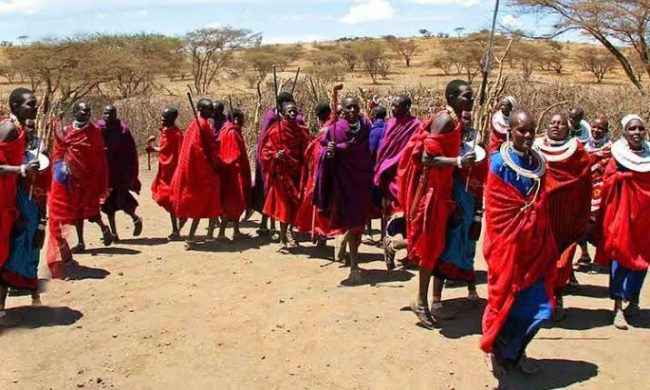
A visit to a Maasai boma introduces travellers to aspects of traditional Maasai pastoral life. The Maasai are well known for their cattle-keeping traditions, distinctive clothing, beadwork and strong cultural identity.
During an organised community visit, you may learn about the construction of traditional homesteads, the importance of livestock, family life and the relationship between the Maasai and their surrounding environment.
Depending on the host community and the programme arranged, visitors may also experience traditional songs, dances and beadwork demonstrations.
A responsible Maasai cultural visit should be organised with community representatives or trusted local guides. Ask permission before photographing people, respect household privacy and follow your host’s guidance.
4. Visit the Local Market
The local market is an excellent place to experience the everyday rhythm of Mto wa Mbu. Traders sell fresh fruits, vegetables, bananas, grains and other household products, while small shops and stalls serve residents and visitors.
Walking through the market with a local guide gives you an opportunity to learn about the products grown in the surrounding countryside and the role of trade in connecting different communities.
You may find seasonal fruits, locally grown produce, traditional ingredients and handmade items. The market is also a good place to observe the interaction between farmers, traders and shoppers.
Visitors interested in photography should always ask permission before taking close-up pictures of traders, customers or their products.
5. Discover Makonde Wood Carvings and Local Art
Mto wa Mbu is a rewarding destination for travellers interested in Tanzanian arts and crafts. Local workshops and craft stalls offer opportunities to see artisans creating wooden sculptures, paintings, baskets and other handmade products.
Makonde wood carving is among the best-known artistic traditions visitors may encounter. Makonde artists are recognised for their detailed wooden sculptures, including human figures and interconnected forms.
You may also encounter Tinga Tinga-style paintings, colourful artworks associated with Tanzania, as well as traditional baskets, mats and beadwork.
Visiting a workshop allows you to learn about the materials, techniques and creative processes behind the finished products. Buying directly from artisans is a practical way to support local craftsmanship.
6. Taste Traditional Tanzanian Food
Food is an important part of a Mto wa Mbu cultural visit. A local meal introduces travellers to ingredients and cooking traditions that reflect the agricultural diversity of the region.
Depending on the host and menu, you may enjoy dishes such as:
- Ugali: A firm maize-based staple commonly served with vegetables, beans or meat.
- Nyama choma: Grilled meat, often served with accompaniments.
- Pilau: A spiced rice dish prepared with different ingredients.
- Ndizi: Bananas prepared in various traditional ways.
- Maharage: Beans cooked with local seasonings.
- Seasonal vegetables: Fresh produce grown by local farmers.
Some cultural programmes arrange meals in local homes or community settings, where visitors can learn how traditional dishes are prepared. Ask about ingredients and dietary requirements when booking.
7. Learn About Traditional Banana Beer
Bananas are not only an important food crop in Mto wa Mbu; they are also used in the preparation of traditional beverages.
During selected cultural visits, local hosts may demonstrate how banana-based drinks are prepared and explain their role in community life. Visitors can learn about the ingredients, fermentation process and traditional knowledge associated with local brewing.
Tasting opportunities depend on the programme and the host. Travellers who do not consume alcohol can simply enjoy the demonstration and explanation.
8. Cycle Through Mto wa Mbu Village and the Surrounding Farms
Cycling is an enjoyable way to explore the countryside around Mto wa Mbu. With a local guide, visitors can ride along village paths, through agricultural areas and past banana plantations and rice fields.
A cycling tour offers a different perspective from a walking excursion. It allows you to cover more ground while enjoying the scenery and stopping to learn about farming activities and local life.
Some routes extend towards the Lake Manyara area, depending on the operator, weather and road conditions. The duration and difficulty can be adjusted to suit the group.
Cycling is particularly appealing to travellers who want an active cultural experience before or after a wildlife safari.
9. Climb Balaa Hill for Panoramic Views
For travellers who enjoy light hiking and scenic viewpoints, Balaa Hill offers an opportunity to look over Mto wa Mbu and its surrounding landscape.
The climb provides views of the village, agricultural fields and the Great Rift Valley escarpment. On a clear day, the surrounding scenery makes an excellent setting for photography.
The hike can be included as part of a guided cultural excursion. Its duration and difficulty depend on the selected route and conditions, so visitors should ask their guide about the walking distance and expected time before setting out.
Carry drinking water, wear comfortable walking shoes and protect yourself from the sun.
10. Visit Miwaleni Waterfall and Lake
Miwaleni Waterfall and its surrounding lake area offer a nature-focused experience near Mto wa Mbu. The excursion provides a contrast to the busy village centre, with opportunities to enjoy the area’s vegetation, water features and peaceful surroundings.
A guided visit may include a walk through the surrounding landscape and explanations of the local environment and the importance of water to nearby communities.
The condition of the trail and the appearance of the waterfall can vary with the season. Confirm accessibility with your local guide before including this activity in your itinerary.
11. Visit the Maasai Market and Buy Local Souvenirs
The Maasai market experience introduces visitors to locally available crafts, accessories and cultural products. Depending on the stalls and sellers present, you may find colourful beadwork, jewellery, fabrics and handmade souvenirs.
It is an opportunity to meet local sellers, learn about the meaning and uses of different products and purchase items to take home.
When buying crafts, consider purchasing directly from the makers or sellers. Agree on a fair price respectfully and remember that handmade products represent time, skill and local knowledge.
12. Enjoy Birdwatching and the Surrounding Natural Environment
Mto wa Mbu is surrounded by a varied natural environment that includes farms, wetlands, watercourses and the landscapes around Lake Manyara. Travellers interested in birds and nature can add a guided nature excursion to their cultural visit.
Birdwatching opportunities depend on the location, season and habitats visited. For a more extensive wildlife and birding experience, travellers can combine the village with a game drive in nearby Lake Manyara National Park.
Bring binoculars and ask your guide about suitable locations and the species that may be encountered during your visit.
Mto wa Mbu Cultural Tourism: Supporting Local Communities
Mto wa Mbu is an important example of community-based cultural tourism in Tanzania. Local guides and community tourism initiatives help visitors understand the village while creating opportunities for residents to earn income from tourism.
A cultural visit can support several groups, including local guides, farmers, artists, craft makers, cooks and other small businesses.
The community tourism programme promotes activities such as village walks, farm visits, Maasai homestead visits, market excursions, cycling and local food experiences. Its stated community-development objectives include supporting education, health services, water supply, irrigation and other local initiatives.
Travellers can make their visit more meaningful by choosing locally guided activities, buying crafts directly from artisans, eating at local establishments and respecting the people and places they visit.
How Long Should You Spend in Mto wa Mbu?
The time required depends on the activities you want to experience.
Two hours: A short guided village walk or market visit. This is suitable for travellers with limited time between safari destinations.
Half a day: A village walk combined with a farm visit, local market, craft workshop or traditional meal. This is a good option for most visitors.
A full day: A more relaxed cultural experience combining several activities, such as cycling, a Maasai boma visit, Balaa Hill, Miwaleni Waterfall and a local lunch. Not every activity needs to be included; choose according to your interests and the time available.
If you are travelling on a northern Tanzania safari, a half-day visit is often a convenient way to experience local culture without significantly changing the wider itinerary.
Best Time to Visit Mto wa Mbu
Mto wa Mbu can be visited throughout the year. Cultural activities such as village walks, farm visits, market tours and craft experiences are not restricted to a particular wildlife season.
However, weather conditions can influence outdoor activities.
June to October: The generally drier period is suitable for walking, cycling and combining cultural visits with wildlife safaris. This is also a busy season on Tanzania’s northern safari circuit.
November to December: The short rains may bring greener scenery and fresh growth to the farms. Outdoor activities can usually be arranged around rainfall.
January to February: These months are often warm and can offer good conditions for village walks and cultural visits. Carry drinking water and sun protection.
March to May: The long-rain period can bring heavier rainfall and muddy paths. Walking and cycling may require more flexible arrangements, but the countryside can be especially green.
For the most comfortable experience, plan outdoor activities in the morning or later in the afternoon when temperatures are generally more manageable. Always check local conditions before travelling.
How to Get to Mto wa Mbu
Mto wa Mbu is accessible by road from several destinations on Tanzania’s northern safari circuit.
From Arusha: The village is approximately 120 kilometres from Arusha. The journey usually takes around two hours, depending on traffic and road conditions.
From Kilimanjaro International Airport: Travellers can transfer by road towards Arusha and continue to Mto wa Mbu. The total journey time depends on airport arrival procedures and traffic.
From Lake Manyara National Park: Mto wa Mbu is located close to the park entrance, making it easy to combine a cultural visit with a game drive.
From Karatu and Ngorongoro: The village is a convenient stop for travellers heading towards or returning from the Ngorongoro Conservation Area.
From Serengeti National Park: Mto wa Mbu can be included in a wider northern circuit itinerary, depending on the safari route and the time available for road transfers.
Private safari vehicles are a convenient option for travellers combining Mto wa Mbu with national parks and other destinations. Public transport is also available from Arusha, although visitors should arrange their cultural activities separately.
Combine Mto wa Mbu with Tanzania’s Northern Safari Circuit
One of the main advantages of visiting Mto wa Mbu is its location near some of Tanzania’s most celebrated safari destinations. A cultural excursion can be added to a wildlife itinerary to create a more balanced travel experience.
Mto wa Mbu and Lake Manyara National Park
<em>Suggested image: Lake Manyara National Park with its forest, lake and wildlife.</em>
Lake Manyara National Park is the closest major wildlife destination to Mto wa Mbu. The park is known for its varied habitats, including groundwater forest, woodland, open areas and lakeshore environments.
Visitors can enjoy game drives in search of elephants, giraffes, zebras, buffaloes, hippos and other wildlife. The park is also known for its birdlife and the possibility of seeing tree-climbing lions.
Combining a village visit with a Lake Manyara game drive offers both cultural discovery and wildlife viewing.
Mto wa Mbu and Ngorongoro Crater
The Ngorongoro Conservation Area is another excellent addition to a Mto wa Mbu cultural experience. The Ngorongoro Crater is famous for its spectacular scenery and concentration of wildlife.
A game drive on the crater floor offers opportunities to see lions, elephants, buffaloes, zebras, wildebeest and other species. The crater is also one of the places where visitors may have an opportunity to see the endangered black rhinoceros.
Mto wa Mbu can be included before or after a Ngorongoro safari, depending on the itinerary.
Mto wa Mbu and Serengeti National Park
Serengeti National Park is a highlight of Tanzania’s northern safari circuit. It is famous for its vast savannah plains, large populations of predators and the annual movements of wildebeest and zebras.
A visit to Mto wa Mbu adds a cultural dimension to a Serengeti safari. Travellers can learn about local communities and agricultural traditions before continuing to the wildlife-rich plains.
Mto wa Mbu and Tarangire National Park
Tarangire National Park is known for its large elephant herds, iconic baobab trees and seasonal wildlife concentrations along the Tarangire River.
It can be combined with Mto wa Mbu as part of a multi-day northern Tanzania safari. The exact order depends on the starting point, accommodation and other parks included.
Suggested Mto wa Mbu Cultural Visit Itinerary
A half-day cultural excursion can be arranged around your interests and safari schedule.
Morning: Village and market walk
Meet your local guide and begin with an introduction to Mto wa Mbu. Explore the village centre and local market, learning about the different communities and products traded in the area.
Late morning: Farms and traditional crafts
Continue through banana plantations and agricultural areas. Learn about rice cultivation, irrigation and local farming practices. Visit selected craft workshops to see traditional carving or painting.
Midday: Local food experience
Enjoy a traditional Tanzanian meal prepared by a local cook or host. Depending on the programme, you may learn about the ingredients and preparation methods.
Afternoon: Optional cultural or nature activity
If time allows, add a Maasai boma visit, cycling excursion, Balaa Hill hike or Miwaleni Waterfall visit. These activities should be arranged in advance and selected according to the group’s interests and fitness.
The itinerary is flexible. Not every activity is included in every cultural tour, so confirm the programme and duration before booking.
What to Pack for a Mto wa Mbu Cultural Tour
Mto wa Mbu is generally a relaxed cultural destination, and you do not need specialist safari equipment for a village visit. However, a few essentials will make the experience more comfortable.
- Comfortable walking shoes or trainers.
- Lightweight, breathable clothing.
- A sun hat and sunglasses.
- Sunscreen.
- Insect repellent.
- Reusable drinking water bottle.
- Camera or smartphone.
- Binoculars if you plan to include birdwatching.
- A light rain jacket during the rainy seasons.
- Some Tanzanian shillings for small purchases and souvenirs.
Dress respectfully when visiting homes and religious or community spaces. Ask your guide about local expectations before taking photographs.
Responsible Cultural Tourism in Mto wa Mbu
A cultural visit should be based on mutual respect and genuine interaction. The people you meet are hosts, farmers, artists and business owners, not simply attractions for photographs.
To make your visit responsible:
- Use local guides and community-based tourism operators.
- Ask permission before photographing people, homes or private activities.
- Respect local customs, personal space and household privacy.
- Buy crafts directly from artisans where possible.
- Pay agreed fees for guided activities and demonstrations.
- Avoid giving money or gifts to children without guidance from your tour leader.
- Follow instructions during farm, homestead and nature visits.
- Choose experiences that allow local communities to benefit directly.
A respectful approach helps ensure that tourism supports local livelihoods while preserving the character of the village.
Is Mto wa Mbu Worth Visiting?
Yes. Mto wa Mbu is worth visiting if you want to understand more about Tanzania’s people, food, agriculture and cultural traditions. It offers an experience that is different from wildlife viewing and provides an opportunity to meet local residents through guided community activities.
The village is particularly suitable for travellers who enjoy cultural encounters, photography, local cuisine, crafts, cycling and short nature walks. Its location near Lake Manyara also makes it easy to include in a northern Tanzania safari.
Whether you have two hours or a full day, a well-organised visit can add an interesting human and cultural dimension to your journey through Tanzania.
Frequently Asked Questions About Mto wa Mbu
1. Where is Mto wa Mbu in Tanzania?
Mto wa Mbu is located in the Manyara Region of northern Tanzania, near the entrance to Lake Manyara National Park. It lies along the road connecting Arusha with Karatu and the Ngorongoro Conservation Area.
2. What is Mto wa Mbu famous for?
Mto wa Mbu is known for its cultural diversity, local markets, banana plantations, rice fields, traditional food, craft workshops and community-based cultural tourism. It is also a convenient stop on Tanzania’s northern safari circuit.
3. How many tribes live in Mto wa Mbu?
Mto wa Mbu is commonly described as having representatives of more than 120 Tanzanian ethnic groups. The village’s cultural diversity reflects migration and settlement from different parts of the country.
4. What can I do during a Mto wa Mbu cultural tour?
Popular activities include guided village walks, farm visits, cycling, market visits, traditional food experiences, Maasai boma visits, craft workshops, Balaa Hill hikes and excursions to Miwaleni Waterfall.
5. How long does a Mto wa Mbu cultural tour take?
A village walk generally takes around two to four hours. A half-day visit can include additional activities, while a full-day excursion allows time for several cultural and nature experiences.
6. Can I visit Mto wa Mbu and Lake Manyara on the same day?
Yes. Mto wa Mbu is close to Lake Manyara National Park, so travellers can combine a cultural visit with a game drive, subject to the safari schedule and park arrangements.
7. Is Mto wa Mbu suitable for families?
Yes. Village walks, farm visits, craft demonstrations and local food experiences can be suitable for families. Cycling and hiking activities should be selected according to the ages and abilities of the participants.
8. Can I buy souvenirs in Mto wa Mbu?
Yes. Visitors can find handmade crafts, wood carvings, paintings, beadwork, baskets and other locally produced items. Buying directly from artisans is a good way to support local businesses.
9. What is the best time to visit Mto wa Mbu?
Mto wa Mbu can be visited throughout the year. The drier months are generally convenient for walking and cycling, while the rainy seasons bring greener scenery but may affect some outdoor routes.
10. Can Mto wa Mbu be included in a Tanzania safari itinerary?
Yes. It can be included in itineraries covering Lake Manyara, Tarangire, Ngorongoro Crater and Serengeti National Park. A cultural visit is an excellent addition to a wildlife-focused safari.
Plan Your Mto wa Mbu Cultural Visit with Epic Uganda Vacation
Discover a different side of Tanzania with a guided cultural visit to Mto wa Mbu. Explore local farms, meet artisans, learn about traditional food, visit a Maasai homestead and experience the daily life of one of northern Tanzania’s most culturally diverse communities.
At Epic Uganda Vacation, we can help you include Mto wa Mbu in a tailor-made Tanzania safari, whether you are planning a short cultural excursion or a longer northern circuit adventure combining Lake Manyara, Ngorongoro Crater, Tarangire and Serengeti National Park.
Contact our team through Epic Uganda Vacation to plan your Tanzania cultural experience and safari.