How Many Gates Are There in Serengeti National Park?
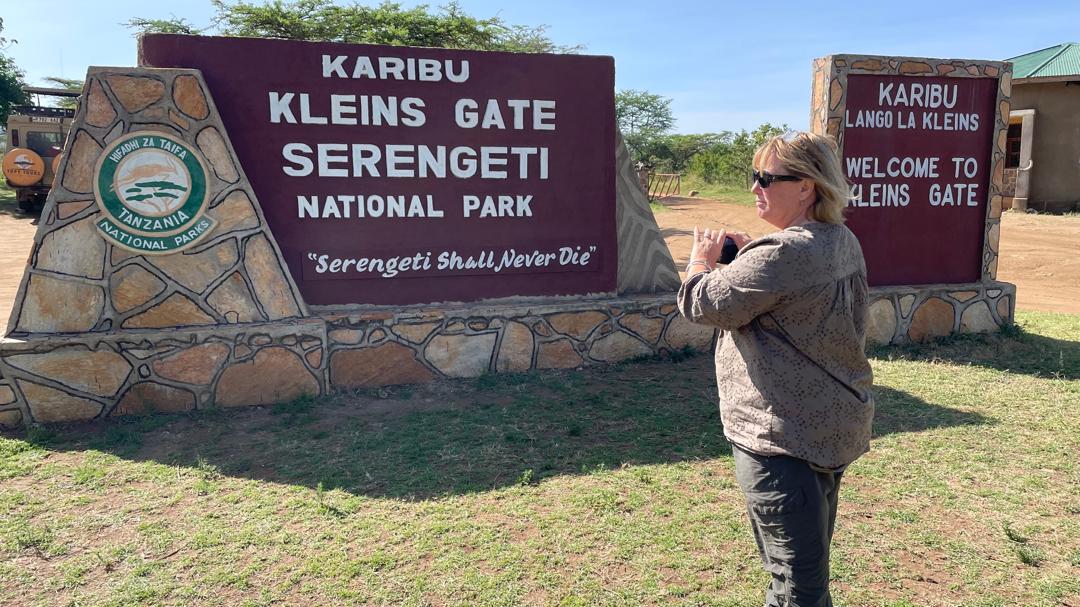
Serengeti National Park has six commonly listed main entry gates in Tanzania: Naabi Hill Gate, Ndabaka Gate, Klein’s Gate, Fort Ikoma Gate, Handajega Gate, and Bologonja Gate. However, not every gate serves the same purpose, and access conditions can vary. Bologonja, near the Kenya–Tanzania border, is reported as closed to tourist traffic, so travellers should confirm current access before planning their route.
The gate you use depends on where you are coming from, which part of the Serengeti you want to explore, and where your safari lodge or camp is located. Naabi Hill is the main entrance for many visitors travelling from Arusha through the Ngorongoro Conservation Area, while Ndabaka is a key access point for visitors approaching from Mwanza and the western side of Tanzania.
At Epic Uganda Vacation, we recommend choosing your entry gate as part of your safari itinerary to reduce unnecessary driving and maximise your time observing wildlife.
What Are the Six Main Gates of Serengeti National Park?
The six commonly listed gates are located around different parts of the park and serve travellers approaching from different directions.
1. Naabi Hill Gate
Naabi Hill Gate is the main and most widely used entrance to Serengeti National Park. It lies on the southeastern side of the park, near the boundary with the Ngorongoro Conservation Area.
Many travellers arriving from Arusha, Karatu, or Ngorongoro use this entrance. It is particularly convenient for visitors heading towards the central Serengeti, including the Seronera region, which is known for its wildlife viewing opportunities throughout the year.
Best for:
-
- Travellers driving from Arusha through Ngorongoro.
-
- Visitors exploring the central Serengeti.
-
- Safaris combining Ngorongoro Crater with Serengeti National Park.
Naabi Hill is often the most practical starting point for a classic northern Tanzania safari.
2. Ndabaka Gate
Ndabaka Gate is located on the western side of Serengeti National Park, along the Mwanza–Musoma road. It is an important entrance for travellers arriving from Mwanza and the Lake Victoria region.
This gate provides access to the Western Corridor, an area known for its open grasslands, wildlife and the Grumeti River ecosystem. Depending on the season, the western Serengeti can also offer opportunities to observe parts of the Great Wildebeest Migration.
Best for:
-
- Travellers arriving from Mwanza.
-
- Visitors exploring the Western Corridor.
-
- Safaris that include Lake Victoria and western Tanzania.
If your itinerary begins around Mwanza rather than Arusha, Ndabaka may be a more convenient entry point.
3. Klein’s Gate
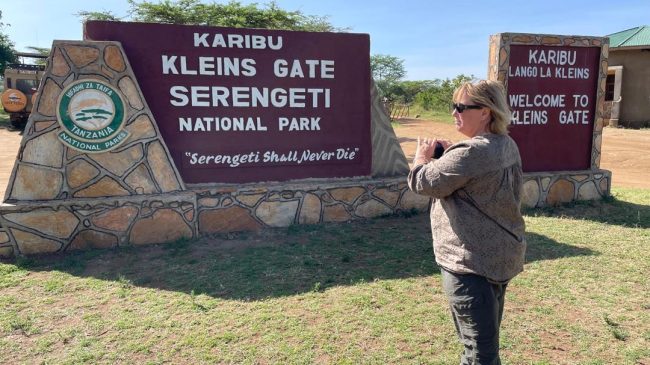
Klein’s Gate is situated in the northeastern part of the Serengeti, near the Loliondo area. It serves travellers approaching from the northeastern side of the wider Serengeti ecosystem.
This entrance can be useful for itineraries focused on the northern and northeastern parts of the park. However, road conditions, permitted routes and access arrangements should be checked before travelling.
Best for:
-
- Travellers approaching from the Loliondo area.
-
- Selected northern and northeastern Serengeti itineraries.
-
- Safari routes planned around lodges in the relevant sector.
Always coordinate with your safari operator to ensure that the gate is appropriate for your accommodation and planned route.
4. Fort Ikoma Gate
Fort Ikoma Gate, also referred to as Ikoma Gate in some travel resources, is located on the northwestern side of the Serengeti.
It can be useful for visitors approaching from the Ikoma and Mugumu areas and for travellers whose accommodation is situated near the park’s northwestern boundary.
The surrounding region provides access to wildlife areas in the western and northwestern Serengeti, making this gate a possible alternative to Naabi Hill for suitable itineraries.
Best for:
-
- Travellers approaching from the Mugumu area.
-
- Visitors staying at selected camps near Ikoma.
-
- Safaris exploring the northwestern Serengeti.
Confirm the precise gate and route with your tour operator before departure, as the names Ikoma and Fort Ikoma are sometimes used inconsistently.
5. Handajega Gate
Handajega Gate is listed among the Serengeti’s main entry points and is associated with the southwestern side of the park.
It may be relevant for selected itineraries approaching from the southwestern region, including routes connected with the wider Grumeti area. It is less commonly mentioned in general safari itineraries than Naabi Hill and Ndabaka.
Best for:
-
- Specialised itineraries in the southwestern Serengeti.
-
- Travellers whose accommodation and transport arrangements are based in the relevant area.
-
- Safari operators planning routes around western and southwestern wildlife areas.
Because access arrangements can differ, check whether Handajega is suitable for your intended route before including it in your safari plan.
6. Bologonja Gate
Bologonja Gate lies near the northern boundary of Serengeti National Park, close to the Kenya–Tanzania border and the Maasai Mara ecosystem.
Its geographical position makes it important when discussing cross-border safari routes. However, travellers should not assume that they can cross directly between Tanzania’s Serengeti National Park and Kenya’s Maasai Mara through this gate. Travel resources report restrictions or closure affecting tourist traffic.
Best for:
-
- Understanding the northern boundary of the Serengeti.
-
- Planning a safari around the northern Serengeti and Mara ecosystem.
-
- Discussing cross-border travel requirements with a licensed safari operator.
If your trip combines Kenya and Tanzania, arrange the international border crossing through an authorised crossing point and confirm the latest immigration and park-access rules.
Which Serengeti Gate Should You Use?
Choosing the right entrance can save time, reduce unnecessary driving and help you spend more of your safari watching wildlife.
| Your starting point or safari plan | Gate to consider |
|---|---|
| Arusha or Ngorongoro Conservation Area | Naabi Hill Gate |
| Mwanza or Lake Victoria | Ndabaka Gate |
| Loliondo and northeastern approaches | Klein’s Gate |
| Mugumu or the Ikoma area | Fort Ikoma Gate |
| Selected southwestern Serengeti itineraries | Handajega Gate |
| Northern boundary and Kenya–Tanzania route planning | Bologonja Gate, subject to access restrictions |
These are general planning guidelines, not guarantees of access. Your accommodation, current road conditions, park regulations and the season can affect the most suitable route.
Why Is Naabi Hill Gate the Most Popular Entrance?
Naabi Hill Gate is the principal road entrance for many travellers arriving from Arusha and the Ngorongoro Conservation Area. Its location makes it a natural gateway for safaris that combine several of Tanzania’s best-known wildlife destinations.
After entering through Naabi Hill, travellers can continue towards the central Serengeti and the Seronera area, where wildlife viewing is possible in different seasons.
Naabi Hill is especially useful for visitors planning to combine:
-
- Ngorongoro Crater.
-
- The central Serengeti.
-
- The southern plains, depending on the itinerary and season.
-
- Multi-day game drives in Tanzania’s northern safari circuit.
Nevertheless, the main gate is not necessarily the best choice for every visitor. Someone staying in the western or northern Serengeti may benefit from a different approach, depending on their arrival point and travel arrangements.
Can You Enter Serengeti National Park From Kenya?
Serengeti National Park is part of a wider ecosystem connected to Kenya’s Maasai Mara National Reserve. The two areas share a wildlife landscape across the international border, and the Great Wildebeest Migration moves through this ecosystem seasonally.
However, a shared ecosystem does not mean that every boundary crossing is open to tourists. Bologonja Gate has been reported as closed to tourist traffic, so it should not be treated as a guaranteed direct crossing between the Serengeti and Maasai Mara.
Travellers combining Kenya and Tanzania should plan an authorised international border crossing and confirm visa, immigration, vehicle and park-entry requirements in advance.
What Should You Know Before Entering Serengeti National Park?
Before setting off on your safari, consider the following practical tips.
1. Confirm your entrance with your tour operator
Your entry gate should match your lodge, planned game drives and arrival route. Ask your safari operator to confirm the gate and road itinerary before travelling.
2. Check park fees and payment arrangements
Park fees vary according to visitor category, age, residency status and applicable regulations. Additional charges may apply to vehicles, accommodation or other services. Confirm the current rates and accepted payment methods with Tanzania National Parks (TANAPA) or your tour operator before departure.
3. Plan around gate operating hours
Do not assume that every gate has identical operating arrangements or that late entry is permitted. Confirm opening hours and any last-entry restrictions before setting off, and plan your journey to arrive in good time.
4. Use an appropriate safari vehicle
Some Serengeti roads can become difficult during rainy periods. A suitable safari vehicle, experienced driver-guide and realistic driving schedule are important for safe and comfortable travel.
5. Choose the right season for your wildlife interests
The best location for wildlife viewing changes throughout the year. The southern plains are associated with wildebeest calving season, while the northern Serengeti is well known for seasonal migration activity and possible Mara River crossings. Wildlife sightings are never guaranteed.
6. Allow enough time for the journey
Distances inside the Serengeti can be substantial, and driving times depend on road conditions, wildlife stops and the route taken. Select the entrance that best matches your itinerary rather than choosing a gate based only on its name or apparent distance.
Plan Your Serengeti Safari With Epic Uganda Vacation
A successful Serengeti safari begins with choosing the right route. Whether you are travelling from Arusha, exploring Tanzania’s western region or planning a multi-country East African adventure, understanding the park’s entry gates helps you make better decisions about transport, accommodation and game drives.
Epic Uganda Vacation can help travellers explore options for combining a Tanzania wildlife safari with Uganda’s outstanding attractions, including gorilla trekking, chimpanzee tracking and classic savannah safaris.
When planning your trip, share your arrival city, travel dates, preferred accommodation and the wildlife experiences you want to prioritise. These details help determine the most suitable entrance and itinerary.
Ready to plan your East African adventure? Contact Epic Uganda Vacation to discuss a safari itinerary tailored to your interests, budget and travel schedule.
Frequently Asked Questions About Serengeti National Park Gates
How many gates are there in Serengeti National Park?
Serengeti National Park is commonly described in safari travel resources as having six main entry gates: Naabi Hill, Ndabaka, Klein’s, Fort Ikoma, Handajega and Bologonja. Access conditions may vary, and some gates may be restricted or closed to tourist traffic.
Which is the main gate of Serengeti National Park?
Naabi Hill Gate is the principal entrance for many road safaris arriving from Arusha through the Ngorongoro Conservation Area.
Which Serengeti gate is closest to Mwanza?
Ndabaka Gate is the main western access point commonly used by travellers approaching from Mwanza and the Lake Victoria region.
Which gate should I use for the northern Serengeti?
The appropriate entrance depends on your exact destination, lodge and arrival route. Klein’s Gate and other northern or northeastern approaches may be relevant for some itineraries. Ask your safari operator to confirm current access and road conditions.
Is Bologonja Gate open?
Bologonja Gate has been reported as closed to tourist traffic. Confirm its current status with the relevant authorities or your safari operator before planning a route around it.
Can I pay Serengeti National Park entrance fees at the gate?
Payment arrangements depend on current TANAPA procedures and the applicable fees. Confirm accepted payment methods in advance, or ask your safari operator to organise the required park payments.
How long does it take to reach Serengeti National Park from Arusha?
Travel time depends on the exact destination within the park, road conditions and stops along the way. The route through the Ngorongoro Conservation Area to Naabi Hill and onward to central Serengeti can take several hours, so a full-day transfer or an itinerary with an overnight stop may be appropriate.
Do all Serengeti gates offer access to every part of the park?
No. Each gate serves a particular approach or sector, and travel time between regions can be considerable. Select the entrance according to your accommodation, route and intended game drives.