
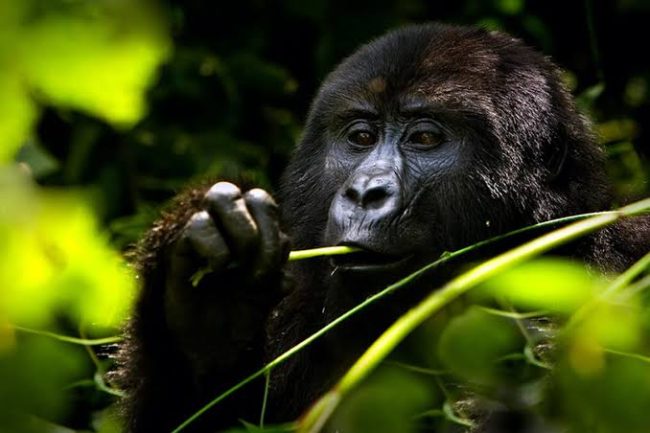
Humba Gorilla Family: History, Silverback, Members and Location in Virunga National Park
Introduction to the Humba Gorilla Family
The Humba Gorilla Family is one of the recognised mountain gorilla families of Virunga National Park in the eastern Democratic Republic of Congo (DRC). Known for its fascinating history of family divisions, silverback leadership and social relationships, the group offers an interesting example of how mountain gorilla families evolve over time.
The family is named after its dominant silverback, Humba, who established an independent group in 1998 after separating from the Rugendo Gorilla Family. Humba’s departure marked the beginning of a new chapter in the group’s history, which later involved another significant split when his brother Nyakamwe challenged his leadership.
Unlike the gorilla families found in Uganda’s Bwindi Impenetrable National Park and Mgahinga Gorilla National Park, the Humba family belongs to Virunga’s mountain gorilla population in the Democratic Republic of Congo.
For travellers researching mountain gorilla families in East Africa, understanding the Humba family provides valuable insight into gorilla behaviour, family structures and conservation efforts in the Albertine Rift.
Where Is the Humba Gorilla Family Located?
The Humba Gorilla Family is associated with Virunga National Park in eastern Democratic Republic of Congo. Its traditional range includes forested areas around Gatovu and Bikenge within the park.
Virunga National Park lies in the Albertine Rift, a region recognised for its exceptional biodiversity and important populations of endangered wildlife.
The park protects mountain gorillas alongside other wildlife species, including chimpanzees, forest elephants, buffaloes, hippos and numerous bird species.
The forested volcanic landscape provides suitable habitat for mountain gorillas, which depend on natural vegetation for food, shelter and protection.
The Humba family is monitored by Virunga conservation teams as part of the park’s wider mountain gorilla protection programme.
History of the Humba Gorilla Family
The history of the Humba Gorilla Family dates back to 1998, when a disagreement between silverbacks within the Rugendo family resulted in the formation of a new group.
Formation of the Humba Family in 1998
Humba was born into the Rugendo Gorilla Family, one of the established mountain gorilla groups in Virunga National Park.
As he matured into a dominant silverback, tensions developed between him and his father, Rugendo. These disagreements eventually resulted in a family split in December 1998.
Humba left the original group with several members, including his brother Nyakamwe, establishing an independent gorilla family.
The separation was an important development in the group’s history because it demonstrated how competition and changing relationships between mature males can influence mountain gorilla social structures.
The new family gradually developed into an established group under Humba’s leadership.
The Role of Silverback Nyakamwe
One of the most interesting aspects of the Humba family’s history is the relationship between Humba and his younger brother Nyakamwe.
Initially, the two brothers lived together in the same family after separating from Rugendo. However, as Nyakamwe matured and developed into a silverback, competition between the brothers became increasingly significant.
By 2014, the Humba family had grown considerably, with reports recording approximately 16 to 17 members.
However, disagreements between the two dominant males eventually resulted in another family division.
Nyakamwe separated from Humba, taking several members with him to establish what became known as the Nyakamwe Gorilla Family.
This separation left Humba with a smaller group, but both families continued developing independently.
The Growth of the Family After the Split
Despite losing several members following the separation from Nyakamwe, the Humba family continued to experience changes through births and the arrival of other gorillas.
In 2015, an adult female gorilla named Kakule left the Munyaga family and joined Humba.
Such movements are part of the natural social behaviour of mountain gorillas. Adult females may leave their original groups and join other silverbacks, sometimes following encounters between different families.
The continued growth and development of the Humba family demonstrate the dynamic nature of mountain gorilla communities.
Who Is Silverback Humba?
Silverback Humba is the founding leader after whom the family is named.
A silverback is a mature male mountain gorilla that develops distinctive silver-grey hair across its back as it reaches adulthood. Silverbacks play important roles in maintaining family stability, protecting group members and leading daily movements.
Humba became a dominant silverback after maturing within the Rugendo family.
His decision to establish an independent group in 1998 shaped the family’s identity and history.
Like other dominant silverbacks, Humba’s responsibilities include:
- Leading the family through its forest habitat.
- Protecting females and younger gorillas.
- Responding to threats from other silverbacks.
- Maintaining relationships within the group.
- Influencing the family’s feeding and resting movements.
The leadership of a silverback is particularly important because mountain gorillas live in closely connected social groups.
Humba Gorilla Family Members
The composition of the Humba family has changed over the years due to births, deaths, migrations and family divisions.
An International Gorilla Conservation Programme (IGCP) family profile published in February 2022 recorded 15 members, including:
- Two silverbacks.
- Four adult females.
- Four juveniles.
- Five infants.
These figures represent a dated population record rather than a confirmed current count. Gorilla family membership changes naturally, and updated information should be obtained from conservation authorities.
The presence of different age and sex categories illustrates the social structure of mountain gorilla families.
Silverbacks
Silverbacks are mature male gorillas responsible for leadership and protection. They are among the most physically impressive members of a gorilla family.
Adult Females
Adult females contribute to the continuity of the family through reproduction and caring for their young.
Female gorillas may also move between different groups during their lives.
Juveniles
Juveniles are young gorillas that have progressed beyond infancy but still depend on older family members for protection and social learning.
They gradually develop the skills needed for independent feeding, movement and interaction.
Infants
Infant gorillas are among the most fascinating members of any mountain gorilla family.
They spend much of their early lives close to their mothers, learning through observation, play and interaction with other family members.
Mountain Gorilla Behaviour and Social Structure
The Humba Gorilla Family provides an interesting example of the complex social relationships found among mountain gorillas.
Mountain gorillas are highly social primates that generally live in family groups led by one or more mature silverbacks.
Although a dominant silverback often provides leadership, the structure of a family is not always fixed.
Groups can experience changes resulting from:
- Competition between mature males.
- Births and deaths.
- Females transferring between families.
- The formation of new groups.
- Changes in silverback leadership.
The separation of Humba and Nyakamwe is an example of how competition between mature males can result in the formation of independent mountain gorilla families.
These changes are natural aspects of gorilla social organisation and are closely monitored by conservation researchers.
What Do Humba Mountain Gorillas Eat?
Mountain gorillas are primarily herbivorous. Their diet consists mainly of vegetation found within their forest habitat.
The Humba family feeds on a variety of naturally occurring plant materials, depending on seasonal availability and the vegetation within its home range.
Their diet may include:
- Leaves.
- Stems.
- Shoots.
- Roots.
- Wild fruits.
- Flowers.
- Bamboo shoots where available.
- Other soft vegetation.
Mountain gorillas spend a considerable part of their day feeding because they require substantial quantities of vegetation to maintain their large bodies.
Their feeding activities also contribute to forest ecology through seed dispersal and vegetation management.
Conservation of the Humba Gorilla Family
Mountain gorillas are an endangered subspecies that depend on long-term conservation programmes for their survival.
The protection of the Humba family forms part of the wider conservation efforts undertaken in Virunga National Park.
Conservation activities include daily monitoring, habitat protection, veterinary interventions and research into gorilla behaviour.
Anti-Poaching Activities
Poaching remains a threat to wildlife in parts of Central Africa.
Virunga’s conservation teams work to protect wildlife through patrols, monitoring and other law enforcement activities.
Mountain gorillas are particularly vulnerable because they reproduce slowly and depend on stable social groups.
Veterinary Monitoring
Mountain gorillas share many biological similarities with humans and can be vulnerable to certain human diseases.
Veterinary monitoring is therefore essential for identifying injuries, illnesses and other health concerns.
Habitat Protection
Protecting natural forest habitat is fundamental to the survival of mountain gorillas.
Virunga’s forests provide food, shelter and suitable conditions for the different gorilla families living within the protected area.
Conservation programmes also involve surrounding communities because local participation is important for the long-term protection of wildlife.
Can You Visit the Humba Gorilla Family?
The Humba family is historically recognised as a habituated mountain gorilla family in Virunga National Park.
However, travellers should distinguish between a group’s historical availability for tourism and the park’s current operational status.
Important travel update: Virunga National Park’s official visitor website currently states that mountain gorilla trekking and Nyiragongo volcano trekking are closed until further notice. Therefore, travellers should not plan or pay for a Humba family trek without receiving direct confirmation from the park.
Visitors should monitor official Virunga National Park announcements for any reopening information.
This distinction is particularly important for international travellers planning gorilla safaris across Uganda, Rwanda and the Democratic Republic of Congo.
Where Can You See Mountain Gorillas in Uganda Instead?
Travellers interested in seeing mountain gorillas can consider Uganda’s two established gorilla trekking destinations.
Bwindi Impenetrable National Park
Bwindi Impenetrable National Park is one of Africa’s most important mountain gorilla conservation destinations.
Located in southwestern Uganda, the park is divided into four main gorilla trekking sectors:
- Buhoma.
- Ruhija.
- Rushaga.
- Nkuringo.
Each sector has different habituated gorilla families, forest landscapes and accommodation options.
Popular gorilla families include Mubare, Habinyanja, Rushegura, Bitukura, Oruzogo, Nkuringo, Nshongi and Bweza, among others.
Visitors can obtain a gorilla trekking permit through the Uganda Wildlife Authority or a recognised tour operator.
Mgahinga Gorilla National Park
Mgahinga Gorilla National Park is another excellent destination for mountain gorilla trekking in Uganda.
Located in the Virunga Mountain region, the park protects mountain gorillas alongside golden monkeys and other wildlife.
The Nyakagezi Gorilla Family is the historically established habituated gorilla family associated with Mgahinga.
The park also offers opportunities to explore volcanic landscapes, undertake golden monkey tracking and experience the cultural heritage of the Batwa community.
Best Time to Visit Uganda for Gorilla Trekking
Uganda offers mountain gorilla trekking throughout the year, although weather conditions can influence the overall experience.
The relatively drier periods are generally preferred by many travellers.
June to September
These months are generally considered favourable for gorilla trekking because rainfall is often lower, although showers can occur at any time in the rainforest.
December to February
This is another popular period for gorilla trekking, with comparatively drier conditions in many parts of southwestern Uganda.
March to May and October to November
These months generally experience more rainfall.
However, gorilla trekking remains possible, and the forest can be particularly green and attractive.
The best time to travel ultimately depends on your preferred weather conditions, accommodation availability and travel schedule.
How to Book a Uganda Gorilla Trekking Safari
Planning a gorilla trekking safari requires advance preparation, particularly because trekking permits are limited.
Travellers should follow these steps:
- Choose between Bwindi Impenetrable National Park and Mgahinga Gorilla National Park.
- Select a suitable trekking sector based on accommodation and travel arrangements.
- Confirm gorilla permit availability for your preferred dates.
- Book your gorilla trekking permit through an authorised channel.
- Arrange accommodation near the designated trekking sector.
- Organise transportation and other safari activities.
- Prepare appropriate clothing and equipment for rainforest trekking.
Booking early is advisable, particularly during the popular travel seasons.
Why Book Your Uganda Gorilla Safari with Epic Uganda Vacation?
Epic Uganda Vacation specialises in organising tailor-made Uganda wildlife safaris, gorilla trekking adventures and primate experiences.
We help travellers plan journeys that combine mountain gorilla encounters with other outstanding attractions across Uganda.
Our safari services include:
- Uganda gorilla trekking safaris.
- Bwindi gorilla trekking tours.
- Mgahinga gorilla trekking experiences.
- Golden monkey tracking.
- Chimpanzee tracking in Kibale Forest.
- Wildlife safaris in Queen Elizabeth National Park.
- Murchison Falls National Park safaris.
- Cultural and community experiences.
Whether you are planning a short gorilla trekking excursion or a longer Uganda safari, we can help organise accommodation, transportation, permits and experienced safari guides.
Frequently Asked Questions About the Humba Gorilla Family
1. Where is the Humba Gorilla Family found?
The Humba Gorilla Family is found in Virunga National Park in the eastern Democratic Republic of Congo. Its traditional range includes the Gatovu and Bikenge areas.
2. Who is the leader of the Humba Gorilla Family?
The group was founded and named after silverback Humba, who separated from the Rugendo family in 1998.
3. When was the Humba Gorilla Family formed?
The Humba family was formed in December 1998 following a split from the Rugendo Gorilla Family.
4. Why did the Humba Gorilla Family split?
The original split occurred following disagreements between Humba and his father, Rugendo. Another significant split happened in 2014 when Humba’s brother Nyakamwe separated from the family and established an independent group.
5. How many gorillas are in the Humba family?
An IGCP record dated February 2022 documented 15 members. This is a historical figure and should not be interpreted as the group’s confirmed current population.
6. Who is Nyakamwe in relation to Humba?
Nyakamwe is Humba’s brother. The two initially lived together after separating from the Rugendo family, but Nyakamwe later established his own gorilla family in 2014.
7. Can tourists trek the Humba Gorilla Family?
Humba has historically been a habituated gorilla family available for tourism in Virunga National Park. However, the park’s official visitor website currently states that gorilla trekking is closed until further notice.
8. Can I see the Humba family in Uganda?
No. The Humba family belongs to Virunga National Park in the Democratic Republic of Congo, not Uganda. Travellers interested in seeing mountain gorillas in Uganda can visit Bwindi Impenetrable National Park or Mgahinga Gorilla National Park.
9. What is the difference between the Humba and Nyakamwe families?
Both families originated from the Rugendo lineage. Humba established his family in 1998, while Nyakamwe later separated from Humba in 2014 to form an independent group.
10. Which mountain gorilla families can I trek in Uganda?
Uganda has habituated mountain gorilla families in Bwindi Impenetrable National Park and Mgahinga Gorilla National Park. The family allocated to each visitor depends on the permit and the Uganda Wildlife Authority’s trekking arrangements.
Conclusion
The Humba Gorilla Family has an interesting place in the conservation history of mountain gorillas in Virunga National Park. Its formation, the leadership of silverback Humba and the subsequent separation of Nyakamwe demonstrate the complex social relationships that shape mountain gorilla families.
Although the family is associated with the Democratic Republic of Congo rather than Uganda, its story provides an opportunity to understand the behaviour, family organisation and conservation needs of endangered mountain gorillas.
For travellers hoping to experience mountain gorilla trekking in East Africa, Uganda remains an excellent destination, with Bwindi Impenetrable National Park and Mgahinga Gorilla National Park offering unforgettable opportunities to encounter these remarkable primates.
Plan your Uganda gorilla trekking safari with Epic Uganda Vacation and discover the extraordinary mountain gorillas of southwestern Uganda.